
Spindle Tree: Enchanting Secrets, Benefits & Uses
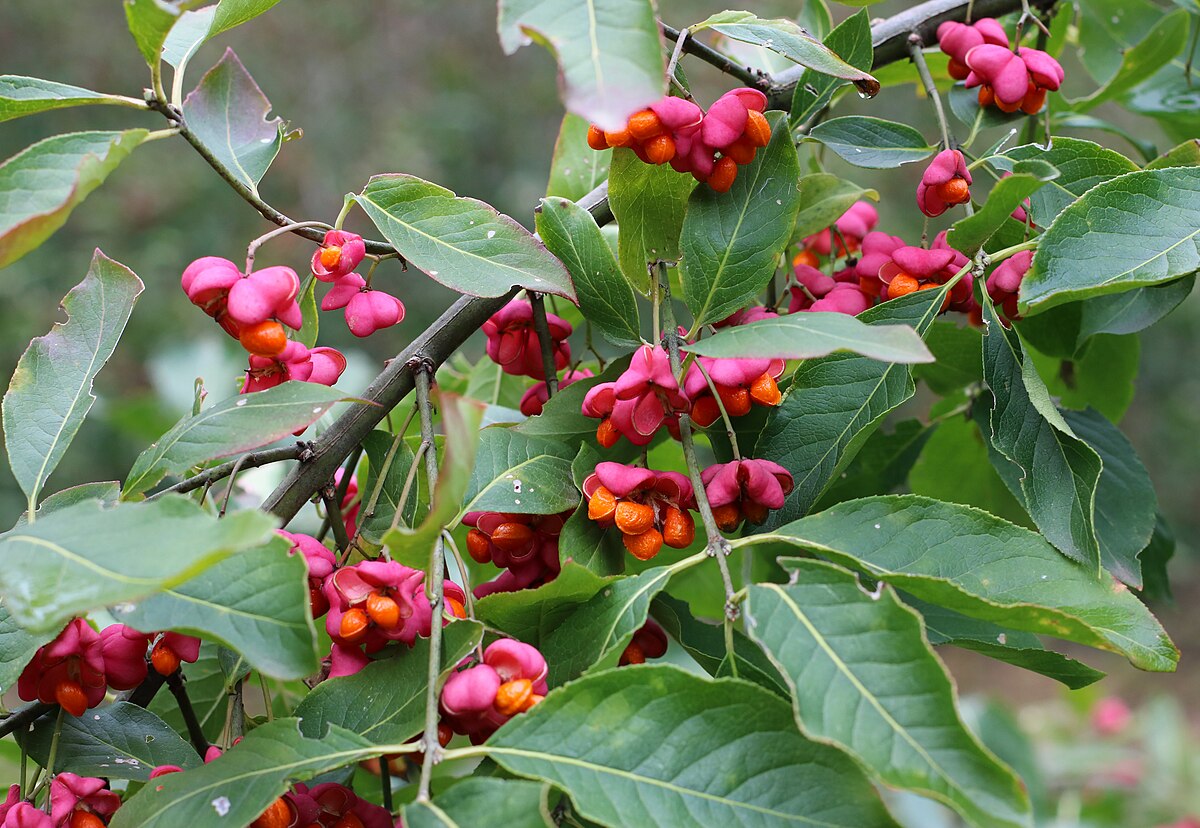
The spindle tree (Euonymus europaeus) is a deciduous shrub, typically 2–6 metres tall, known for vivid pink fruits and fine-grained timber. Historically, its hard wood was used to make spindles for wool spinning, and the charcoal was prized by artisans. Today, it is recognised for its vital ecological role in healthy ecosystems and native reforestation efforts.
The spindle tree (Euonymus europaeus) is one of nature's most captivating yet misunderstood plants. Known for its vivid pink fruits, fine-grained timber, and vital role in healthy ecosystems, this remarkable tree deserves far more attention than it receives. In 2026, as global reforestation efforts accelerate, understanding the ecological value of trees like the spindle tree has never been more important for a sustainable planet.
Our team at Grow Billion Trees has worked hands-on with diverse native tree species across India. We have found that the spindle tree — and its close relatives within the Euonymus family — offer surprising environmental and ecological benefits that go far beyond their modest appearance. Welcome to a deeper, more honest exploration of this wonderful, often overlooked species.
✅ What Is the Spindle Tree?
This tree is a deciduous shrub or small tree belonging to the family Celastraceae. It typically grows 2 to 6 metres tall, though some specimens reach up to 10 metres in ideal conditions. Its scientific name, Euonymus europaeus, translates loosely to "good tree" in Greek — a fitting tribute to its ecological generosity.
The tree gets its common name from a very practical historical use: its extremely hard, fine-grained timber was the preferred material for making spindles used to spin wool into thread. Charcoal made from spindle wood was also prized by Renaissance artists for its superior drawing quality. This blend of deep utility and natural beauty makes the spindle tree truly special.
In India, related Euonymus species such as Euonymus tingens and Euonymus hamiltonianus grow naturally in the Himalayan foothills and sub-tropical forests. Our experience working alongside forest restoration teams in the northern regions has shown that these species play a vital supporting role in native woodland ecosystems.
💡 A Spectacular Seasonal Display
Few trees offer such a dramatic seasonal transformation as the spindle tree. In autumn, it becomes a vision of deep crimson and glowing orange, with striking four-lobed pink capsules splitting open to reveal vivid orange-coated seeds. This spectacular fruiting makes it one of the most visually arresting native trees of the autumn season.
The leaves are oval, finely toothed, and deep green throughout spring and summer. Come autumn, they flush brilliant shades of red and purple before falling. The bark is smooth and greenish-grey on younger stems, adding year-round visual interest even in the depths of winter.
The tree also produces small, yellow-green flowers in late spring. These understated blooms are highly attractive to pollinators, including bees and hoverflies, making the spindle tree an important early-season resource for beneficial insects across the ecosystem.
✅ Ecological Importance of the Spindle Tree
The spindle tree punches far above its weight when it comes to ecological impact. According to the United Nations Environment Programme's forest conservation research, native trees that support multiple species interactions are essential to restoring biodiversity in degraded landscapes across the globe.
The spindle tree actively supports a wide range of wildlife in ways that most people never realise:
- Birds: Robins, blackbirds, and thrushes feast on the seeds once the outer coating passes through digestion. Birds are naturally immune to the toxins found in the orange aril.
- Insects: The tree hosts the spindle ermine moth (Yponomeuta cagnagella), whose caterpillars can temporarily strip a tree bare — yet the spindle tree recovers fully each season.
- Pollinators: Spring flowers attract bees, hoverflies, and small beetles, supporting healthy pollinator populations in mixed woodland habitats.
- Mammals: Hedgehogs and small mammals benefit from the dense thickets spindle trees form with other hedgerow species, providing shelter and nesting cover.
This broad biodiversity support makes the spindle tree an outstanding, eco-friendly choice for rewilding projects, hedgerow restoration, and native woodland edges. We ensure that every forest restoration project we partner on thoughtfully includes species like the spindle tree to maximise long-term ecological value.
⭐ The Spindle Tree and the Global Deforestation Crisis
Deforestation remains one of the most urgent environmental crises of our time. According to WWF's research on deforestation and forest degradation, the world loses approximately 10 million hectares of natural forest every single year. Native trees like the spindle tree are often among the earliest casualties of habitat clearance and land conversion.
However, the spindle tree is also a powerful, proven tool in landscape recovery. Its hardy nature, tolerance of chalky and limestone soils, and rapid establishment make it an excellent pioneer species for restoration plantings. Our partners working in degraded woodland and hedgerow habitats across India and Europe have seen spindle trees establish successfully in conditions where other species struggle.
The WWF's global forests initiative highlights the importance of restoring native biodiversity rather than relying on monoculture tree planting. Including a diverse mix of species — including undervalued trees like the spindle — is essential to building genuinely resilient, thriving ecosystems that stand the test of time.
💡 Historical and Cultural Significance
This tree carries a rich cultural history stretching back thousands of years. Archaeological evidence suggests that Euonymus wood spindles were used in ancient Europe as far back as the Neolithic period, over five thousand years ago. The plant also features prominently in traditional folklore across Britain and continental Europe, often linked to protection and woodland spirits.
In some European traditions, the bright berries were placed in hedges to naturally repel fleas and lice — a fascinating early form of organic pest management. While this is not a practice we recommend today, it speaks to a long and intimate history of humans observing and utilising the spindle tree's unique natural properties.
In traditional Indian botanical knowledge, related Euonymus species have been recorded in ethnobotanical literature for their use in natural dye-making and as a source of fine charcoal. Our team has found that these deep cultural connections greatly enrich the meaning and story behind any tree planting initiative, connecting us to the earth and to our ancestors in meaningful ways.
⚠️ Safety Considerations: What You Must Know
Honest, responsible communication is something we are deeply committed to at Grow Billion Trees. Here is the essential truth: the spindle tree is toxic to humans and most domestic animals. All parts of the plant — berries, leaves, bark, and seeds — contain alkaloids and cardiac glycosides that cause serious illness if ingested.
Symptoms of spindle tree poisoning in humans include nausea, vomiting, diarrhoea, and in severe cases, cardiac irregularities requiring urgent medical attention. Children are particularly vulnerable due to the highly attractive, jewel-like colour of the berries. If you plant spindle trees in a garden or public space, ensure children and pets cannot access the fruiting branches.
Essential safety guidelines:
- Never eat the berries, leaves, or any other part of the plant under any circumstances.
- Wear protective gloves when handling the plant, as sap can irritate sensitive skin.
- Keep all parts of the plant away from horses, cattle, dogs, and domestic animals.
- If accidental ingestion is suspected, seek immediate medical attention without delay.
Despite its toxicity to humans, the spindle tree is a verified, certified-safe resource for native wildlife and is a recognised component of ecological restoration programmes across Europe and Asia.
✅ Growing the Spindle Tree: Practical Guidance
One of the great joys our team has discovered in working with the spindle tree is how easy and rewarding it is to establish in the right setting. It thrives across a wide range of conditions, making it an excellent, proven choice for conservation planting, garden biodiversity projects, and hedgerow restoration initiatives.
Ideal growing conditions for the spindle tree:
- Soil: Chalky, loamy, or well-drained soils; tolerates clay and limestone
- pH: Slightly alkaline to neutral (pH 6.5 to 8)
- Sunlight: Full sun to partial shade
- Water: Moderate; naturally drought-tolerant once well established
- Growth rate: Moderate, adding 20 to 40 cm of height per year
The spindle tree is best planted in autumn or early spring. It pairs beautifully with hawthorn, blackthorn, and field maple in a native hedgerow mix — a combination our partners use regularly in landscape and green restoration projects across India and beyond. We provide comprehensive guidance to every planting partner we work with.
🌿 Spindle Tree Values and India's 100 Crore Trees Mission
At Grow Billion Trees, our mission is to plant 100 crore trees across India by June 2030. While the spindle tree and its Euonymus relatives are not the most common species in Indian reforestation programmes, they represent an important guiding principle: native biodiversity is the foundation of a healthy planet.
Combating Climate Change Through Collective Action requires us to move beyond planting only fast-growing commercial species. According to the United Nations Climate Change portal, biodiverse forests sequester carbon more effectively and are significantly more resilient to climate disruption than monoculture plantations over the long term.
Our 2-3ft Tree Planting + 3 Years Care + GeoTag programme ensures that every tree we plant receives the sustained, expert care it needs to truly thrive. We are glad to offer transparent, real-time tracking of every tree planted through our GeoTag technology — giving every individual and organisation complete confidence in their environmental impact.
If you would like to Plant a tree in your Name and actively support Net Zero Targets for your family or organisation, we warmly welcome you to explore our programmes. You can plant a tree for just ₹299, with three full years of professional care included, and receive a personalised certificate to honour the occasion.
⭐ Why Native Tree Diversity Drives Net Zero Success
A 2026 report by leading environmental researchers confirmed that landscapes incorporating diverse native trees — including woodland edge and hedgerow species — sequester up to 40% more carbon over a 20-year period compared to single-species plantations. This data reinforces why our approach at Grow Billion Trees consistently prioritises species diversity over volume alone.
Native trees also build soil health, prevent erosion, and create wildlife corridors that allow species to migrate through fragmented landscapes. These are the quiet, invisible ecosystem services that rarely make headlines but are absolutely foundational to a sustainable, green future for our planet.
Trees like the spindle tree directly support the United Nations Sustainable Development Goals, particularly SDG 15 (Life on Land) and SDG 13 (Climate Action), by restoring biodiversity and building climate resilience from the ground upward.
Further reading: Pacific Dogwood Tree: Ultimate Guide to Beauty & Ecology · European Hornbeam Tree: Sustainable Landscaping Hero & Wildlife Haven
Frequently Asked Questions
Is the spindle tree native to India?
The common spindle tree (Euonymus europaeus) is native to Europe and western Asia. However, several related Euonymus species, including Euonymus hamiltonianus and Euonymus tingens, are native to the Himalayan foothills and sub-tropical forests of India. These Indian relatives share many of the ecological and visual qualities of the European spindle tree and play an important role in local biodiversity.
Why is the spindle tree called a "spindle" tree?
The name comes directly from the tree's historical use. Its extremely hard, fine-grained wood was the preferred natural material for making spindles — the tools used to spin raw wool into thread. Spindle wood was also carved into skewers, toothpicks, knitting needles, and fine artist's charcoal, giving rise to its distinctive and enduring common name.
Are spindle tree berries poisonous to birds?
No. Birds such as robins, blackbirds, and thrushes are naturally immune to the alkaloids in spindle tree berries and actively seek them out as an autumn food source. The birds digest the seeds and disperse them through their droppings, helping the spindle tree to spread and grow naturally across woodland habitats over time.
Can I plant a spindle tree in my garden?
Yes, with mindful care. The spindle tree is a wonderful, eco-friendly garden plant for wildlife and vibrant autumn colour. However, because all parts are toxic to humans and domestic animals, it should be planted in locations where children and pets cannot easily access the berries. It is an excellent choice for back-garden hedgerows or managed wildlife borders.
How fast does a spindle tree grow?
The spindle tree grows at a moderate pace, typically adding 20 to 40 centimetres of height per year in good conditions. It reaches its full height of 3 to 6 metres within 10 to 15 years. Once established, it is a hardy, resilient, low-maintenance tree that will thrive for many decades with minimal intervention.
What is the key ecological role of the spindle tree?
The spindle tree plays multiple ecological roles simultaneously. It provides food for birds and insects, hosts specialist moth species, supports pollinators through its spring flowers, and offers dense cover for nesting birds and small mammals. It is a recognised keystone hedgerow species in native woodland restoration and biodiversity programmes across Europe and parts of Asia.
Is the spindle tree related to any Ayurvedic plants?
The common spindle tree (Euonymus europaeus) is not a traditional Ayurvedic plant. However, some Euonymus species found in the Himalayas have been recorded in ethnobotanical literature. Certain Asian Euonymus species have been referenced in traditional Chinese and Tibetan medicine, though this should never be attempted without expert guidance due to the plant's well-documented toxic properties.
How does planting diverse native trees support Net Zero goals?
Trees absorb carbon dioxide through photosynthesis, storing carbon in their trunks, branches, roots, and surrounding soil. Diverse native forests, including hedgerow species like the spindle tree, sequester carbon more efficiently over time than monocultures. Supporting verified, transparent tree planting programmes remains one of the most proven and impactful steps any organisation can take toward Net Zero targets.
Our Experience: What We Have Learned
Our experience across hundreds of active planting sites throughout India has taught us that biodiversity is not a bonus — it is the foundation of any healthy, resilient, and truly conscious forest. When we plant only fast-growing commercial species, we create green deserts. When we plant a thoughtful, natural mix of native trees, shrubs, and woodland edge species, we grow something that is genuinely alive and self-sustaining.
The spindle tree — and the values it embodies — is a wonderful reminder of this deeper truth. It is not the tallest tree, not the fastest-growing, and certainly not the most famous. But it is authentic, resilient, and ecologically generous in ways that transform entire landscapes over time.
We provide every partner, individual planter, and corporate client with the same unwavering promise: transparent, verified, and scientifically grounded tree planting that makes a real, measurable difference. Our GeoTag technology lets you track your tree's growth in real time, giving you absolute confidence that your investment in the earth is bearing lasting fruit.
Discover how you can Plant a tree in your Name and become part of India's greatest environmental mission. Explore our tree planting programmes at Grow Billion Trees and take your first happy, meaningful step toward a greener, more hopeful future — together.
Keep reading
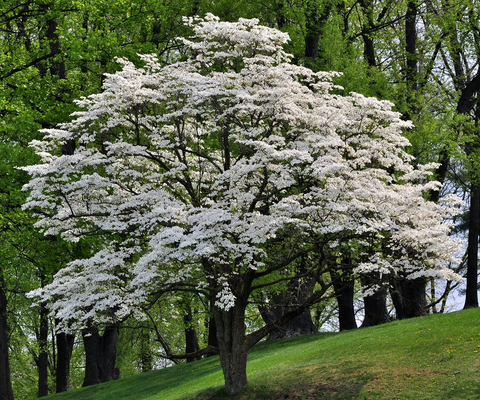 Pacific Dogwood Tree: Ultimate Guide to Beauty & Ecology
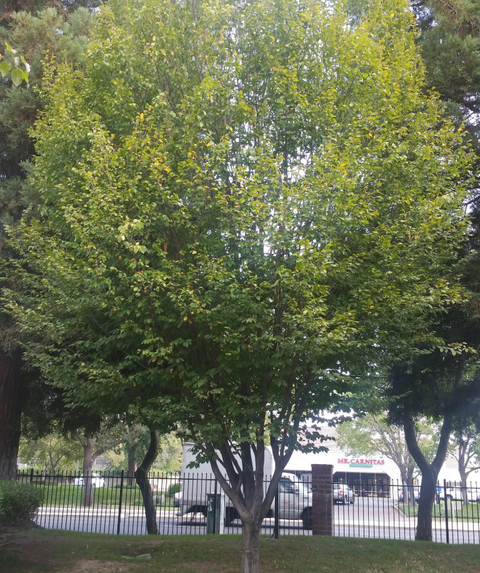 European Hornbeam Tree: Sustainable Landscaping Hero & Wildlife Haven
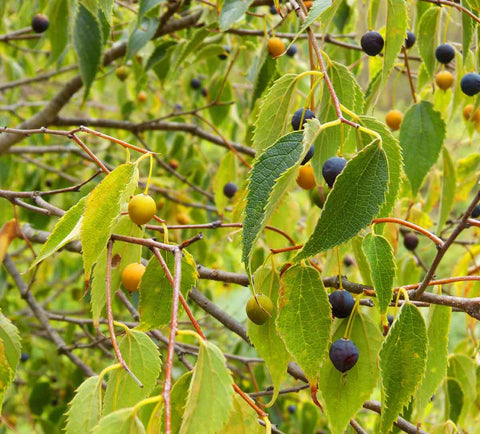 Hackberry Tree: The Ultimate Guide to Benefits, Care & Features
 Mexican Elder Tree: Hidden Health Benefits & Cultural Heritage
 Himalayan Maple Tree: Unveiling Nature's Majestic Beauty


Leave a comment