
Japanese Pagoda Tree: Nature's Architectural Marvel for Your Garden
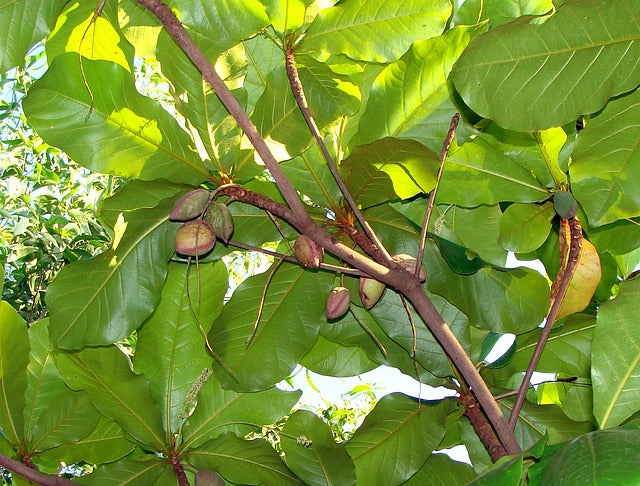
The Japanese Pagoda Tree (Styphnolobium japonicum) is a deciduous shade tree reaching 20–30 metres, featuring a broad rounded crown and late-summer white flowers. The tree attracts pollinators while providing significant shade, offering both ecological and functional benefits for garden landscapes.
The Japanese Pagoda Tree stands as one of nature's most elegant architectural marvels, combining stunning visual appeal with remarkable environmental benefits. This majestic deciduous tree, scientifically known as Styphnolobium japonicum, offers homeowners and landscapers a perfect blend of beauty, sustainability, and ecological value that transforms any outdoor space into a living masterpiece.
✅ The Enigmatic Beauty of Nature's Pagoda
The Japanese Pagoda Tree captivates observers with its distinctive architectural form that mirrors traditional Asian pagodas. Reaching impressive heights of 20 to 30 meters (65 to 100 feet), this magnificent specimen develops a broad, rounded crown that provides generous shade coverage for outdoor spaces.
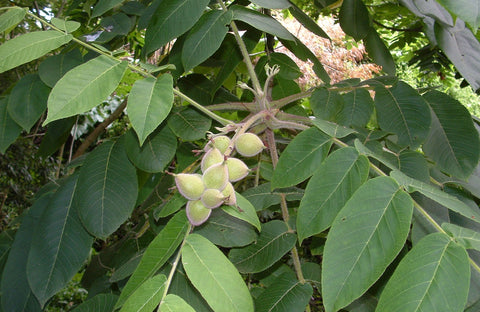
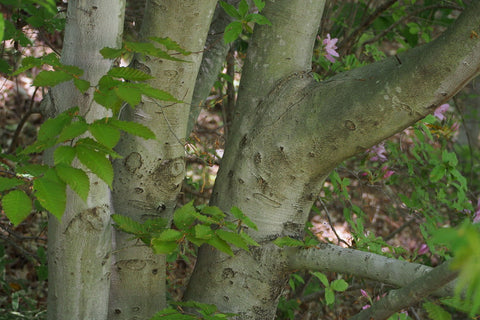
The tree's smooth, light gray bark gradually transforms into a rugged, furrowed texture as it matures, adding character and visual interest throughout the seasons. Its pinnately compound leaves consist of 7 to 15 elegant leaflets, creating a lush, green canopy that serves as a natural umbrella.
During late summer, the tree produces spectacular clusters of fragrant, creamy-white flowers that truly justify its pagoda-inspired name. These blooms attract essential pollinators including bees and butterflies, supporting local biodiversity while creating a stunning visual display. The subsequent flat, brown seed pods persist through winter, ensuring year-round aesthetic appeal.
⭐ Scientific Insights and Remarkable Characteristics
From a botanical perspective, the Japanese Pagoda Tree belongs to the legume family, Fabaceae, which grants it extraordinary soil-enhancing capabilities. This classification is significant because leguminous plants possess the unique ability to fix atmospheric nitrogen through specialized root nodules, naturally enriching soil fertility.
According to the United Nations Environment Programme's forest conservation initiatives, nitrogen-fixing trees like the Japanese Pagoda Tree play crucial roles in ecosystem restoration and sustainable forestry practices.
Key Scientific Facts:
- ✅ Longevity: Lives over 200 years, providing generational value
- ✅ Urban Resilience: Highly tolerant of air pollution and urban stress
- ✅ Medicinal Properties: Traditional uses for anti-inflammatory and antioxidant benefits
- ✅ Cultural Symbolism: Represents peace and tranquility in Japanese culture
💡 Historical Significance and Cultural Heritage
The Japanese Pagoda Tree carries a rich historical legacy spanning centuries. Originally introduced to Japan from China, this remarkable species quickly gained prominence for its ornamental beauty and practical shade benefits. Temple gardens and public parks became natural homes for these majestic trees, where they symbolized longevity and resilience.
During Japan's Edo period (1603-1868), extensive cultivation of the Japanese Pagoda Tree led to its widespread presence in urban landscapes. The tree's remarkable adaptability to various soil types and environmental conditions made it an ideal choice for city planning and landscaping projects.
Beyond aesthetic contributions, the Japanese Pagoda Tree holds deep cultural significance in Japanese traditions. Festival celebrations often feature these trees' blossoms as symbols of spring renewal and natural beauty, connecting communities with nature's rhythms.
🌱 Environmental Impact and Ecosystem Benefits
The ecological advantages of the Japanese Pagoda Tree extend far beyond its visual appeal, making it a cornerstone of sustainable landscaping practices. As highlighted by the United Nations Climate Change initiatives, trees with nitrogen-fixing capabilities contribute significantly to soil health and ecosystem restoration.
Environmental Benefits Include:
- • Soil Enhancement: Nitrogen fixation improves soil fertility naturally
- • Erosion Control: Extensive root systems prevent soil degradation
- • Urban Cooling: Broad canopy reduces heat island effects
- • Carbon Sequestration: Mature trees absorb substantial CO2 amounts
- • Wildlife Support: Provides habitat and food sources for various species
The tree's flowers attract diverse pollinators, while its seeds nourish birds and small mammals, creating a thriving ecosystem hub. Research shows that a mature Japanese Pagoda Tree can sequester significant carbon dioxide amounts, directly supporting climate change mitigation efforts.
🌳 Grow Billion Trees: Combating Climate Change Through Collective Action
Organizations like Grow Billion Trees recognize the Japanese Pagoda Tree's potential in large-scale reforestation initiatives. Our mission to plant 100 crore trees across India includes promoting diverse species like the Japanese Pagoda Tree for their exceptional environmental benefits.
The World Wildlife Fund's forest conservation programs emphasize the importance of species diversity in restoration projects, supporting our approach of including both native and adapted species in our planting initiatives.
Our Comprehensive Approach:
- → Community Engagement: Collaborating with local groups and schools
- → Education Programs: Teaching sustainable forestry practices
- → Technology Integration: 2-3ft Tree Planting + 3 Years Care + GeoTag tracking
- → Corporate Partnerships: Supporting businesses achieve Net Zero Targets
🌿 Planting and Care Guidelines
Successfully establishing a Japanese Pagoda Tree requires understanding its specific needs and growth requirements. These resilient trees adapt well to various conditions but thrive with proper initial care and placement.
Optimal Growing Conditions:
- • Sunlight: Full sun to partial shade (minimum 6 hours daily)
- • Soil: Well-draining, slightly acidic to neutral pH
- • Spacing: Allow 30-40 feet between trees for full canopy development
- • Watering: Regular moisture during establishment, drought-tolerant when mature
- • Pruning: Minimal pruning required, shape during dormant season
When you Plant a tree in your Name through Grow Billion Trees, our comprehensive care package ensures your Japanese Pagoda Tree receives professional attention during its critical establishment period.
⭐ Urban Landscaping Applications
The Japanese Pagoda Tree excels in urban environments where many species struggle to survive. Its pollution tolerance and adaptability make it an excellent choice for city parks, streetscapes, and commercial properties.
Urban Benefits:
- ✅ Air pollution filtration and oxygen production
- ✅ Noise reduction through natural sound barriers
- ✅ Property value enhancement through aesthetic appeal
- ✅ Energy savings through natural cooling and shade
- ✅ Stormwater management through root system absorption
Municipal planners increasingly recognize the Japanese Pagoda Tree's value in creating sustainable, livable cities that balance development with environmental stewardship.
Further reading: Japanese Walnut Tree: Incredible Benefits & Stunning Beauty · Japanese Cedar Tree: Unlocking Timeless Beauty & Eco Benefits
Frequently Asked Questions
How fast does a Japanese Pagoda Tree grow?
Japanese Pagoda Trees have a moderate growth rate, typically adding 12-24 inches per year under optimal conditions. Young trees establish quickly but reach full maturity over 15-20 years, developing their characteristic broad, rounded crown.
Is the Japanese Pagoda Tree suitable for small gardens?
While beautiful, Japanese Pagoda Trees are best suited for larger spaces due to their mature size of 65-100 feet. Consider dwarf cultivars or alternative smaller trees for compact gardens to avoid overcrowding and structural issues.
When do Japanese Pagoda Trees bloom?
Japanese Pagoda Trees typically bloom in late summer (July-August), producing fragrant, creamy-white flower clusters. This late-season blooming period provides valuable nectar sources when many other flowering trees have finished blooming.
Are Japanese Pagoda Trees deer resistant?
Yes, mature Japanese Pagoda Trees are generally deer resistant due to their height and bark texture. Young trees may need protection during establishment, but once established, they rarely suffer deer damage.
Can Japanese Pagoda Trees survive harsh winters?
Japanese Pagoda Trees are cold-hardy and can survive temperatures down to -20°F (-29°C) in USDA zones 4-8. Their deciduous nature allows them to enter dormancy and withstand harsh winter conditions successfully.
Do Japanese Pagoda Trees require special soil conditions?
These adaptable trees thrive in various soil types, from clay to sandy loam, as long as drainage is adequate. Their nitrogen-fixing ability actually improves poor soils over time, making them excellent for challenging planting sites.
How much space does a Japanese Pagoda Tree need?
Allow at least 30-40 feet of space around a Japanese Pagoda Tree for proper development. The mature canopy spread can reach 40-60 feet, requiring adequate room to prevent crowding and competition with structures or other trees.
Are there any pest problems with Japanese Pagoda Trees?
Japanese Pagoda Trees are relatively pest-resistant but may occasionally face issues with aphids, scale insects, or borers. Regular inspection and proper cultural care typically prevent serious pest problems from developing.
Can I plant a Japanese Pagoda Tree near my house?
Plant Japanese Pagoda Trees at least 30 feet from structures to accommodate their mature size and root spread. While not invasive, their extensive root system and large canopy require adequate space for safe, healthy growth.
What wildlife benefits do Japanese Pagoda Trees provide?
These trees support diverse wildlife by providing nectar for pollinators, seeds for birds, and shelter for various species. Their late-summer blooming period offers crucial food sources when other flowering plants have finished blooming.
🌍 Supporting Global Reforestation Efforts
The Japanese Pagoda Tree represents just one species in the diverse arsenal of trees needed for comprehensive environmental restoration. At Grow Billion Trees, we understand that combating climate change requires strategic species selection that balances ecological benefits with practical growing requirements.
Our commitment to planting 100 crore trees by June 2030 includes promoting species like the Japanese Pagoda Tree that offer multiple environmental services while thriving in various conditions. Each tree planted contributes to our collective mission of environmental restoration and climate resilience.
Whether you're planning a memorial tree, celebrating a special occasion, or supporting corporate sustainability goals, the Japanese Pagoda Tree offers lasting beauty and environmental benefits that span generations.
Join thousands of environmentally conscious individuals who have chosen to Plant a tree in your Name for just ₹299. Our comprehensive planting program includes 2-3ft Tree Planting + 3 Years Care + GeoTag technology, ensuring your contribution grows into a thriving part of India's green future. Discover how you can plant your Japanese Pagoda Tree today and become part of the solution for a sustainable tomorrow.



Leave a comment