


Peruvian Pepper Tree: Culinary Delights & Medicinal Wonders
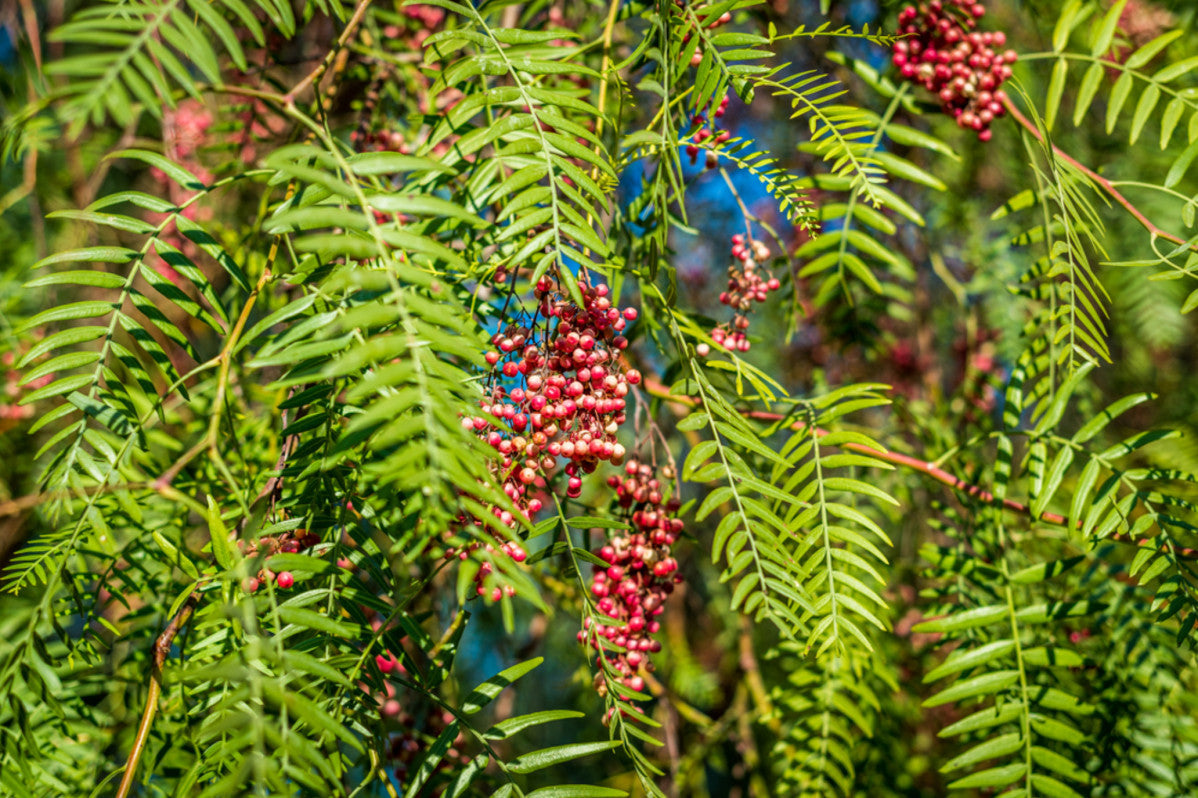
The Peruvian Pepper Tree (Schinus molle) provides both culinary and medicinal uses through its pink berries. This South American evergreen, native to warm, arid regions including Peru and Ecuador, has been used for centuries in traditional cooking and health practices. Its applications span from indigenous wisdom to modern medicinal use.
The Peruvian Pepper Tree (Schinus molle) stands as nature's remarkable gift, offering extraordinary culinary flavors and powerful medicinal properties. This evergreen marvel, native to South America's pristine landscapes, has captivated cultures for centuries with its pink berries that deliver both gastronomic excellence and healing potential. From ancient indigenous wisdom to modern scientific validation, the Peruvian Pepper Tree continues to unlock secrets that benefit both our palates and our health.
As we explore this fascinating species, we discover how organizations like Grow Billion Trees are working to preserve these precious trees while supporting our mission of Combating Climate Change Through Collective Action and helping achieve Net Zero Targets through sustainable reforestation efforts.
✅ Understanding the Peruvian Pepper Tree
The Peruvian Pepper Tree, scientifically known as Schinus molle, is a fascinating species native to South America, particularly Peru and Ecuador. This evergreen tree is renowned not only for its culinary applications but also for its medicinal properties, making it a valuable asset in both traditional and modern practices.
Standing tall with its graceful drooping branches and delicate pink berries, the Peruvian Pepper Tree thrives in warm, arid climates. Its resilience and adaptability have made it a symbol of strength in South American cultures, where it has been cherished for generations.
The tree's distinctive appearance features compound leaves with narrow leaflets and clusters of small, aromatic flowers that eventually develop into the prized pink berries. These characteristics make it easily recognizable and highly valued in both wild and cultivated settings.
⭐ Culinary Delights of the Peruvian Pepper Tree
The Peruvian Pepper Tree produces small, pink berries that are often mistaken for peppercorns. These berries are the source of the famous Peruvian pepper, which has a unique flavor profile that is both spicy and aromatic. The berries can be harvested and dried to create a seasoning that adds depth to various dishes.
The culinary uses of the Peruvian Pepper Tree are remarkably diverse and continue to inspire chefs worldwide:
- Seasoning: The dried berries can be ground into a powder, similar to black pepper, and used to season meats, fish, and vegetables
- Infusions: The leaves and berries can be infused into oils or vinegars, providing a distinctive flavor for dressings and marinades
- Beverages: In some regions, the berries are used to create unique alcoholic beverages, adding complexity to traditional recipes
- Gourmet Applications: High-end restaurants incorporate these berries into sophisticated dishes, creating memorable dining experiences
Scientific studies have shown that the flavor compounds in the berries are rich in antioxidants, which contribute to their health benefits. These compounds not only enhance the taste of dishes but also provide a nutritional boost, making the Peruvian Pepper Tree a valuable addition to any culinary repertoire.
Professional chefs particularly appreciate the berry's complex flavor profile, which combines mild heat with floral and citrusy notes. This unique combination makes it an excellent alternative to traditional peppercorns, offering a more nuanced and sophisticated taste experience.
💡 Medicinal Wonders and Health Benefits
Beyond its culinary uses, the Peruvian Pepper Tree has a long history of medicinal applications. Indigenous cultures have utilized various parts of the tree for centuries to treat a range of ailments. Recent scientific research has begun to validate some of these traditional uses, revealing the tree's impressive therapeutic potential.
The medicinal properties of the Peruvian Pepper Tree are supported by modern research, which has identified numerous beneficial compounds within its leaves, bark, and berries. These natural substances work synergistically to provide various health benefits that have been recognized by both traditional healers and contemporary scientists.
Key Medicinal Properties
- Anti-inflammatory Properties: Studies have indicated that extracts from the leaves and berries possess anti-inflammatory properties, which can help alleviate conditions such as arthritis and other inflammatory diseases
- Antimicrobial Effects: The essential oils derived from the tree have shown antimicrobial activity against various pathogens, making it a potential natural remedy for infections
- Digestive Health: The berries are known to aid digestion, and traditional medicine often uses them to treat gastrointestinal issues
- Antioxidant Power: Rich in flavonoids, the tree helps combat oxidative stress, potentially reducing the risk of chronic diseases
Moreover, the Peruvian Pepper Tree is rich in flavonoids, which are known for their antioxidant properties. These compounds help combat oxidative stress in the body, potentially reducing the risk of chronic diseases such as heart disease and cancer. The World Wildlife Fund's forest conservation initiatives emphasize how preserving such medicinal trees is crucial for maintaining biodiversity and supporting traditional medicine systems.
🌿 Historical and Cultural Significance
The Peruvian Pepper Tree has a rich cultural and historical significance that spans centuries. It has been revered by indigenous peoples for generations, who have integrated it into their daily lives, traditional medicine, and spiritual practices. The tree is often associated with fertility and prosperity in various South American cultures, symbolizing abundance and natural wisdom.
In the 16th century, Spanish colonizers brought the Peruvian Pepper Tree to other parts of the world, including California, where it became a popular ornamental tree. This historical migration demonstrates the tree's adaptability and the recognition of its value across different cultures and climates.
Today, it can be found in various regions, thriving in warm climates and often used for landscaping due to its attractive foliage and fragrant flowers. The tree's journey from its native South American habitat to global recognition illustrates how valuable species can transcend geographical boundaries while maintaining their essential characteristics.
Traditional ceremonies and festivals in Peru often feature the Peruvian Pepper Tree, highlighting its deep cultural roots and continued importance in modern society. This cultural heritage adds another layer of value to conservation efforts, as preserving the tree means protecting centuries of accumulated knowledge and tradition.
🌍 Environmental Impact and Conservation
The Peruvian Pepper Tree plays a crucial role in its native ecosystem, providing habitat and food for various wildlife species, including birds, insects, and mammals. Its extensive root system helps prevent soil erosion, while its canopy offers shade and shelter for numerous organisms, creating a microhabitat that supports biodiversity.
However, it is important to note that while the tree is beneficial in its native habitat, it can become invasive in non-native regions. In places like California, the Peruvian Pepper Tree has been classified as an invasive species, outcompeting native plants and disrupting local ecosystems. This highlights the importance of responsible cultivation and management practices to prevent ecological imbalance.
According to the United Nations Environment Programme's forest conservation guidelines, maintaining the balance between species preservation and ecosystem protection requires careful management strategies. The challenge lies in preserving the tree's benefits while preventing its negative impact on non-native environments.
Conservation efforts must focus on protecting the Peruvian Pepper Tree in its natural habitat while implementing control measures in regions where it has become invasive. This balanced approach ensures that we can continue to benefit from the tree's remarkable properties without compromising local ecosystems.
⭐ Grow Billion Trees: Promoting Sustainable Practices
Organizations like Grow Billion Trees are working tirelessly to promote the sustainable cultivation and conservation of the Peruvian Pepper Tree and other native species. Our mission focuses on reforestation, community engagement, and education about the ecological importance of native flora, supporting our goal to Plant a tree in your Name while working toward planting 100 crore trees across India.
Through our comprehensive approach that includes 2-3ft Tree Planting + 3 Years Care + GeoTag technology, we ensure that every tree planted receives proper care and monitoring. Our efforts align with the United Nations Sustainable Development Goals, particularly those focused on environmental conservation and climate action.
Our Key Initiatives Include:
- Community Involvement: Engaging local communities in reforestation efforts, providing education on the benefits of native trees, and encouraging sustainable harvesting practices
- Research and Development: Collaborating with scientists and researchers to study the ecological impact of the Peruvian Pepper Tree and develop strategies for its sustainable use
- Awareness Campaigns: Running awareness campaigns to educate the public about the culinary and medicinal benefits of the tree, fostering greater appreciation for its value
- Technology Integration: Using GeoTag technology to monitor tree growth and ensure successful establishment
By supporting sustainable practices and responsible cultivation, we can ensure that future generations will continue to benefit from the remarkable properties of the Peruvian Pepper Tree while maintaining ecological balance.
💡 Modern Applications and Future Potential
The Peruvian Pepper Tree continues to find new applications in modern industries, from pharmaceutical research to sustainable agriculture. Scientists are exploring its potential in developing natural antimicrobial agents, anti-inflammatory medications, and antioxidant supplements that could revolutionize healthcare approaches.
In the culinary world, innovative chefs and food scientists are discovering new ways to incorporate Peruvian pepper into contemporary cuisine, creating fusion dishes that honor traditional flavors while appealing to modern palates. The growing interest in natural and organic ingredients has positioned the Peruvian Pepper Tree as a valuable resource for the expanding health food market.
Agricultural researchers are also investigating the tree's potential in sustainable farming systems, exploring how its natural pest-resistant properties could reduce the need for synthetic pesticides. This research aligns with global efforts to promote environmentally friendly farming practices and reduce chemical inputs in food production.
The future holds immense potential for the Peruvian Pepper Tree, as ongoing research continues to unlock new applications and benefits. From biotechnology to sustainable development, this remarkable species represents a bridge between traditional wisdom and modern innovation.
🌱 Cultivation and Harvesting Guidelines
Successfully cultivating the Peruvian Pepper Tree requires understanding its specific needs and growth requirements. The tree thrives in well-drained soils with good sun exposure, making it ideal for arid and semi-arid regions. Proper spacing and pruning techniques ensure healthy growth and optimal berry production.
Harvesting the pink berries requires timing and technique to preserve their flavor and medicinal properties. The berries should be collected when fully ripe but before they begin to shrivel, typically during the dry season when their essential oil content is highest. Proper drying and storage methods are crucial for maintaining quality and extending shelf life.
Best Practices for Cultivation:
- Soil Requirements: Well-drained, slightly alkaline soil with good drainage
- Water Management: Drought-tolerant once established, requiring minimal irrigation
- Pruning: Regular pruning to maintain shape and promote healthy growth
- Pest Management: Natural resistance to most pests, requiring minimal intervention
Sustainable harvesting practices ensure that the tree continues to produce berries year after year while maintaining its ecological role in the environment. This approach supports both commercial viability and environmental conservation, creating a win-win situation for farmers and ecosystems alike.
Further reading: Kali Mirch Tree: Revealing the Spicy Secrets and Incredible Benefits of Natures Black Gold · Indian Bay Tree: Nature's Aromatic Wonder for Health & Cuisine
Frequently Asked Questions
What makes Peruvian Pepper Tree berries different from regular peppercorns?
Peruvian Pepper Tree berries have a unique flavor profile combining mild heat with floral and citrusy notes, unlike the sharp heat of black pepper. They're also rich in antioxidants and offer medicinal benefits that regular peppercorns don't provide. The pink berries are technically not true peppercorns but offer a more complex, nuanced flavor experience.
Are Peruvian Pepper Tree berries safe to consume?
Yes, when properly harvested and prepared, Peruvian Pepper Tree berries are safe for culinary use. However, some individuals may experience allergic reactions, particularly those sensitive to cashews or pistachios, as they belong to the same plant family. Always start with small amounts to test tolerance.
Can I grow a Peruvian Pepper Tree in my garden?
Peruvian Pepper Trees can be grown in warm, dry climates with well-drained soil. However, check local regulations first, as they're considered invasive in some regions like California. If permitted, ensure proper care and consider the tree's mature size when selecting a planting location.
What are the main medicinal benefits of the Peruvian Pepper Tree?
The tree offers anti-inflammatory, antimicrobial, and antioxidant properties. Traditional uses include treating digestive issues, respiratory problems, and skin conditions. Modern research supports many of these applications, though more clinical studies are needed to fully validate all traditional claims.
How should I store Peruvian Pepper Tree berries?
Store dried berries in airtight containers in a cool, dark place to preserve their flavor and medicinal properties. Properly stored berries can maintain their quality for up to two years. Avoid exposure to moisture and direct sunlight, which can degrade their essential oils.
Where can I buy authentic Peruvian Pepper Tree berries?
Look for specialty spice shops, health food stores, or online retailers that specialize in exotic spices and medicinal herbs. Ensure you're buying from reputable sources that provide information about the berries' origin and harvesting methods for the best quality and authenticity.
How does the Peruvian Pepper Tree support environmental conservation?
In its native habitat, the tree provides wildlife habitat, prevents soil erosion, and supports biodiversity. Conservation efforts focus on protecting native populations while managing invasive populations in non-native regions. Organizations like Grow Billion Trees promote sustainable cultivation practices that balance ecological needs with human benefits.
What's the difference between pink peppercorns and Peruvian Pepper Tree berries?
While often used interchangeably, true pink peppercorns can come from different species. Peruvian Pepper Tree berries (Schinus molle) are one type of pink peppercorn, known for their specific flavor profile and medicinal properties. Always verify the botanical source when purchasing for specific culinary or medicinal applications.The Peruvian Pepper Tree represents a perfect harmony between culinary excellence and medicinal wisdom, offering us a glimpse into nature's incredible ability to provide both nourishment and healing. As we continue to explore and appreciate this remarkable species, we must also commit to its conservation and sustainable use. Through the efforts of organizations like Grow Billion Trees and our collective commitment to environmental stewardship, we can ensure that future generations will continue to benefit from the extraordinary gifts of the Peruvian Pepper Tree.Join us in our mission to Plant a tree in your Name and contribute to our goal of planting 100 crore trees while supporting sustainable practices that preserve precious species like the Peruvian Pepper Tree. Together, we can create a greener, healthier future that honors both traditional wisdom and modern innovation. Explore our tree planting programs and discover how you can make a meaningful impact on our planet's future.
Keep reading
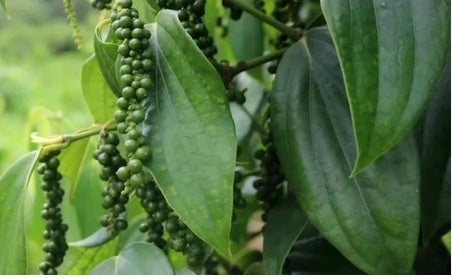 Kali Mirch Tree: Revealing the Spicy Secrets and Incredible Benefits of Natures Black Gold
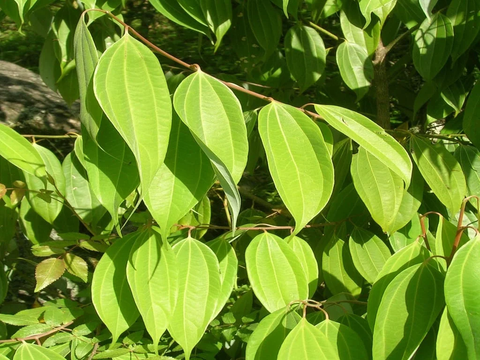 Indian Bay Tree: Nature's Aromatic Wonder for Health & Cuisine
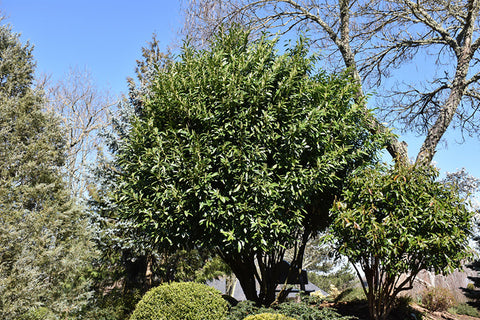 California Laurel Tree: Unlocking Nature's Aromatic Wonder
 Zanzibar Nutmeg Tree: Culinary Secrets & Sustainable Growing
 Kokam Tree: A Natural Tapestry of Excellence and Heritage


Leave a comment