
White Cedar Tree: Unlocking the Secrets of Nature's Timeless Treasure
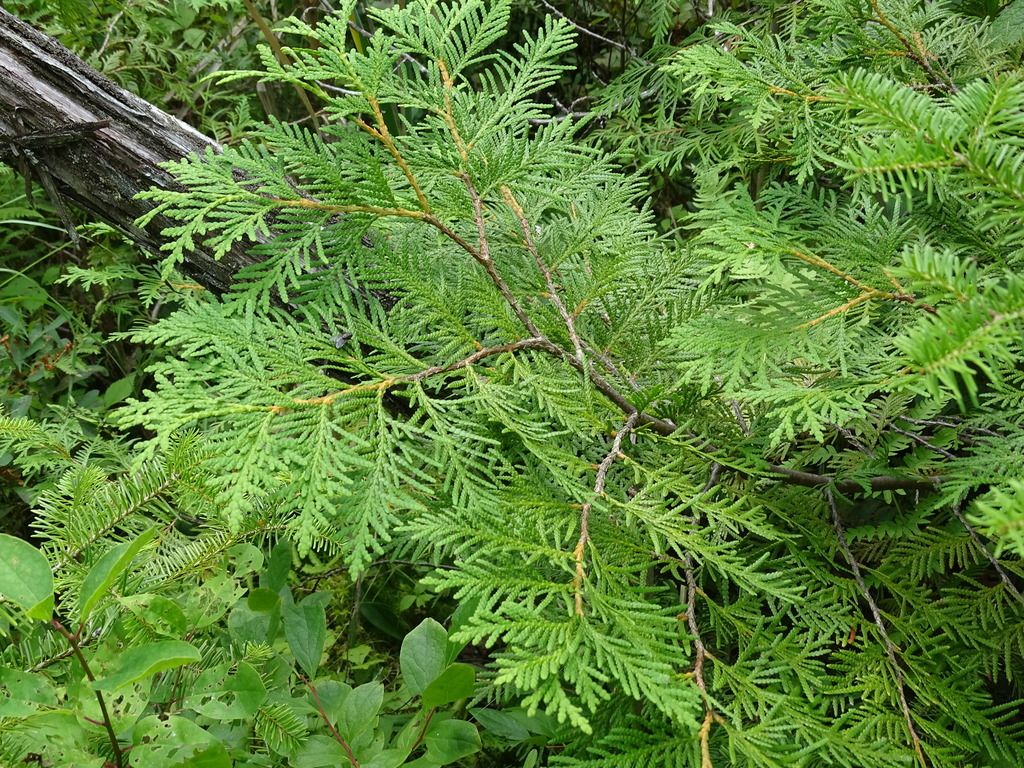
The White Cedar tree (Thuja occidentalis) is a long-lived North American evergreen renowned for its exceptional durability and ecological value. Some specimens live over 800 years, and the wood naturally resists decay and insects, making it remarkably hardy. The species thrives in wetlands and along riverbanks, where its deep roots control erosion and support critical biodiversity.
The White Cedar tree (Thuja occidentalis) stands as one of North America's most remarkable evergreen species, offering exceptional longevity, natural resistance to decay, and profound ecological value. This ancient guardian of the forest provides essential habitat, supports biodiversity, and contributes significantly to our planet's carbon sequestration efforts while serving as a cornerstone species in wetland ecosystems.
Scientific Classification and Remarkable Characteristics
The White Cedar belongs to the Cupressaceae family and can grow up to 50 feet tall, with a trunk diameter reaching up to 2 feet. Its distinctive foliage consists of flat, scale-like leaves that display a rich dark green color, creating the tree's characteristic lush appearance throughout the year.
The bark presents as thin and fibrous, naturally shedding in long, decorative strips. White Cedar trees demonstrate remarkable adaptability, thriving in various soil types while preferring moist, well-drained conditions. They commonly establish themselves in wetlands and along riverbanks where their root systems provide crucial erosion control.
One of the most extraordinary aspects of the White Cedar is its exceptional longevity. Some specimens are documented to live for over 800 years, positioning them among the oldest living trees in North America. The wood possesses natural resistance to decay and insects, making it highly valued for outdoor construction, fencing, and traditional boat building.
✅ Historical Significance and Cultural Heritage
The White Cedar tree has maintained a rich history deeply intertwined with indigenous peoples of North America. Native American tribes, particularly the Algonquin, have long revered this tree for its numerous practical applications and spiritual significance.
Traditional uses included crafting bark into canoes, while leaves and branches served in various medicinal preparations. The tree became a key component in constructing longhouses and other structures, demonstrating its importance in both practical and ceremonial contexts.
European settlers quickly recognized the White Cedar's exceptional value, leading to widespread harvesting for lumber throughout the 19th century. The tree became a construction industry staple, particularly in northeastern United States and Canada, where its rot resistance made it ideal for fences, shingles, and telephone poles.
⭐ Ecological Importance and Environmental Benefits
The White Cedar tree plays a crucial role in maintaining healthy ecosystems. It provides essential habitat and food sources for numerous wildlife species, including birds, mammals, and beneficial insects. The dense foliage offers protective shelter, while nutritious seeds serve as vital food sources for various creatures.
According to the United Nations Environment Programme on forests, trees like the White Cedar contribute significantly to biodiversity conservation and ecosystem stability. The tree's extensive root system helps stabilize soil and prevent erosion, particularly in sensitive wetland areas where soil protection is critical.
Beyond supporting biodiversity, the White Cedar serves as an important carbon sequestration agent. A mature specimen can absorb and store substantial amounts of carbon dioxide throughout its extended lifetime, making it an essential ally in combating climate change as outlined by the United Nations climate change initiatives.
💡 Fascinating Facts About White Cedar Trees
- Exceptional Longevity: Some White Cedar trees live over 800 years, ranking among Earth's oldest living organisms
- Aromatic Properties: Crushed leaves emit a pleasant, distinctive cedar fragrance
- Traditional Medicine: Indigenous peoples historically used various tree parts for treating respiratory ailments
- Natural Durability: The wood naturally resists decay, eliminating need for chemical treatments
- Sacred Symbolism: Many Native American cultures consider White Cedar sacred, representing protection and healing
- Climate Resilience: These trees withstand harsh weather conditions and temperature fluctuations
⚠️ Environmental Threats and Conservation Challenges
Despite numerous benefits, the White Cedar tree faces significant threats from habitat loss, climate change impacts, and invasive species competition. Urbanization and deforestation have caused substantial population declines in several regions, making conservation efforts increasingly critical.
The World Wildlife Fund highlights deforestation as a primary threat to forest ecosystems worldwide, emphasizing the urgent need for protective measures and restoration programs.
Climate change presents additional challenges through altered precipitation patterns, temperature shifts, and increased frequency of extreme weather events. These factors can stress White Cedar populations and disrupt their natural regeneration cycles.
→ Grow Billion Trees: Leading Conservation Through Action
At Grow Billion Trees, we recognize the White Cedar tree's exceptional value in achieving our mission to Plant a tree in your Name while working toward our goal of planting 100 crore trees across India. Our comprehensive approach includes specialized programs that incorporate native species knowledge and sustainable forestry practices.
Our 2-3ft Tree Planting + 3 Years Care + GeoTag program ensures each planted tree receives proper nurturing and monitoring. Through our innovative technology, supporters can track their tree's growth and witness their contribution to Combating Climate Change Through Collective Action.
We partner with communities, corporations, and individuals seeking to achieve Net Zero Targets through meaningful environmental action. For just ₹299, anyone can Plant a tree in your Name, contributing to large-scale reforestation efforts that create lasting environmental impact.
🌱 White Cedar in Modern Landscaping and Urban Forestry
Contemporary landscape architects and urban planners increasingly value White Cedar trees for their adaptability and low maintenance requirements. These trees excel in urban environments where air pollution and space constraints challenge other species.
Their natural pest resistance reduces the need for chemical interventions, supporting eco-friendly landscaping practices. The trees' year-round green foliage provides consistent visual appeal while contributing to air purification and temperature regulation in urban heat islands.
Property owners appreciate White Cedar's versatility in creating privacy screens, windbreaks, and ornamental focal points. The species adapts well to container growing, making it suitable for rooftop gardens and limited-space applications.
Sustainable Harvesting and Wood Products
When properly managed, White Cedar trees provide sustainable wood resources without compromising forest ecosystems. Selective harvesting practices allow mature trees to reproduce while maintaining forest canopy and habitat continuity.
The wood's natural preservative properties make it ideal for outdoor applications without chemical treatments. Common uses include decking, fencing, siding, and specialty products like cedar chests and aromatic closet linings.
Sustainable forestry certification programs ensure White Cedar products come from responsibly managed forests. These initiatives support both environmental conservation and economic opportunities for forest-dependent communities.
Further reading: Japanese Cedar Tree: Unlocking Timeless Beauty & Eco Benefits · Indian White Cedar Tree: Nature's Marvel with Incredible Benefits
Frequently Asked Questions
How fast do White Cedar trees grow?
White Cedar trees typically grow 12-24 inches per year under optimal conditions. Growth rates depend on soil quality, moisture levels, and climate conditions. Young trees establish quickly but growth slows as they mature.
What soil conditions do White Cedar trees prefer?
White Cedar trees thrive in moist, well-drained soils with pH levels between 6.0-8.0. They tolerate various soil types including clay, loam, and sandy soils, but perform best in consistently moist conditions.
Are White Cedar trees suitable for small yards?
Yes, dwarf and compact White Cedar varieties work well in smaller spaces. These cultivars maintain the species' characteristic appearance while reaching only 6-15 feet in height, making them perfect for residential landscapes.
Do White Cedar trees require special care?
White Cedar trees are relatively low-maintenance once established. They benefit from regular watering during dry periods, occasional pruning to maintain shape, and protection from strong winds in exposed locations.
Can White Cedar trees survive harsh winters?
White Cedar trees demonstrate excellent cold hardiness, surviving temperatures as low as -40°F. Their natural adaptations include waxy leaf coatings and flexible branches that bend rather than break under snow loads.
What wildlife benefits from White Cedar trees?
Numerous species depend on White Cedar trees including deer (browse foliage), birds (nesting sites and seeds), small mammals (shelter), and various insects (habitat). The trees support entire ecosystem food webs.
How long do White Cedar trees live?
White Cedar trees can live 200-800+ years under favorable conditions. Their exceptional longevity makes them valuable for long-term carbon storage and ecosystem stability, with some specimens documented at over 1,000 years old.
Are White Cedar trees fire-resistant?
While not completely fire-proof, White Cedar trees show moderate fire resistance due to their high moisture content and thick bark on mature specimens. However, they can be damaged by intense fires, particularly when young.
Can I grow White Cedar trees from seeds?
Yes, White Cedar trees can be grown from seeds, though the process requires patience. Seeds need cold stratification for 60-90 days before planting. Germination rates are typically 30-60%, and seedlings grow slowly initially.
What's the difference between White Cedar and other cedar species?
White Cedar (Thuja occidentalis) differs from other cedars through its scale-like leaves, fibrous bark, and preference for moist conditions. Unlike Western Red Cedar or Eastern Red Cedar, it belongs to the Thuja genus with distinct growth patterns and habitat preferences.
Supporting Global Reforestation Efforts
The White Cedar tree represents just one example of how strategic species selection contributes to successful reforestation programs. At Grow Billion Trees, we understand that achieving meaningful environmental impact requires combining traditional ecological knowledge with modern conservation science.
Our commitment extends beyond simple tree planting to encompass comprehensive ecosystem restoration. We work with local communities to identify appropriate native species, ensure proper planting techniques, and provide ongoing care that maximizes survival rates and ecological benefits.
Through partnerships with corporations, educational institutions, and individual supporters, we're building a global movement focused on Combating Climate Change Through Collective Action. Every tree planted contributes to a larger vision of environmental restoration and climate resilience.
The journey toward planting 100 crore trees requires dedication, expertise, and community support. By choosing to Plant a tree in your Name with Grow Billion Trees, you join thousands of environmental stewards working together to create lasting positive change for our planet's future. Discover how you can make a difference today and contribute to nature's timeless treasure preservation for generations to come.
Keep reading
 Japanese Cedar Tree: Unlocking Timeless Beauty & Eco Benefits
 Indian White Cedar Tree: Nature's Marvel with Incredible Benefits
 Fragrant Cedar Tree: Nature's Aromatic Wonder for Gardens
 Himalayan Cedar Tree: Unveiling the Secrets of Nature's Majestic Evergreen
 Spanish Cedar Tree: Ultimate Guide to Benefits, Uses & Care


Comments
Leave a comment