


Tree Felling Rules on Farmland: What Farmers and Companies Need to Know
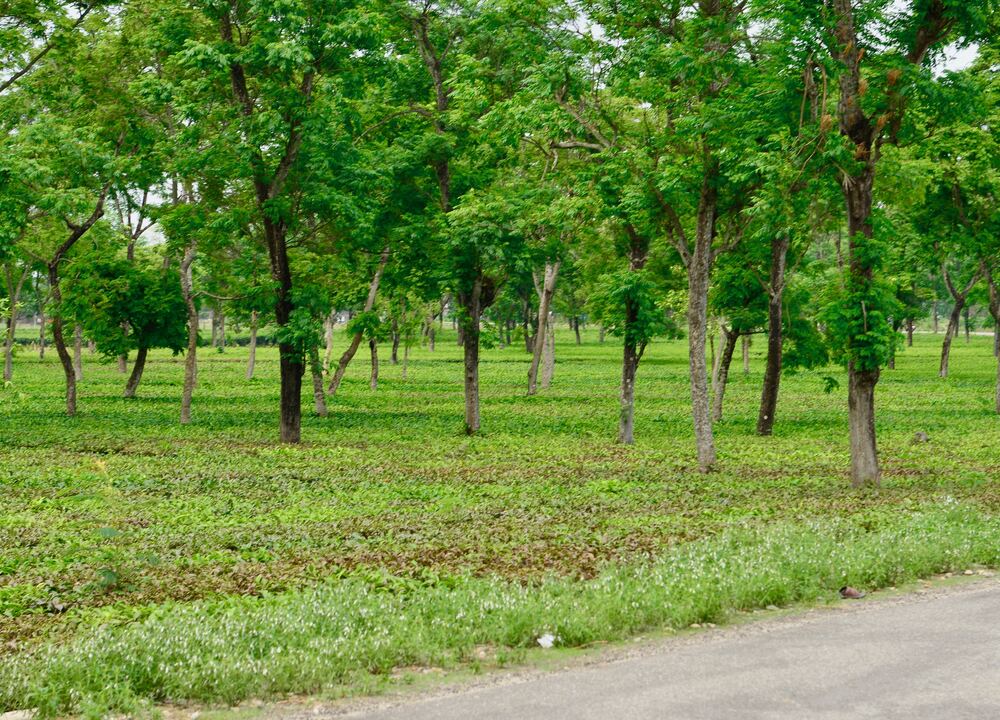
In June 2025 the Ministry of Environment, Forest and Climate Change issued Model Rules for Felling of Trees in Agricultural Lands for states to adopt. Farmers register trees on the National Timber Management System with geo-tagged data; felling up to 10 trees can be self-declared for an automatic NOC, while more than 10 needs verification by an empanelled agency.
One of the biggest reasons farmers in India hesitate to plant timber trees is the fear that they will not be allowed to cut and sell them. Rules on felling and transporting trees grown on private farmland have differed from state to state and have often been complicated. In 2025 the central government proposed a simpler, common approach.
The Model Rules in brief
- Issued by the Ministry of Environment, Forest and Climate Change in June 2025, as model rules for States and Union Territories to adopt or adapt.
- Aim to simplify registration, felling and transport of trees grown on agricultural land, promote agroforestry, raise farm incomes and reduce pressure on natural forests.
- Use the National Timber Management System (NTMS), an online portal where farmers register plantations and apply for felling permission.
How it works for a farmer
- Register the plantation on the NTMS portal, with land details, species, number of trees, geo-tagged photographs and a KML boundary.
- When ready to fell, apply on the portal.
- Up to 10 trees: the farmer can self-declare and receive an automated no-objection certificate.
- More than 10 trees: the trees are physically verified by an empanelled agency before permission is issued.
A State Level Committee, the one already set up under the Wood-Based Industries (Establishment and Regulation) Guidelines, 2016, oversees the rules in each state.
Important: check your state
These are model rules. They apply in a state only once it adopts them, and states may adapt them. Many states also already exempt common farm species from felling or transit permits. Before planting for timber, check the current rules of your state forest department for your species.
What this means for agroforestry
- Registration from day one will matter. Plantations recorded with locations, species and photographs from planting will be easiest to register and fell.
- Timber species become a safer bet where states adopt simple rules, improving the long-term income case for farmers.
- Companies funding agroforestry should agree with farmers, in writing, that the trees belong to the farmers and can be harvested, and should support the paperwork.
How we work with farmers
We plant fruit and timber trees with farmers, who can earn up to 3× income from them over time. Every tree is geo-tagged and photographed from planting, the kind of record these rules rely on. See our agroforestry programmes, how farmers earn with us or register your land.
Sources: Model Rules for Felling of Trees in Agricultural Lands (PIB) · All India Radio: model rules for tree felling on farmland · EAC-PM working paper on agroforestry. Last updated: October 2026. Rules change; check the latest notification before you rely on any detail.
Further reading: Green Credit Programme 2026: How Tree Plantation Green Credits Work · India's Carbon Market (CCTS): Can Tree and Mangrove Projects Earn Carbon Credits?
Frequently Asked Questions
Do I need permission to cut trees on my own farmland?
It depends on your state and the species. Under the 2025 Model Rules, once adopted by a state, farmers register trees on the National Timber Management System and apply there to fell them.
What is the National Timber Management System?
An online portal where farmers register plantations on agricultural land with geo-tagged photographs and KML boundaries, apply for felling permission and track applications.
How many trees can be felled by self-declaration?
Under the Model Rules, up to 10 trees can be self-declared for an automated no-objection certificate. Felling more than 10 trees needs physical verification by an empanelled agency.
Do the Model Rules apply in every state?
No. They are model rules for States and Union Territories to adopt or adapt. Check your state forest department's current rules.
Keep reading
 Green Credit Programme 2026: How Tree Plantation Green Credits Work
 India's Carbon Market (CCTS): Can Tree and Mangrove Projects Earn Carbon Credits?
 CSR Tree Plantation Under Schedule VII: A Compliance Checklist for 2026
 Green Credits vs Carbon Credits vs CSR vs BRSR: Which Applies to Your Company?
 Nagar Van Yojana: How Companies Can Partner on Urban Forests


Leave a comment