Semal Tree: Exploring the Majestic Silk Cotton Giant for Health, Culture, and Environmental Wonders

Semal Tree: Exploring the Majestic Silk Cotton Giant for Health, Culture, and Environmental Wonders

October 2, 2025

Nature often hides its treasures in plain sight, and the Semal Tree (Bombax ceiba), also known as the Red Silk Cotton Tree, is a prime example. Towering with elegance, this tree is celebrated for its striking flowers, cultural significa Read more

Trees for Corporates - Achieve Net Zero Targets Through Strategic Tree Planting

1 of 5

Semal Tree: Exploring the Majestic Silk Cotton Giant for Health, Cultu

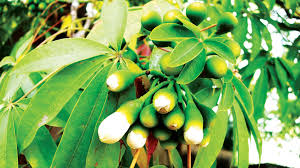
Nature often hides its treasures in plain sight, and the Semal Tree (Bombax ceiba), also known as the Red Silk Cotton Tree, is a prime example.

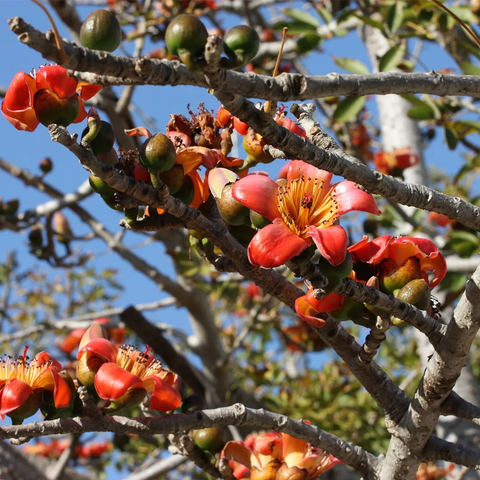
Towering with elegance, this tree is celebrated for its striking flowers, cultural significance, medicinal benefits, and ecological contributions. Known as “Shalmali” in Ayurveda, the Semal Tree is revered across Asia and beyond for its multifaceted utility.

Let’s dive into the vibrant world of the Semal Tree, exploring its historical roots, medicinal properties, environmental importance, and fun facts.


What is the Semal Tree? 🌳

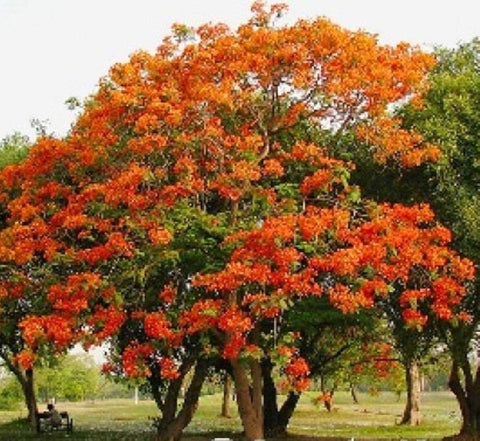
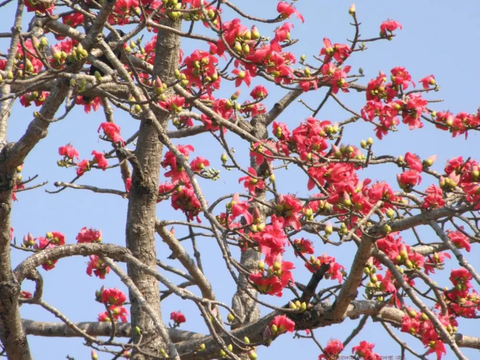
The Semal Tree, a deciduous tropical tree, belongs to the Malvaceae family. Native to South Asia, it thrives in warm climates and is easily recognized by its bright red or orange blossoms that bloom in early spring.

Standing tall at up to 30 meters, this majestic tree is a favorite among birds, bees, and humans alike.

Scientific Classification:

  • Kingdom: Plantae
  • Family: Malvaceae
  • Genus: Bombax
  • Species: Bombax ceiba

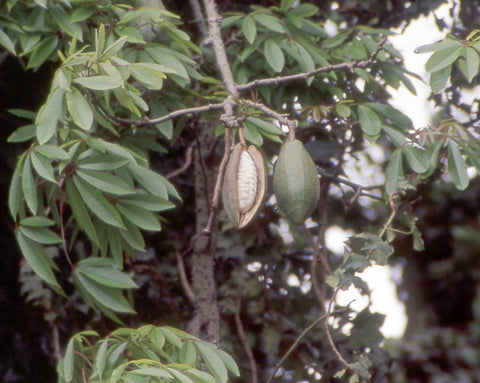
Semal is often called the Silk Cotton Tree because its seed pods release fluffy cotton-like fibers used in pillows and cushions. But beyond its practical uses, this tree holds immense cultural and medicinal value.


Historical and Cultural Significance

The Semal Tree has deep roots in ancient traditions. In Indian mythology, it is considered sacred and often associated with Lord Vishnu. It is mentioned in the Ramayana and Mahabharata, signifying its cultural importance.

In tribal communities, the tree symbolizes resilience and fertility. Its wood has historically been used to craft dhows, boats, and musical instruments, showcasing its versatility.

Fun Fact:

In some cultures, Semal flowers are considered harbingers of spring, marking the renewal of life and energy in nature.


Medicinal Properties of the Semal Tree 🩺

The Semal Tree is a treasure trove of medicinal benefits. Every part of the tree—flowers, bark, roots, and seeds—has therapeutic uses, making it a cornerstone in Ayurveda and traditional medicine.

Key Health Benefits:

  1. Wound Healing: The bark is used to treat cuts and wounds, speeding up healing while preventing infections.
  2. Digestive Health: Semal root extracts improve digestion, relieve diarrhea, and combat bloating.
  3. Immunity Booster: Rich in antioxidants, the tree’s flowers enhance immunity and combat free radicals.
  4. Skin Health: The paste made from Semal flowers treats skin infections, acne, and rashes.
  5. Anti-inflammatory: The gum of the Semal Tree reduces inflammation and joint pain, offering natural relief.

Scientific Validation:

Research published in the Journal of Ethnopharmacology highlights the antimicrobial and anti-inflammatory properties of Bombax ceiba, validating its traditional uses in treating infections and chronic conditions.


Environmental Importance 🌍

The Semal Tree is not just a treat for the eyes; it plays a vital role in the ecosystem. Its dense foliage and flowers attract pollinators like bees, butterflies, and birds, supporting biodiversity.

Ecological Contributions:

  • Soil Health: The Semal Tree’s deep roots prevent soil erosion and improve soil fertility.
  • Carbon Sequestration: Like all trees, it absorbs carbon dioxide, helping combat climate change.
  • Wildlife Habitat: Its sprawling branches provide shelter to birds and small mammals, making it a keystone species in its habitat.

Fun Fact:

Semal Tree seed pods release fluffy, silk-like fibers that are lightweight and hypoallergenic, used for eco-friendly insulation and padding.


Semal Tree in Modern Research

Modern science is rediscovering the wonders of the Semal Tree. Studies are exploring its potential in developing natural remedies for diabetes, hypertension, and chronic inflammation.

Promising Discoveries:

  • Anti-diabetic Properties: Preliminary research shows that extracts from the tree’s bark can regulate blood sugar levels.
  • Antioxidant Effects: The flowers are being studied for their ability to neutralize oxidative stress, which is linked to aging and diseases.
  • Anti-microbial Potential: The tree’s bioactive compounds have shown effectiveness against bacterial and fungal infections.

These findings position the Semal Tree as a promising candidate for future herbal medicines and supplements.


Cultural Rituals and Symbolism

The Semal Tree holds spiritual significance across various cultures. In India, it is often planted near temples and considered a tree of life. Its flowers are used in rituals and festivals, symbolizing prosperity and renewal.

In some tribal traditions, the Semal Tree is regarded as a fertility symbol, and its wood is used to carve ceremonial totems. Its cotton-like fibers are also woven into cultural textiles, reflecting its deep-rooted connection to human life.


Practical Uses of the Semal Tree

  1. Silk Cotton Fiber: The fluffy fibers from its seed pods are used in pillows, mattresses, and quilts.
  2. Timber: The wood is lightweight and used in crafting boats, matchsticks, and furniture.
  3. Natural Gum: The gum exuded from its bark is used as a natural adhesive and in herbal medicines.
  4. Traditional Dyes: Its flowers are used to produce natural red dye.

These applications highlight the Semal Tree’s versatility and contribution to sustainable living.


Threats and Conservation

Despite its ecological and cultural importance, the Semal Tree faces threats from deforestation and urbanization. Its habitat is shrinking due to logging and land use changes, calling for urgent conservation efforts.

Conservation Tips:

  • Plant Semal Trees in urban green spaces to restore biodiversity.
  • Promote its use in traditional crafts and sustainable products to support local economies.
  • Educate communities about its ecological and medicinal importance to encourage preservation.

Fun Fact:

The Semal Tree is often referred to as the “Sleeping Tree” in folklore because it sheds its leaves before blooming, creating the illusion of dormancy.


How to Harness the Benefits of the Semal Tree

  1. Health Remedies: Use dried flower powder to make herbal teas or apply bark paste for skin ailments.
  2. Gardening: Plant Semal Trees in backyards or community spaces to enjoy their shade, flowers, and ecological benefits.
  3. Crafts: Explore its cotton fibers for eco-friendly DIY projects.

Conclusion

The Semal Tree (Bombax ceiba) is a majestic symbol of nature’s abundance, blending beauty, utility, and sustainability. From its vibrant flowers to its eco-friendly fibers and medicinal bark, it offers something for everyone.

As modern science reaffirms its traditional uses, the Semal Tree serves as a reminder of the treasures hidden in nature. Let’s celebrate and conserve this silk cotton giant, ensuring its wonders enrich lives for generations to come. 🌳

  • 👥 Corporates

    If you are looking for:

    • 🌲 Tree Plantation Events
    • 📊 CSR Projects

    📧 corporate@growbilliontrees.com

    📞 +91 9699723523

    💬 +91 9325931304 WhatsApp (Only)

    🕒 Mon - Sat | 10am - 7pm IST

  • 🧩 Tree Plantation NGOs

    If you are looking for:

    • 💰 Financial Assistance
    • 🤝 Operational Support

    📧 support@growbilliontrees.com

    📞 +91 9699723523

    💬 +91 9325931304 WhatsApp (Only)

    🕒 Mon - Sat | 10am - 7pm IST

  • 🌼 Individuals

    If you are looking for:

    • 👥 Group Tree Plantation Drive
    • 🌳 Bulk Tree Plantation

    📧 care@growbilliontrees.com

    📞 +91 9699723523

    💬 +91 9325931304 WhatsApp (Only)

    🕒 Mon - Sat | 10am - 7pm IST