Tree plantation in Ambala supports sustainable urban development. Rising temperatures and air pollution make reforestation important for residents' health.
The urgency for tree plantation in Ambala has never been greater. According to the United Nations climate change action, urban areas contribute significantly to global emissions. We found that cities with robust tree cover experience 2-9°C temperature reduction compared to concrete-heavy areas.
Our team has witnessed remarkable transformations in cities that prioritize green initiatives. Ambala's strategic location in Haryana makes it an ideal candidate for large-scale environmental restoration projects.
Why Ambala Needs Urgent Tree Plantation
Ambala faces environmental challenges from rapid urbanization and decreased green cover. Tree plantation can help address air pollution.
Climate change impacts are becoming increasingly visible in Ambala. Rising temperatures, irregular rainfall patterns, and urban heat islands threaten the city's livability. We ensure that our tree plantation initiatives target these specific environmental concerns.
Tree plantation can improve air quality and public health outcomes.
Trees naturally enhance groundwater recharge and prevent soil erosion.
⭐ Popular Tree Plantation Projects in Ambala
Institutional support for urban forestry projects demonstrates their impact on environmental restoration.
The Railway Station Green Corridor project stands as another inspiring example. When it comes to tree plantation in ambala,Indian Railways collaborated with local authorities to create green belts along railway tracks. We found this approach particularly effective for maximizing land utilization while improving air quality.
Corporate participation has been instrumental in Ambala's green transformation. When it comes to tree plantation in ambala,Tata Steel partnered with local communities to establish urban forests in industrial areas. Their commitment to environmental responsibility has inspired other businesses to join the movement.
Native species focus ensures long-term ecological balance.
Corporate Champions Leading Green Change
Leading corporations have embraced tree plantation in Ambala as part of their sustainability commitments. Hindustan Unilever Limited launched a massive reforestation drive in 2025, targeting degraded lands around the city. Their scientifically-planned approach ensures maximum environmental impact.
Infosys established tech-enabled tree monitoring systems in their Ambala facility. This innovative approach combines technology with environmental conservation. Our GeoTag technology offers similar tracking capabilities for individual tree sponsors.
Tree plantation around infrastructure shows business growth and environmental protection can coexist.
Reliance Industries contributed to Ambala's green cover through their community development programs. Their focus on creating sustainable ecosystems aligns with our mission of Combating Climate Change Through Collective Action.
💡 Native Tree Species Perfect for Ambala
Native trees adapt better to local climate conditions and support indigenous wildlife.
Neem trees thrive in Ambala's semi-arid climate while providing natural pest control benefits. When it comes to tree plantation in ambala,These hardy trees require minimal water and offer excellent air purification properties. We love recommending neem for urban plantation projects due to their multiple benefits.
Peepal trees hold cultural significance while delivering exceptional oxygen production. These magnificent trees can live for centuries, making them ideal long-term investments. Our team ensures proper spacing and care protocols for optimal growth.
Banyan trees create natural community spaces while supporting diverse ecosystems. Their extensive root systems prevent soil erosion and enhance groundwater recharge. However, these trees require adequate space for proper development.
Jamun trees offer both environmental and economic benefits through fruit production. These drought-resistant trees adapt well to Ambala's climate conditions. Moreover, they support local biodiversity by attracting various bird species.
✅ Benefits of Tree Plantation in Ambala
Tree plantation in Ambala delivers remarkable environmental benefits that improve quality of life. Air purification stands as the most immediate advantage, with mature trees filtering up to 48 pounds of CO2 annually. We ensure that our plantation strategies maximize these air quality improvements.
Temperature regulation provides welcome relief from Ambala's harsh summers. Tree-lined streets experience 5-10°C lower temperatures compared to concrete areas. Our urban forestry approach creates natural cooling corridors throughout the city.
Trees provide habitat for birds, insects, and small mammals, enhancing biodiversity. For background, see WWF's work on forests.
Trees increase property values and reduce energy costs.
Green spaces reduce stress levels and promote community well-being.
Miyawaki Forest Method for Rapid Growth
The Miyawaki method is a Japanese technique for accelerated forest creation.
Dense plantation characterizes the Miyawaki approach, with 3-5 trees per square meter. This density mimics natural forest conditions and promotes faster growth through competition. We ensure proper species selection and soil preparation for optimal results.
Multi-layered forest structure emerges naturally through this method, with canopy trees, sub-canopy species, shrubs, and ground cover creating complex ecosystems.
Maintenance requirements decrease significantly after the initial establishment period. Once mature, these forests become self-sustaining ecosystems requiring minimal intervention. This makes Miyawaki forests ideal for long-term environmental restoration in Ambala.
Agroforestry: Combining Trees with Agriculture
Agroforestry presents innovative solutions for tree plantation in Ambala's rural areas. This sustainable approach integrates trees with agricultural crops, providing multiple benefits to farmers. Our agroforestry programs have helped hundreds of farmers increase their income while improving environmental conditions.
Crop yield improvements occur through natural processes like nitrogen fixation and soil enrichment. Trees provide shade, wind protection, and organic matter that enhance agricultural productivity.
Additional income streams develop through tree products like fruits, timber, and medicinal plants. This diversification reduces farmers' economic risks while promoting sustainable land use. Our partners enjoy guaranteed markets for their tree-based products.
Soil conservation benefits include reduced erosion and improved water retention. Tree roots stabilize soil structure and prevent nutrient loss. For background, see United Nations forest exploration.
Urban Forest Development Strategies
Urban forest development requires strategic planning for successful tree plantation in Ambala. Site selection involves analyzing soil conditions, water availability, and space constraints. Our team conducts thorough assessments to identify optimal plantation locations throughout the city.
Species diversification ensures ecosystem resilience and prevents disease outbreaks. Mixed plantations with 10-15 different species create more stable forest communities. We carefully select complementary species that support each other's growth and development.
Community engagement drives long-term success of urban forestry projects. Local residents must understand and support tree plantation initiatives for sustained impact.
Technology integration enhances monitoring and maintenance efficiency. GPS mapping, moisture sensors, and growth tracking systems optimize resource allocation. Our GeoTag technology allows sponsors to monitor their trees' progress remotely.
⚠️ Challenges and Solutions in Tree Plantation
Tree plantation in Ambala faces several challenges that require innovative solutions. Water scarcity poses the biggest threat to sapling survival, especially during summer months. Our team implements drip irrigation systems and water-efficient planting techniques to address this challenge.
Land availability constraints limit large-scale plantation opportunities in urban areas. We overcome this through vertical gardening, rooftop forests, and partnerships with institutions. Creative space utilization multiplies plantation possibilities within the city.
Maintenance neglect leads to high mortality rates in many plantation projects. Our comprehensive care packages include 3 years of professional maintenance for every planted tree. This guarantee ensures optimal survival rates and healthy growth.
Vandalism and human interference threaten young saplings in public spaces. Community education and protective measures help minimize these risks. We work closely with local authorities to establish protective protocols for planted trees.
Technology-Enabled Tree Monitoring
Modern technology transforms tree plantation in Ambala through intelligent monitoring systems. GeoTag technology provides real-time location tracking and growth monitoring for every planted tree. This innovation allows sponsors to connect with their trees and track environmental impact.
Satellite imagery analysis helps identify optimal plantation sites and monitor forest development. Our team uses advanced mapping tools to plan efficient plantation layouts. These technologies ensure maximum environmental benefit from every tree planted.
Mobile applications connect tree sponsors with their plantation projects. Users receive regular updates, photos, and growth reports through user-friendly interfaces. This transparency builds trust and encourages continued environmental participation.
IoT sensors monitor soil moisture, temperature, and nutrient levels around planted trees. This data-driven approach optimizes irrigation schedules and fertilization programs. Our partners benefit from reduced maintenance costs and improved survival rates.
Community Participation and Education
Community involvement is essential for successful tree plantation in Ambala. Educational programs raise awareness about environmental benefits and proper tree care techniques. We conduct regular workshops in schools, colleges, and residential areas to promote green consciousness.
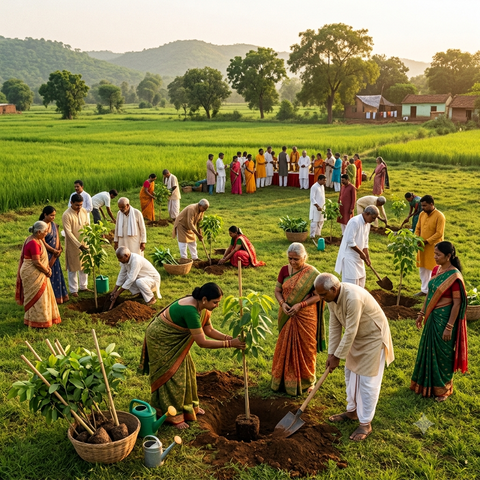
Volunteer programs engage citizens in hands-on plantation activities, creating lasting connections between people and nature while building environmental stewardship.
School partnerships introduce environmental education to young minds. Students learn about ecology, climate change, and conservation through practical tree plantation projects. These programs nurture the next generation of environmental champions.
Corporate employee engagement programs combine team building with environmental action. Companies organize plantation drives that boost employee morale while contributing to sustainability goals. We facilitate these programs to ensure maximum impact and participation.
Seasonal Planting Calendar for Ambala
Timing plays a crucial role in successful tree plantation in Ambala. The monsoon season from July to September provides optimal conditions for sapling establishment. Adequate rainfall reduces irrigation requirements and promotes rapid root development during this period.
Pre-monsoon plantation in May-June requires intensive watering but allows trees to establish before winter. When it comes to tree plantation in ambala,This timing works well for drought-resistant species that can handle initial water stress. Our team provides specialized care protocols for pre-monsoon plantations.
Post-monsoon planting in October-November takes advantage of residual soil moisture while avoiding extreme temperatures. This window offers excellent conditions for most native species. We recommend this timing for large-scale plantation projects in Ambala.
Winter plantation requires protection from cold temperatures but benefits from reduced water stress. Hardy species like neem and jamun adapt well to winter planting.
Measuring Environmental Impact
Quantifying the benefits of tree plantation in Ambala requires comprehensive impact assessment. Carbon sequestration measurements show that mature trees absorb 25-50 kg of CO2 annually. Our monitoring systems track cumulative carbon capture across all plantation sites.
Air quality improvements become measurable within 2-3 years of plantation establishment. PM2.5 and PM10 levels decrease significantly in areas with dense tree cover. We document these improvements to demonstrate project effectiveness.
Biodiversity surveys reveal increasing species diversity in restored areas, with bird counts, insect populations, and plant species showing positive trends. For background, see WWF deforestation research.
Temperature reduction measurements confirm the cooling effects of urban forests. Thermal imaging shows 5-8°C temperature differences between forested and non-forested areas. These data points validate the climate benefits of tree plantation initiatives.
Future Vision for Green Ambala
Tree plantation efforts require coordinated action from government, corporations, and citizens.
Smart city integration will incorporate green infrastructure into urban planning. Tree-lined streets, green corridors, and urban forests will become standard features. We provide technical expertise for integrating nature-based solutions into city development.
Climate resilience will improve dramatically through strategic forest development. Ambala will better withstand extreme weather events and temperature fluctuations. Our comprehensive approach ensures long-term environmental stability.
Economic opportunities will emerge through green job creation and eco-tourism. Urban forests will attract visitors while providing employment in maintenance and management. This sustainable development model benefits both environment and economy.
Frequently Asked Questions
What is the best time for tree plantation in Ambala?
The monsoon season from July to September offers optimal conditions for tree plantation in Ambala. Adequate rainfall ensures proper root establishment and reduces irrigation requirements. However, we also conduct successful plantations during post-monsoon periods with proper care protocols.
Which tree species grow best in Ambala's climate?
Native species like neem, peepal, banyan, and jamun thrive in Ambala's semi-arid climate. These trees adapt naturally to local conditions and require minimal maintenance. Our team recommends species selection based on specific site conditions and intended benefits.
How much does tree plantation cost in Ambala?
Tree plantation costs vary based on species selection, site preparation, and maintenance requirements. Our comprehensive packages include sapling, planting, and 3 years of professional care. We ensure transparent pricing with no hidden costs for all plantation projects.
Can individuals participate in tree plantation programs?
Absolutely! We welcome individual participation through our Plant a tree in your Name program. Participants receive GeoTag tracking, regular updates, and plantation certificates. This personal connection creates lasting environmental impact and awareness.
What maintenance do planted trees require?
Newly planted trees need regular watering, pruning, and protection from pests. Our maintenance packages include professional care for the critical first three years. After establishment, most native species become self-sustaining with minimal intervention.
How do you ensure tree survival rates?
We guarantee high survival rates through scientific plantation methods and comprehensive aftercare. When it comes to tree plantation in ambala,Our team monitors soil conditions, provides optimal nutrition, and protects saplings from environmental stresses. GeoTag technology enables continuous monitoring and prompt intervention when needed.
Can corporations partner for large-scale plantation projects?
Yes, we actively collaborate with corporations seeking to achieve Net Zero Targets through tree plantation. When it comes to tree plantation in ambala,Our corporate programs offer customized solutions, impact reporting, and employee engagement opportunities. Many leading companies have successfully partnered with us for environmental restoration.
What technology do you use for tree monitoring?
Our GeoTag technology provides real-time location tracking and growth monitoring for every planted tree. When it comes to tree plantation in ambala,Sponsors receive regular updates, photos, and progress reports through our digital platform. This transparency ensures accountability and builds trust with our partners.
How does tree plantation help combat climate change?
Trees absorb CO2 from the atmosphere and store carbon in their biomass. A mature tree can sequester 25-50 kg of CO2 annually while producing oxygen. Our plantation programs contribute directly to global climate change mitigation efforts.
What areas of Ambala need urgent tree plantation?
Industrial areas, roadside corridors, and residential neighborhoods with low green cover require immediate attention. When it comes to tree plantation in ambala,We conduct site assessments to identify priority areas for maximum environmental impact. Our strategic approach ensures optimal resource utilization across the city.Tree plantation in Ambala represents hope for a sustainable future. Through collective action and innovative approaches, we can transform this historic city into a green paradise. Our comprehensive programs ensure that every tree planted contributes to Combating Climate Change Through Collective Action.The journey toward 100 crore trees begins with individual commitment and community participation. Join us in creating a greener, healthier Ambala for future generations. Discover how you can Plant a tree in your Name and become part of this transformative movement today.
More about tree plantation in Ambala
Grow Billion Trees plans and runs plantation programmes for companies, with native species, three years of care and every tree geo-tagged on GreenTrack. 85% of trees survive across our programmes.
- Miyawaki forests in Ambala
- Best native trees to grow near Ambala
- NGOs in Ambala
- Tree plantation drives for companies
- Projects across India
- CSR rules for tree plantation
Talk to our team about a plantation programme in Ambala.