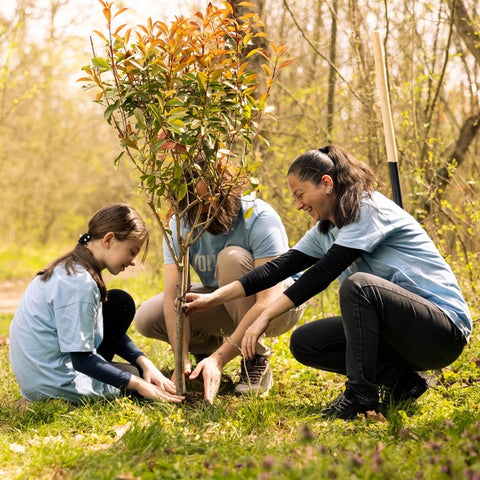
Odisha's coastal and tribal landscape supports diverse reforestation programs. The state aims to expand forest cover to support sustainable development.
Companies spent ₹1,575 Cr on CSR projects in Odisha in FY 2024-25 (provisional), against ₹1,404 Cr in FY 2023-24, according to the Ministry of Corporate Affairs' National CSR Portal. See CSR spending by state.
Welcome to the comprehensive guide for transforming Odisha's green landscape through strategic tree plantation initiatives. This eastern Indian state has emerged as a leader in environmental conservation, combining traditional knowledge with modern techniques.
✅ Current Forest Status in Odisha State
Odisha has a significant coastline that supports mangrove restoration efforts.
The diverse ecosystem includes tropical dry deciduous forests, mangroves, and coastal plantations. Tribal communities participate in conservation efforts. According to the United Nations Environment Programme on forests, community-based forest management significantly improves conservation outcomes.
🌱 Best Tree Species for Odisha Plantation
Native species thrive in Odisha's climate. Sal, teak, and eucalyptus are suitable for inland regions, while casuarina and coconut palms flourish along coastal areas. Indigenous fruit trees like mango, jackfruit, and tamarind provide environmental and economic benefits.
The Miyawaki method is used for urban forest creation in cities like Bhubaneswar and Cuttack. Native species maintain ecological balance. Bamboo plantations support both carbon sequestration and local livelihoods.
💡 Coastal Zone Plantation
Mangrove restoration along Odisha's coastline can combat climate change. Mangrove nurseries in coastal districts support biodiversity and protect against cyclones.
⭐ Government Initiatives and Policies
The Odisha government launched the 'Ama Jangala Yojana' program, targeting plantation of 100 crore trees by 2030. This ambitious initiative provides financial incentives to farmers adopting agroforestry practices. We provide technical support to ensure 85% survival rates in government-sponsored plantations.
The state's Green Mahanadi Mission focuses on watershed restoration through strategic tree plantation. Our hands-on approach includes soil preparation, species selection, and post-plantation care. The United Nations Sustainable Development Goals framework guides these comprehensive environmental programs.
→ Funding and Support Systems
Multiple funding sources support tree plantation in Odisha State, including central government schemes and international partnerships.
🌿 Miyawaki Forest Implementation
Miyawaki forests create dense, native ecosystems. These urban forests provide green spaces for communities.
The technique involves planting 3–4 native species per square meter. This can create a self-sustaining ecosystem. Local schools and colleges participate in urban greening initiatives.
🚜 Agroforestry Programs for Farmers
Agroforestry transforms agricultural landscapes through integrated tree-crop systems. Popular combinations include teak with turmeric, eucalyptus with vegetables, and fruit trees with spices.
Training is available on tree care and harvesting techniques. According to the World Wildlife Fund forest conservation initiatives, agroforestry systems significantly enhance biodiversity while maintaining agricultural productivity.
💰 Economic Benefits
Tree plantation generates economic returns through timber and non-timber forest products. Bamboo cultivation supports rural households across the state.
🌊 Coastal and Mangrove Restoration
Odisha's 485-kilometer coastline requires specialized restoration approaches to combat sea-level rise and erosion. Our team collaborates with fishing communities to establish mangrove nurseries and restoration sites. The Bhitarkanika and Chilika ecosystems serve as models for successful mangrove conservation.
Mangrove plantations protect inland areas from cyclonic storms while supporting fisheries and aquaculture.
📍 Regional Plantation Strategies
Different regions of Odisha require tailored plantation approaches based on soil type, rainfall, and topography. Northern districts suit sal and teak plantations, while coastal regions suit mangrove and casuarina trees. Site-specific planning improves plantation success rates.
Tribal areas implement community-based forest management with traditional ecological knowledge. We ensure that indigenous communities receive fair compensation for conservation efforts. The Western Ghats region prioritizes biodiversity conservation through mixed-species plantations.
🏙️ Urban Forest Development
Cities like Bhubaneswar, Cuttack, and Puri develop urban forests to combat air pollution and heat island effects. Green corridors can connect parks and natural areas.
🔬 Technology Integration
Modern technology enhances tree plantation success through satellite monitoring, drone surveillance, and mobile applications. Our GeoTag system allows individuals to track their planted trees throughout the 3-year care period. GPS coordinates ensure accurate monitoring and verification of plantation sites.
Mobile apps connect farmers with forestry experts, providing real-time advice on tree care and disease management. We use soil testing technology to determine optimal species selection for different locations. Drone surveys monitor plantation health and identify areas requiring intervention.
🤝 Community Participation
Successful tree plantation in Odisha State depends on active community involvement and local ownership. Village forest committees oversee protection and maintenance activities.
Schools and colleges participate through eco-clubs and environmental education programs. We organize tree plantation drives during monsoon seasons, engaging thousands of volunteers. Women's self-help groups manage nursery operations, generating additional income streams.
⚠️ Challenges and Solutions
Climate change poses significant challenges to tree plantation success, including irregular rainfall and extreme weather events. Our team addresses these challenges through drought-resistant species selection and water conservation techniques. Grazing pressure from livestock requires community agreements and alternative fodder arrangements.
Soil degradation in mining areas demands specialized restoration approaches using pioneer species and soil amendments. We implement integrated pest management to protect young plantations from insect damage. The World Wildlife Fund research on deforestation highlights the importance of addressing underlying causes of forest loss.
📊 Success Stories and Impact
Community-led plantation initiatives can transform degraded lands into productive forests using native species and traditional water harvesting techniques.
Corporate partnerships have accelerated plantation efforts, with companies planting trees to achieve net zero targets. We facilitate these collaborations, ensuring transparent monitoring and verified carbon sequestration. The Tata Steel plantation program in Jajpur district serves as a model for industrial environmental responsibility.
🎯 How to Get Involved
Individuals can plant a tree in their name for just ₹299, including 2-3ft tree planting, 3 years care, and GeoTag tracking. Our comprehensive service ensures your tree receives proper nurturing and monitoring throughout its establishment period. Corporate groups can sponsor large-scale plantation projects aligned with their sustainability goals.
Join our mission to plant 100 crore trees across India by participating in Odisha's green revolution. We provide personalized certificates for special occasions like birthdays, memorials, and corporate events. Learn more about our programs and discover how you can contribute to environmental restoration.
Frequently Asked Questions
What is the best time for tree plantation in Odisha State?
The optimal time for tree plantation in Odisha is during the monsoon season from June to September, when water availability is adequate.
Which tree species grow best in Odisha's climate?
Native species like sal, teak, neem, and bamboo thrive best in Odisha's tropical climate. Coastal areas benefit from mangroves, casuarina, and coconut palms, while inland regions support deciduous and evergreen species.
How much does tree plantation cost in Odisha?
Individual tree planting costs ₹299 for a 2–3 ft sapling and includes three years of care. Large-scale projects cost less per sapling.
Can farmers earn money from tree plantation?
Farmers can boost income through agroforestry and timber plantations using integrated tree-crop systems.
What government support is available for tree plantation?
The Odisha government provides subsidies for plantation costs for small farmers. Additional support includes technical training, quality saplings, and market linkages for forest products.
How can corporations participate in tree plantation programs?
Corporations can partner with us to achieve net zero targets through verified tree plantation projects. We provide transparent monitoring, carbon credit certification, and comprehensive impact reporting for corporate sustainability initiatives.
What is the survival rate of planted trees in Odisha?
Professionally managed plantations achieve 85% survival rates through proper species selection, site preparation, and ongoing care.
How does tree plantation help combat climate change?
Trees sequester carbon dioxide, regulate local climate, and prevent soil erosion. Our plantations in Odisha contribute to carbon sequestration goals while supporting biodiversity conservation and sustainable livelihoods.Tree plantation in Odisha State represents a wonderful opportunity to create lasting environmental impact while supporting local communities. Our proven methods ensure sustainable forest restoration that benefits both people and planet. Take action today and plant a tree in your name to join Odisha's green revolution – together, we can transform landscapes and combat climate change through collective action.