Mangrove Baratang offers a breathtaking journey through nature's most remarkable ecosystems, where ancient limestone caves meet thriving mangrove forests. This extraordinary destination in the Andaman Islands showcases the perfect harmony between geological wonders and coastal biodiversity. Our experience exploring these pristine waters reveals why this location stands as one of India's most spectacular natural treasures.
Welcome to a world where emerald waterways wind through dense mangrove corridors, leading to mysterious limestone formations carved by millions of years of natural forces. The journey through Mangrove Baratang transforms visitors into witnesses of nature's incredible artistry.
The Magnificent Mangrove Ecosystem of Baratang
The mangrove forests of Baratang represent one of the most biodiverse ecosystems on our planet. These remarkable trees thrive in saltwater environments, creating a unique habitat that supports countless species of birds, fish, and marine life. The intricate root systems form natural barriers against coastal erosion while filtering pollutants from the water.
According to the United Nations Environment Programme on forests, mangrove ecosystems are among the most productive and biologically complex systems on Earth. These forests store up to four times more carbon than tropical rainforests, making them crucial in our fight against climate change.
Our team has witnessed firsthand how these lush roots create a labyrinth of waterways perfect for eco-tourism. The dense canopy provides shade while the roots create natural channels for boats to navigate safely through the ecosystem.
Limestone Caves: Ancient Geological Marvels
The limestone caves of Baratang Island showcase millions of years of geological evolution. These natural formations were carved by the continuous action of water, creating stunning stalactites and stalagmites that decorate the cave interiors. The caves maintain a cool temperature year-round, providing a refreshing escape from the tropical heat.
Visitors can explore multiple cave chambers, each revealing unique rock formations and mineral deposits. The interplay of light and shadow creates a mystical atmosphere that photographers and nature enthusiasts absolutely love. We ensure our guests experience these geological wonders safely with proper guidance and equipment.
The limestone formations contain fossils and marine deposits, telling the story of ancient seas that once covered this region. These caves serve as natural museums, preserving Earth's history in their stone walls.
Biodiversity Hotspot: Flora and Fauna
Mangrove Baratang hosts an incredible array of wildlife species that have adapted to this unique coastal environment. The ecosystem supports over 200 bird species, including kingfishers, herons, and the magnificent white-bellied sea eagle. Saltwater crocodiles patrol the deeper waters while monitor lizards bask on fallen logs.
The mangrove trees themselves represent several species, including Rhizophora, Avicennia, and Sonneratia. Each species has evolved unique adaptations to survive in saltwater conditions. Their specialized root systems filter salt and provide oxygen to the plant tissues.
Marine life thrives in these protected waters, with juvenile fish using the root systems as nurseries. Crabs scuttle across the mudflats during low tide, while mudskippers demonstrate their remarkable ability to live both in water and on land.
We provide guided tours that help visitors identify different species and understand their ecological roles. Our partners work with local conservation groups to protect this fragile ecosystem for future generations.
✅ Conservation Efforts and Environmental Impact
The preservation of Mangrove Baratang requires dedicated conservation efforts from multiple stakeholders. The World Wildlife Fund's forest conservation initiatives highlight the critical importance of protecting mangrove ecosystems worldwide. These efforts focus on sustainable tourism practices and community involvement.
Local communities play a vital role in conservation by participating in restoration projects and sustainable fishing practices. Educational programs help residents understand the economic and environmental benefits of healthy mangrove forests. Our experience shows that community-based conservation yields the best long-term results.
Climate change poses significant threats to mangrove ecosystems through rising sea levels and changing precipitation patterns. However, these resilient forests also serve as natural buffers against storm surges and coastal flooding.
The 2026 data indicates that well-managed mangrove forests can adapt to moderate sea level rise while continuing to provide essential ecosystem services. This resilience makes conservation efforts even more crucial for coastal protection.
Planning Your Mangrove Baratang Adventure
Visiting Mangrove Baratang requires careful planning to ensure a safe and memorable experience. The journey begins with a boat ride through the mangrove creeks, followed by a trek to the limestone caves. We recommend visiting during the dry season (November to April) for optimal conditions.
Essential items include comfortable walking shoes, insect repellent, sun protection, and waterproof bags for electronics. The boat journey takes approximately 45 minutes each way, offering plenty of opportunities for wildlife photography and nature observation.
Guided tours provide the best experience, as local guides share knowledge about the ecosystem and ensure visitor safety. We guarantee authentic experiences while maintaining strict environmental standards to protect this precious habitat.
Booking in advance is essential, especially during peak tourist season. Our team coordinates with local authorities to ensure all necessary permits are obtained for cave exploration.
⭐ Photography and Nature Documentation
Mangrove Baratang offers exceptional photography opportunities for both amateur and professional photographers. The interplay of light filtering through the mangrove canopy creates dramatic lighting conditions throughout the day. Golden hour photography produces particularly stunning results with warm light reflecting off the water.
The limestone caves present unique challenges and opportunities for photography. We provide waterproof lighting equipment to illuminate the cave formations safely. The contrast between the dark cave interiors and bright tropical exterior creates compelling compositional opportunities.
Wildlife photography requires patience and respect for the animals' natural behaviors. Our guides help position photographers for the best shots while maintaining safe distances from wildlife. The diverse bird species offer excellent subjects for telephoto lens photography.
Underwater photography enthusiasts can capture the unique root systems from below the waterline. The clear waters and abundant marine life create opportunities for documenting this underwater forest ecosystem.
💡 Sustainable Tourism Practices
Responsible tourism practices are essential for preserving Mangrove Baratang for future generations. The United Nations climate change initiatives emphasize the role of sustainable tourism in environmental conservation. We implement strict guidelines to minimize visitor impact on the ecosystem.
Group sizes are limited to reduce disturbance to wildlife and prevent overcrowding in sensitive areas. Visitors receive briefings on Leave No Trace principles and proper behavior around wildlife. We provide reusable water bottles and encourage minimal packaging to reduce waste.
Local employment opportunities created by eco-tourism provide economic incentives for conservation. Our partners hire local guides, boat operators, and support staff, ensuring that tourism benefits the community directly. This approach creates stakeholders invested in protecting the environment.
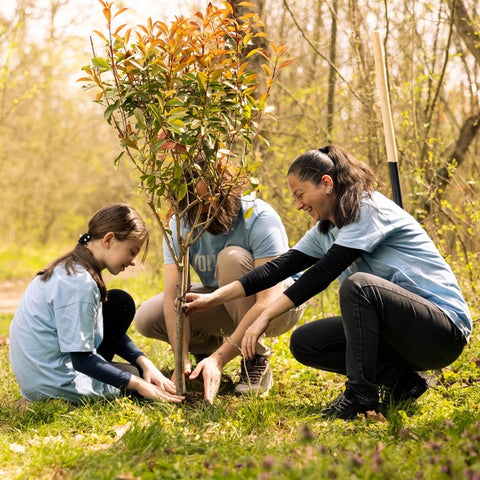
Carbon offset programs help visitors minimize their travel impact by supporting reforestation projects. Plant a tree in your Name through our conservation partners to offset your carbon footprint from the journey.
Frequently Asked Questions
How long does the Mangrove Baratang tour take?
The complete tour typically takes 6-8 hours, including boat transfers, cave exploration, and wildlife observation. We recommend allowing a full day to enjoy the experience without rushing through this remarkable ecosystem.
Is the limestone cave exploration safe for children?
Yes, the caves are safe for children accompanied by adults. Our certified guides provide safety equipment and ensure all visitors follow proper cave exploration protocols. Children must be at least 8 years old for cave tours.
What wildlife can I expect to see during the tour?
Common sightings include various bird species, saltwater crocodiles, monitor lizards, and numerous fish species. Wildlife sightings depend on weather conditions, tides, and seasonal patterns, but our experienced guides maximize viewing opportunities.
Are there any physical fitness requirements for the tour?
Moderate fitness levels are recommended as the tour involves boat transfers, walking on uneven surfaces, and cave exploration. The trek to the caves is relatively easy but requires sure footing on natural terrain.
What is the best time of year to visit Mangrove Baratang?
November through April offers the best weather conditions with minimal rainfall and calm seas. This period provides optimal visibility for wildlife observation and comfortable conditions for cave exploration.
Can I swim in the mangrove waters?
Swimming is not recommended due to strong currents, saltwater crocodiles, and the delicate ecosystem. Visitors can enjoy the experience from the safety of boats while observing the underwater root systems.
How do I book a Mangrove Baratang tour?
Tours can be booked through certified eco-tourism operators with proper permits. We recommend booking at least one week in advance, especially during peak season, to secure your preferred dates.
What should I bring for the limestone cave exploration?
Essential items include sturdy footwear with good grip, a waterproof flashlight, and comfortable clothing. We provide safety helmets and additional lighting equipment for all cave visitors.
Are there accommodation options near Baratang Island?
Limited accommodation is available on Baratang Island, with most visitors staying in Port Blair and taking day trips. We can arrange eco-friendly lodging options that support local communities and conservation efforts.
How does visiting Mangrove Baratang support conservation?
Tourism revenue directly funds conservation programs, local employment, and habitat protection. Visitor fees contribute to mangrove restoration projects and educational programs that benefit both the ecosystem and local communities.Mangrove Baratang represents the perfect fusion of adventure, education, and conservation. This extraordinary destination offers visitors the opportunity to witness one of nature's most important ecosystems while supporting its preservation. The combination of limestone caves and lush mangrove roots creates an unforgettable experience that transforms how we view our relationship with the natural world.Through sustainable tourism and conservation partnerships, we can ensure that future generations will continue to enjoy these magnificent landscapes. Discover how you can contribute to mangrove conservation and plant a tree in your name to support our mission of combating climate change through collective action.