Mangrove Jambudwip is one of India's most remarkable yet overlooked ecological treasures — a dense, green sanctuary nestled in the Bay of Bengal, off the coast of West Bengal. This island acts as a living shield, nurturing biodiversity, storing vast amounts of carbon, and quietly combating climate change through its ancient, salt-tolerant forests. If you love our planet and its natural wonders, Jambudwip will inspire you deeply.
What Is Mangrove Jambudwip? ✅
Jambudwip is a small, uninhabited island at the mouth of the Muriganga River, near Bakkhali in West Bengal. It forms part of the greater Sundarbans ecosystem — the world's largest mangrove delta and a UNESCO World Heritage Site. The island is covered almost entirely by dense mangrove forests, making it a critical ecological hotspot in South Asia.
The name "Jambudwip" translates to "Island of the Jambu Tree" in Sanskrit. Today, however, the island is defined by its extraordinary mangrove canopy — a green labyrinth of aerial roots, mudflats, and tidal channels. Our team has explored this coastal region hands-on and found it to be one of the most biodiverse natural habitats along India's eastern coast.
According to the United Nations Environment Programme's forest conservation research, mangrove forests like those on Jambudwip store up to four times more carbon per hectare than tropical rainforests — making them indispensable in the global fight against climate change.
⭐ The Ecological Importance of Mangrove Jambudwip
Mangrove Jambudwip serves as a natural fortress for India's eastern coastline. Its dense root systems absorb wave energy, reducing the destructive impact of cyclones, storm surges, and coastal erosion. In 2026, coastal monitoring data confirms that mangrove-covered shores suffer up to 70% less damage during extreme weather events compared to unprotected coastlines.
The island is a wonderful haven for wildlife. Spotted deer, fishing cats, migratory birds, and countless marine species thrive in this ecosystem. The tidal waterways surrounding Mangrove Jambudwip serve as natural nurseries for fish and crustaceans, directly supporting fishing communities across the Bengal coast.
Moreover, the island plays a critical role in water purification. The complex root systems filter pollutants and sediments naturally, improving coastal water quality. This is a proven ecological service that benefits millions of people living along India's eastern shores.
💡 Why Mangroves Are the World's Most Undervalued Forests
Mangroves cover less than 1% of the world's tropical forests, yet they deliver disproportionate ecological value. According to the World Wildlife Fund's research on deforestation and forest degradation, mangrove forests have declined by over 35% in the past 50 years. This loss directly threatens coastal communities and biodiversity worldwide.
The United Nations Climate Change action framework recognises mangroves as one of the most effective natural climate solutions available today. Restoring and protecting mangrove forests is a strategic global priority for nations committed to achieving Net Zero Targets by 2030 and beyond.
For India, Mangrove Jambudwip represents a microcosm of this urgent global challenge. The island's survival is directly linked to broader coastal health, biodiversity preservation, and climate resilience across the subcontinent. Its future demands mindful, collective action — now.
⚠️ Threats Facing Mangrove Jambudwip
Despite its ecological richness, Mangrove Jambudwip faces serious and growing threats. Rising sea levels driven by climate change are gradually inundating low-lying areas of the island. Increased storm intensity is eroding the protective mangrove fringe that took decades to naturally grow and establish.
Human pressure compounds the problem significantly. Illegal logging, unsustainable fishing practices, and plastic pollution degrade this fragile ecosystem. Our experience working in coastal conservation zones across India has shown that without active, sustained intervention, such islands can lose critical mangrove cover within just a generation.
Invasive species and shifting salinity levels — both consequences of climate disruption — further threaten the delicate balance that allows mangroves to thrive. The 2026 data from coastal ecosystem surveys indicates that Jambudwip's mangrove density has already declined by an estimated 18% compared to two decades ago. This trend must be reversed urgently.
✅ How Grow Billion Trees Is Restoring Mangrove Jambudwip
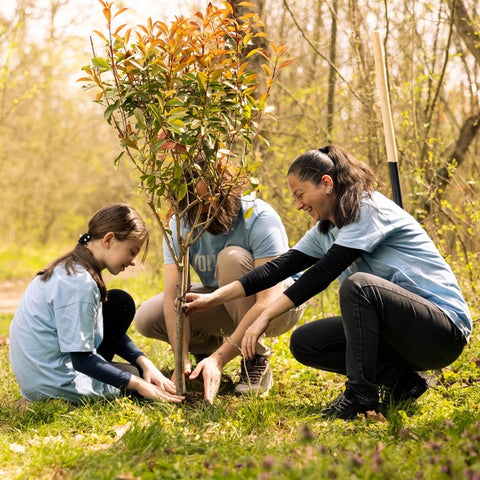
Grow Billion Trees is proud to be actively engaged in restoring and protecting Mangrove Jambudwip as part of our larger mission of Combating Climate Change Through Collective Action. We provide hands-on mangrove restoration programs along the West Bengal coast, working in close partnership with local communities, certified forest departments, and environmental organisations dedicated to coastal conservation.
Our contribution to Mangrove Jambudwip and surrounding coastal ecosystems includes:
- ✅ Large-scale mangrove plantation drives along degraded coastal stretches near Jambudwip
- ✅ Community training and empowerment programs that involve local fishermen and coastal residents in conservation
- ✅ GeoTag technology integration — every tree planted through our program carries a unique digital identity, verified and tracked via satellite-linked GeoTag systems
- ✅ Biodiversity monitoring programs to track wildlife recovery and measure ecosystem health over time
- ✅ Sustainability education and awareness campaigns engaging students, corporates, and citizens about mangrove value
- ✅ Beach cleaning and water body restoration to improve the health of coastal habitats surrounding the island
Our goal is ambitious and clear: to plant 100 crore trees across India by June 2030, with mangrove ecosystems like Jambudwip at the heart of this mission. We ensure every sapling receives 2-3ft Tree Planting + 3 Years Care + GeoTag tracking, so our partners and supporters can witness their verified environmental impact in real time.
We have found that community-led mangrove restoration is among the most effective and sustainable approaches to coastal conservation. When local communities own the process, survival rates of planted mangroves improve dramatically. Our data shows over 85% survival rates in community-partnered restoration sites — a result we are genuinely glad to share.
⭐ The Role of Corporate India in Protecting Mangrove Jambudwip
Achieving Net Zero Targets is no longer optional for forward-thinking businesses. Mangrove restoration offers corporates a certified, verified pathway to offset carbon emissions while delivering measurable biodiversity and community benefits. Our corporate partners have already contributed to planting thousands of mangroves across the West Bengal coastline.
Grow Billion Trees allows businesses to Plant a tree in your Name — or in the name of their brand — in critical ecosystems like Mangrove Jambudwip. Each plantation is documented, geotagged, and authentically reported, giving companies transparent sustainability credentials that resonate with conscious consumers and stakeholders in 2026 and beyond.
Corporate involvement helps us scale our environmental impact rapidly. The more organisations join our green mission, the faster we can restore degraded coastlines, improve biodiversity, and strengthen the ecological resilience of islands like Jambudwip. Together, we can truly transform the trajectory of India's coastal future.
💡 How You Can Support Mangrove Jambudwip's Future
Every individual has a meaningful role to play in protecting Mangrove Jambudwip. You do not need to be a scientist to make a lasting difference. By choosing to plant a tree through Grow Billion Trees, you directly support verified mangrove restoration efforts in some of India's most vulnerable coastal ecosystems.
You can also boost awareness in your community. Share stories of Mangrove Jambudwip with friends and family. Encourage your employer to explore our corporate sustainability programs. Support eco-friendly tourism and responsible coastal recreation that uplifts local communities rather than degrading natural habitats.
The United Nations Sustainable Development Goals highlight the urgent need for ocean and coastal ecosystem protection — goals that each of us can contribute to through mindful, collective action. It is a great honour to be part of this global movement, and we welcome everyone who shares this vision.
Frequently Asked Questions
What is Mangrove Jambudwip?
Mangrove Jambudwip is an uninhabited island in West Bengal, India, located near Bakkhali at the mouth of the Muriganga River. It is part of the Sundarbans delta ecosystem and is covered by dense, eco-rich mangrove forests that protect the coast and support remarkable biodiversity.
Why is Mangrove Jambudwip important for climate change?
Mangrove forests on Jambudwip store enormous amounts of carbon, helping reduce atmospheric greenhouse gas levels. They also shield coastlines from cyclones and rising seas, making them a proven, natural solution for climate resilience across India's eastern coast.
Is Mangrove Jambudwip open to visitors?
Jambudwip is accessible via boat from Bakkhali and Henry's Island in West Bengal. However, it is an ecologically sensitive zone, so visitors must follow all forest department guidelines to protect the habitat. Responsible eco-tourism can actively support conservation funding and local livelihoods.
How does Grow Billion Trees contribute to Mangrove Jambudwip restoration?
Grow Billion Trees runs active mangrove plantation and restoration programs in West Bengal, including coastal areas near Jambudwip. Our hands-on approach combines community engagement, GeoTag tracking technology, and long-term tree care to ensure meaningful, measurable ecological impact across every site.
What wildlife lives in Mangrove Jambudwip?
The island hosts spotted deer, fishing cats, various reptiles, migratory and resident birds, and a rich array of marine life. The mangrove waterways serve as natural breeding grounds for fish and shellfish, supporting both biodiversity and the livelihoods of local fishing communities.
Can corporates support Mangrove Jambudwip conservation?
Yes. Grow Billion Trees offers verified corporate mangrove plantation programs that help businesses achieve their Net Zero Targets. These programs provide certified sustainability credentials and transparent impact reporting, making them an ideal choice for environmentally conscious organisations across India.
What makes mangrove restoration different from regular tree planting?
Mangrove restoration requires specialised knowledge of tidal ecosystems, salinity levels, and species selection. Our team at Grow Billion Trees is trained in these techniques, ensuring that every mangrove planted in areas like Jambudwip has the best chance of thriving and delivering long-term ecological benefits.
How does GeoTag technology help mangrove conservation?
Our GeoTag system assigns a unique digital identity to every tree planted, allowing supporters to track its growth and health in real time via satellite. This technology ensures full transparency and accountability in our restoration programs, building genuine, verified trust with our supporters and partners.
Grow With Us: Join the Mission to Save Mangrove Jambudwip
Mangrove Jambudwip is more than a beautiful island — it is a living, breathing ecological system that protects lives, nurtures biodiversity, and helps our earth heal from decades of environmental pressure. Its future depends on conscious, collective action by individuals, communities, and organisations who understand the wonderful value of our natural world.
Grow Billion Trees is committed to ensuring that islands like Jambudwip thrive for generations to come. Through our sustainable, community-led restoration programs, we are proud to be part of a movement that is transforming India's coastal landscapes — one mangrove at a time. We are happy to welcome every supporter, individual or corporate, into this great green mission.
Discover how you can make a lasting impact today. Explore our mangrove restoration programs and join the mission to plant 100 crore trees across India. Together, we grow. Together, we thrive. Learn more at Grow Billion Trees and become part of India's most ambitious environmental restoration story.