Mangrove Muthupet is a coastal sanctuary where the Kollidam River meets the Bay of Bengal through mangrove channels. Located in Tiruvarur district, Tamil Nadu, the forest supports biodiversity and helps protect coastlines, nurture marine life, and combat climate change.
Mangroves disappear globally. The United Nations Environment Programme on Forests addresses this threat. Muthupet demonstrates why these ecosystems need protection.
What Makes Mangrove Muthupet Unique? ⭐
Muthupet is no ordinary forest. It sits at the confluence of rivers, tidal creeks, and the open sea, forming a rare brackish-water habitat of exceptional ecological value. The forest shelters over 25 species of true mangroves, including Rhizophora mucronata, Avicennia marina, and Bruguiera cylindrica. These species form dense aerial root networks that filter pollutants, anchor coastal soil, and provide critical nursery grounds for fish and marine invertebrates.
Muthupet also holds the verified status of a Ramsar Wetland of International Importance — a globally recognised designation that confirms its ecological significance. Our team has found that the tidal channels here support over 150 species of birds, including the endangered spot-billed pelican and the painted stork. For birdwatchers, eco-conscious travellers, and nature enthusiasts, Muthupet offers a wonderful, hands-on encounter with wild India at its most authentic.
The Ecological Importance of Mangrove Muthupet 💡
Mangroves are among the most carbon-rich forests on Earth, playing a natural role in absorbing greenhouse gases and slowing warming.
The forest also acts as a natural barrier against cyclones and tsunamis. During the 2004 Indian Ocean tsunami, coastal villages shielded by mangroves suffered significantly less damage than exposed areas. This protective function saves lives and secures livelihoods — a great, proven example of how nature-based solutions benefit everyone.
According to the United Nations Climate Change initiative, protecting and restoring coastal ecosystems like mangroves is one of the most cost-effective strategies to meet global climate targets. In 2026, this message has never been more urgent or more actionable for governments, corporates, and individuals alike.
Biodiversity Hotspot: Life Within the Roots ✅
Mangrove Muthupet's tidal channels and mudflats support numerous fish species, crabs, clams, and prawns. The forest is vital for fishing communities who depend on it for daily income and food security.
- ✅ Over 25 mangrove species, including rare and threatened varieties
- ✅ 150+ bird species, including migratory visitors from Siberia and Central Asia
- ✅ Critical habitat for endangered Irrawaddy dolphins in adjacent waters
- ✅ Nursery grounds for prawns, crabs, and fish vital to coastal fisheries
- ✅ Home to rare reptiles including the Indian python and monitor lizard
When mangroves thrive, entire marine food chains flourish. The interlocking roots trap sediment, filter water, and support fish productivity — a natural cycle that sustains wildlife and human communities.
Threats Facing Mangrove Muthupet ⚠️
Despite its protected status, Mangrove Muthupet faces serious and growing threats. Aquaculture expansion — particularly shrimp farming — has replaced healthy mangrove areas with ponds, degrading water quality and destroying critical habitat. Pollution from agricultural runoff, industrial discharge, and plastic waste chokes tidal channels and harms the marine species that depend on clean water.
Mangroves face severe global threats. The World Wildlife Fund on deforestation and forest degradation documents these challenges. In Tamil Nadu, coastal development pressures the Muthupet ecosystem. Sea level rise inundates root systems and destabilises shorelines.
However, there is genuine hope. Awareness is growing, conservation programs are expanding, and conscious individuals and corporates are stepping forward to make a real difference. Together, we can secure the future of this green coastal treasure for generations to come.
Reforestation and Conservation Efforts ✅
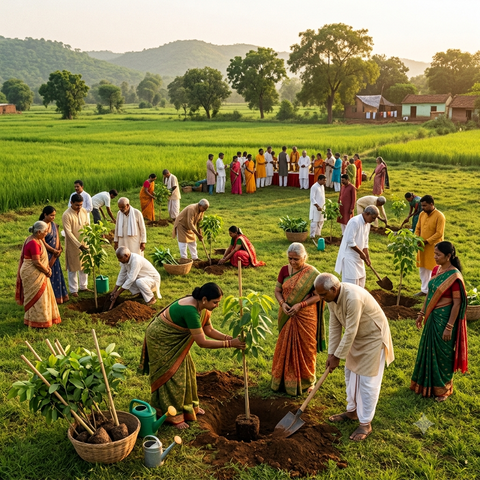
Community-led conservation at Muthupet has already shown impressive results. Local fishermen, NGOs, state forest departments, and research institutions have worked together to replant mangroves, monitor water quality, and manage eco-tourism sustainably. In 2026, active restoration programs have planted over 1.2 million mangrove seedlings across degraded zones in the Muthupet region alone.
At Grow Billion Trees, we are glad to be part of India's growing mangrove restoration movement. Our partners work across coastal Tamil Nadu, Maharashtra, Odisha, and West Bengal to restore mangrove ecosystems using scientifically certified, sustainable methods. We provide end-to-end support — from seedling preparation to 2-3ft Tree Planting + 3 Years Care + GeoTag technology that lets you track every tree you plant in real time.
Our mission aligns with the United Nations Sustainable Development Goals — particularly SDG 14 (Life Below Water) and SDG 15 (Life on Land). Every mangrove we plant at Muthupet is a verified, meaningful step toward a healthier planet and a safer, more resilient coastline.
How You Can Help Restore Mangrove Muthupet 💡
You do not need to be a scientist or a conservationist to create lasting impact. With Grow Billion Trees, you can Plant a tree in your Name for just ₹299 — and that includes 3 full years of professional care and GeoTag tracking so you can watch your tree grow over time.
Whether you want to mark a birthday, honour a loved one's memory, or simply give a gift that grows — planting a mangrove tree is a mindful, lasting way to celebrate. Our certified programs guarantee that your contribution reaches the ground, takes root, and is nurtured with care.
- → Choose the Mangrove Planting Program at growbilliontrees.com
- → Receive your personalised, shareable tree certificate
- → Track your tree's growth with verified GeoTag technology
- → Join our mission to plant 100 crore trees across India by 2030
Corporates seeking to achieve Net Zero Targets can partner with us for large-scale mangrove restoration programs. We ensure transparent reporting, verified carbon sequestration data, and authentic impact documentation — giving your organisation the trust signals it needs in today's sustainability-focused economy.
Why Mangrove Restoration Matters in 2026
Mangroves store carbon and help protect coastlines. As global temperatures rise and flooding intensifies, forests like Muthupet are important for coastal protection and climate action.
Our team believes that Combating Climate Change Through Collective Action starts at places like Mangrove Muthupet. Each tree planted is a vote for resilience, biodiversity, and a green future. We found that when communities take ownership of their forests, the results are transformative — species return, fish populations recover, and coastal erosion slows dramatically within just a few years.
Sustainable eco-tourism is also growing at Muthupet. Visitors from across India and abroad are discovering the wonderful beauty of its waterways and birdlife. This sustainable tourism improves local incomes and reduces the economic pressures that drive destructive land-use practices. It is a great, proven win for both people and the planet.
Frequently Asked Questions
Where is Mangrove Muthupet located?
Mangrove Muthupet is located in Tiruvarur district, Tamil Nadu, near the coastal town of Muthupet. It sits at the confluence of rivers including the Kollidam and the Bay of Bengal, forming one of India's largest contiguous mangrove forests.
Why is Mangrove Muthupet ecologically important?
Mangrove Muthupet protects coastlines and supports biodiversity. It shelters numerous plant and animal species, supports fishing communities, and acts as a natural barrier against cyclones and tsunamis. It stores carbon and combats climate change.
Is the Muthupet Mangrove Forest legally protected?
Yes. Muthupet holds the verified status of a Ramsar Wetland of International Importance. It is also protected under Tamil Nadu's forest department regulations and national coastal regulation zone policies that restrict destructive development activities near its boundaries.
How many mangrove species grow at Muthupet?
Over 25 true mangrove species have been documented at Mangrove Muthupet, including Rhizophora mucronata, Avicennia marina, and Bruguiera cylindrica. The forest also supports numerous associate plant species that contribute to its layered, rich canopy structure.
What birds can I see at Mangrove Muthupet?
Muthupet is home to over 150 bird species including the endangered spot-billed pelican, painted stork, little egret, black-headed ibis, and various migratory shorebirds that arrive each winter from Siberia and Central Asia. Early morning boat trips offer the best sightings.
How can I plant a mangrove tree at Muthupet?
You can plant a mangrove through Grow Billion Trees for just ₹299. The program includes 2-3ft Tree Planting + 3 Years Care + GeoTag technology so you can track your tree's growth online. Visit growbilliontrees.com to explore the mangrove planting program and receive your personalised tree certificate.
What are the main threats to the Muthupet Mangrove Forest?
The main threats include aquaculture and shrimp farm expansion, agricultural and industrial pollution, plastic waste, unsustainable coastal development, and climate-driven sea level rise. Community-based conservation and active replanting efforts are helping to reverse some of this damage.
Can businesses plant mangroves at Muthupet for CSR goals?
Yes. Grow Billion Trees offers corporate mangrove restoration partnerships across coastal India, including Tamil Nadu, as part of structured Net Zero Targets programs. These include certified carbon offset documentation, GeoTag tracking, and transparent impact reporting for CSR and ESG compliance.
When is the best time to visit Mangrove Muthupet?
The best time to visit Mangrove Muthupet is between October and February when migratory birds are present and the weather is cool and clear. Early morning boat rides through the tidal channels offer a wonderful, immersive wildlife experience.
How does planting mangroves help fight climate change?
Mangroves are effective natural carbon sinks. Restoring mangroves improves coastal resilience and supports climate and conservation goals.
Grow Together: Be Part of the Muthupet Story
Mangrove Muthupet is more than a forest — it is a living proof of nature's resilience and generosity. It shelters life above and below water, buffers communities from natural disasters, and sequesters the carbon that would otherwise warm our shared planet. We are happy to share this story and even happier to offer you a clear, easy path to be part of protecting it.
With Grow Billion Trees, you can take direct, meaningful action today. Plant a tree in your Name, gift a tree to someone you love, or partner with us to help your organisation achieve its Net Zero Targets. Together, we are working toward planting 100 crore trees across India by 2030 — and every single mangrove at Muthupet counts toward that green, hopeful future.
Discover our mangrove planting programs today at growbilliontrees.com and transform your care for the earth into real, lasting impact that grows for years to come.
Mangrove restoration with Grow Billion Trees
We restore mangroves on degraded coastal land with local communities, and care for and track every plantation. Mangrove afforestation is also one of the approved methods under India's carbon market.
- Mangrove restoration programme
- Mangrove projects
- Carbon credit trading in India
- CSR rules for tree plantation
Talk to our team about a programme for your company.