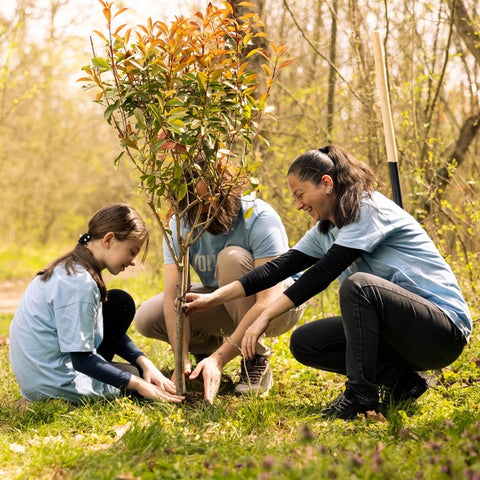
Mangroves in Maharashtra form one of India's most vital coastal defence systems, covering over 304 square kilometres of tidal shoreline across the state. These salt-tolerant forests shield millions of people in Mumbai and Konkan from storm surges, erosion, and catastrophic flooding — while nurturing extraordinary biodiversity beneath their tangled, stilt-like roots. Our team has witnessed first-hand how these green guardians transform barren tidal zones into thriving, life-sustaining habitats.
According to the United Nations Environment Programme's forests initiative, mangrove ecosystems store up to four times more carbon per hectare than tropical rainforests. In 2026, this fact carries enormous weight as India accelerates toward its climate commitments. Maharashtra's mangroves are not merely trees — they are a natural climate solution hiding in plain sight, and we love what they do for our coastal communities and our planet.
What Are Mangroves and Why Do They Matter? ✅
Mangroves are salt-tolerant trees and shrubs that grow in coastal intertidal zones. They thrive where land meets sea, often in brackish water where most plants cannot survive. Their distinctive root systems — visible above the waterline — anchor soil, absorb wave energy, and create vital nurseries for fish, crabs, and migratory birds.
These forests rank among the most carbon-dense ecosystems on Earth. A healthy mangrove grove sequesters carbon at a rate far exceeding most land-based forests. As the United Nations Climate Change framework highlights, preserving coastal forests like mangroves is essential to meeting global temperature targets. Losing them is not just an ecological loss — it is a climate emergency.
For coastal communities, mangroves provide direct food security. Fishermen across Konkan depend on mangrove-backed estuaries for their daily catch.
Mangroves in Maharashtra: Key Coastal Regions 💡
Maharashtra holds the second-largest mangrove cover in India, after West Bengal. The state's mangroves stretch across Mumbai, Thane, Raigad, Ratnagiri, and Sindhudurg districts. Each region carries its own ecological character and distinct conservation challenges worth understanding in depth.
Mumbai's Urban Mangroves
Mumbai has mangrove forests. The Thane Creek Flamingo Sanctuary sits entirely within a mangrove ecosystem. These forests line the Mithi River and Versova coastline, acting as natural flood buffers for residents.
Mumbai's mangroves face pressure from urban expansion. Despite legal protection, encroachments threaten fringe mangrove zones. The forests that protect Mumbai from flooding are being cleared for infrastructure — development priorities need reassessment.
Mangroves reduce wave energy during storms and cyclones. Areas with healthy mangrove cover experience less damage from storms than cleared coastlines.
The Konkan Coast: Maharashtra's Mangrove Heartland
The Konkan region — spanning Raigad, Ratnagiri, and Sindhudurg — hosts Maharashtra's richest mangrove diversity. Over 36 species of mangroves have been recorded here, including the rare Rhizophora mucronata and the stilt-rooted Avicennia marina. Estuaries like Shrivardhan, Dabhol, and Vengurla support extraordinary aquatic biodiversity found nowhere else in peninsular India.
The Konkan coastline is also central to Maharashtra's fishing economy. We provide dedicated support to coastal restoration programmes here, and we ensure that mangrove restoration is always integrated with livelihood support for local fishing communities. Healthy mangroves mean healthier fish stocks — and stronger, more resilient communities that can grow and thrive together.
Sindhudurg's mangroves additionally support nesting sites for the critically endangered Olive Ridley turtle. These turtles use mangrove-adjacent beaches for nesting between November and March each year. Therefore, protecting mangroves here is inseparable from protecting marine wildlife and the ocean's broader ecological health.
The Ecological Importance of Maharashtra's Mangroves ✅
The ecological services delivered by mangroves in Maharashtra are immense and scientifically well-documented. These coastal forests actively provide the following benefits to people and wildlife alike:
- Carbon Sequestration: Maharashtra's mangroves lock away millions of tonnes of carbon annually, helping slow the pace of climate change.
- Flood and Storm Protection: They reduce coastal flood risk for over 3 million people in the Mumbai metropolitan area alone.
- Biodiversity Hotspots: They support over 200 species of birds, 70 species of fish, and dozens of reptile and crustacean species.
- Water Filtration: Mangrove roots naturally filter pollutants and excess nutrients before they reach the open sea.
- Livelihoods: Fisherfolk in Maharashtra depend on mangrove estuaries as their primary source of income.
As the World Wildlife Fund's research on deforestation and forest degradation confirms, losing mangrove forests triggers cascading losses across entire coastal food webs. Moreover, the collapse rarely happens overnight — it begins with declining fish populations and ends with eroding coastlines and displaced communities.
Threats Facing Mangroves in Maharashtra ⚠️
Urban encroachment remains the primary driver of mangrove loss across Maharashtra. In the Mumbai Metropolitan Region, land reclamation for housing, roads, and industrial projects has destroyed thousands of hectares over three decades. Projects labelled as development often come at the direct cost of these natural, irreplaceable ecosystems.
Pollution is the second major threat. Industrial effluents, untreated sewage, and plastic waste from Mumbai, Thane, and Navi Mumbai flow directly into mangrove creeks. Plastic pollution in particular smothers seedlings and disrupts the oxygen exchange in roots — a process critical to mangrove survival, growth, and long-term resilience.
Climate change poses a growing risk to mangrove ecosystems. Rising sea levels, more intense cyclones, and saltwater intrusion into freshwater estuaries stress mangroves. Urgent intervention is needed.
Conservation and Restoration: Progress Worth Celebrating ⭐
Maharashtra has made meaningful strides in mangrove conservation. The Maharashtra Mangrove Cell has actively monitored, protected, and restored mangrove areas since 2012. By 2026, satellite data confirms a net increase in Mumbai's mangrove cover — a wonderful and rare reversal of the global trend of mangrove decline that deserves recognition.
Restoration approaches have also grown more sophisticated and effective over time. Miyawaki-inspired dense planting, combined with community-based stewardship, has proven highly successful along the Konkan coast. Our team has hands-on experience in such projects — we have seen barren mudflats transform into dense, multilayered mangrove groves within just five years of consistent, mindful restoration work.
The World Wildlife Fund's global forest conservation initiative actively supports community-led mangrove restoration programmes across South Asia. Their model of engaging local communities as active stewards — not just beneficiaries — has delivered verified, measurable results. This proven approach can be replicated effectively along Maharashtra's entire Konkan coastline.
How Grow Billion Trees Is Making a Difference 💡
At Grow Billion Trees, we are proud to support mangrove restoration as part of our mission of Combating Climate Change Through Collective Action. Our mangrove programme plants certified, geo-tagged saplings along Maharashtra's most vulnerable coastal zones. Every tree contributes to our ambitious goal of planting 100 crore trees across India by June 2030.
When you Plant a tree in your Name with us, you receive a personalised digital certificate, a geo-tagged map location for your tree, and the authentic knowledge that your contribution is verified and impactful. Our 2-3ft Tree Planting + 3 Years Care + GeoTag package ensures your mangrove sapling receives dedicated nurturing through its most vulnerable growth window — starting at just ₹299.
We also partner with corporations seeking to meet their Net Zero Targets through certified, transparent coastal restoration. Our partners include leading firms across Mumbai, Pune, and Bangalore using mangrove planting as a measurable, secure pathway to carbon neutrality. We guarantee every tree is planted, tracked, and cared for to the highest ecological standards — trusted by hundreds of conscious organisations across India.
This is not cookie-cutter conservation. It is mindful, hands-on environmental restoration at scale, and we ensure every project uses only native species and follows strict ecological best practices verified by our on-ground teams.
How You Can Help Protect Maharashtra's Mangroves ✅
You do not need to be a scientist or policymaker to make a real impact. Here are practical, proven steps every conscious individual can take to help protect and restore mangroves in Maharashtra:
- → Plant a tree through a certified programme like Grow Billion Trees for just ₹299 — easy, impactful, and meaningful.
- → Reduce plastic use — every piece of plastic avoided could save a mangrove seedling from suffocation.
- → Support local groups working on Konkan coastline cleanups and Mumbai creek restoration drives.
- → Educate your community about the role mangroves play in flood protection and climate resilience.
- → Choose eco-friendly products to reduce industrial pollution flowing into coastal waterways.
Together, these actions grow into something truly transformative. As the United Nations Sustainable Development Goals remind us, protecting life on land and in water requires collective commitment from every individual, community, and organisation. Millions of mindful, conscious choices made across India can save and restore an ecosystem that protects us all.
Frequently Asked Questions
Where are the main mangrove forests in Maharashtra?
The main mangrove forests in Maharashtra are found in Mumbai, Thane Creek, Raigad, Ratnagiri, and Sindhudurg districts. Mumbai alone has over 66 square kilometres of urban mangrove cover, making it one of the world's largest urban mangrove zones and a natural conservation success story.
Why are mangroves in Maharashtra important for flood protection?
Mangroves reduce wave energy during storms and cyclones. Their dense root systems slow water movement, reduce storm surge impact, and prevent coastal erosion. Intact mangroves provide natural protection against flooding for coastal areas like Mumbai.
Are mangroves in Maharashtra legally protected?
Yes. Maharashtra declared mangroves as protected forests under the Indian Forest Act. The Maharashtra Mangrove Cell oversees their conservation and enforces protections against illegal encroachment and clearing. However, challenges remain in fully securing fringe and urban boundary zones from development pressure.
How many species of mangroves grow along the Konkan coast?
Over 36 species of mangroves have been recorded along the Konkan coast, including Avicennia marina, Rhizophora mucronata, and Sonneratia caseolaris. This exceptional biodiversity makes the Konkan coast one of the richest and most ecologically significant mangrove zones in all of peninsular India.
What are the biggest threats to mangroves in Maharashtra?
The biggest threats include urban encroachment, industrial and domestic pollution, plastic waste, and climate change. Rising sea levels and increased cyclone intensity are emerging as the most significant long-term structural stressors for Maharashtra's mangrove ecosystems in 2026 and the decades ahead.
Can I plant a mangrove tree with Grow Billion Trees?
Yes. Grow Billion Trees offers a certified mangrove planting programme starting at ₹299 per tree. Each planting includes 3 years of care, a geo-tagged location, and a personalised certificate — making it a great gift for birthdays, memorials, or a meaningful corporate sustainability contribution.
How do mangroves help fight climate change?
Mangroves sequester up to four times more carbon per hectare than tropical rainforests. Preserving and restoring them locks away carbon dioxide, reduces atmospheric greenhouse gas levels, and builds coastal resilience against climate-related disasters. In 2026, they are among the most cost-effective natural climate solutions available to India.
What wildlife is found in Maharashtra's mangroves?
Maharashtra's mangroves support over 200 bird species including Greater Flamingos, kingfishers, and herons. They also shelter 70-plus fish species, Olive Ridley turtles, estuarine crocodiles, and dozens of crab and mollusk species — forming a complete, thriving coastal ecosystem of extraordinary natural value.
Nurture the Green Coast — Grow Together, Thrive Together
Mangroves in Maharashtra are far more than trees growing in muddy water. They are living shields protecting millions of lives, carbon vaults slowing climate change, and biodiversity hotspots nurturing species found nowhere else on our planet. In 2026, as climate pressures intensify, their value — and the urgency to restore them — has never been greater.
We are glad to be part of a growing movement of conscious individuals, forward-thinking corporates, and dedicated communities working together to save India's coastal forests. Every tree planted is a vote for a healthier, more resilient earth. Every ₹299 invested moves us closer to 100 crore trees and a greener India for future generations to enjoy.
Discover how you can be part of this wonderful mission. Explore our mangrove planting programmes at Grow Billion Trees and Plant a tree in your Name today. Together, we nurture, grow, and thrive — for the coastlines, for India, and for the planet we all call home.
Mangrove restoration with Grow Billion Trees
We restore mangroves on degraded coastal land with local communities, and care for and track every plantation. Mangrove afforestation is also one of the approved methods under India's carbon market.
- Mangrove restoration programme
- Mangrove projects
- Carbon credit trading in India
- CSR rules for tree plantation
Talk to our team about a programme for your company.