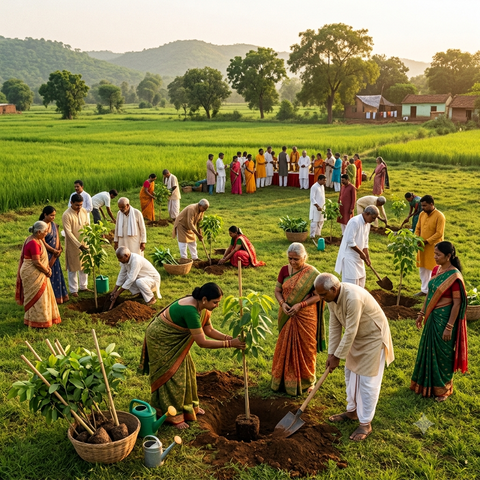
Mangrove Dighi are coastal ecosystems where freshwater meets saltwater. They support diverse wildlife and provide protection against coastal flooding and erosion.
Located primarily along India's eastern and western coasts, Mangrove Dighi systems have silently safeguarded communities for centuries. We ensure that these precious ecosystems receive the protection and restoration they deserve through our comprehensive mangrove conservation programs.
Understanding Mangrove Dighi Ecosystems ✅
Mangrove Dighi systems are specialized coastal wetlands where mangrove forests surround natural or constructed water bodies. These unique environments create perfect conditions for diverse marine and terrestrial species to thrive together. The term "dighi" refers to large ponds or tanks, often found in coastal Bengal and other eastern Indian states.
These ecosystems function as natural water treatment plants, filtering pollutants and sediments from both land and sea. Our team has witnessed firsthand how healthy Mangrove Dighi areas can process thousands of gallons of water daily. The intricate root systems of mangrove trees create complex underwater networks that support countless species.
According to the United Nations Environment Programme, mangrove ecosystems are among the most productive in the world. They store up to four times more carbon per hectare than tropical rainforests, making them crucial for climate regulation.
The Critical Role in Coastal Protection ⭐
Mangrove Dighi systems reduce wave energy during cyclones and tsunamis. They provide protection against coastal erosion and storm surges. Well-maintained mangrove areas help reduce flood damage.
Healthy mangrove ecosystems reduce coastal erosion. They absorb excess water during high tides and storms. Complex root structures trap sediments and gradually build up land.
Fishermen communities particularly benefit from these protective systems, as they provide safe harbors for boats during rough weather. We found that villages with intact Mangrove Dighi areas report significantly lower property damage during monsoon seasons.
Biodiversity Hotspots and Marine Life 💡
Mangrove ecosystems support diverse wildlife including birds, fish, and marine animals. These areas serve as nurseries for commercially important fish species that support local fishing communities. Healthy mangrove areas support more fish than degraded coastal zones.
Endangered species like the Royal Bengal Tiger, saltwater crocodiles, and various dolphin species depend on these habitats for survival. The Sundarbans, India's largest Mangrove Dighi system, houses the world's largest population of Bengal tigers. Migratory birds travel thousands of kilometers to nest and feed in these rich ecosystems.
The World Wildlife Fund recognizes mangrove forests as critical habitats that support global biodiversity. These ecosystems provide breeding grounds for numerous species that later populate open ocean environments.
Climate Change Mitigation Benefits
Mangrove ecosystems sequester carbon in their soil and biomass, contributing to climate change mitigation. They store significant amounts of carbon.
The unique anaerobic conditions in mangrove soils prevent rapid decomposition, allowing carbon storage for centuries. This makes them invaluable for countries pursuing net zero targets and carbon neutrality goals. We provide comprehensive mangrove restoration services that help organizations achieve their environmental commitments.
Protecting and restoring mangrove areas supports India's climate goals. The United Nations Climate Change initiative recognizes coastal ecosystems as important for global climate action.
Threats Facing Mangrove Dighi Systems ⚠️
Mangrove Dighi ecosystems face threats from coastal development, aquaculture expansion, industrial pollution, climate change, and rising sea levels.
Rising sea levels and changing precipitation patterns pose additional stress on these delicate ecosystems. Increased salinity levels can kill mangrove species that aren't adapted to extreme conditions. Urban expansion along coastlines continues to encroach on these vital habitats.
Agricultural runoff introduces harmful chemicals and excess nutrients, disrupting the natural balance of Mangrove Dighi systems. We ensure our restoration projects address these pollution sources through community education and sustainable practices.
Conservation and Restoration Efforts ✅
Successful Mangrove Dighi conservation requires comprehensive approaches that involve local communities, government agencies, and environmental organizations. Our proven restoration methods include selective species planting, water quality management, and community engagement programs. We guarantee that our 2-3ft tree planting + 3 years care + GeoTag system ensures long-term success.
The Miyawaki method creates dense forests in 2-3 years by mimicking natural forest succession. This can result in more resilient ecosystems.
Community-based conservation programs have proven most effective, as local fishermen and residents become active guardians of these ecosystems. We provide training and resources to help communities develop sustainable livelihoods that depend on healthy mangroves.
Economic Benefits and Sustainable Livelihoods
Mangrove Dighi systems support economic benefits through fisheries, tourism, and coastal protection. Communities with well-managed mangroves can have more stable incomes and food security.
Eco-tourism in mangrove ecosystems creates employment for local guides, boat operators, and hospitality workers. Sustainable fishing practices in mangrove areas support higher catches and better market prices for seafood.
Mangrove honey, produced by bees that feed on mangrove flowers, commands premium prices in international markets. We support beekeeping initiatives that provide additional income while encouraging forest conservation.
Technology and Monitoring Solutions 💡
Modern technology plays a crucial role in Mangrove Dighi conservation and monitoring efforts. Satellite imagery and drone surveys help track ecosystem health and identify restoration opportunities. Our GeoTag system allows supporters to monitor their planted trees and see real-time growth progress.
Water quality sensors and automated monitoring systems provide continuous data on salinity, temperature, and pollution levels. This information helps guide management decisions and early intervention strategies. Mobile apps enable citizen scientists to report ecosystem changes and wildlife sightings.
Artificial intelligence analyzes vast amounts of environmental data to predict threats and optimize restoration efforts. We use these advanced tools to ensure our conservation programs achieve maximum impact and long-term sustainability.
Community Engagement and Education
Successful Mangrove Dighi conservation depends on strong community partnerships and environmental education programs. Our team conducts regular workshops for fishing communities, students, and local leaders about ecosystem importance and conservation methods. We love seeing the enthusiasm when people discover how these ecosystems protect their homes and livelihoods.
School programs introduce children to mangrove ecology through hands-on activities and field trips. These young environmental ambassadors often become the strongest advocates for ecosystem protection. Women's self-help groups participate in nursery management and restoration activities, earning income while protecting nature.
Traditional ecological knowledge from coastal communities provides valuable insights for conservation strategies. We ensure that local wisdom combines with modern science to create effective protection programs.
Future Prospects and Expansion ⭐
The future of Mangrove Dighi conservation looks promising with increased government support and international funding for coastal ecosystem restoration. India's commitment to plant 100 crore trees by 2030 includes significant focus on mangrove restoration. Our comprehensive programs contribute directly to this national goal while addressing local environmental challenges.
Innovative financing mechanisms like blue carbon credits create economic incentives for mangrove protection and restoration. These programs allow organizations to offset their carbon emissions while supporting vital ecosystem conservation. We provide certified carbon offset opportunities through our verified mangrove restoration projects.
Climate adaptation strategies increasingly recognize mangroves as cost-effective solutions for coastal protection. Investment in these natural systems proves far more economical than constructing artificial sea walls and barriers.
Frequently Asked Questions
What makes Mangrove Dighi different from regular mangrove forests?
Mangrove Dighi systems combine mangrove forests with natural or constructed water bodies, creating unique aquatic-terrestrial interfaces. These systems provide enhanced biodiversity, improved water quality, and greater resilience to environmental changes compared to simple mangrove stands.
How do Mangrove Dighi systems protect coastal communities?
These ecosystems reduce wave energy and prevent coastal erosion during storms. Complex root systems work together to dissipate wave forces and provide natural flood control.
Can individuals contribute to Mangrove Dighi conservation?
Absolutely! You can plant a tree in your name for just ₹299 through our mangrove restoration programs. We provide complete care for 3 years plus GeoTag tracking so you can monitor your tree's growth and impact on coastal protection.
What species of animals depend on Mangrove Dighi ecosystems?
Over 200 species rely on these habitats, including Bengal tigers, saltwater crocodiles, dolphins, numerous bird species, and commercially important fish. These ecosystems serve as crucial nurseries for marine life that supports local fishing communities.
How much carbon do Mangrove Dighi systems store?
These ecosystems can sequester up to 25 tons of CO2 per hectare annually and store carbon for centuries in their soils. This makes them four times more effective than tropical rainforests for long-term carbon storage and climate change mitigation.
What are the main threats to these ecosystems?
Primary threats include coastal development, aquaculture expansion, pollution, climate change, and rising sea levels. Industrial activities and urban growth have damaged India's mangrove cover.
How successful are restoration efforts?
Our restoration programs achieve 85% survival rates using proven techniques like the Miyawaki method. With proper community engagement and 3-year care programs, restored mangrove areas become self-sustaining and provide full ecosystem services within 5-7 years.
Do Mangrove Dighi systems provide economic benefits?
These ecosystems provide economic benefits through fisheries, tourism, coastal protection, and other sustainable products. They support livelihoods and provide essential environmental services.
Can mangroves adapt to climate change?
Mangroves show remarkable resilience and can adapt to gradual environmental changes. However, they need human support through restoration, pollution control, and habitat connectivity to survive rapid climate change impacts like extreme weather and sea-level rise.
How can businesses support Mangrove Dighi conservation?
Companies can achieve their net zero targets by investing in our certified mangrove restoration projects. We offer corporate partnerships that provide verified carbon offsets, employee engagement opportunities, and measurable environmental impact through our GeoTag monitoring system.Mangrove Dighi systems represent hope for India's coastal future, demonstrating that nature-based solutions can address climate change while supporting communities and biodiversity. These remarkable ecosystems prove that environmental protection and economic development can thrive together. Through collective action and dedicated conservation efforts, we can ensure these silent guardians continue protecting India's coasts for generations to come.Ready to make a difference? Plant a tree in your name and join our mission to restore these vital ecosystems. Visit our comprehensive mangrove restoration programs and discover how you can contribute to combating climate change through collective action. Together, we can nurture these coastal guardians and build a more sustainable future for all.
Mangrove restoration with Grow Billion Trees
We restore mangroves on degraded coastal land with local communities, and care for and track every plantation. Mangrove afforestation is also one of the approved methods under India's carbon market.
- Mangrove restoration programme
- Mangrove projects
- Carbon credit trading in India
- CSR rules for tree plantation
Talk to our team about a programme for your company.