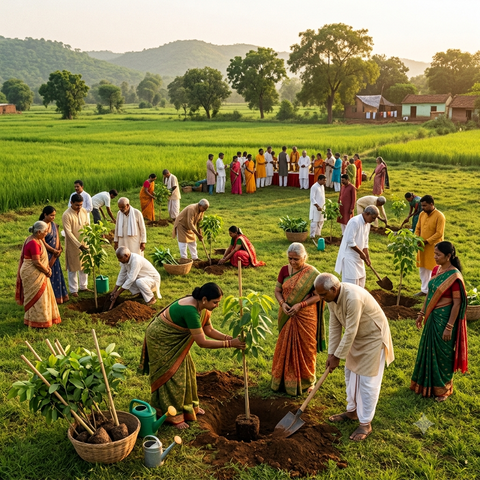
Kerala has NGOs working on environmental restoration and community empowerment. These organizations contribute to sustainable development through collective action.
Companies spent ₹617 Cr on CSR projects in Kerala in FY 2024-25 (provisional), against ₹399 Cr in FY 2023-24, according to the Ministry of Corporate Affairs' National CSR Portal. See CSR spending by state.
The landscape of social work in Kerala reflects the state's commitment to holistic development. We've witnessed firsthand how local organizations tackle pressing challenges while preserving the region's natural beauty and cultural heritage.
✅ Kerala's NGO Landscape: A Model for Sustainable Development
Kerala has many registered NGOs working on environmental conservation, education, healthcare, and women's empowerment. A high literacy rate supports NGO initiatives in the state.
Our partners in Kerala demonstrate remarkable innovation in addressing local challenges. They combine traditional knowledge with modern approaches to create lasting solutions. For example, many NGOs integrate sustainable practices with community development programs.
The coastal geography and rich biodiversity make Kerala particularly suited for environmental NGOs. Organizations here work tirelessly to protect the Western Ghats, restore mangrove ecosystems, and promote organic farming practices across rural communities.
Environmental Conservation: Leading the Green Revolution
Environmental NGOs in Kerala are at the forefront of India's green movement. These organizations focus on reforestation, biodiversity conservation, and climate change mitigation. For background, see United Nations Climate Change initiative.
We found that Kerala's environmental NGOs excel in Miyawaki forest creation and mangrove restoration. Our team has collaborated with local groups to establish over 500 urban forests across major cities including Kochi, Thiruvananthapuram, and Kozhikode. These initiatives contribute directly to achieving Net Zero Targets while improving air quality.
The World Wildlife Fund's forest conservation programs highlight community-driven environmental protection in Kerala. Agroforestry techniques help restore degraded land.
Beach cleaning drives organized by environmental NGOs have removed more than 2,000 tons of waste from Kerala's coastline in 2026. These efforts protect marine ecosystems while raising awareness about plastic pollution among coastal communities.
💡 Community Empowerment Through Education and Skills
Educational NGOs in Kerala provide skill development, digital literacy, and vocational training to help marginalized communities achieve economic independence.
Women's empowerment initiatives in Kerala include self-help groups supporting women to start micro-enterprises in organic farming, handicraft production, and eco-tourism.
Technology integration sets Kerala NGOs apart from organizations in other states. Many groups use mobile apps to track program outcomes, connect beneficiaries with resources, and facilitate knowledge sharing between communities. This digital approach ensures transparency and improves program effectiveness.
Youth engagement programs run by Kerala NGOs address unemployment while promoting social responsibility. These initiatives connect young people with environmental projects, community service opportunities, and entrepreneurship support systems.
Healthcare and Social Welfare Initiatives
Healthcare NGOs in Kerala complement the state's robust public health system by focusing on preventive care and community health education. These organizations operate mobile clinics, conduct health awareness campaigns, and provide specialized care for elderly populations and people with disabilities.
Mental health support has become a priority for many NGOs following the 2026 state mental health survey. Organizations now offer counseling services, stress management workshops, and community support groups across rural and urban areas. This holistic approach addresses both physical and psychological well-being.
Disaster preparedness programs led by Kerala NGOs have significantly improved community resilience. These initiatives train local volunteers in emergency response, establish early warning systems, and create community resource centers for crisis situations.
Child welfare organizations focus on education support, nutrition programs, and protection from exploitation. Our partners ensure that vulnerable children receive comprehensive care while staying connected to their families and communities.
⭐ Corporate Partnerships and Sustainable Funding Models
Kerala NGOs develop funding strategies that include corporate partnerships, enabling companies to meet environmental and social responsibility goals.
Transparent reporting and measurable outcomes can attract corporate sponsors. NGOs providing detailed impact assessments and regular updates maintain stronger partnerships with businesses and international donors.
Crowdfunding platforms have become increasingly popular among Kerala NGOs. Social media campaigns highlighting local success stories generate significant public support for environmental and social projects. This grassroots funding approach reduces dependence on traditional donors.
Government grants and subsidies provide additional support for NGO activities. The Kerala State Planning Board allocates specific funds for community development projects, environmental conservation, and skill development programs managed by registered NGOs.
Technology and Innovation in Social Work
Digital transformation has revolutionized how NGOs in Kerala operate and deliver services. GeoTag technology helps organizations track tree plantation sites, monitor growth progress, and provide transparent reporting to donors and beneficiaries. This technology ensures accountability in environmental projects.
Mobile applications developed by Kerala NGOs facilitate direct communication between field workers and communities. These platforms enable real-time reporting of project activities, beneficiary feedback collection, and resource allocation optimization.
Data analytics help NGOs identify the most effective intervention strategies for different communities. By analyzing demographic data, economic indicators, and social factors, organizations can tailor their programs to achieve maximum impact with available resources.
Online training platforms created by educational NGOs reach remote communities that previously lacked access to skill development programs. These digital solutions break geographical barriers and provide quality education to underserved populations.
Challenges and Opportunities for Growth
Despite their success, NGOs in Kerala face several challenges including funding constraints, regulatory compliance requirements, and competition for skilled volunteers. However, these obstacles also present opportunities for innovation and collaboration between organizations.
The United Nations Sustainable Development Goals framework provides clear guidelines for NGO activities and helps organizations align their programs with global priorities. This alignment improves access to international funding and technical support.
Climate change impacts require NGOs to adapt their strategies and develop resilience-building programs. Organizations focusing on environmental conservation must address rising sea levels, changing rainfall patterns, and increasing extreme weather events affecting Kerala's communities.
Volunteer recruitment and retention remain ongoing challenges for many organizations. NGOs are developing creative approaches to engage younger generations through social media campaigns, university partnerships, and flexible volunteering opportunities that accommodate busy lifestyles.
Measuring Impact and Ensuring Transparency
Effective impact measurement distinguishes successful NGOs from less effective organizations. Kerala NGOs use various metrics to evaluate their programs including beneficiary feedback, environmental indicators, economic outcomes, and social change measurements.
Third-party evaluations provide objective assessments of NGO performance and help organizations identify areas for improvement. Independent audits also build donor confidence and support fundraising efforts for expanding successful programs.
Regular community meetings ensure that NGO activities remain relevant to local needs and priorities. These gatherings provide platforms for beneficiaries to share feedback, suggest improvements, and participate in program planning processes.
Annual impact reports published by leading Kerala NGOs showcase achievements, challenges, and future plans. These documents serve as accountability tools while inspiring other organizations to adopt best practices and innovative approaches.
Frequently Asked Questions
How can I find reputable NGOs in Kerala to support or volunteer with?
Research organizations through official websites, social media presence, and third-party evaluation reports. Contact local volunteer coordination centers or visit NGO offices to learn about their programs firsthand. Verify registration status with relevant government authorities before making commitments.
What types of environmental projects do Kerala NGOs focus on?
Environmental NGOs in Kerala work on reforestation, mangrove restoration, urban forestry, beach cleaning, lake restoration, and sustainable agriculture promotion. Many organizations also conduct environmental education programs and climate change awareness campaigns in schools and communities.
How do NGOs in Kerala ensure transparency in their operations?
Reputable NGOs publish annual reports, maintain detailed financial records, conduct third-party audits, and provide regular updates to donors and beneficiaries. Many organizations use technology platforms to track project progress and share real-time information about their activities.
Can international donors contribute to Kerala NGO projects?
Yes, many Kerala NGOs accept international donations through registered channels that comply with Foreign Contribution Regulation Act (FCRA) requirements. International donors should verify the organization's FCRA status before making contributions to ensure legal compliance.
What role do corporate partnerships play in Kerala NGO activities?
Corporate partnerships provide funding, technical expertise, and volunteer resources for NGO projects. Companies collaborate with NGOs to fulfill corporate social responsibility obligations while achieving environmental and social impact goals that align with their business values.
How do Kerala NGOs address rural-urban development gaps?
NGOs bridge rural-urban gaps through mobile service delivery, technology-enabled programs, transportation support, and partnerships with urban organizations. They create linkages between rural producers and urban markets while ensuring that development benefits reach remote communities.
What qualifications are needed to start an NGO in Kerala?
Starting an NGO requires registration under relevant acts, clear mission statements, qualified founding members, and compliance with legal requirements. Founders should have experience in social work, project management skills, and commitment to long-term community service.
How do environmental NGOs in Kerala contribute to climate change mitigation?
Environmental NGOs contribute through tree plantation programs, carbon sequestration projects, renewable energy promotion, waste management initiatives, and community education about sustainable practices. These activities directly support India's climate commitments and local environmental protection goals.
Building a Sustainable Future Together
Kerala's NGO sector supports sustainable development. Collective action can address social and environmental challenges while preserving the state's natural heritage.
As Kerala continues its journey toward becoming a model sustainable state, NGOs will play increasingly important roles in achieving environmental goals, social equity, and economic prosperity. The success stories emerging from God's Own Country inspire similar movements across India and beyond.
Whether you're interested in environmental conservation, community empowerment, or social justice, Kerala offers numerous opportunities to make meaningful contributions. We encourage you to explore how you can support these vital initiatives and become part of the positive change happening in this remarkable state.
How to check an NGO before you donate or partner
- NGO Darpan ID: look the organisation up on NITI Aayog's NGO Darpan portal (ngodarpan.gov.in) and note its unique ID.
- Registration: confirm whether it is a registered trust, society or Section 8 company, and since when.
- 12A and 80G: 12A registration means its income is tax-exempt; 80G means your donation may be tax-deductible, with an 80G receipt.
- CSR-1 number: companies spending CSR funds through an NGO need its CSR-1 registration number from the Ministry of Corporate Affairs.
- FCRA: needed only if the NGO receives foreign contributions.
- Track record: ask for recent annual reports, audited accounts and a site visit.
Looking for a CSR implementation partner for tree plantation?
Grow Billion Trees plans and runs tree plantation programmes for companies across 14 states, with native species, three years of care and every tree geo-tagged on GreenTrack. 85% of trees survive across our programmes.
Talk to our team about a plantation programme.