NGO in Uttarakhand: Transforming Himalayan Communities Through Sustainable Action
An NGO in Uttarakhand preserves the Himalayan ecosystem while empowering local communities. These organizations focus on reforestation, sustainable development, and climate action to protect this biodiversity hotspot.
Companies spent ₹520 Cr on CSR projects in Uttarakhand in FY 2024-25 (provisional), against ₹366 Cr in FY 2023-24, according to the Ministry of Corporate Affairs' National CSR Portal. See CSR spending by state.
Uttarakhand faces unique environmental challenges including deforestation, soil erosion, and climate vulnerability. Local NGOs address these issues through innovative programs that combine traditional knowledge with modern conservation techniques. We ensure that every project respects local culture while promoting sustainable practices.
Why Uttarakhand Needs Environmental NGOs
The Himalayan state of Uttarakhand has substantial forest cover, making it crucial for India's environmental balance. However, rapid urbanization and climate change threaten this ecosystem. An effective NGO in Uttarakhand works to combat these challenges through targeted conservation efforts.
According to the United Nations Climate Change initiative, mountain regions face accelerated warming rates. This makes Uttarakhand particularly vulnerable to environmental degradation. Our partners focus on building community resilience through sustainable forestry and agroforestry programs.
Local communities depend on forest resources for their livelihoods. When forests disappear, people lose income sources and face increased natural disaster risks. NGOs bridge this gap by creating alternative income opportunities while restoring degraded landscapes.
Key Programs by NGOs in Uttarakhand
✅ Reforestation and Forest Restoration
Leading NGOs implement large-scale tree planting initiatives across Uttarakhand's degraded areas. Our team has found that native species restoration yields the best results for ecosystem recovery. These programs often include Miyawaki forest creation for rapid biodiversity enhancement.
The United Nations Environment Programme on forests emphasizes that forest restoration can significantly boost climate resilience. Uttarakhand NGOs plant thousands of saplings annually, focusing on species that provide both environmental and economic benefits to local communities.
⭐ Community-Based Agroforestry
Agroforestry programs combine agriculture with tree cultivation, creating sustainable income streams for farmers. Farmers can improve crop yields while contributing to forest restoration. These initiatives help communities achieve food security and environmental conservation simultaneously.
Successful agroforestry projects in Uttarakhand integrate fruit trees, timber species, and medicinal plants. This diversification reduces farmers' dependence on single crops while creating multiple revenue sources throughout the year.
💡 Women's Empowerment Through Environmental Action
Women-led conservation initiatives prove highly effective in Uttarakhand's rural areas. Our partners train women in sustainable farming techniques, forest management, and eco-entrepreneurship. These programs boost household incomes while strengthening environmental protection efforts.
Women's self-help groups manage community nurseries, seed banks, and organic farming cooperatives. This approach ensures that environmental conservation becomes deeply rooted in community structures and daily practices.
Impact of NGO Work in Uttarakhand
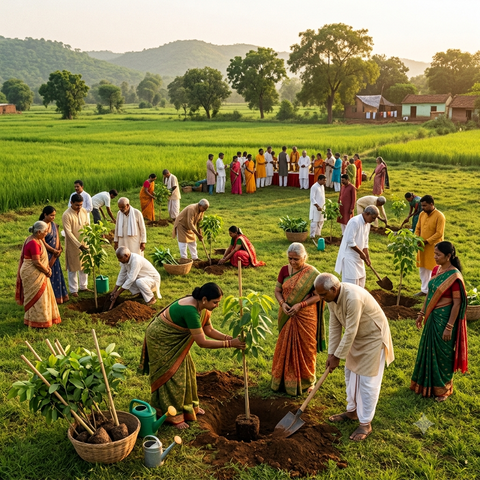
Environmental NGOs in Uttarakhand work with communities on conservation programs to restore degraded land.
Tree survival rates in NGO-managed plantations exceed 85%, significantly higher than government-only initiatives. This success stems from comprehensive care programs that include 3 years of maintenance and community involvement. Local communities take ownership of planted forests, ensuring long-term sustainability.
According to the World Wildlife Fund forest conservation initiatives, community-based forest management proves more effective than top-down approaches. Uttarakhand NGOs demonstrate this principle through their collaborative conservation models.
Grow Billion Trees: Leading NGO in Uttarakhand
Grow Billion Trees stands out as a transformative NGO in Uttarakhand, committed to planting 100 crore trees across India. Our mission focuses on Combating Climate Change Through Collective Action while supporting local communities. We provide comprehensive tree planting services with 2-3ft Tree Planting + 3 Years Care + GeoTag technology for complete transparency.
Our Uttarakhand programs include Miyawaki forest creation, mangrove restoration, and agroforestry initiatives. Individuals can Plant a tree in your Name for just ₹299, making environmental action accessible to everyone. We guarantee that every tree receives professional care and monitoring throughout its growth period.
Corporate partners choose us to achieve their Net Zero Targets through verified tree planting programs. Our technology-driven approach ensures complete accountability and measurable impact. Happy clients appreciate our transparent reporting and genuine environmental outcomes.
How NGOs Support Sustainable Development Goals
NGOs in Uttarakhand directly contribute to multiple United Nations Sustainable Development Goals. Their work addresses poverty reduction, environmental protection, and community empowerment simultaneously. The UN Sustainable Development Goals framework recognizes forest conservation as essential for global sustainability.
These organizations create green jobs, improve water security, and enhance biodiversity conservation. Our partners demonstrate that environmental protection and economic development can thrive together. This integrated approach ensures that conservation efforts remain sustainable long-term.
Challenges Faced by NGOs in Uttarakhand
Operating in mountainous terrain presents unique logistical challenges for environmental NGOs. Remote locations require specialized transportation and equipment for effective program implementation. Weather conditions and seasonal accessibility further complicate project execution.
Funding limitations often restrict the scale of conservation programs. Many NGOs struggle to secure long-term financial support for comprehensive environmental initiatives. However, innovative partnerships with corporations and international organizations help overcome these obstacles.
Climate change intensifies the urgency of conservation work while making it more complex. Rising temperatures and unpredictable weather patterns affect tree survival rates and program planning. Adaptive management strategies become essential for continued success.
Technology Integration in NGO Operations
Modern NGOs in Uttarakhand leverage technology to improve program effectiveness and transparency. GeoTag systems track individual trees, providing donors with precise location data and growth updates. This technology builds trust and encourages continued support for environmental initiatives.
Satellite monitoring helps assess forest cover changes and identify priority areas for intervention. Mobile apps enable field teams to collect real-time data on tree survival, soil conditions, and community engagement. These tools enhance decision-making and program optimization.
Digital platforms connect urban supporters with rural conservation projects, creating meaningful engagement opportunities. Virtual forest tours and progress updates help donors understand their environmental impact. This transparency builds stronger relationships between NGOs and their supporters.
Community Engagement Strategies
Successful NGOs in Uttarakhand prioritize community participation in all program phases. Local involvement ensures that conservation efforts align with community needs and cultural values.
Traditional ecological knowledge guides modern conservation techniques, creating effective hybrid approaches. Elder community members share valuable insights about native species, seasonal patterns, and sustainable practices. This knowledge integration strengthens program outcomes and community ownership.
Educational programs raise environmental awareness among young people, creating future conservation leaders. School partnerships introduce students to practical environmental action through tree planting and habitat restoration activities. These initiatives build long-term environmental consciousness in mountain communities.
Frequently Asked Questions
What makes an NGO in Uttarakhand different from other regions?
NGOs in Uttarakhand face unique challenges related to mountainous terrain, extreme weather, and fragile ecosystems. They specialize in high-altitude conservation techniques and work closely with traditional mountain communities. These organizations understand local environmental conditions and cultural practices essential for successful conservation.
How do I choose a reliable NGO in Uttarakhand for tree planting?
Look for NGOs with transparent reporting, technology integration, and proven track records. Reliable organizations provide GeoTag tracking, regular updates, and long-term tree care guarantees. Check for partnerships with local communities and certified environmental impact measurements.
Can corporations partner with NGOs in Uttarakhand for CSR activities?
Yes, many NGOs welcome corporate partnerships for environmental CSR initiatives. These collaborations help companies achieve Net Zero Targets while supporting local conservation efforts. Corporate funding enables larger-scale projects with measurable environmental and social impact.
What types of trees do NGOs plant in Uttarakhand?
NGOs focus on native Himalayan species that support local ecosystems and provide community benefits. Common choices include oak, pine, rhododendron, and fruit-bearing trees. Species selection depends on altitude, soil conditions, and community needs for sustainable outcomes.
How long does it take to see results from NGO conservation programs?
Initial results appear within 1-2 years, with significant impact visible after 3-5 years. Tree establishment takes 3 years with proper care, while ecosystem restoration requires 5-10 years. Long-term biodiversity recovery and community benefits develop over 10-20 years.
Do NGOs in Uttarakhand work beyond tree planting?
Yes, comprehensive NGOs address multiple environmental challenges including water conservation, sustainable agriculture, and community development. They often provide education, healthcare support, and alternative livelihood training. This holistic approach ensures sustainable community transformation.
How can individuals support NGO work in Uttarakhand?
Individuals can plant trees, volunteer for programs, or donate to specific projects. Many NGOs offer tree planting packages starting at ₹299 with complete care included. Regular donations, social media support, and community awareness also contribute significantly to conservation efforts.
What technology do modern NGOs use for forest conservation?
Advanced NGOs use GeoTag systems, satellite monitoring, mobile data collection apps, and drone surveys. These technologies improve project tracking, survival rate monitoring, and impact assessment. Digital platforms also enhance donor engagement and program transparency.NGOs in Uttarakhand represent hope for sustainable mountain development and environmental conservation. Their innovative approaches combine traditional wisdom with modern technology to create lasting positive impact. Through collaborative action, these organizations demonstrate that environmental protection and community prosperity can thrive together in the Himalayas.Ready to make a difference in Uttarakhand's environmental future? Explore our tree planting programs and join the movement to plant 100 crore trees across India. Together, we can transform mountain communities while combating climate change through collective action.
How to check an NGO before you donate or partner
- NGO Darpan ID: look the organisation up on NITI Aayog's NGO Darpan portal (ngodarpan.gov.in) and note its unique ID.
- Registration: confirm whether it is a registered trust, society or Section 8 company, and since when.
- 12A and 80G: 12A registration means its income is tax-exempt; 80G means your donation may be tax-deductible, with an 80G receipt.
- CSR-1 number: companies spending CSR funds through an NGO need its CSR-1 registration number from the Ministry of Corporate Affairs.
- FCRA: needed only if the NGO receives foreign contributions.
- Track record: ask for recent annual reports, audited accounts and a site visit.
Looking for a CSR implementation partner for tree plantation?
Grow Billion Trees plans and runs tree plantation programmes for companies across 14 states, with native species, three years of care and every tree geo-tagged on GreenTrack. 85% of trees survive across our programmes.
Talk to our team about a plantation programme.