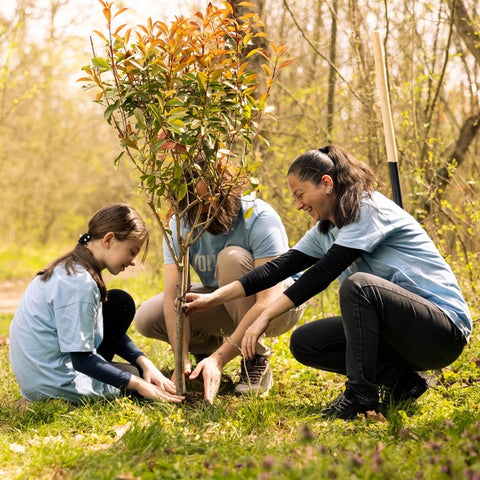
Biochar enhances soil fertility while capturing carbon. It can improve crop yields and soil health when applied sustainably.
Welcome to the wonderful world of biochar technology that's revolutionizing farming practices in Uttar Pradesh. We're happy to share how these projects are helping farmers boost their harvests while contributing to global climate action.
✅ What is Biochar and Why Uttar Pradesh?
Biochar is a carbon-rich material produced by heating organic waste in low-oxygen conditions. This process, called pyrolysis, creates a stable form of carbon that can remain in soil for centuries. Uttar Pradesh, with its vast agricultural lands and abundant crop residues, provides the perfect environment for biochar production.
The state generates over 60 million tonnes of crop residues annually, according to United Nations Sustainable Development Goals data on sustainable agriculture. Instead of burning these residues and contributing to air pollution, farmers can now transform them into valuable biochar.
Biochar improves water retention in sandy soils, acting like a sponge to hold nutrients and moisture for plants.
⭐ Current Biochar Projects Across Uttar Pradesh
Several districts in Uttar Pradesh are leading biochar implementation initiatives. Meerut, Agra, and Lucknow have established community-based biochar production units. These projects focus on converting rice straw, wheat stubble, and sugarcane bagasse into high-quality biochar.
Biochar projects follow sustainable practices and provide training to local farmers.
Government support through the National Mission for Sustainable Agriculture has accelerated biochar adoption. Over 500 farmers across 15 districts now actively participate in biochar production and application programs.
💡 Soil Health Benefits of Biochar
Biochar transforms soil structure by creating microscopic pores that improve aeration and water infiltration. The material provides a habitat for beneficial microorganisms that enhance nutrient cycling.
Biochar reduces fertilizer requirements by retaining nutrients that would otherwise leach away. This reduces input costs.
The organic nature of biochar means it doesn't introduce harmful chemicals into the soil ecosystem. Instead, it nurtures natural processes that have sustained agriculture for millennia.
Key Soil Improvements
- Enhanced water holding capacity
- Improved nutrient retention
- Better soil structure and porosity
- Increased microbial activity
- Balanced soil pH levels
🌱 Carbon Sequestration Impact
Biochar projects in Uttar Pradesh contribute significantly to carbon sequestration efforts. Each tonne of biochar can sequester approximately 3.67 tonnes of CO2 equivalent from the atmosphere. United Nations climate change initiatives recognize biochar as a negative emission technology.
The stable carbon in biochar remains locked in soil for hundreds of years.
We provide GeoTag technology to track carbon sequestration at individual farm levels. This transparency helps farmers understand their environmental impact while building trust in carbon credit markets.
⭐ Production Methods and Technology
Modern biochar production uses efficient pyrolysis systems designed for small-scale operations, generating useful byproducts like bio-oil and syngas that can be used for heating or electricity.
We ensure that production methods follow international standards for biochar quality. Temperature control during pyrolysis determines the final properties of biochar, affecting its effectiveness for different soil types.
Community-based production models allow farmers to share costs and expertise. Our team provides training on safe operation procedures and quality control measures. This collaborative approach builds local capacity while ensuring sustainable production practices.
Production Process Steps
- → Collect and prepare biomass feedstock
- → Load material into pyrolysis chamber
- → Heat to 400-700°C in oxygen-limited environment
- → Cool and process resulting biochar
- → Test quality and apply to fields
💡 Economic Benefits for Farmers
Biochar projects create multiple revenue streams for Uttar Pradesh farmers. Primary income comes from improved crop yields and reduced input costs. Secondary benefits include selling excess biochar to neighboring farms and participating in carbon credit programs.
Biochar can improve farm income through higher productivity and lower fertilizer costs.
Government subsidies and support programs make biochar technology accessible to small-scale farmers. Our partners help navigate funding opportunities and provide technical assistance throughout the implementation process.
🌿 Environmental Co-benefits
Beyond soil health and carbon sequestration, biochar projects deliver additional environmental benefits. Reduced crop residue burning improves air quality across northern India. WWF forest conservation efforts highlight how biochar production can reduce pressure on forest resources for fuel.
Biochar reduces irrigation requirements while maintaining crop productivity.
Biodiversity improvements occur as soil health recovers, with increased earthworm populations and beneficial insect activity in biochar-treated fields.
⚠️ Challenges and Solutions
Initial setup costs present the primary barrier to biochar adoption in Uttar Pradesh. However, we provide flexible financing options and group purchasing arrangements to address this challenge. Technical knowledge gaps require ongoing training and support programs.
Quality control remains essential for effective biochar application. We ensure farmers understand proper application rates and timing for different crops. Standardized testing protocols help maintain consistency across production units.
Market development for biochar products continues evolving. Our team connects farmers with buyers while building awareness about biochar benefits among agricultural communities.
🚀 Future Expansion Plans
Biochar projects in Uttar Pradesh are expanding, aligning with national goals for sustainable agriculture and climate action.
We're working to integrate biochar projects with our mission to plant 100 crore trees across India. The combination of reforestation and soil improvement creates powerful synergies for environmental restoration. Plant a tree in your Name while supporting biochar adoption in your local community.
Technology improvements will make biochar production more efficient and cost-effective. Mobile pyrolysis units could bring biochar technology directly to remote farming communities. Digital monitoring systems will track carbon sequestration and soil health improvements in real-time.
Frequently Asked Questions
What crops benefit most from biochar application in Uttar Pradesh?
Rice, wheat, sugarcane, and vegetable crops respond well to biochar application, particularly in sandy soils. Biochar can work across major crop systems when properly applied.
How much biochar should farmers apply per hectare?
Optimal application rates range from 2-5 tonnes per hectare, depending on soil type and crop requirements. Sandy soils typically need higher rates for maximum benefit. We provide soil testing services to determine precise application recommendations for each farm.
Can small farmers afford biochar technology?
Yes, community-based production models make biochar accessible to small farmers. Group purchasing and government subsidies reduce individual costs significantly. The improved yields and reduced input expenses quickly offset the initial investment.
How long does biochar remain effective in soil?
Biochar can remain active in soil for hundreds of years due to its stable carbon structure. However, maximum benefits for crop productivity typically occur within the first 5-10 years after application. Regular soil testing helps optimize long-term management strategies.
What biomass materials work best for biochar production?
Rice straw, wheat stubble, and sugarcane bagasse produce excellent biochar in Uttar Pradesh. Corn stalks and cotton stems also work well. The key is using dry, clean biomass with minimal contamination from chemicals or foreign materials.
Does biochar production require special permits?
Small-scale biochar production for on-farm use typically doesn't require special permits. However, commercial production facilities may need environmental clearances. We help farmers navigate regulatory requirements and ensure compliance with local guidelines.
How does biochar compare to traditional compost?
Biochar provides longer-lasting benefits than compost due to its stable carbon structure. While compost improves soil biology, biochar enhances physical properties like water retention and nutrient holding capacity. The best results come from combining both amendments.
Can biochar help reduce fertilizer costs?
Biochar reduces fertilizer requirements while maintaining or improving crop yields, as the material retains nutrients that would otherwise leach from the soil. This reduces input costs.
🌟 Join the Biochar Revolution
Biochar projects in Uttar Pradesh represent a wonderful opportunity to improve farming while combating climate change through collective action. Our team stands ready to help farmers implement this proven technology for sustainable agriculture.
The future of farming depends on innovations like biochar that work with natural systems rather than against them. We love supporting farmers who choose sustainable practices that benefit both their land and the planet.
Ready to explore biochar opportunities for your farm? Learn more about our comprehensive environmental programs including 2-3ft Tree Planting + 3 Years Care + GeoTag services. Together, we can transform agriculture while building a greener future for generations to come.
Biochar programmes with Grow Billion Trees
Biochar turns crop and farm waste into a stable form of carbon that improves soil. We run biochar alongside plantation and agroforestry programmes for companies.
- Biochar programme
- How to get carbon credits in India
- Agroforestry programme
- CSR rules for tree plantation
Talk to our team about a programme for your company.