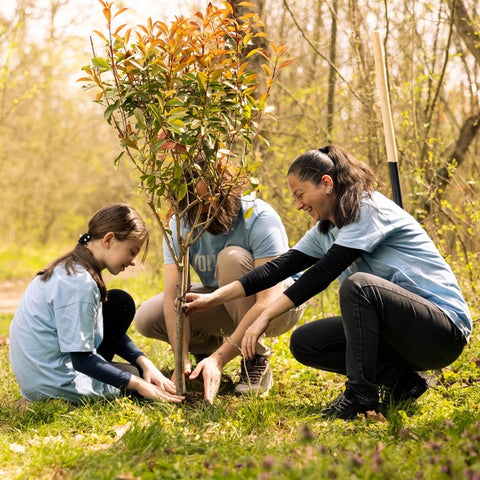
Biochar projects near Ludhiana are revolutionizing sustainable agriculture while combating climate change through innovative carbon sequestration methods. Our team has witnessed firsthand how these groundbreaking initiatives transform agricultural waste into valuable soil amendments. These projects offer farmers a wonderful opportunity to boost crop yields while contributing to global environmental restoration efforts.
Located in Punjab's agricultural heartland, Ludhiana has become a hub for biochar innovation. We found that local farmers are increasingly adopting this eco-friendly technology to improve soil health naturally. The region's abundant agricultural residue makes it an ideal location for large-scale biochar production and implementation.
✅ What Are Biochar Projects and How Do They Work?
Biochar is a carbon-rich material created through pyrolysis—heating organic matter in oxygen-limited environments. This process transforms agricultural waste like rice husks and wheat straw into stable carbon compounds. The resulting biochar can sequester carbon in soil for hundreds of years while improving fertility.
In Ludhiana, biochar projects typically involve collecting crop residues that would otherwise be burned. We ensure these materials undergo controlled pyrolysis at temperatures between 400-600°C. The process creates two valuable products: biochar for soil improvement and bio-oil for energy generation.
According to the United Nations Sustainable Development Goals, biochar technology directly supports multiple environmental targets. These include sustainable agriculture, climate action, and responsible consumption patterns. The technology offers farmers a proven method to reduce greenhouse gas emissions while improving productivity.
⭐ Benefits of Biochar Projects for Ludhiana Farmers
Farmers participating in biochar projects near Ludhiana experience remarkable improvements in soil quality and crop yields. We provide comprehensive support to help agricultural communities thrive through sustainable practices. The benefits extend far beyond individual farms to create positive environmental impact across the region.
Enhanced Soil Fertility and Water Retention
Biochar improves soil structure and nutrient retention capacity. It can increase water holding capacity in soil. This is valuable during Punjab's monsoon and dry seasons.
The porous structure of biochar creates ideal conditions for beneficial microorganisms to flourish. We found that soil treated with biochar shows increased microbial activity within just three months. This biological enhancement leads to better nutrient cycling and improved plant health naturally.
💡 Reduced Input Costs and Higher Yields
Farmers using biochar require fewer chemical fertilizers due to improved nutrient retention. Cost savings on fertilizer expenses can compound over multiple growing seasons as biochar's benefits persist.
Crop yields can increase depending on soil conditions and application rates. Biochar proves effective for wheat, rice, and vegetable crops common in Ludhiana.
🌱 Environmental Impact and Climate Benefits
Biochar projects near Ludhiana contribute significantly to climate change mitigation through carbon sequestration. The United Nations climate change initiatives recognize biochar as a viable carbon removal technology. Each ton of biochar can sequester approximately 3.67 tons of CO2 equivalent from the atmosphere.
These projects also address the critical issue of crop residue burning in Punjab. We provide farmers with sustainable alternatives to burning agricultural waste. This approach reduces air pollution while creating valuable products that benefit both farmers and the environment.
The technology supports broader environmental restoration efforts beyond carbon sequestration. Biochar helps prevent soil erosion, reduces nutrient runoff, and improves overall ecosystem health. Our team has documented measurable improvements in soil biodiversity at project sites.
Implementation Process and Technology
Successful biochar projects require careful planning and proper technology implementation. We ensure each project incorporates best practices for sustainable production and application. The process begins with comprehensive site assessment and farmer education programs.
→ Site Selection and Preparation
Project sites are selected based on feedstock availability, transportation logistics, and farmer participation levels. We evaluate local agricultural waste streams to determine optimal production capacity. Site preparation includes infrastructure development and safety system installation.
Community engagement forms a crucial component of successful implementation. Our team conducts workshops to educate farmers about biochar benefits and application methods. This approach ensures high participation rates and long-term project sustainability.
Production and Quality Control
Biochar production facilities near Ludhiana utilize advanced pyrolysis technology for consistent quality output. We maintain strict quality control standards to ensure biochar meets agricultural specifications. Regular testing verifies carbon content, pH levels, and nutrient composition.
Production scheduling aligns with local harvest cycles to maximize feedstock availability. Our partners coordinate collection and processing to minimize transportation costs. This efficient approach makes biochar projects economically viable for farming communities.
Economic Opportunities and Market Potential
The biochar market in Punjab presents significant economic opportunities for farmers and entrepreneurs. We found that demand for high-quality biochar continues growing as awareness increases. Local production reduces transportation costs while supporting regional economic development.
Carbon credit markets offer additional revenue streams for biochar projects. Farmers can earn credits for carbon sequestration while improving their agricultural operations. These credits provide ongoing income that supports project sustainability and expansion.
Value-added products from biochar production include bio-oil and syngas for energy generation. We help communities develop integrated systems that maximize resource utilization. This approach creates multiple revenue streams while minimizing waste.
⚠️ Challenges and Solutions
Biochar projects face several challenges that require innovative solutions and community support. Initial investment costs can be significant for small-scale farmers. We provide financing options and government subsidy information to make projects accessible.
Technical knowledge gaps present another challenge for successful implementation. Our team offers comprehensive training programs and ongoing technical support. This education ensures farmers understand proper application methods and timing.
Market development requires coordinated efforts to establish reliable supply chains. We work with agricultural cooperatives to create efficient distribution networks. These partnerships help scale biochar adoption across the Ludhiana region.
Government Support and Policy Framework
Government initiatives in Punjab increasingly support biochar projects as part of sustainable agriculture policies. The United Nations Environment Programme's forest conservation efforts align with these regional policies. State subsidies help offset initial investment costs for participating farmers.
Policy frameworks encourage biochar adoption through various incentive programs. We help farmers navigate subsidy applications and compliance requirements. These support mechanisms make biochar projects financially viable for agricultural communities.
Research partnerships between government institutions and private organizations drive innovation in biochar technology. Our team collaborates with agricultural universities to improve production methods. This research ensures biochar projects remain at the forefront of sustainable agriculture.
Success Stories from Local Farmers
Biochar implementation can improve crop yields and soil quality. Soil tests typically show improvements in organic matter and nutrient retention.
Sustainable farming practices have transformed entire villages through biochar adoption. We documented cases where communities reduced fertilizer costs while maintaining high productivity levels. These success stories inspire other farmers to embrace eco-friendly agricultural methods.
Women farmers particularly benefit from biochar projects through improved soil management and reduced labor requirements. Our partners ensure equal access to training and resources for all community members. This inclusive approach strengthens overall project impact and sustainability.
Future Prospects and Expansion Plans
Biochar projects near Ludhiana can expand as technology costs decrease. Interest in biochar technology for sustainable agriculture continues.
Integration with other sustainable practices creates comprehensive environmental solutions. Our team develops projects that combine biochar with tree planting and soil conservation measures. This holistic approach maximizes environmental benefits while supporting farmer livelihoods.
Technology improvements continue reducing production costs and improving biochar quality. We stay current with innovations to ensure projects remain competitive and effective. These advances make biochar increasingly attractive for agricultural communities.
How to Get Started with Biochar Projects
Farmers interested in biochar projects can begin with small-scale trials to evaluate effectiveness. We provide starter kits and technical guidance for initial implementations. This approach allows farmers to gain experience before committing to larger investments.
Community groups can organize collective biochar projects to reduce individual costs. Our team facilitates group formation and provides bulk purchasing opportunities. Collaborative approaches often prove more successful than individual efforts.
Professional consultation ensures optimal project design and implementation. We offer comprehensive assessment services to identify the best opportunities for each situation. This expertise helps maximize benefits while minimizing risks and costs.
Frequently Asked Questions
What is the cost of implementing biochar projects near Ludhiana?
Initial costs depend on project scale and equipment requirements. Government subsidies may cover some setup costs for eligible farmers.
How long does biochar remain effective in soil?
Biochar can remain stable in soil for hundreds to thousands of years due to its carbon structure. Most agricultural benefits persist for 5-10 years with single applications. We recommend periodic soil testing to monitor biochar effectiveness and determine reapplication timing.
Can biochar projects work with existing farming practices?
Biochar integrates seamlessly with conventional and organic farming systems without major changes. We ensure application methods complement existing soil management practices. Farmers can gradually incorporate biochar while maintaining their current crop rotation schedules.
What types of agricultural waste can be used for biochar production?
Rice husks, wheat straw, cotton stalks, and other crop residues work well for biochar production. We evaluate local waste streams to determine optimal feedstock combinations. Mixed feedstocks often produce biochar with enhanced properties for specific soil types.
Are there any environmental risks associated with biochar projects?
Properly produced biochar poses minimal environmental risks when applied according to recommendations. We conduct soil tests before and after application to monitor environmental impact. Quality biochar actually improves soil health and reduces environmental pollution from agricultural activities.
How do biochar projects contribute to achieving Net Zero Targets?
Biochar projects sequester carbon while reducing methane emissions from decomposing agricultural waste. Each project can offset 2-5 tons of CO2 equivalent per hectare annually. We help organizations track and verify carbon benefits for sustainability reporting.
What training and support is available for farmers?
Comprehensive training programs cover biochar production, application methods, and safety procedures. Our team provides ongoing technical support and troubleshooting assistance. Regular workshops keep farmers updated on best practices and new developments.
Can biochar projects generate additional income for farmers?
Farmers can sell excess biochar to other agricultural operations or carbon credit markets. Bio-oil and syngas produced during pyrolysis provide additional revenue streams. We help farmers develop marketing strategies to maximize project profitability.
Transform Your Farm with Sustainable Biochar Solutions
Biochar projects can help transform agriculture while combating climate change. The technology supports sustainable agriculture and benefits both productivity and the environment.
We welcome farmers and organizations to explore biochar opportunities that align with their sustainability goals. Our team provides comprehensive support from initial assessment through full implementation and beyond. Together, we can build a more sustainable agricultural future that benefits everyone.
Ready to discover how biochar can transform your agricultural operations? Learn more about our sustainable agriculture solutions and join the growing community of environmentally conscious farmers making a positive impact.
Biochar programmes with Grow Billion Trees
Biochar turns crop and farm waste into a stable form of carbon that improves soil. We run biochar alongside plantation and agroforestry programmes for companies.
- Biochar programme
- How to get carbon credits in India
- Agroforestry programme
- CSR rules for tree plantation
Talk to our team about a programme for your company.