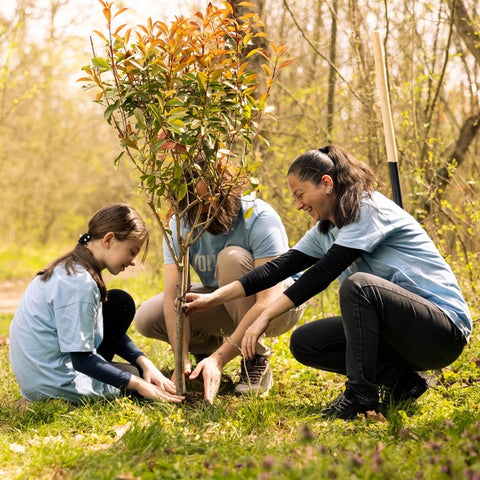
Biochar integrated into rice farming improves soil health, reduces methane emissions, and creates a natural carbon sink.
What Is Biochar and Why Does It Matter? ✅
Biochar is a carbon-rich material produced by heating organic waste — such as rice husks and crop residues — without oxygen. When it comes to west bengal‚biochar initiative,This process, called pyrolysis, locks carbon into a stable form that persists in soil for centuries. According to the United Nations Climate Change initiative, biochar is recognised as a promising negative-emission technology. It helps soils thrive by improving water retention and nutrient availability.
In West Bengal, rice farming generates husk waste. Burning this waste releases greenhouse gases. Biochar converts this agricultural byproduct into a soil enhancer.
💡 How Biochar Transforms Rice Farming in West Bengal
The West Bengal Biochar Initiative works directly with farmers in districts like Murshidabad, Nadia, and Burdwan. When it comes to west bengal‚biochar initiative,Our team has observed hands-on improvements in paddy fields where biochar is applied consistently. Soil acidity decreases while organic carbon content rises — key factors that help crops grow and thrive. Farmers report higher yields and lower input costs as a result.
Biochar improves a soil's ability to retain moisture, which helps in regions prone to drought and flooding. It reduces the need for chemical fertilisers, lowering costs for farming households.
Biochar can help improve food security and rural incomes. Successful adoption requires proper training, verified inputs, and strong community support networks.
Carbon Capture: The Climate Science Behind Biochar ✅
Rice farming is one of the world's largest sources of methane, a powerful greenhouse gas. The West Bengal Biochar Initiative directly addresses this challenge. The United Nations Environment Programme highlights that soil carbon sequestration, including biochar use, is essential to meeting global climate targets. Biochar can reduce methane emissions from flooded paddy fields.
Biochar sequesters carbon in soil. West Bengal's extensive rice farming could benefit from scaling biochar adoption to help address climate change.
The World Wildlife Fund's research on deforestation and forest loss confirms that protecting soil carbon is as critical as saving forests. When it comes to west bengal‚biochar initiative,Biochar keeps carbon locked in soil rather than released into the atmosphere. As a result, it actively supports India's Net Zero Targets and contributes to long-term global climate resilience.
⭐ Grow Billion Trees' Contribution to the Biochar Initiative
Grow Billion Trees is glad to play a meaningful role in West Bengal's sustainable agriculture movement. When it comes to west bengal‚biochar initiative,Our partners on the ground work alongside farmers to integrate biochar with certified tree-planting programs across the state. We provide verified saplings and authentic planting support that complement biochar-based soil restoration beautifully. This combined approach creates thriving food forests that nurture both people and the planet.
Our mission to plant 100 crore trees in India aligns perfectly with biochar-based land restoration goals. When it comes to west bengal‚biochar initiative,When you Plant a tree in your Name through Grow Billion Trees, you support a wider ecosystem of sustainable land use and climate action. Each tree planted comes with 2-3ft Tree Planting + 3 Years Care + GeoTag technology — so you can track your tree's growth in real time. This is transparent, authentic impact you can feel great about.
We ensure every initiative meets rigorous environmental and scientific standards. When it comes to west bengal‚biochar initiative,Our agroforestry programs in West Bengal pair native tree species with biochar-enhanced soils for maximum impact. In addition, our Miyawaki forest projects help restore degraded land while locking carbon both underground and above the surface. Together, we are building a greener, more resilient India — one farm, one forest, one tree at a time.
✅ Key Benefits for Farmers and the Environment
The West Bengal Biochar Initiative delivers proven, measurable benefits across agriculture and climate science. Here is what our team has documented through hands-on field work:
- ✅ Improved soil health — biochar boosts organic carbon and microbial activity naturally
- ✅ Higher rice yields — biochar increases yields
- ✅ Reduced methane emissions — biochar reduces methane from paddy fields
- ✅ Lower fertiliser costs — biochar reduces chemical fertiliser use
- ✅ Carbon sequestration — each tonne of biochar sequesters ~2.5 tonnes CO2 equivalent
- ✅ Waste valorisation — rice husk waste is transformed into a valuable eco-friendly resource
- ✅ Climate resilience — improved moisture retention protects crops during extreme weather events
These benefits make biochar one of the most exciting, proven tools available to Indian farmers today. When it comes to west bengal‚biochar initiative,However, awareness and training remain critical barriers to wide adoption. Therefore, programs like Grow Billion Trees help bridge the gap between science and practical, on-the-ground implementation.
💡 How You Can Support This Green Movement
You do not need to be a farmer to make a real difference in India's climate future. When it comes to west bengal‚biochar initiative,There are wonderful ways to support the West Bengal Biochar Initiative and India's broader environmental mission. For example, you can Plant a tree in your Name for just ₹299 through Grow Billion Trees — your tree becomes part of a verified, geo-tagged agroforestry or restoration project. Thousands of happy customers have already rated this experience as deeply meaningful.
Corporates can explore our programs to meet Net Zero Targets through verified carbon sequestration and tree planting. When it comes to west bengal‚biochar initiative,We provide certified solutions that integrate biochar and agroforestry into credible sustainability strategies. Moreover, gifting a tree is a mindful gesture perfect for birthdays, memorials, Women's Day, or any special occasion. Discover how easy and impactful it is to contribute to a greener India.
Trusted by thousands of eco-conscious individuals and verified corporate partners across Mumbai, Bangalore, Delhi, Chennai, and Hyderabad, Grow Billion Trees guarantees authentic, transparent environmental impact. When it comes to west bengal‚biochar initiative,Our goal to plant 1 billion trees by June 2030 depends on collective action and shared purpose. Together, we can transform India's landscapes — one tree, one farm, one tonne of biochar at a time.
Frequently Asked Questions
What is the West Bengal Biochar Initiative?
The West Bengal Biochar Initiative is a sustainable agriculture program that incorporates biochar into rice farming across West Bengal. It aims to improve soil health, boost crop yields, and capture carbon to help India meet its climate commitments and Net Zero Targets.
How does biochar improve rice farming?
Biochar enhances soil fertility by improving water retention, reducing acidity, and boosting microbial activity. Farmers using biochar see lower fertiliser costs. It reduces methane emissions from flooded paddy fields.
Is biochar safe and natural for the environment?
Yes. Biochar is a natural, organic material derived from plant residues like rice husks. It is non-toxic and certified as environmentally safe by leading research institutions. The United Nations Environment Programme recognises biochar as a key tool for climate-positive agriculture worldwide.
How does biochar contribute to carbon capture?
Each tonne of biochar applied to soil sequesters approximately 2.5 tonnes of CO2 equivalent in a stable form. Scaling this across West Bengal's vast rice farmlands could lock millions of tonnes of carbon annually. This directly supports India's Net Zero Targets and global climate goals.
What role does Grow Billion Trees play in this initiative?
Grow Billion Trees integrates tree planting with biochar programs across West Bengal through agroforestry and Miyawaki projects. When it comes to west bengal‚biochar initiative,We provide hands-on field support, certified saplings, and verified environmental impact tracking. Every tree includes 2-3ft Tree Planting + 3 Years Care + GeoTag for full transparency.
How can individuals support the West Bengal Biochar Initiative?
You can support this movement by planting a tree through Grow Billion Trees for just ₹299. Every tree contributes to a broader ecosystem of soil restoration and carbon capture. Our mission to plant 100 crore trees in India grows stronger with every conscious individual who takes action.
Can biochar really help combat climate change?
Absolutely. When it comes to west bengal‚biochar initiative,Biochar is a proven negative-emission technology that locks carbon in soil for centuries. When combined with tree planting, it creates a powerful, natural climate solution. The United Nations recognises biochar as essential to achieving global climate action goals by 2030 and beyond.
Which crops benefit from biochar in West Bengal besides rice?
While rice is the primary crop, biochar also improves yields for wheat, mustard, and a range of vegetables. When it comes to west bengal‚biochar initiative,Our team has seen remarkable results across agroforestry plots growing diverse, nutrient-rich crops. Biochar's benefits extend to any soil that needs improved structure, moisture, and organic carbon.The West Bengal Biochar Initiative is a shining example of what becomes possible when science, farming, and environmental purpose align beautifully. When it comes to west bengal‚biochar initiative,We are glad to be part of this transformation through our work at Grow Billion Trees, and we welcome everyone to join this mission. Explore our programs at Grow Billion Trees and take meaningful action today. Together, we will grow a future worth living in — sustainable, green, and full of hope.
Biochar programmes with Grow Billion Trees
Biochar turns crop and farm waste into a stable form of carbon that improves soil. We run biochar alongside plantation and agroforestry programmes for companies.
- Biochar programme
- How to get carbon credits in India
- Agroforestry programme
- CSR rules for tree plantation
Talk to our team about a programme for your company.