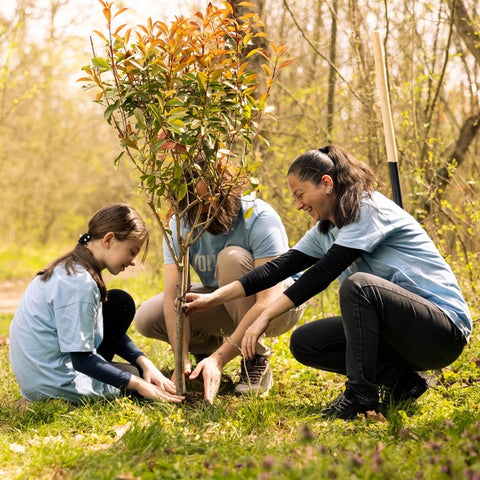
Biochar projects near Surat are transforming degraded farmlands into thriving, productive ecosystems across South Gujarat. Biochar — a carbon-rich material created by heating organic waste — improves soil fertility, retains moisture, and sequesters carbon for hundreds of years. In 2026, farmers and environmental groups near Surat are embracing this proven, natural soil amendment as a powerful solution for sustainable agriculture and climate action.
What Is Biochar and Why Does It Matter?
Biochar is produced through pyrolysis — heating biomass such as rice husks, sugarcane bagasse, or wood chips in low-oxygen conditions. The result is a stable, porous carbon material that improves soil structure organically. According to the United Nations Climate Change initiative, biochar can sequester up to 2.5 billion tonnes of CO₂ annually if adopted at scale globally — making it one of the most impactful tools available today.
For farmers near Surat, this matters greatly. The region's soils — particularly across the Tapi River basin — face serious challenges including low organic matter, waterlogging, and salinisation. Biochar addresses all three issues naturally and without harmful chemicals.
Biochar can improve soil water retention, which helps farmers manage variable monsoon patterns.
⚠️ The Growing Soil Crisis Near Surat
Surat sits along the Tapi River basin. Intensive farming has depleted soils and degraded agricultural land, threatening food security and farm livelihoods.
The World Wildlife Fund's research on deforestation and land degradation highlights how tree loss and soil decline are deeply linked. When forests disappear, topsoil erodes rapidly and agricultural productivity declines.
Moreover, chemical fertiliser overuse has acidified many farm plots across the district. Biochar raises soil pH naturally, creating a more balanced environment for root growth. Farmers near Hazira, Bardoli, and Olpad have reported visible, measurable improvements after just one full biochar application cycle.
✅ How Biochar Projects Near Surat Are Working in 2026
Several community-led and NGO-supported biochar projects are now active across Surat district. These initiatives convert agricultural waste — particularly sugarcane bagasse from Surat's thriving sugar industry — into high-quality, eco-friendly biochar. This circular approach reduces agricultural waste while simultaneously improving soil health for future generations.
Biochar can reduce fertilizer needs and improve crop yields when applied consistently over growing seasons.
The projects follow a simple, proven model: collect crop residue, convert it using affordable kilns, and apply biochar at 2–5 tonnes per hectare before the kharif season. This process is natural, cost-effective, and proven across tropical climates similar to Gujarat's warm, humid conditions.
According to UNEP's forest and land restoration research, combining biochar with tree planting creates a powerful synergy for ecosystem recovery. Trees add organic matter continuously; biochar locks that carbon into the soil permanently. Together, these methods can restore even severely degraded agricultural land to full productivity.
💡 Key Benefits of Biochar for Gujarat's Farmlands
- ✅ Carbon sequestration: Biochar stores carbon for extended periods, supporting India's net zero target.
- ✅ Water retention: Porous biochar holds up to 6x its weight in water, significantly reducing irrigation needs.
- ✅ Nutrient retention: Prevents leaching of nitrogen and phosphorus, reducing costly fertiliser runoff.
- ✅ Soil pH balance: Naturally raises acidic soil pH, improving crop health without synthetic chemicals.
- ✅ Microbial activity: Biochar's porous structure provides ideal habitat for beneficial soil microbes that nurture plant roots.
- ✅ Reduced greenhouse gases: Biochar can help lower methane and nitrous oxide emissions from farmland.
In South Gujarat's humid subtropical climate, biochar combined with organic compost can improve soil structure and biological activity for sustained soil fertility.
⭐ Grow Billion Trees: Nurturing Surat's Green Future
At Grow Billion Trees, we are glad to support soil restoration efforts alongside our broader reforestation mission. Our goal to plant 100 crore trees across India by June 2030 directly supports healthier soils — because trees and soil health are fundamentally inseparable. Every tree we plant builds the organic matter that future biochar feedstock can be sourced from.
We provide 2-3ft Tree Planting + 3 Years Care + GeoTag technology so you can track your tree's growth in real time using a verified digital certificate. When you Plant a tree in your Name for just ₹299, you are investing in Gujarat's soil future and contributing to genuine ecosystem restoration. This is a wonderful, accessible way to take personal action for the planet.
Our agroforestry programs near Surat integrate tree planting with biochar soil preparation. We ensure that trees planted in degraded soils receive biochar-amended beds, giving them the strongest possible start in challenging conditions. This certified, hands-on approach maximises tree survival rates and delivers long-term carbon sequestration benefits.
We love working alongside farmers who are ready to transform their land and their futures. Our partners across Surat, Bardoli, and Navsari have seen great results — healthier crops, lower input costs, and a renewed sense of purpose in caring for their earth. Combating Climate Change Through Collective Action is not simply a slogan; it is our daily, conscious mission.
→ Steps to Start a Biochar Project Near Surat
- Assess your soil: Get a basic soil test to understand pH, organic matter content, and nutrient levels before you begin.
- Source biomass locally: Identify agricultural waste streams — sugarcane bagasse, rice husks, or woody debris all work well as feedstock.
- Produce or purchase biochar: Use a cone kiln or retort kiln for small-scale production, or source certified biochar from local suppliers.
- Apply biochar with compost: Mix biochar with compost at a 1:3 ratio and apply 2–5 tonnes per hectare before planting season.
- Plant trees alongside crops: Integrate tree planting to boost long-term soil organic matter, biodiversity, and shade cover.
- Monitor and record outcomes: Track yield improvements, water use, and soil health indicators over two to three full growing seasons.
These steps are simple, proven, and affordable for farmers at every scale. In addition, several Gujarat state government schemes now subsidise biochar kiln installation for registered agricultural households. Therefore, the financial barrier to entry is lower in 2026 than ever before.
Why Surat Is an Ideal Hub for Biochar Innovation
Surat is uniquely positioned to lead biochar adoption across India. The city's large textile and sugar industries generate significant organic waste streams that are ideal biochar feedstocks. Moreover, Surat's location near both the Arabian Sea coastline and the Tapi River means diverse ecosystems — from mangroves to inland dryland farms — can all benefit from integrated soil restoration programs.
The United Nations Sustainable Development Goals specifically target land degradation neutrality by 2030. Biochar projects near Surat align directly with SDG 15 (Life on Land) and SDG 13 (Climate Action). As a result, Surat has a real opportunity to position itself as a model green city and a leader in sustainable soil management for all of India.
Our team has found that urban and peri-urban composting programs already active in Surat provide a steady, reliable feedstock supply for high-quality biochar production. This creates a closed-loop, mindful system that respects waste, resources, and the wider environment. In 2026, several municipal bodies in Gujarat are actively exploring biochar as part of their official solid waste management strategy — a happy development for the region's future.
Frequently Asked Questions
What is biochar and how is it made?
Biochar is a carbon-rich material produced by heating organic waste such as crop residues or wood chips at high temperatures with limited oxygen. This process, called pyrolysis, converts biomass into a stable, porous carbon structure. It improves soil health for centuries and is entirely natural and organic.
How do biochar projects near Surat improve soil health?
Biochar improves soil by increasing water retention, balancing pH, boosting microbial activity, and reducing nutrient leaching. For Surat's degraded agricultural soils, this means better crop yields with fewer chemical inputs. It is a proven, sustainable solution with measurable, long-term benefits for Gujarat's farming communities.
What crops benefit most from biochar in Gujarat?
Groundnut, sugarcane, cotton, and mango respond well to biochar amendment in South Gujarat.
Is biochar certified safe for organic farming?
Yes. Biochar made from clean, non-toxic biomass is certified for use in organic farming systems. It contains no harmful chemicals and actually reduces the need for synthetic fertilisers over time. Our partners use verified biochar sources that meet both national and international quality and safety standards.
How does biochar help India reach its Net Zero Targets?
Biochar stores carbon in soil for extended periods, making it a durable carbon removal tool. Widespread biochar adoption combined with large-scale reforestation supports India's net zero target.
Can biochar application be combined with tree planting?
Absolutely. Combining biochar with tree planting creates a powerful, compounding synergy — trees add organic matter continuously over time, while biochar locks existing carbon into the soil permanently. Grow Billion Trees' agroforestry programs near Surat combine both practices, delivering a double climate and soil health benefit on every planted hectare.
How much does it cost to start a biochar project near Surat?
Biochar production equipment and commercial-grade biochar are available for purchase from suppliers. Gujarat government subsidies and NGO partnerships may help registered farmers with startup costs.
How does Grow Billion Trees support biochar and soil restoration?
Grow Billion Trees integrates biochar soil preparation into its agroforestry and tree planting programs across India. When you Plant a tree in your Name for ₹299, you support not just tree growth but entire soil restoration ecosystems. Our programs near Surat include biochar-amended planting beds that maximise tree survival and carbon impact.
What is the best season to apply biochar in South Gujarat?
The ideal time to apply biochar near Surat is before the kharif season begins in June, or during soil preparation in October ahead of the rabi season. Mixing biochar with compost two to four weeks before planting delivers the best nutrient availability and microbial colonisation results for most crops grown in the region.
How can I get involved in biochar projects near Surat?
You can get involved by joining local farmer cooperatives, connecting with environmental NGOs active in South Gujarat, or supporting reforestation and agroforestry programs like those run by Grow Billion Trees. Every conscious action — however small — contributes to a greener, healthier earth and a more resilient future for all of India.
Take Action for Surat's Soil Today
Biochar projects near Surat represent a wonderful, proven opportunity to restore the land, improve farmer livelihoods, and fight climate change — all at once. The science is clear, the outcomes are verified, and the need is urgent. In 2026, there has never been a better time to act with purpose and commitment.
Welcome to a movement that is transforming India's soil and forests, one biochar bed and one tree at a time. Whether you are a farmer, a corporate partner seeking to meet Net Zero Targets, or simply a mindful individual who cares deeply about the earth — you can make a real difference today. Discover how to Plant a tree in your Name and support sustainable soil restoration by exploring Grow Billion Trees' programs across Gujarat and India.
Together, we are growing towards 100 crore trees by 2030. Your support helps us nurture healthier soils, greener landscapes, and a more resilient, thriving future for every community in India. Explore our programs and take action now.
Biochar programmes with Grow Billion Trees
Biochar turns crop and farm waste into a stable form of carbon that improves soil. We run biochar alongside plantation and agroforestry programmes for companies.
- Biochar programme
- How to get carbon credits in India
- Agroforestry programme
- CSR rules for tree plantation
Talk to our team about a programme for your company.