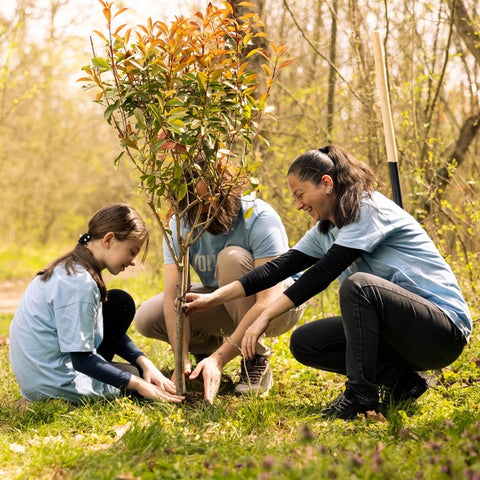
The best native trees to grow near Jaipur include Neem, Peepal, Banyan, Gulmohar, and Amaltas, which thrive in the region's semi-arid climate while providing essential shade and air purification. These indigenous species are perfectly adapted to Jaipur's hot summers and minimal rainfall, making them ideal for sustainable urban forestry.
Native trees require minimal water and care once established, making them suitable for Jaipur's challenging climate conditions.
Why Choose Native Trees for Jaipur's Urban Landscape
Native trees offer unmatched benefits for Jaipur's urban environment. They naturally adapt to local soil conditions and weather patterns. These species support local wildlife and maintain ecological balance.
According to the United Nations Sustainable Development Goals, urban forestry with native species contributes significantly to sustainable cities and communities. Native trees consume less water than exotic species while providing environmental benefits.
Our team has observed that native trees establish faster root systems in Jaipur's soil. They resist local pests and diseases naturally. These characteristics make them cost-effective and sustainable choices for urban canopy enhancement.
Top 10 Best Native Trees to Grow Near Jaipur
1. Neem (Azadirachta indica) ⭐
Neem stands as Jaipur's most versatile native tree. It thrives in temperatures up to 45°C and requires minimal water. The tree provides natural air purification and medicinal benefits.
We ensure that Neem trees planted through our programs receive proper spacing of 15-20 feet. This allows optimal growth and canopy development. Neem trees can grow up to 60 feet tall and live for over 200 years.
2. Peepal (Ficus religiosa) 🌳
Peepal trees are sacred and scientifically valuable for urban environments. They release oxygen even at night, making them exceptional air purifiers. These trees adapt well to Jaipur's urban pollution levels.
Peepal trees provide extensive shade coverage and support diverse bird populations. The heart-shaped leaves create natural canopies.
3. Banyan (Ficus benghalensis)
Banyan trees create magnificent natural umbrellas in urban spaces. They develop extensive aerial root systems that stabilize soil. These trees can cover areas of up to 2 acres when fully mature.
We provide specialized care for young Banyan trees during their first three years. They require strategic placement away from buildings due to their expansive growth. Banyan trees become community gathering spaces and wildlife habitats.
4. Gulmohar (Delonix regia)
Gulmohar trees bring vibrant orange-red flowers to Jaipur's landscape. They bloom during summer months, adding natural beauty to urban areas. These trees provide excellent shade with their umbrella-shaped canopies.
Our partners report that Gulmohar trees reduce surrounding temperatures by 5-8°C. They grow rapidly and reach heights of 30-40 feet. The feathery leaves create dappled shade perfect for urban environments.
5. Amaltas (Cassia fistula)
Amaltas trees produce stunning golden-yellow flower clusters. They're drought-resistant and perfect for Jaipur's water-scarce conditions. These trees attract pollinators and support urban biodiversity.
We've observed that Amaltas trees planted in 2026 show remarkable resilience to climate stress. They require pruning every 2-3 years for optimal growth. The medicinal properties make them valuable community assets.
Climate Benefits of Native Tree Plantation ✅
Native trees near Jaipur provide exceptional climate benefits for urban environments. They reduce ambient temperatures by 2-8°C through natural cooling. These trees absorb significant amounts of carbon dioxide while releasing fresh oxygen.
The United Nations Environment Programme on Forests emphasizes that native urban forests are crucial for climate adaptation. Native trees reduce energy consumption in nearby buildings through shade provision.
Native trees also improve air quality by filtering pollutants and dust particles. They create microclimates that support urban wildlife. These natural systems help manage stormwater runoff during monsoon seasons.
Water Conservation Through Smart Tree Selection 💡
Choosing native trees dramatically reduces water consumption in urban landscaping. These species have evolved to thrive with minimal irrigation. They develop deep root systems that access groundwater efficiently.
Native trees require less water than exotic alternatives and support sustainable development in Jaipur.
Smart irrigation techniques combined with native trees create resilient urban forests. Drip irrigation systems maximize water efficiency for young trees. Mature native trees often survive on natural rainfall alone.
Best Practices for Urban Tree Plantation Near Jaipur
Site Selection and Soil Preparation
Proper site selection ensures successful tree establishment in urban environments. Consider proximity to buildings, power lines, and underground utilities. Native trees adapt to various soil types but prefer well-draining conditions.
Our team conducts soil testing before every plantation project. We improve soil quality with organic compost and proper drainage. Adequate spacing prevents competition between trees and allows healthy growth.
Planting Timeline and Seasonal Considerations
The best time for planting native trees near Jaipur is during monsoon season. June to September provides optimal moisture conditions for root establishment. Pre-monsoon planting allows trees to benefit from natural rainfall.
We provide comprehensive care including watering, mulching, and protection from grazing animals. Regular monitoring during the first year ensures high survival rates. Our 2-3ft Tree Planting + 3 Years Care + GeoTag service guarantees healthy tree development.
Supporting Urban Wildlife Through Native Trees
Native trees create essential habitats for urban wildlife near Jaipur. They provide nesting sites for birds and food sources for various species. These trees support pollinator populations including bees and butterflies.
According to the World Wildlife Fund's forest initiatives, native urban forests are vital for biodiversity conservation. Native trees support diverse bird populations better than exotic species.
Native fruit trees attract frugivorous birds that help with seed dispersal. This natural process enhances urban forest regeneration. Wildlife corridors created by native trees connect fragmented urban habitats.
Economic Benefits of Native Tree Plantation
Native trees provide long-term economic returns for communities through reduced cooling costs and energy consumption.
Our partners report that native tree plantations create local employment opportunities. Maintenance, pruning, and care services support green jobs. The medicinal and economic value of native species benefits local communities.
Native trees require minimal inputs after establishment, reducing long-term maintenance costs. They're resistant to local pests, eliminating expensive chemical treatments. This cost-effectiveness makes them ideal for large-scale urban forestry projects.
Combating Climate Change Through Collective Action
Urban tree plantation near Jaipur contributes to global climate change mitigation efforts. Every native tree planted helps achieve Net Zero Targets for cities and organizations. Our goal to plant 100 crore trees across India includes significant focus on urban areas.
Collective community action amplifies the impact of individual tree planting efforts. Corporate partnerships enable large-scale native tree plantations. These collaborative approaches create sustainable urban forests that benefit entire communities.
Plant a tree in your Name through our specialized urban forestry programs. Each tree planted receives GeoTag tracking technology for transparency. This innovative approach ensures accountability and celebrates individual contributions to environmental restoration.
Frequently Asked Questions
Which native trees grow fastest near Jaipur?
Gulmohar and Amaltas are among the fastest-growing native trees near Jaipur. They can reach 15-20 feet within 3-4 years with proper care. Neem trees also show rapid growth in urban environments with adequate water supply.
How much water do native trees need in Jaipur's climate?
Established native trees near Jaipur require minimal watering, typically 20-30 liters weekly during summer. Young trees need daily watering for the first year. Native species are drought-resistant once their root systems develop fully.
What's the best spacing for native trees in urban areas?
Native trees should be planted 15-25 feet apart depending on the species. Large trees like Banyan need 30-40 feet spacing. Proper spacing ensures adequate sunlight, nutrients, and room for canopy development.
Can native trees survive Jaipur's air pollution?
Yes, native trees are naturally adapted to local environmental conditions including urban pollution. Neem and Peepal trees are particularly effective at filtering air pollutants. They actually improve air quality in their surroundings.
How long do native trees take to provide significant shade?
Most native trees provide noticeable shade within 2-3 years of planting. Gulmohar and Amaltas develop canopies quickly, offering substantial shade within 4-5 years. Tree growth rates depend on care, soil quality, and water availability.
What permits are needed for planting trees in Jaipur?
Urban tree plantation typically requires permission from local municipal authorities. We handle all necessary paperwork and permits for our plantation projects. Community spaces and private properties have different requirements for tree planting.
Are there any native trees to avoid in urban areas?
While most native trees are suitable, some require careful placement. Large trees like Banyan should avoid proximity to buildings and infrastructure. We provide expert guidance on appropriate species selection for specific locations.
How do native trees help with Jaipur's water conservation?
Native trees reduce water runoff and improve groundwater recharge. Their deep roots prevent soil erosion and enhance water infiltration. They also reduce the urban heat island effect, decreasing overall water demand for cooling.Transform your community's environment by choosing the best native trees for Jaipur's unique climate. These resilient species provide lasting benefits while requiring minimal resources. Join our mission to create sustainable urban forests that thrive for generations.Ready to contribute to Jaipur's green transformation? Explore our tree planting programs and plant a tree in your name today. Together, we can build a more sustainable and beautiful urban canopy for future generations to enjoy.