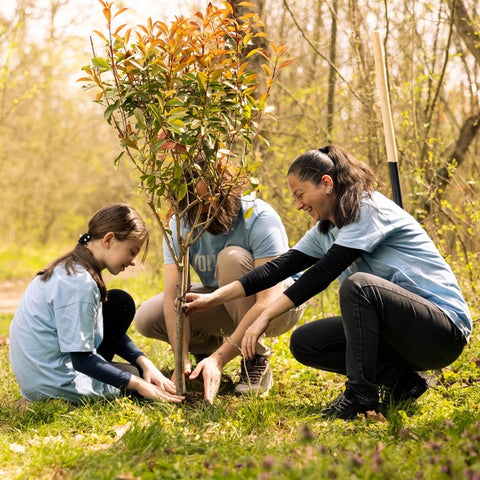
The best native trees to grow near Howrah include Banyan, Neem, Arjun, Peepal, Mahua, Sal, and Jackfruit — all proven to thrive in West Bengal's humid subtropical climate. These species improve air quality, nurture biodiversity, and transform urban spaces into thriving green corridors. In 2026, as cities like Howrah face intensifying heat and pollution, planting native trees is one of the most impactful actions a conscious citizen can take for our planet.
Howrah sits on the western bank of the Hooghly River, one of India's most densely populated urban zones. Rapid construction has reduced its natural green cover significantly. However, with the right native species and mindful planting practices, we can grow a sustainable urban forest that future generations will love.
Why Native Trees Are the Smart Choice for Howrah ✅
Native trees are naturally adapted to local soil, rainfall patterns, and seasonal temperatures. They require far less water and maintenance than exotic or ornamental species. Moreover, they provide food, shelter, and nesting habitat for indigenous birds, insects, and small mammals — boosting the local ecosystem organically.
According to the United Nations Environment Programme (UNEP), restoring native forests is among the most cost-effective strategies for combating climate change and reversing biodiversity loss.
In addition, native trees improve soil structure and manage stormwater runoff effectively. They are a proven solution for reducing the urban heat island effect. For Howrah's dense, humid environment, they represent the most eco-friendly and sustainable investment possible.
Top Native Trees to Grow Near Howrah ⭐
1. Banyan Tree (Ficus benghalensis)
The Banyan is Bengal's most iconic tree and India's national tree. It thrives in Howrah's humid conditions with great resilience. Its enormous canopy provides shade for hundreds of people and supports countless forms of life. Our team has planted Banyan trees across urban sites in West Bengal with wonderful, long-lasting results.
A single mature Banyan supports over 100 species of birds and insects. It is a certified keystone species for local ecosystems. Research shows a mature Banyan can reduce surrounding temperatures by up to 5°C — a natural, free air-conditioning system for the earth beneath it.
2. Neem Tree (Azadirachta indica)
Neem is one of the most eco-friendly and versatile native trees you can grow near Howrah. It purifies the air, repels insects naturally, and thrives in both urban and rural soils. Neem leaves, bark, and seeds have over 130 documented biological and medicinal uses.
💡 Pro tip: Neem provides natural pest control and air-purifying benefits. It is a good choice for home gardens.
3. Arjun Tree (Terminalia arjuna)
The Arjun tree grows beautifully along riverbanks — making it a perfect fit for Howrah's Hooghly riverside zones. It is a natural flood-barrier species with deep roots that stabilise soil and prevent erosion. Arjun trees also sequester significant amounts of carbon as they mature.
We found that Arjun trees planted along water bodies thrive with minimal intervention after the first season. They grow up to 25 metres tall. In addition, Arjun bark is a revered ingredient in Ayurvedic medicine, adding authentic cultural and ecological value to every planting.
4. Peepal Tree (Ficus religiosa)
The Peepal is one of the best native trees to grow near Howrah for oxygen production. Uniquely, it releases oxygen even at night — a rare and valuable quality. This makes it ideal for planting in dense residential neighbourhoods where air quality is a concern.
Peepal trees hold deep cultural significance in West Bengal and across India. They support bats, birds, and butterflies throughout the year. For background, see WWF's work on forests.
5. Mahua Tree (Madhuca longifolia)
Mahua is a wonderful native species producing edible flowers and oil-rich seeds. It provides food for local communities and wildlife alike. Our team actively promotes Mahua as part of agroforestry programmes across rural and peri-urban West Bengal.
Once established, Mahua is highly drought-tolerant and thrives in Howrah's alluvial soils. Its fragrant flowers attract pollinators, boosting local biodiversity naturally. Moreover, Mahua seeds yield oil used in cooking, cosmetics, and biofuel — making it a truly sustainable and impactful tree.
6. Sal Tree (Shorea robusta)
Sal is the dominant forest tree of West Bengal and one of India's most important timber species. It grows naturally in the sub-Himalayan belt and along the Sundarbans fringe. Planting Sal near Howrah strengthens regional forest connectivity and helps restore degraded green corridors.
We ensure that all Sal plantations under our programmes follow verified ecological guidelines. Sal resin is used in traditional medicine and incense. Its strong, durable wood also supports local livelihoods — a great example of how native trees deliver economic and environmental value together.
7. Jackfruit Tree (Artocarpus heterophyllus)
Jackfruit is West Bengal's state fruit tree and a proven agroforestry champion. It produces the world's largest tree-borne fruit, supporting food security while sequestering carbon. Farmers across Howrah's peri-urban belt are happy to grow Jackfruit for its dual environmental and economic returns.
Our hands-on experience with Jackfruit planting near Howrah shows strong survival rates even in challenging urban soils. It is easy to grow and requires minimal maintenance after establishment. In addition, Jackfruit's large leaves enrich the soil as they decompose, making the ground more fertile over time.
How Grow Billion Trees Is Transforming Howrah ✅
Grow Billion Trees is on a mission to plant 100 crore trees across India by June 2030. We make it easy to Plant a tree in your Name for just ₹299, with 2-3ft Tree Planting + 3 Years Care + GeoTag technology fully included. Our programmes are actively running in West Bengal, covering urban, peri-urban, and rural areas near Howrah.
We are proud to be Combating Climate Change Through Collective Action. Our specialised programmes include Miyawaki forests, agroforestry, mangrove restoration, and urban forestry — each tailored to the local ecosystem. Every tree we plant is GeoTagged, allowing you to track its growth in real time through a secure, verified digital platform.
Planting native trees with local communities and farmers supports ecological restoration. Native trees can contribute to corporate sustainability goals.
The United Nations Climate Change framework identifies reforestation as a cornerstone solution for global warming mitigation. Grow Billion Trees aligns every plantation with these global standards. We are glad to contribute to India's climate commitments — one native tree at a time, in cities like Howrah and beyond.
For background, see World Wildlife Fund (WWF).
Tips for Planting Native Trees Near Howrah 💡
- ✅ Choose species adapted to Howrah's humid subtropical climate and alluvial soil
- ✅ Plant during the monsoon season (June–September) for optimal survival rates
- ✅ Use organic compost to enrich soil and improve early root development
- ✅ Allow adequate spacing — native trees grow tall and wide over time
- ✅ Water young saplings consistently through the first two dry seasons
- ✅ Partner with a certified organisation like Grow Billion Trees for guaranteed 3-year care
Environmental Benefits of Native Trees Near Howrah ⭐
Planting native trees near Howrah can sequester carbon, reduce pollution, and cool urban spaces.
Native trees support local biodiversity and ecology. Planting them can help corporate sustainability goals.
The United Nations Sustainable Development Goals identify tree planting as vital for SDG 13 (Climate Action) and SDG 15 (Life on Land). Every native tree you grow near Howrah directly supports these global goals — and contributes to a healthier planet for all.
Frequently Asked Questions
What are the best native trees to grow near Howrah?
The best native trees to grow near Howrah include Banyan, Neem, Arjun, Peepal, Mahua, Sal, and Jackfruit. These species are naturally adapted to West Bengal's climate and deliver maximum ecological and social benefits.
When is the best time to plant trees near Howrah?
The ideal time to plant trees near Howrah is during the monsoon season, from June to September. Monsoon rainfall reduces watering needs and significantly improves sapling survival rates in urban soils.
How does Grow Billion Trees support planting near Howrah?
Grow Billion Trees offers affordable tree planting from just ₹299, including 2-3ft Tree Planting + 3 Years Care + GeoTag tracking. Our team is actively planting native trees across West Bengal, including near Howrah, as part of our 100 crore tree mission.
Can I plant a tree as a gift for someone in Howrah?
Absolutely. Grow Billion Trees allows you to Plant a tree in your Name or as a heartfelt gift for birthdays, memorials, Women's Day, or special occasions. A personalised, certified tree certificate is provided for every plantation.
Are native trees low-maintenance?
Yes — native trees are naturally adapted to local conditions and require far less water and fertiliser than exotic species. Once established after 2–3 years, most native trees are largely self-sustaining and thrive with minimal intervention.
What is the ecological impact of planting native trees near Howrah?
Planting native trees near Howrah boosts local biodiversity, improves air quality, reduces urban heat, and sequesters carbon. These trees also stabilise riverbank soil, support native wildlife, and improve the overall health of Howrah's natural ecosystems.
Does Grow Billion Trees offer corporate tree planting programmes?
Yes. Grow Billion Trees provides comprehensive corporate environmental programmes designed to help companies achieve Net Zero Targets. All programmes are certified, verified, and secure — meeting national and international sustainability reporting standards.
How many trees has Grow Billion Trees planted so far?
Grow Billion Trees is working towards planting 100 crore trees across India by June 2030. In 2026, our team has achieved significant milestones across multiple states, including large-scale native tree plantations in West Bengal near Howrah.
Grow a Greener Howrah — Start Today
The best native trees to grow near Howrah are accessible, affordable, and ready for you to plant today. Whether you are an individual, a family, or a corporate team with sustainability goals, every tree you plant makes a real difference for our earth. Welcome to a movement that is transforming India's cities, one native tree at a time.
We invite you to explore the full range of tree planting programmes at Grow Billion Trees. From Miyawaki forests to mangrove restoration, we have a mindful, impactful programme for every purpose and budget. Together, we can nurture a sustainable, thriving green future for Howrah and all of India.
Discover how easy it is to plant a tree for just ₹299 — with 2-3ft Tree Planting + 3 Years Care + GeoTag included. Join millions of conscious Indians in Combating Climate Change Through Collective Action and help us reach 100 crore trees by 2030.