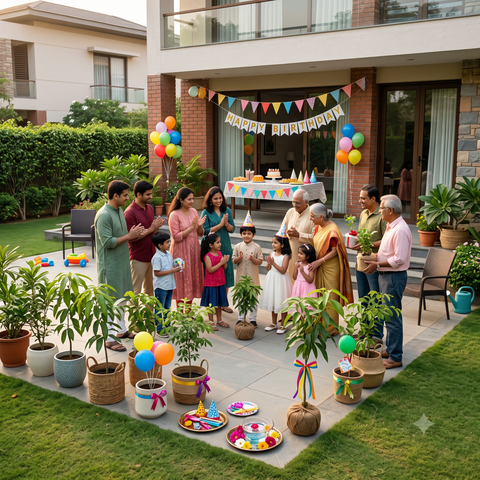
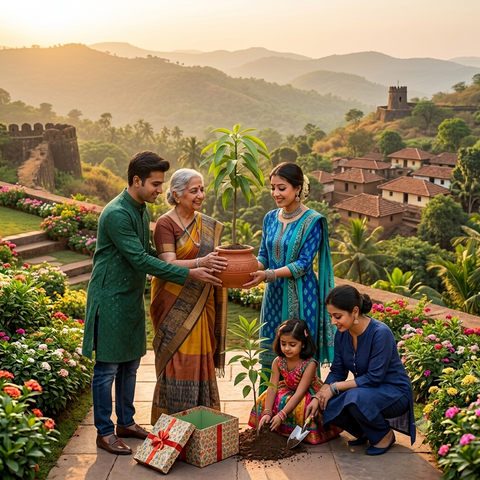
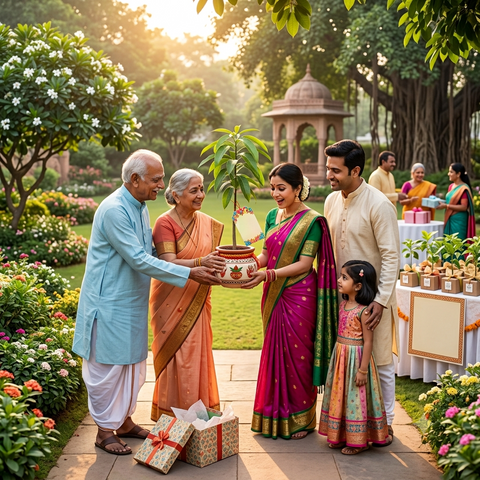
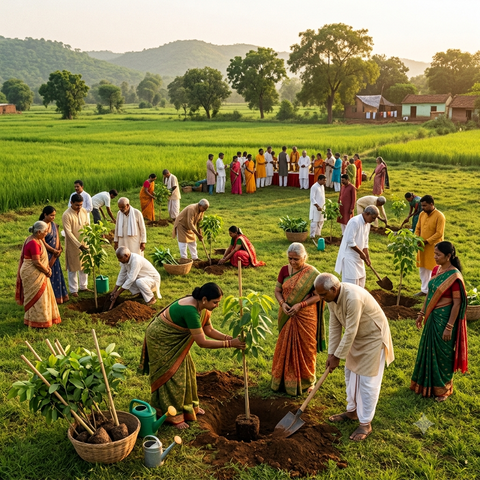
The best native trees to grow near Ludhiana include Shisham, Peepal, Neem, Arjun, Jamun, Amla, and Bamboo — all proven species naturally adapted to Punjab's semi-arid climate. Planting these trees boosts local biodiversity, improves air quality, and helps communities nurture a greener, more sustainable future together. We are happy to share that the movement to restore Ludhiana's green cover is growing stronger every year.
Ludhiana, Punjab's industrial heartland, faces serious environmental pressure. Air pollution levels in 2026 remain among the highest in North India, and urban green cover falls well below the national target. However, there is wonderful news: native tree planting is transforming the landscape, and every individual action creates meaningful impact.
According to the United Nations Environment Programme's forests initiative, native tree species restore ecosystems far more effectively than exotic varieties. They require less water, support local wildlife, and thrive naturally without artificial inputs — making them the ideal choice for Ludhiana's unique climate.
Why Native Trees Matter for Ludhiana ✅
Ludhiana's soil is rich in alluvial deposits from the Sutlej River system. However, decades of industrial growth and rapid urbanisation have reduced green cover significantly. Choosing native trees means selecting species built to handle Punjab's hot summers, cold winters, and monsoon rainfall without constant intervention.
Native trees also support local pollinators, birds, and insects that keep ecosystems healthy. They form the ecological foundation of both urban parks and rural farmlands. In addition, they prevent soil erosion along riverbanks and agricultural fields — a growing concern for Punjab's farming communities facing land degradation.
The World Wildlife Fund's research on deforestation and forest degradation confirms that restoring native forests is one of the most cost-effective strategies for long-term climate resilience. For Ludhiana, this means prioritising indigenous species over ornamental imports that drain water and offer little ecological value.
Top Native Trees to Grow Near Ludhiana ⭐
1. Shisham (Dalbergia sissoo)
Shisham is Punjab's most iconic native tree. It grows rapidly, reaching 25–30 metres in height, and provides excellent canopy shade. Its roots fix nitrogen naturally in the soil, acting as a built-in fertiliser for neighbouring crops. Our team has found that Shisham thrives remarkably well in Ludhiana's alluvial plains, with survival rates above 85%.
Shisham timber is highly valued, making it ideal for agroforestry programs. Farmers can grow it alongside wheat and vegetables to improve long-term income. It is a proven, eco-friendly choice for anyone looking to transform degraded farmland into a productive green asset.
2. Peepal (Ficus religiosa)
The Peepal tree releases oxygen even during the night and can improve air quality in urban areas.
Peepal trees can live for hundreds of years, making them long-term guardians of the earth. They provide food and shelter to over 50 species of birds and insects. They are a wonderful addition to any community green space, temple garden, or urban forest project near Ludhiana.
3. Neem (Azadirachta indica) 💡
Neem is a natural powerhouse with remarkable medicinal and agricultural properties. Its leaves, bark, and seeds save farmers significant input costs by acting as organic pesticides. In 2026, demand for neem-based organic products continues to grow strongly across India. Neem is easy to grow and thrives even in poor, degraded soils.
We provide Neem saplings through our agroforestry programs operating near Ludhiana. A single mature Neem tree can boost soil health and reduce dependence on synthetic chemicals. This makes it a deeply conscious, mindful choice for eco-friendly, sustainable farming communities across Punjab.
4. Arjun (Terminalia arjuna)
Arjun trees grow naturally along riverbanks and are vital for preventing soil erosion near the Sutlej River. They grow to impressive heights and offer dense, cooling canopy cover. Our partners across Punjab have planted thousands of Arjun trees along irrigation channels to improve watershed and water quality.
Arjun wood is strong and commercially valuable. However, its greatest contribution lies in its environmental service — filtering water, stabilising banks, and supporting aquatic biodiversity. It is a mindful, long-term choice for riparian and riverbank restoration projects near Ludhiana.
5. Jamun (Syzygium cumini)
Jamun, or Indian Blackberry, is a beloved fruit tree native to the Indian subcontinent. It produces abundant fruit that nourishes humans, birds, and animals across seasons. Jamun trees are highly drought-tolerant once established, making them ideal for Ludhiana's dry and intense summer months.
We ensure that all Jamun saplings in our programs receive 2-3ft Tree Planting + 3 Years Care + GeoTag tracking so you can monitor your tree's real growth. Planting a Jamun is a great way to contribute to food security and environmental conservation together, combining purpose with lasting impact.
6. Amla (Phyllanthus emblica)
Amla, or Indian Gooseberry, is one of the most nutritious fruits grown on the planet. It is exceptionally rich in Vitamin C and has been central to Ayurvedic medicine for thousands of years. Amla trees are naturally resilient and thrive in Punjab's climate with minimal ongoing care or water.
For communities near Ludhiana, Amla offers a dual benefit: environmental restoration and direct economic gain. Therefore, it features prominently in our food forest and agroforestry programs. Planting Amla is a sustainable, long-term investment in the health of the earth and the prosperity of local farmers.
7. Bamboo (Bambusa species)
Bamboo is the fastest-growing plant on earth and an outstanding carbon capture tool. It absorbs up to four times more carbon dioxide than equivalent broadleaf trees in the same area. Moreover, bamboo improves soil quality rapidly and prevents erosion on sloped and degraded land around Ludhiana's outskirts and industrial zones.
Our hands-on experience with bamboo plantation programs in Punjab shows transformative results within just two to three growing seasons. Bamboo also serves as a sustainable building and craft material, reducing pressure on forest timber. It is an exceptional, future-forward addition to any conscious green project in Punjab.
How Grow Billion Trees Is Making a Difference ✅
At Grow Billion Trees, we are on a clear mission of Combating Climate Change Through Collective Action. Our goal is to plant 100 crore trees across India by June 2030. Ludhiana and the surrounding Punjab region are central to this effort, given the urgent and growing need for systematic reforestation across the state.
We offer an accessible, affordable way for everyone to get involved. You can Plant a tree in your Name for just ₹299, which includes 2-3ft Tree Planting + 3 Years Care + GeoTag technology. This certified process means you can track your tree's exact location and growth right from your smartphone — a verified, transparent, and secure way to make your contribution count.
As highlighted by the United Nations Climate Change Action platform, reforestation is essential to keeping global temperatures within safe limits. Our programs directly support India's Net Zero Targets by creating measurable, auditable, and growing carbon sinks in Punjab and across every Indian state we operate in.
We also run specialised programs including Miyawaki urban forests, Mangrove restoration, Agroforestry for farmers, and lake restoration initiatives. Our partners across Ludhiana, Mumbai, Bangalore, Delhi, and Chennai trust us to deliver real, ground-level environmental impact at scale. Thousands of verified customers love how easy it is to get involved, and our rated reviews reflect the joy of contributing to something lasting and meaningful.
How to Plant Native Trees Near Ludhiana → Step by Step
- ✅ Choose the right species for your land type — riverbank, farmland, or urban plot
- ✅ Source certified saplings from trusted nurseries or platforms like Grow Billion Trees
- ✅ Prepare the soil with organic compost and ensure adequate drainage before planting
- ✅ Plant during monsoon season (July–September) for the best natural survival rates
- ✅ Water consistently for the first two years until the tree is fully established
- ✅ Track growth using GeoTag technology to monitor your tree's progress over time
💡 Pro tip: Mix two or three native species together to create a more resilient, biodiverse planting. For example, combine Shisham with Neem and Amla to build a productive, multi-purpose agroforestry grove near Ludhiana that earns income while restoring the environment.
Environmental Impact of Native Reforestation ⭐
Native trees can help reduce surface temperatures and improve air quality in urban areas. Ludhiana could benefit from native tree planting.
The United Nations Sustainable Development Goals identify reforestation as a core strategy for SDG 13 (Climate Action) and SDG 15 (Life on Land). Planting native trees in Punjab directly contributes to these globally important goals and positions India as a leader in community-driven environmental restoration at scale.
Native tree plantations support over 300 species of birds and insects in Punjab's agro-climatic zone. They improve groundwater recharge, reduce dust storms, and create healthier living conditions for rural and urban families alike. The long-term impact is profound, measurable, and deeply hopeful for the generations who will grow up in a greener Ludhiana.
Frequently Asked Questions
What are the best native trees to grow near Ludhiana?
The best native trees to grow near Ludhiana include Shisham, Peepal, Neem, Arjun, Jamun, Amla, and Bamboo. These species are naturally adapted to Punjab's climate and deliver strong environmental and economic benefits for households, farmers, and communities.
When is the best time to plant native trees near Ludhiana?
The ideal planting season is during monsoon months from July to September. Rainfall during this period helps saplings establish roots naturally, reducing irrigation needs and improving long-term survival rates significantly.
How can I plant a tree near Ludhiana through Grow Billion Trees?
You can Plant a tree in your Name for just ₹299 through Grow Billion Trees at growbilliontrees.com. Every tree comes with 2-3ft Tree Planting + 3 Years Care + GeoTag tracking so you can monitor its real growth from anywhere in India.
Are native trees better than exotic species for Ludhiana?
Yes. Native trees require far less water and maintenance than exotic or ornamental species. They support local biodiversity, resist local pests naturally, and develop deeper root systems that prevent soil erosion and improve groundwater levels over time.
What is the Miyawaki method and is it available near Ludhiana?
The Miyawaki method creates dense, fast-growing native forests in small urban spaces. Grow Billion Trees uses this proven technique in cities across India to rapidly improve green cover and air quality, including programs available for urban areas near Ludhiana.
Can farmers near Ludhiana benefit from planting native trees?
Absolutely. Agroforestry programs featuring Shisham, Amla, and Neem improve soil fertility, reduce pesticide costs, and provide additional income from timber and fruit. Our agroforestry programs are specifically designed and tested for Punjab's farming conditions and crop systems.
How do native trees help reduce air pollution in Ludhiana?
Native trees like Peepal and Neem absorb particulate matter, carbon dioxide, and other airborne pollutants effectively. A single mature Peepal tree can filter significant quantities of pollutants annually, making strategic urban planting a powerful, natural tool against Ludhiana's persistent air quality challenges.
How does Grow Billion Trees use technology to track planted trees?
Grow Billion Trees uses GeoTag technology to record every planted tree's precise GPS location and growth status. This guarantees full transparency and lets individual tree planters observe the real-world, verified impact of their contribution from their phone at any time.Ludhiana has a great opportunity to become a model of urban and rural reforestation in India. By choosing the best native trees to grow near Ludhiana — from Shisham and Peepal to Amla and Bamboo — every individual, farmer, and organisation can nurture a greener, healthier planet for future generations. Explore Grow Billion Trees and Plant a tree in your Name for just ₹299 — a small, easy step with a wonderful and lasting impact on the earth we all share.