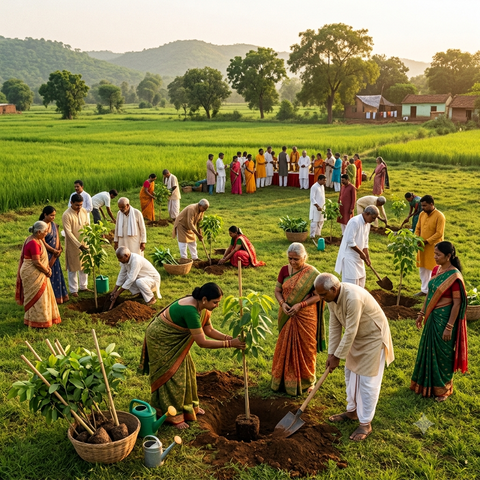
Himachal Pradesh has distinct vegetation zones based on altitude, soil, and rainfall patterns. Selecting native trees depends on these conditions. Indigenous species provide ecological benefits.
Each zone supports specific native species. According to the United Nations Environment Programme on forests, native tree species maintain ecosystem stability and support local wildlife.
✅ Top Native Trees for Lower Hills (350-1500m)
The lower hill regions of Himachal Pradesh welcome several hardy native species. These trees thrive in warmer temperatures and moderate rainfall conditions. Our team has observed excellent growth rates in these elevation zones.
Jamun (Syzygium cumini)
Jamun trees flourish in the subtropical climate of lower Himachal. They produce nutritious purple fruits and support local biodiversity. The tree reaches heights of 15-20 meters and adapts well to various soil types.
These trees require minimal maintenance once established. They provide excellent shade and attract beneficial wildlife. Our partners report successful jamun plantations across districts like Una and Bilaspur.
Sheesham (Dalbergia sissoo)
Sheesham stands as one of the most valuable native timber species. It grows rapidly in alluvial soils and tolerates flooding. The tree produces high-quality wood used in furniture making.
Local communities have cultivated sheesham for generations. It fixes nitrogen in soil and improves fertility naturally. We ensure proper spacing of 8-10 meters between saplings for optimal growth.
⭐ Mid-Hill Native Species (1500-2500m)
Mid-hill regions offer ideal conditions for temperate native trees. These species form the backbone of Himachal's forest ecosystems. They provide timber, fuel, and environmental services to mountain communities.
Deodar (Cedrus deodara)
Deodar, Himachal's state tree, represents the region's natural heritage. It grows slowly but lives for centuries, reaching heights of 40-60 meters. The aromatic wood resists insects and decay naturally.
These majestic conifers prefer well-drained slopes with adequate moisture. They create dense canopies that prevent soil erosion effectively. Our hands-on experience shows deodar seedlings need protection from grazing animals initially.
Blue Pine (Pinus wallichiana)
Blue pine thrives in the cool, moist conditions of mid-hills. It produces long, soft needles and valuable timber. The tree adapts to rocky terrain and poor soils remarkably well.
These pines grow faster than deodars and establish quickly. They provide resin for commercial use and support wildlife habitat. We provide comprehensive care including pruning and pest management for three years.
Ban Oak (Quercus leucotrichophora)
Ban oak serves as a keystone species in Himalayan forests. It produces acorns that feed wildlife and livestock. The tree's extensive root system prevents landslides on steep slopes.
Oak forests create favorable microclimates for other species. They improve soil organic matter through leaf litter. According to the World Wildlife Fund's forest conservation initiatives, oak species support exceptional biodiversity in mountain ecosystems.
🌲 High Altitude Champions (2500m+)
High-altitude regions require specialized native species adapted to harsh conditions. These trees withstand extreme cold, strong winds, and heavy snowfall. They form unique alpine forest communities.
Silver Fir (Abies pindrow)
Silver fir dominates high-altitude forests with its distinctive silver-backed needles. It grows in pure stands or mixed with spruce and birch. The tree provides valuable timber and watershed protection.
These firs require cool, moist conditions year-round. They grow slowly but create dense forests. Silver fir plantations do well on north-facing slopes.
Himalayan Birch (Betula utilis)
Himalayan birch showcases distinctive white bark that peels in layers. It colonizes disturbed areas quickly and improves soil conditions. The tree supports traditional medicine and local crafts.
Birch trees tolerate extreme weather conditions admirably. They provide fodder for livestock during harsh winters. We found birch seedlings establish successfully even in degraded mountain sites.
💡 Planting and Care Guidelines
Successful native tree establishment requires proper timing and techniques. Our team follows proven methods developed through years of mountain reforestation work. These practices ensure high survival rates and healthy growth.
Best Planting Season
Plant native trees during monsoon season (July-September) for optimal establishment. Adequate soil moisture supports root development during the first critical months. Avoid planting during winter when growth stops completely.
Pre-monsoon planting (April-May) works for irrigated sites only. Post-monsoon planting (October-November) requires careful moisture management. We recommend monsoon planting for best results across all elevation zones.
Site Preparation Techniques
Prepare planting sites by removing competing vegetation and improving drainage. Dig pits 60cm x 60cm x 60cm for large trees like deodar. Add organic compost to improve soil fertility naturally.
Terracing steep slopes prevents soil erosion and water runoff. Install check dams where necessary to control water flow. Our partners use sustainable methods that protect existing vegetation while preparing new sites.
🌱 Environmental Benefits of Native Trees
Native trees provide exceptional environmental services compared to exotic species. They support local ecosystems and adapt better to climate variations. These benefits multiply when trees are planted systematically across landscapes.
Carbon sequestration rates vary by species and growing conditions. Fast-growing natives like sheesham store carbon quickly in biomass. Slow-growing species like deodar provide long-term carbon storage in wood.
Watershed protection improves significantly with native tree cover. Root systems prevent soil erosion and regulate water flow. The United Nations climate change action framework recognizes forest restoration as essential for climate adaptation.
Biodiversity conservation depends heavily on native plant communities. Indigenous trees provide food and habitat for endemic wildlife species. They maintain genetic diversity essential for ecosystem resilience.
⭐ Economic Opportunities
Native tree cultivation creates sustainable income opportunities for mountain communities. Timber, non-timber forest products, and ecosystem services generate revenue streams. Our agroforestry programs demonstrate proven economic models.
Timber Production
High-value native timber commands premium prices in markets. Deodar and sheesham wood fetch excellent rates for construction and furniture. Sustainable harvesting ensures long-term forest productivity.
Plantation forestry provides employment in rural areas. Skilled workers earn good wages in silviculture operations. We train local communities in modern forestry techniques and business management.
Non-Timber Products
Many native trees produce valuable non-timber products. Oak acorns, pine nuts, and medicinal plants supplement household incomes. Value-added processing increases profit margins significantly.
Eco-tourism based on native forests attracts visitors year-round. Guided nature walks and forest experiences generate service income. Communities develop hospitality services around forest conservation themes.
🌿 Miyawaki Method for Native Forests
The Miyawaki technique accelerates native forest development dramatically. We create dense, diverse forests using only indigenous species. This method produces mature forest ecosystems in 20-30 years instead of centuries.
Species selection follows natural forest succession patterns. Pioneer species establish quickly and prepare conditions for climax species.
Soil preparation involves deep cultivation and organic enrichment. We add locally available biomass and natural fertilizers. Mulching conserves moisture and suppresses weeds effectively during establishment.
Maintenance requirements decrease rapidly after the third year. Dense plantings create favorable microclimates naturally. These forests become self-sustaining ecosystems with minimal human intervention.
Frequently Asked Questions
Which native trees grow fastest in Himachal Pradesh?
Sheesham and blue pine show the fastest growth rates among native species. Sheesham can grow 1-2 meters annually in favorable conditions. Blue pine establishes quickly and reaches commercial size within 15-20 years. Both species adapt well to various soil and climate conditions.
What is the best altitude for growing deodar trees?
Deodar thrives at higher elevations in Himachal Pradesh. At lower elevations, it faces heat stress and pest problems. At very high elevations, extreme cold limits growth.
How much space do native trees need for proper growth?
Spacing requirements vary by species and intended purpose. Large trees like deodar need 8-10 meters spacing for timber production. Fruit trees like jamun require 6-8 meters between plants. Dense plantings for soil conservation can use 2-3 meter spacing effectively.
When should I plant native trees in Himachal Pradesh?
The optimal planting season runs from July to September during monsoon months. Adequate rainfall ensures good establishment without irrigation needs. Pre-monsoon planting (April-May) works only with assured water supply. Avoid winter planting when growth stops completely.
Do native trees need fertilizers and pesticides?
Native trees generally require minimal external inputs once established. Organic compost during planting improves initial growth significantly. Chemical fertilizers are rarely necessary for indigenous species. Natural pest resistance makes pesticide use uncommon in native plantations.
How long does it take for native trees to mature?
Maturation periods vary widely among native species in Himachal Pradesh. Fast-growing species like sheesham reach maturity in 15-20 years. Slow-growing trees like deodar take 40-60 years for full development. Fruit trees typically start producing within 5-8 years of planting.
Can I plant different native species together?
Mixed plantations of compatible native species work excellently in Himachal Pradesh. Oak, pine, and rhododendron combinations occur naturally in forests. Avoid mixing species with very different water or soil requirements. Our team designs species combinations based on natural forest patterns.
What are the main threats to native trees?
Grazing animals pose the biggest threat to young native trees. Forest fires damage established plantations during dry seasons. Illegal cutting for fuel and timber reduces natural regeneration. Climate change affects species distribution patterns gradually. We provide protection measures for all planted trees.
How do I obtain native tree seedlings in Himachal Pradesh?
Government forest nurseries supply native seedlings at subsidized rates. Private nurseries also stock indigenous species increasingly. NGOs and environmental organizations distribute free seedlings during plantation drives. We provide certified native seedlings with our planting services.
What permits are needed for planting native trees?
Private land owners generally don't need permits for native tree planting. Forest department approval may be required for large-scale plantations. Some protected species need special permissions for cultivation. We handle all necessary documentation for our plantation projects professionally.
Transform Himachal's Landscape with Native Trees
The best native trees to grow in Himachal Pradesh offer incredible opportunities for environmental restoration and economic development. These indigenous species have evolved over millennia to thrive in mountain conditions. They provide sustainable solutions for climate change, biodiversity conservation, and community livelihoods.
Our comprehensive approach ensures successful establishment and long-term growth of native forests. We combine traditional knowledge with modern techniques for optimal results. The 2-3ft Tree Planting + 3 Years Care + GeoTag service guarantees your investment in native reforestation.
Join our mission to plant 100 crore trees across India by 2030. Plant a tree in your Name for just ₹299 and contribute to Himachal's green future. Together, we're Combating Climate Change Through Collective Action while helping communities achieve their Net Zero Targets.
Discover how you can plant native trees in Himachal Pradesh today and become part of this wonderful environmental transformation. Every tree planted brings us closer to a sustainable, thriving mountain ecosystem for future generations.