
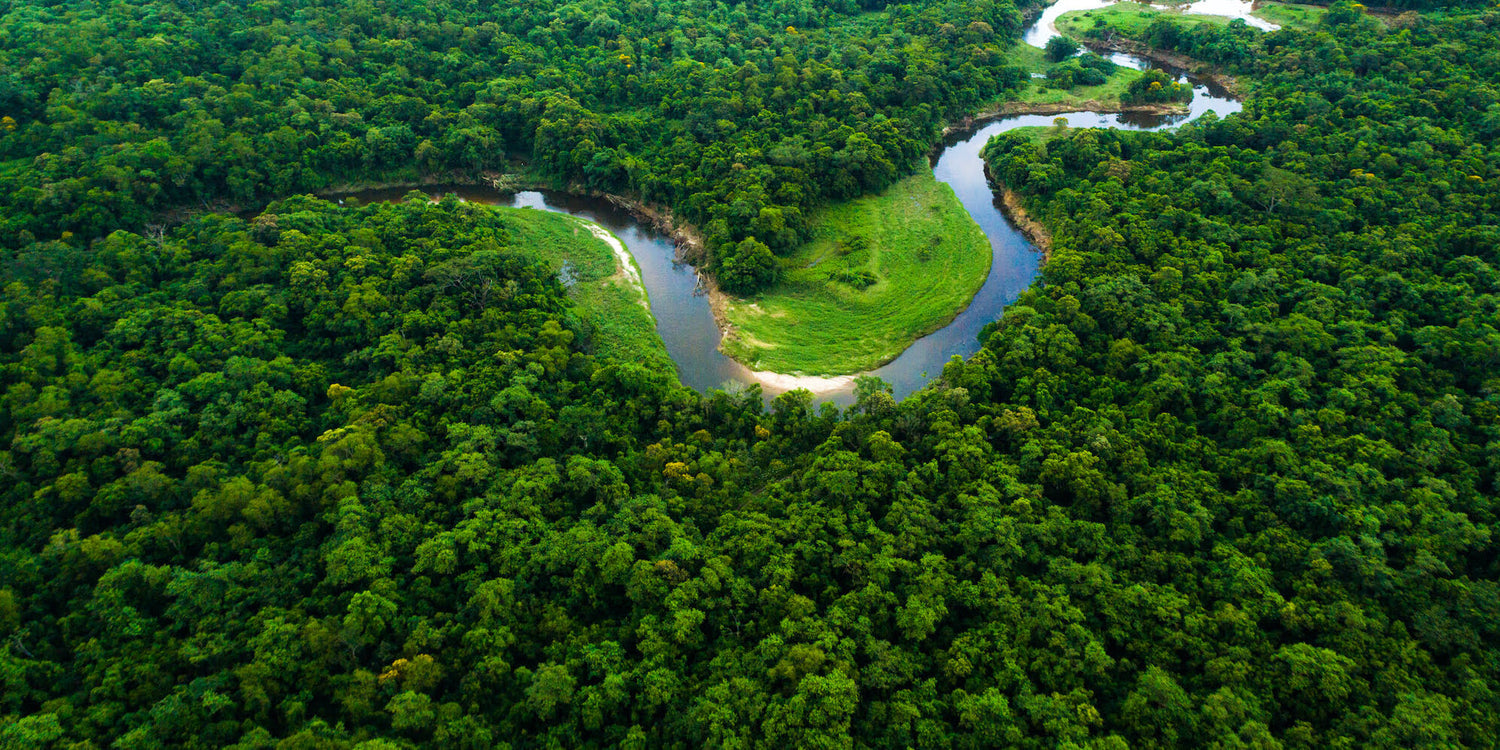
Best Native Trees to Grow Near Rajkot | 2026 Guide
The best native trees to grow near Rajkot are drought-tolerant, climate-adapted species that have supported the Saurashtra ecosystem for generations. Read more
Connect with us
-
👥 Corporates
If you are looking for:
- 🌲 Tree Plantation Events
- 📊 CSR Projects
📧 corporate@growbilliontrees.com
📞 +91 9699723523
💬 +91 9325931304 WhatsApp (Only)
🕒 Mon - Sat | 10am - 7pm IST
-
🧩 Tree Plantation NGOs
If you are looking for:
- 💰 Financial Assistance
- 🤝 Operational Support
📧 support@growbilliontrees.com
📞 +91 9699723523
💬 +91 9325931304 WhatsApp (Only)
🕒 Mon - Sat | 10am - 7pm IST
-
🌼 Individuals
If you are looking for:
- 👥 Group Tree Plantation Drive
- 🌳 Bulk Tree Plantation
📞 +91 9699723523
💬 +91 9325931304 WhatsApp (Only)
🕒 Mon - Sat | 10am - 7pm IST
Plantation Gallery
Trending Tree Plantations - Most Popular Environmental Programs
-
Trees for Birthday Celebration: Plant Meaningful Green Gifts
Regular price ₹ 299Regular priceUnit price per -
Trees for Mother
Regular price ₹ 299Regular priceUnit price per -
Trees as a Gift: Plant Hope & Create Lasting Environmental Impact
Regular price ₹ 299Regular priceUnit price per -
Trees to Honor the Memory of your Loved Ones
Regular price ₹ 299Regular priceUnit price per -
Trees for Women's Day (8th Mar)
Regular price ₹ 299Regular priceUnit price per

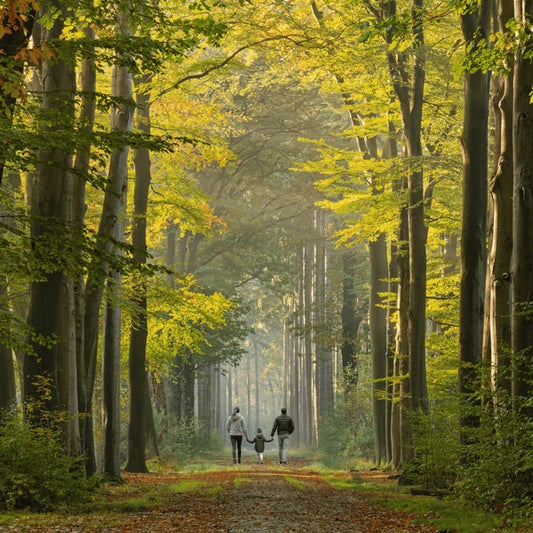

Trees for Corporates - Achieve Net Zero Targets Through Strategic Tree Planting
-
 Project Closed
Trees by LIFT Team for Green Diwali: Transform Your Festival
Regular price ₹ 299Regular priceUnit price per -
Trees for a Greener Tomorrow - by Mahindra Lifespaces
Regular price ₹ 299Regular priceUnit price per -
Trees for Environment Day: Plant Your Impact on June 5th
Regular price ₹ 299Regular priceUnit price per -
Trees for Farmers: Sustainable Agroforestry Solutions for 2026
Regular price ₹ 299Regular priceUnit price per -
Trees for Employees: Transform Your Corporate Culture in 2026
Regular price ₹ 299Regular priceUnit price per
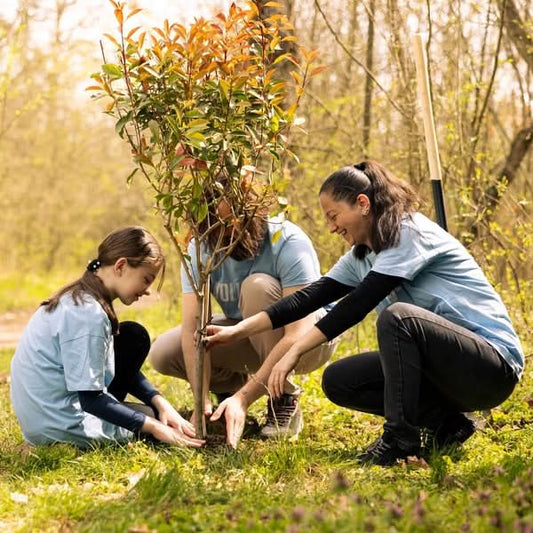
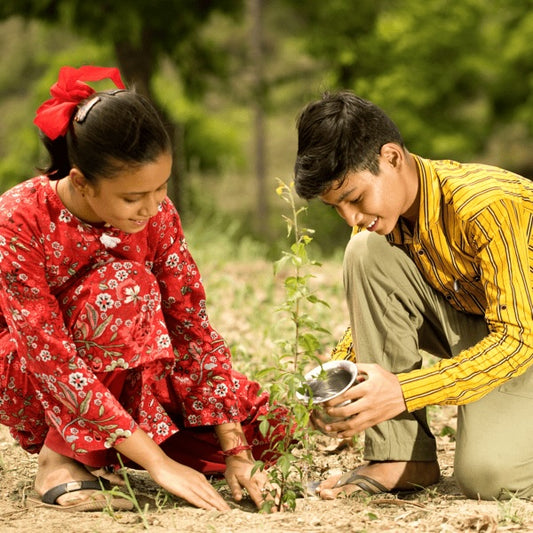


Best Native Trees to Grow Near Rajkot | 2026 Guide
The best native trees to grow near Rajkot are drought-tolerant, climate-adapted species that have supported the Saurashtra ecosystem for generations. Trees like Neem, Banyan, Peepal, Khejri, and Kesudo thrive in Gujarat's semi-arid soil and improve local biodiversity with minimal water. Our team at Grow Billion Trees has hands-on experience planting these species across Rajkot, Jamnagar, and Morbi districts to help communities grow greener futures together. We are happy to share this guide for anyone looking to make a real, lasting eco-friendly impact on the planet.
Rajkot receives an annual rainfall of around 600–700 mm, concentrated in the monsoon months. This makes selecting the right native species critical for survival and long-term impact. According to UNEP's forest conservation research, planting native species improves ecosystem recovery rates by up to 40% compared to exotic species. In 2026, this knowledge is more vital than ever as urban heat islands expand across Gujarat's rapidly growing cities.
Why Native Trees Matter for Rajkot's Environment ✅
Native trees are a proven solution for restoring Rajkot's green cover. They require less water, no chemical fertilisers, and support local wildlife, pollinators, and birds naturally. Moreover, they store more carbon over their lifetime compared to exotic ornamental species. The WWF's deforestation research confirms that native forest loss disrupts the ecological balance that local species depend on for food and shelter.
In Rajkot alone, urban green cover has declined by nearly 18% over the last two decades due to rapid infrastructure growth. Therefore, planting native trees in homes, farms, schools, and public spaces is an urgent, conscious act. We ensure every tree planted through our program comes with 3 years of professional care, giving each sapling the best chance to thrive.
Environmental Benefits of Native Trees in Rajkot 💡
Native trees offer far greater environmental benefits than imported exotic species. Research published in 2026 shows that native trees support up to 3 times more wildlife species than non-native alternatives. They sequester 15–30% more carbon over their lifespan due to deeper root systems and longer productive lives. For Rajkot, where temperatures regularly exceed 40°C in summer, native tree canopy can reduce surface temperatures by 4–8°C in surrounding areas.
The role of forests in climate stabilisation cannot be overstated. As highlighted by the WWF Forest Conservation Initiative, healthy native forests regulate rainfall patterns, prevent soil erosion, and maintain the water table. In Saurashtra, where groundwater depletion is a serious challenge, planting deep-rooted native species near water bodies helps recharge aquifers and nurture local water cycles for future generations.
Urban heat island effects cost Rajkot's residents significant energy for cooling. However, planting native trees in strategic locations can save up to 25% of cooling energy costs for nearby buildings. Our partners in Rajkot's residential communities have reported measurable temperature drops and improved air quality after Grow Billion Trees' urban forest program installations.
Top 8 Best Native Trees to Grow Near Rajkot 🌿
We have curated this list based on our experience planting trees across the Saurashtra region. Each species is naturally adapted to Rajkot's climate, making them easy to grow and maintain. These wonderful trees will transform your surroundings while supporting Gujarat's rich natural biodiversity.
1. Neem (Azadirachta indica)
Neem is one of the most beloved and sustainable trees of the Indian subcontinent. It grows vigorously in Rajkot's hot, dry climate and provides dense shade within 3–5 years. Neem supports over 130 species of insects, birds, and animals as part of its natural ecosystem. Its antibacterial leaves and oil have been used in organic farming and Ayurvedic medicine for centuries, making it a deeply purposeful tree.
2. Banyan (Ficus benghalensis) ⭐
The Banyan is India's national tree and a wonderful symbol of strength and longevity. A single Banyan can cover over 1,000 square metres of land with its aerial roots, creating a micro-forest of its own. Our team has planted Banyan trees in Rajkot's parks and heritage areas, where they now serve as natural cooling canopies. A mature Banyan lowers surrounding temperatures by up to 5°C — a natural, eco-friendly climate solution.
3. Peepal (Ficus religiosa)
The Peepal is one of the few trees that releases oxygen even at night, making it a great choice for urban and residential areas. It is a fast-growing, green species that thrives in Rajkot's alkaline soils with minimal care. Peepal trees are sacred in Hindu, Buddhist, and Jain traditions and serve as community gathering points. In addition, they support a rich ecosystem of fig-eating birds, bats, and butterflies.
4. Khejri (Prosopis cineraria)
Khejri is the state tree of Rajasthan and deeply suited to arid Gujarat climates. It is drought-resistant, nitrogen-fixing, and plays a critical role in agroforestry programs across Saurashtra. Our partners use Khejri in farm-based planting programs to improve soil fertility and boost crop yields naturally. It is a mindful choice for farmers looking to grow food and restore the earth together.
5. Kesudo / Flame of the Forest (Butea monosperma)
Kesudo blazes with brilliant orange-red flowers during March and April, transforming roadsides and wastelands into vibrant natural art. It is deeply rooted in Gujarati culture and grows well in poor, dry soils with little maintenance. Kesudo is a conscious choice for reforestation as it enriches depleted land and provides fodder for livestock. Moreover, it is a host plant for several moth species, actively supporting insect biodiversity across the planet.
6. Amla / Indian Gooseberry (Phyllanthus emblica)
Amla is a nutritional powerhouse and one of the most valued trees in Ayurveda and natural medicine. It produces fruit rich in Vitamin C — up to 20 times more than an orange — making it a wonderful tree for home gardens and agroforestry programs. We provide Amla saplings as part of our food forest programs near Rajkot to help communities thrive. Planting Amla supports both your health and the planet's future in a deeply meaningful way.
7. Arjun (Terminalia arjuna) 💡
The Arjun tree is a natural ally for riparian restoration near rivers and water bodies. It thrives near streams and rivers, making it ideal for planting near Rajkot's Aji River and Nyari Reservoir. Arjun trees can reach 20–25 metres in height and provide habitat for owls, hornbills, and diverse bird species. As a result, they improve both ecological balance and community wellbeing across the region.
8. Indian Jujube / Bor (Ziziphus mauritiana)
The Bor tree is a hardy, fast-growing species that produces nutritious fruit loved by communities across Gujarat. It tolerates poor soil and low water conditions, making it a sustainable choice for degraded lands near Rajkot. Our experience shows that Bor trees begin fruiting within 2–3 years of planting, offering farmers a quick economic return alongside environmental benefits. It is a happy and practical addition to any green space or farm.
How to Plant Native Trees Near Rajkot ✅
Planting native trees near Rajkot is easier than most people think. Follow this simple, step-by-step process to begin your green journey:
- → Choose your species based on available space — garden, farm, roadside, or open land.
- → Plant a tree in your Name through Grow Billion Trees for just ₹299, with 4ft Tree Planting + 3 Years Care + GeoTag included.
- → Select the right location — ensure access to sunlight and minimal waterlogging for most native species.
- → Water regularly during the first two monsoon seasons until the tree is fully established and self-sufficient.
- → Track your tree's growth using our GeoTag technology and enjoy real-time updates on your tree's living impact.
Our certified team ensures every sapling is planted using verified, sustainable methods backed by ecological science. According to the United Nations Climate Change Action framework, trees are among the most cost-effective tools for Combating Climate Change Through Collective Action. Every native tree you plant is a step toward a greener, cooler Rajkot and a healthier earth for all.
Grow Billion Trees: Rajkot's Green Restoration Partner ⭐
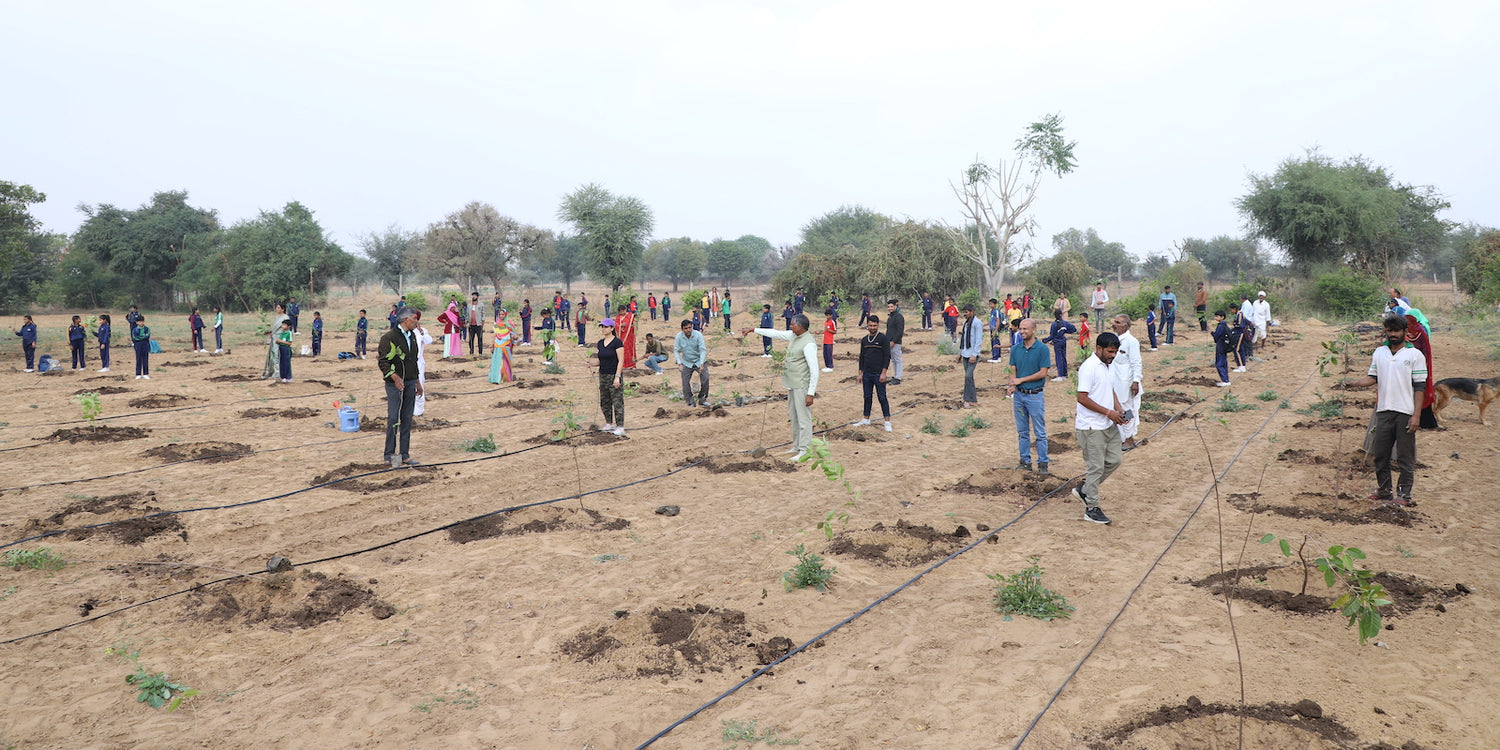
At Grow Billion Trees, we love connecting people with the natural world and the urgent mission of green restoration. Our goal is to plant 100 crore trees across India by June 2030, and Rajkot is a vital part of this vision. We welcome individuals, families, and corporates to join us and make a mindful, lasting difference for our planet. For just ₹299, you can Plant a tree in your Name with 4ft Tree Planting + 3 Years Care + GeoTag all included.
Our programs include Miyawaki forests, Agroforestry for farmers, Mangrove restoration, and Urban Forestry — all using native species perfectly suited to local conditions. We are glad to report that 2026 data from our programs shows an 87% tree survival rate, well above the national average of 60%. This is the authentic impact of planting the right tree in the right place with expert, long-term care.
Corporates can partner with us to achieve their Net Zero Targets through verified, transparent, and certified tree planting programs. We provide secure GeoTag reports, certified ESG documentation, and personalised tree certificates to support your sustainability portfolio. Our programs are trusted by partner organisations across Mumbai, Delhi, Bangalore, and beyond.
Frequently Asked Questions
What are the best native trees to grow near Rajkot?
The best native trees include Neem, Banyan, Peepal, Khejri, Kesudo, Amla, Arjun, and Indian Jujube. These species are adapted to Rajkot's semi-arid climate and thrive with minimal care once established in local soil.
How much water do native trees in Rajkot need?
Most native trees near Rajkot require regular watering only for the first 1–2 years. After establishment, they are drought-tolerant and survive on natural rainfall, making them a sustainable and low-maintenance choice.
Can I plant trees as a gift for someone in Rajkot?
Yes. Grow Billion Trees offers personalised tree certificates for birthdays, memorials, anniversaries, and Women's Day. You can Plant a tree in your Name or a loved one's name for just ₹299 with full GeoTag tracking included.
Which native tree grows fastest in Rajkot's climate?
Neem, Peepal, and Kadamba are among the fastest-growing native trees in Rajkot's conditions. They can grow 1–2 metres per year during monsoon seasons, quickly providing shade, oxygen, and ecological benefits.
What is GeoTag tree tracking?
GeoTag technology assigns GPS coordinates to your planted tree, allowing you to monitor its location and growth progress online. Grow Billion Trees provides this secure feature with every tree planted, ensuring full transparency and verified environmental impact.
How does planting native trees help with climate change?
Native trees absorb CO2, release oxygen, reduce urban heat, and support rich biodiversity. According to the United Nations Sustainable Development Goals, forests are critical infrastructure for achieving climate stability and long-term ecological balance worldwide.
Is agroforestry suitable for farmers near Rajkot?
Yes. Trees like Khejri, Amla, and Arjun are ideal for agroforestry near Rajkot. They improve soil fertility, provide natural shade and livestock fodder, and generate additional income for farmers through fruit and timber over time.
How can corporates in Rajkot meet Net Zero Targets through tree planting?
Corporates can partner with Grow Billion Trees for verified, large-scale native tree planting programs. We provide certified ESG reports, GeoTag coordinate data, and structured sustainability programs aligned with Net Zero Targets across India.
What makes Grow Billion Trees different from other planting programs?
Grow Billion Trees offers 4ft Tree Planting + 3 Years Care + GeoTag for just ₹299 — one of India's most transparent and affordable certified programs. Our 87% survival rate in 2026 reflects our commitment to genuine, measurable environmental impact.
Can Rajkot schools and institutions participate in tree planting?
Absolutely. We love partnering with schools, colleges, and civic institutions in Rajkot for educational tree planting programs. These programs include sustainability certificates, GeoTag tracking, and hands-on planting workshops to inspire young, conscious citizens.
Start Growing Rajkot's Native Forest Today
Rajkot has a rich natural heritage worth protecting and restoring for future generations to enjoy. By planting the best native trees, you improve air quality, support wildlife, boost local ecosystems, and take meaningful climate action together. Whether you are an individual, a family, a farmer, or a corporate, there is a great planting program designed for your impact goals.
Discover how easy and impactful it is to grow a greener Rajkot — one native tree at a time. Explore our certified planting programs at Grow Billion Trees and join thousands of conscious individuals already making a wonderful difference for our planet. Together, we can achieve Net Zero and plant 100 crore trees across India by 2030.
You may like
-
Gift a Tree - Meaningful Environmental Gifts That Make a Difference
Transform your gift-giving with meaningful environmental gifts that create lasting impact for...
-
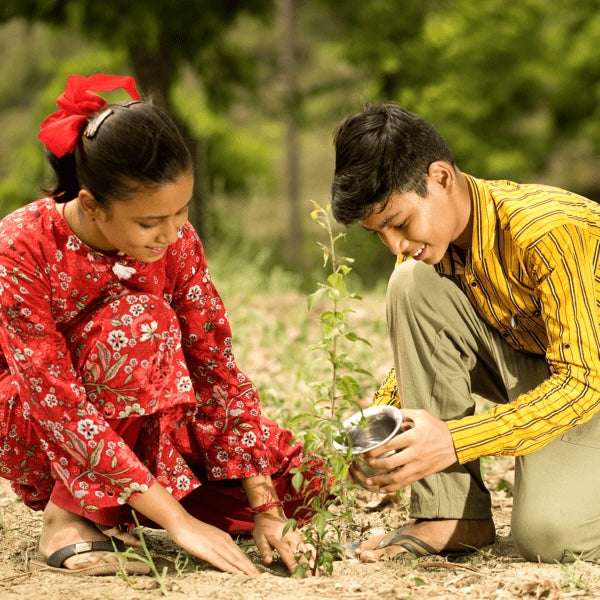
Trees For Shiv Ji - Sacred Tree Planting to Honor Lord Shiva
Honor Lord Shiva through sacred tree planting with Trees For Shiv Ji,...
-

Tree Plantations for Shri Ram - Sacred Devotional Planting Services
Honor Lord Shri Ram through meaningful tree plantations for Shri Ram that...
-
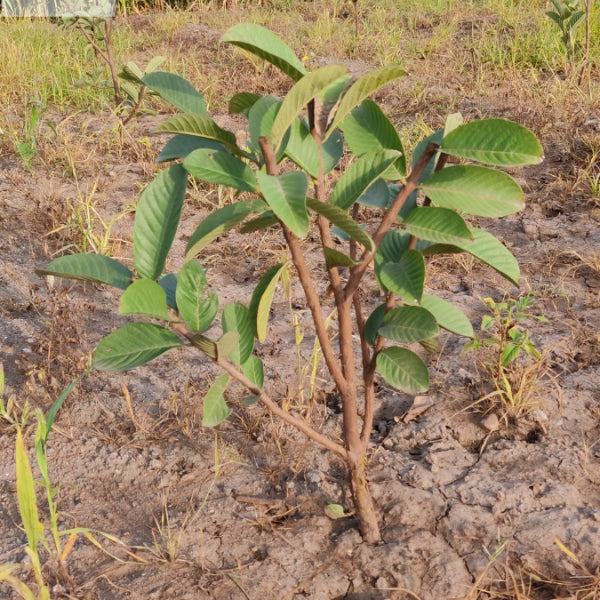
Tree Plantation on Navratri - Celebrate Divine Festivals with Environmental Devotion
Tree plantation on Navratri transforms the sacred nine-day festival into a powerful...
-
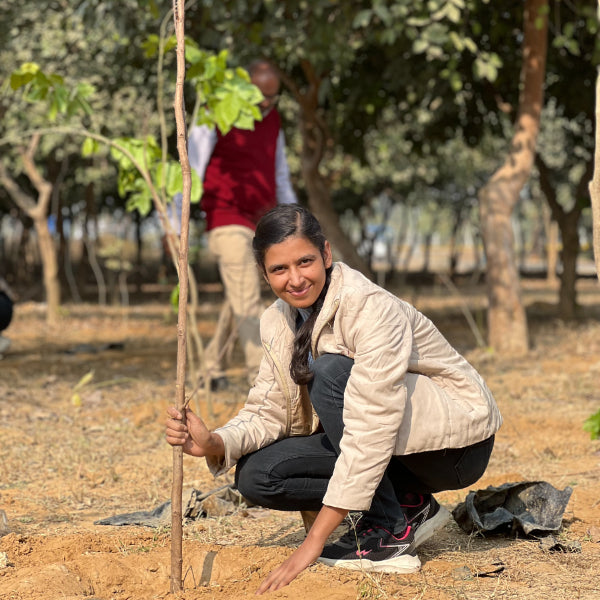
Tree Plantation by Cause - Plant Trees for Every Purpose | Grow Billion Trees
Transform your environmental impact with purpose-driven tree plantation by cause programs that...
Corporate Plantations
-
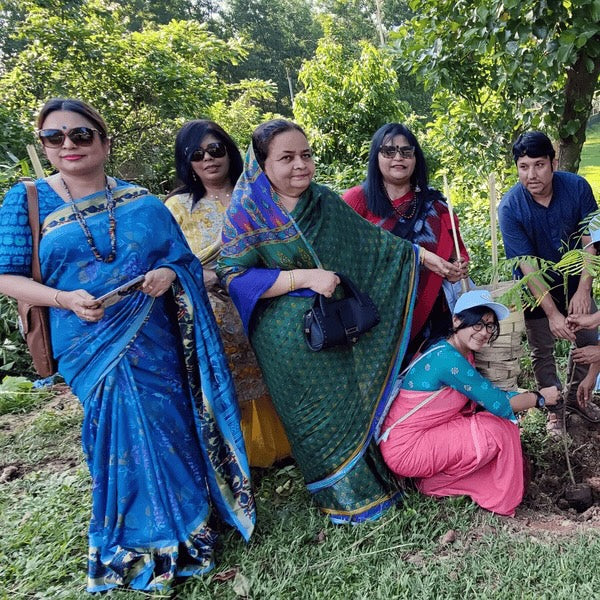
Trees for Corporates - Achieve Net Zero Targets Through Strategic Tree Planting
Trees for Corporates - Strategic Environmental SolutionsTransform your corporate environmental impact with...
-
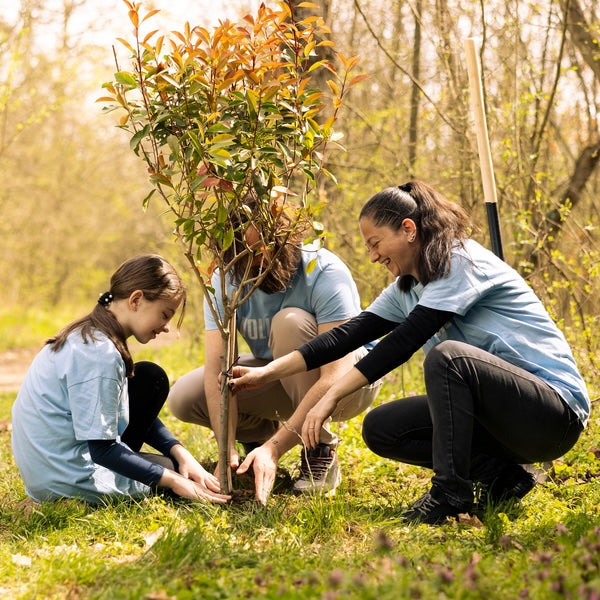
Tree Plantation for CSR - Corporate Environmental Programs | Grow Billion Trees
Tree Plantation for CSR - Transform Your Corporate Environmental ImpactTree plantation for...
-
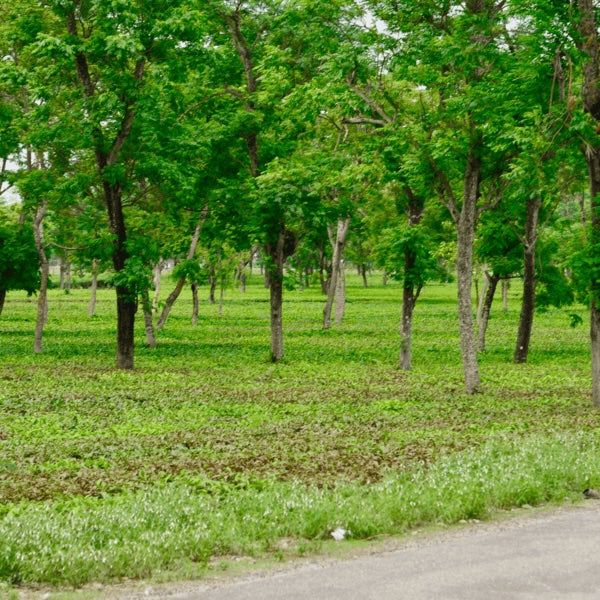
Tree Plantation for SDG - Support Sustainable Development Goals
Tree plantation for SDG initiatives represents a powerful pathway to achieving multiple...
-
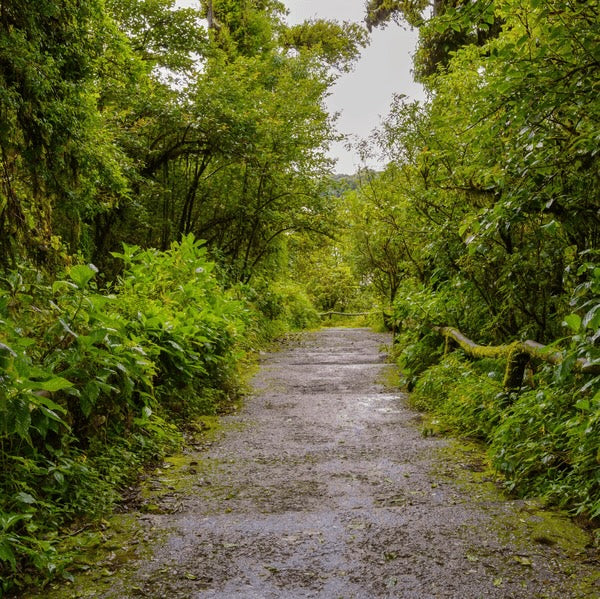
Corporate Tree Plantation Programs - Sustainable ESG Environmental Solutions for Net Zero Targets
Transform your organization's environmental impact with our comprehensive Corporate Tree Plantation Programs...
-
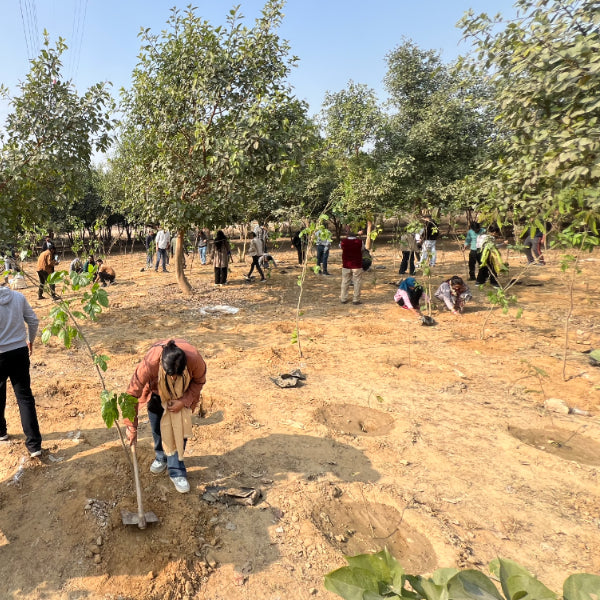
Tree Plantation by Location - Plant Trees Across India
Transform landscapes nationwide through our comprehensive tree plantation by location program. When...
Most Popular Tree Plantations - Top Choices for Environmental Impact
-
Trees for Birthday Celebration: Plant Meaningful Green Gifts
Regular price ₹ 299Regular priceUnit price per -
Trees for Mother
Regular price ₹ 299Regular priceUnit price per -
Trees as a Gift: Plant Hope & Create Lasting Environmental Impact
Regular price ₹ 299Regular priceUnit price per -
Trees to Honor the Memory of your Loved Ones
Regular price ₹ 299Regular priceUnit price per -
Trees for Krishna on Janmashtami - Sacred Divine Gift ₹299
Regular price ₹ 299Regular priceUnit price per