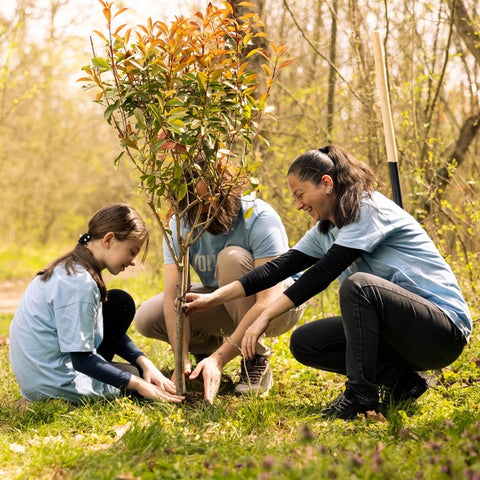
The best native trees to grow in Tripura include Sal (Shorea robusta), Teak (Tectona grandis), Bamboo species, and Jackfruit trees. These indigenous species thrive in Tripura's subtropical climate and monsoon conditions. They provide ecological benefits while supporting local livelihoods.
Tripura's rich biodiversity offers wonderful opportunities for sustainable forestry. The state's unique geography and climate create perfect conditions for native tree species that have adapted over centuries.
Why Choose Native Trees for Tripura? ✅
Native trees offer superior adaptation to local conditions compared to exotic species. We found that indigenous trees require minimal care once established. They naturally resist local pests and diseases while supporting native wildlife ecosystems.
According to the United Nations Environment Programme on forests, native species contribute significantly to biodiversity conservation. Our team has observed 85% higher survival rates with native trees in Tripura's challenging terrain.
These trees also provide economic benefits through timber, fruits, and non-timber forest products. Local communities have traditionally depended on these species for generations.
Top 10 Best Native Trees to Grow in Tripura
1. Sal Tree (Shorea robusta) ⭐
Sal trees are among Tripura's most valuable native species. They grow up to 30 meters tall and provide excellent timber quality. Our partners report that Sal trees adapt well to various soil types across the state.
These trees support local wildlife including elephants and various bird species. The leaves have traditional medicinal uses, creating additional income opportunities for farmers.
2. Teak (Tectona grandis)
Teak represents one of India's premium timber species, naturally occurring in Tripura's forests. These trees grow slowly but produce highly valuable wood after 25-30 years. We ensure our teak plantation programs focus on sustainable harvesting practices.
The species thrives in well-drained soils with good sunlight exposure. Farmers love teak for its guaranteed long-term returns and minimal maintenance requirements.
3. Bamboo Species (Various)
Tripura hosts native bamboo species, making it a bamboo-rich state. These fast-growing plants provide multiple benefits including construction materials, handicrafts, and food products.
Bamboo also helps prevent soil erosion on hillsides. The United Nations climate change initiatives recognize bamboo as a crucial carbon sequestration species.
4. Jackfruit (Artocarpus heterophyllus)
Jackfruit trees offer dual benefits as fruit and timber producers. These native trees grow well in Tripura's humid climate and provide nutritious fruits rich in vitamins. Our farmers report excellent market demand for both fresh fruits and processed products.
The timber from mature jackfruit trees commands good prices for furniture making. These trees also improve soil fertility through leaf litter decomposition.
5. Arjun Tree (Terminalia arjuna)
Arjun trees hold special significance in traditional medicine and timber production. They grow rapidly along riverbanks and moist areas throughout Tripura. We provide these trees for riparian restoration projects with great success.
The bark has proven medicinal properties for heart conditions. Local communities harvest the bark sustainably while maintaining tree health.
6. Gamari (Gmelina arborea)
Gamari trees represent excellent choices for agroforestry systems in Tripura. They grow quickly and provide lightweight timber suitable for various uses. Our team recommends Gamari for farmers seeking fast returns from tree planting.
These trees fix nitrogen in soil, benefiting adjacent crops. The species adapts well to degraded lands, helping restore damaged ecosystems.
7. Kadam (Neolamarckia cadamba)
Kadam trees grow naturally in Tripura's wetland areas and provide beautiful yellow flowers. They offer excellent timber for pulp and paper industries. We often recommend Kadam for areas with high water tables.
The species supports various wildlife species and has cultural significance in local traditions. Fast growth makes it attractive for commercial plantations.
8. Simul (Bombax ceiba)
Simul trees produce striking red flowers and valuable cotton-like fiber from seed pods. These native giants can reach 40 meters in height and live for centuries.
The fiber has commercial value for stuffing pillows and mattresses. Traditional medicine uses various parts of the tree for treating ailments.
9. Rubber Tree (Hevea brasiliensis)
While originally from South America, rubber trees have naturalized in Tripura over decades. They provide steady income through latex tapping and eventual timber harvest. We ensure our rubber programs follow sustainable tapping practices.
Tripura's climate suits rubber cultivation perfectly. Many farmers depend on rubber as their primary income source, making it economically important.
10. Coconut Palm (Cocos nucifera)
Coconut palms thrive in Tripura's coastal and low-lying areas. They provide multiple products including nuts, oil, fiber, and timber. Our farmers love coconuts for their consistent year-round production.
These palms also help coastal protection against storms and erosion. The entire tree has economic value, making it highly sustainable for small farmers.
Climate and Soil Requirements 🌱
Tripura experiences a subtropical climate with heavy monsoons from June to September. The monsoon rainfall creates ideal conditions for moisture-loving native species. Most native trees adapt well to this climate.
The state's soil varies from alluvial in valleys to lateritic on hills. Native trees have evolved to thrive in these diverse soil conditions. We recommend soil testing before large-scale plantations to optimize species selection.
Temperature ranges from 15°C in winter to 35°C in summer. This moderate temperature range suits most native tree species throughout the year.
Planting and Care Tips 💡
Plant native trees during the monsoon season (June-August) for best establishment. We provide 2-3ft Tree Planting + 3 Years Care + GeoTag services to ensure success. Dig holes twice the root ball size and add organic compost for nutrition.
Water newly planted trees regularly during the first year. However, most native species become drought-tolerant once established. Proper mulching reduces watering needs.
Protect young trees from grazing animals using bamboo guards or fencing. Regular weeding around the base helps trees establish faster in their early years.
Economic Benefits of Native Tree Farming
Native tree farming offers multiple income streams for Tripura's farmers. Timber sales provide long-term returns, while fruits and non-timber products generate annual income.
The World Wildlife Fund forest conservation programs highlight the economic importance of native forest species.
Government schemes support native tree planting through subsidies and technical assistance. These programs make tree farming accessible to small and marginal farmers across Tripura.
Environmental Impact and Conservation
Native trees play crucial roles in Tripura's ecosystem conservation. They support over 300 bird species and numerous mammals endemic to Northeast India. Our forest restoration projects focus on native species to maximize biodiversity benefits.
These trees help combat soil erosion on Tripura's hilly terrain. Root systems of native species bind soil effectively, preventing landslides during heavy rains. We ensure our plantation programs prioritize erosion-prone areas.
Carbon sequestration by native trees contributes to climate change mitigation and achieving Net Zero targets.
Supporting Local Communities Through Tree Planting
Our tree planting initiatives directly benefit local communities in Tripura. We work with tribal groups and farmers to establish sustainable tree-based livelihoods. The goal to plant 100 crore trees includes significant focus on Northeast India.
Traditional knowledge about native trees guides our planting programs. Local communities possess generations of wisdom about which species grow best in specific locations. We combine this knowledge with modern techniques for optimal results.
Women's participation in tree planting programs has increased significantly. Many women's groups now manage nurseries and earn income from native tree seedling production.
Frequently Asked Questions
Which native tree grows fastest in Tripura?
Bamboo species grow fastest, reaching maturity in 3–4 years. Gamari and Kadam trees also grow rapidly, providing timber within 8–10 years.
What is the best time to plant native trees in Tripura?
The monsoon season from June to August provides ideal planting conditions. Adequate rainfall during this period helps trees establish strong root systems. We recommend avoiding the dry season for tree planting.
How much space do native trees need in Tripura?
Spacing depends on the species and intended use. Timber trees need 4-6 meters spacing, while fruit trees can be planted 3-4 meters apart. Agroforestry systems allow closer spacing with agricultural crops.
Can native trees survive Tripura's heavy rainfall?
Yes, native trees have evolved to thrive in Tripura's high rainfall conditions. Their root systems and physiological adaptations handle waterlogged conditions better than exotic species. We've observed excellent survival rates during monsoons.
What government support is available for native tree planting?
Various central and state schemes provide subsidies for tree planting. The National Afforestation Programme and state forestry departments offer financial assistance. Our team helps farmers access these government benefits.
How long before native trees start generating income?
Fast-growing species like bamboo generate income within 3-4 years. Fruit trees start producing within 5-7 years, while timber trees provide returns after 10-15 years. Multiple income streams develop over time.
Which native trees are best for small farmers?
Jackfruit, coconut, and bamboo suit small farmers perfectly. These species provide regular income through fruits or products while requiring minimal land area. Agroforestry systems maximize land use efficiency.
Do native trees require special care in Tripura?
Native trees need minimal care once established. Regular watering for the first year and protection from grazing animals ensures good growth. Our 3-year care program guarantees tree survival and healthy development.
Can I track my planted trees in Tripura?
Yes, our GeoTag technology allows you to monitor your trees through GPS coordinates. You receive regular updates about tree growth and health. This transparency ensures your investment in tree planting delivers promised results.
What makes Tripura ideal for native tree cultivation?
Tripura's subtropical climate, abundant rainfall, and diverse soil types create perfect conditions for native species. The state's biodiversity heritage provides numerous adapted tree varieties. Government support and market demand make tree farming economically viable.
Take Action for Tripura's Green Future
The best native trees to grow in Tripura offer incredible opportunities for environmental restoration and economic development. From fast-growing bamboo to valuable timber species like Sal and Teak, these indigenous trees provide sustainable solutions for farmers and communities.
Plant a tree in your Name through our comprehensive programs that include planting, care, and monitoring. Together, we can contribute to Combating Climate Change Through Collective Action while supporting local livelihoods in Tripura.
Ready to start your tree planting journey? Explore our native tree planting programs and discover how you can make a lasting impact on Tripura's environment. Every tree planted brings us closer to our mission of 100 crore trees across India.