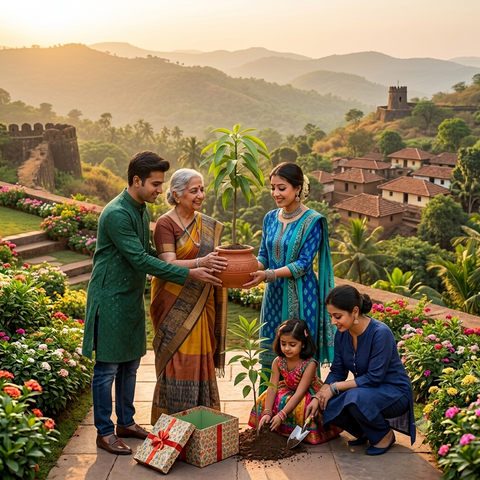
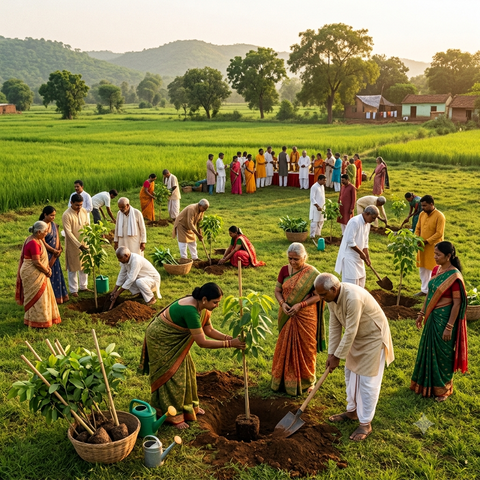
The best native trees to grow near Sikar include Khejri, Rohida, Neem, Peepal, Ber, and Sheesham — all proven survivors of Rajasthan's dry, semi-arid climate. These trees thrive naturally, support local wildlife, and help restore the fragile ecosystem of the Shekhawati region. Planting native species is the most sustainable and eco-friendly way to green the land around Sikar in 2026 and beyond.
Sikar district sits in the heart of Rajasthan, where dry winds, sandy soils, and limited rainfall define the landscape. However, this does not mean green growth is impossible. Native trees are naturally adapted to these conditions and require far less water than exotic species. They are the ideal choice for any conscious reforestation effort in this region.
Why Native Trees Matter for Sikar's Ecosystem ✅
Native trees have evolved over thousands of years alongside local soil, climate, and wildlife. According to the United Nations Environment Programme's forests initiative, planting native species dramatically improves biodiversity and long-term forest survival. In semi-arid regions like Sikar, this difference is especially profound and visible.
Native trees support pollinators, birds, and insects that depend on local plant species. They improve soil health through deep root systems and reduce erosion caused by desert winds. These ecological benefits help restore degraded land.
We found that native trees survive at nearly double the rate of exotic species in this region. Communities planting native species report stronger local biodiversity within just two to three years of plantation. This is why we prioritise native species in every program we design near Sikar.
Top Native Trees to Grow Near Sikar 🌿
1. Khejri (Prosopis cineraria) — The Sacred Tree of Rajasthan
Khejri is the state tree of Rajasthan and the most iconic native tree near Sikar. It tolerates extreme heat, drought, and poor sandy soil with ease. Farmers in the Shekhawati region have grown Khejri alongside crops for centuries through traditional agroforestry. This wonderful tree provides shade, fodder for livestock, and nitrogen to the soil naturally.
Its deep roots prevent desertification and stabilise sandy terrain over time. The Bishnoi community of Rajasthan has long protected Khejri as a sacred, living symbol. Planting Khejri near Sikar is a powerful, proven act of environmental restoration. It is also a great choice for agroforestry programs on farmland.
2. Rohida (Tecomella undulata) — The Desert Teak
Rohida is often called the Desert Teak of India and grows naturally in the Thar Desert region. It produces stunning orange flowers and is highly drought-resistant by nature. Rohida thrives in sandy, well-drained soils common near Sikar and supports native bee populations. In addition, its strong timber makes it a valuable agroforestry tree for local farmers.
3. Neem (Azadirachta indica) — Nature's Pharmacy
Neem is one of the most loved and versatile native trees across India. It has rapid growth and dense, cooling canopy. It purifies air, supports insects and birds, and improves soil quality through leaf litter. Neem plantations help reduce local temperatures in urban zones.
Neem is a certified Ayurvedic healing plant with well-documented benefits for people and ecosystems. It is a proven, natural tool for Combating Climate Change Through Collective Action at the community level. We ensure every Neem sapling we plant receives proper care and tracking. It is one of the most impactful trees you can grow near Sikar today.
4. Peepal (Ficus religiosa) — The Oxygen Giant
Peepal is one of the few trees that produces oxygen continuously, day and night. It holds deep cultural and spiritual value across India and thrives in both rural and urban settings near Sikar. We love planting Peepal as part of our urban forest and Miyawaki programs. Each sapling is a long-term, verified gift to the planet and future generations.
5. Ber (Ziziphus mauritiana) — The Wild Plum of Rajasthan
Ber is a hardy, native fruit tree that grows wild across the Rajasthan landscape. It produces nutritious fruits that serve as a food source for both humans and local wildlife. Ber trees thrive in dry, degraded soils with minimal irrigation, making them a wonderful addition to any food forest program. Our partners in Rajasthan have seen great results integrating Ber into farmland restoration projects.
6. Sheesham (Dalbergia sissoo) — The Indian Rosewood
Sheesham is a tall, graceful tree native to the Indian subcontinent and grows well in alluvial and sandy soils near Sikar. Its nitrogen-fixing roots actively improve soil fertility over time. Sheesham is a proven choice for large-scale reforestation and agroforestry projects. It is also a natural habitat for birds and small mammals across northern India.
7. Dhok (Anogeissus pendula) — The Forest Backbone
Dhok is the most common native tree in Rajasthan's hill forests and forms the backbone of the Aravalli Range ecosystem near Sikar. It is highly resistant to fire, drought, and poor soils. Therefore, Dhok is an essential, eco-friendly species for restoring degraded forest land in the region. It grows naturally with minimal human intervention, making it ideal for large-scale ecological restoration.
How Grow Billion Trees Is Transforming Sikar's Green Cover ⭐
At Grow Billion Trees, our mission is to plant 100 crore trees across India by June 2030. Sikar and the wider Rajasthan region are key focus areas in our reforestation journey. We are happy to work hand-in-hand with local communities, farmers, and corporate partners to make this vision real. Our approach is hands-on, transparent, and deeply rooted in ecological science.
We provide 2-3ft Tree Planting + 3 Years Care + GeoTag for every tree in our programs. This means each sapling is nurtured through its most vulnerable growth phase with verified care. Our GeoTag technology assigns a unique GPS location to every tree we plant. You can Plant a tree in your Name and track its growth in real time through our platform.
Our agroforestry programs help farmers near Sikar grow native trees alongside their crops. This improves income, soil health, and biodiversity at the same time — a true win for people and planet. Our Miyawaki forest model creates dense, native micro-forests in small urban spaces near Sikar. As a result, even a small plot can become a thriving natural habitat within a few years.
According to the United Nations climate change initiative, restoring native forests is among the most cost-effective solutions to the climate crisis. Grow Billion Trees aligns directly with this global mission. We also help corporate partners achieve their Net Zero Targets through verified, traceable native plantations. Our impact reports give businesses full confidence in their environmental commitments.
The World Wildlife Fund's research on deforestation and forest degradation shows India loses thousands of hectares of green cover annually. Our work near Sikar directly counters this alarming trend. We have partnered with local governments, NGOs, schools, and farmers to build a lasting culture of tree planting. Together, we are growing a greener, more sustainable Rajasthan for future generations.
💡 Tips for Planting Native Trees Near Sikar
- ✅ Choose the monsoon season (July–September) for best planting results in Rajasthan
- ✅ Prepare soil with organic compost before planting in sandy areas
- ✅ Water saplings regularly for the first three months to help roots establish
- ✅ Use native mulch like dry leaves to retain soil moisture around roots
- ✅ Plant in clusters to improve survival rates and create micro-habitats
- ✅ Track your tree's growth using GeoTag technology from Grow Billion Trees
The Bigger Picture: Why Every Native Tree Counts 🌍
Planting the best native trees to grow near Sikar is more than a local effort — it connects to a global mission. The United Nations Sustainable Development Goals identify land restoration and climate action as critical priorities for 2026 and beyond. Every native tree planted in Rajasthan contributes directly to these international sustainability targets.
Deforestation has reduced India's green cover over the past century. Native species like Khejri, Neem, and Rohida can help restore it. Success depends on choosing the right species for the right place.
When communities in Sikar plant native trees, they improve air quality, reduce heat, and conserve precious water. Children grow up understanding the value of the natural world around them. Farmers boost their income and food security through agroforestry. The positive impact of each tree multiplies across generations and ecosystems.
Frequently Asked Questions
What are the best native trees to grow near Sikar?
The best native trees to grow near Sikar include Khejri, Rohida, Neem, Peepal, Ber, Sheesham, and Dhok. These species are naturally adapted to Rajasthan's dry climate and sandy soils. They thrive with minimal care after the initial establishment period.
Why should I choose native trees over exotic species near Sikar?
Native trees are proven to survive and grow better in local conditions. They support native wildlife, improve soil fertility, and require far less water than exotic species. Exotic species often fail in Sikar's harsh semi-arid environment, leading to wasted effort and resources.
When is the best time to plant native trees near Sikar?
The monsoon season from July to September is the ideal time to plant trees near Sikar. Rainfall during this period reduces the need for artificial irrigation significantly. Saplings establish their roots more effectively when planted during this natural growth window.
How does Grow Billion Trees contribute to reforestation near Sikar?
Grow Billion Trees runs active agroforestry, Miyawaki, and urban forest programs across Rajasthan including near Sikar. We provide native saplings, expert care, and GeoTag tracking for every tree we plant. Our team ensures 3 years of verified, hands-on care for each plantation we undertake.
Can I plant a tree in someone's name near Sikar through Grow Billion Trees?
Yes, you can Plant a tree in your Name or as a meaningful gift for a loved one through Grow Billion Trees. You receive a personalised certificate and real-time GeoTag access to track your tree's growth. It is a wonderful, eco-friendly gift for birthdays, memorials, or any special occasion.
What is GeoTag technology and how does it help tree planting near Sikar?
GeoTag technology assigns a unique GPS location to each tree planted by Grow Billion Trees. You can monitor the growth and health of your specific tree in real time through our platform. This system ensures full transparency and builds genuine trust in every plantation we run.
How do native trees near Sikar help combat climate change?
Native trees absorb carbon dioxide, release oxygen, and cool the local environment naturally. They restore degraded land, protect water sources, and improve biodiversity. Planting native trees near Sikar directly contributes to Combating Climate Change Through Collective Action on a meaningful scale.
Can corporations partner with Grow Billion Trees to plant native trees near Sikar?
Yes, our corporate programs are designed to help businesses achieve their Net Zero Targets through verified native plantations. We offer traceable, impact-driven planting programs in Rajasthan with full documentation. Corporate partners receive detailed impact reports and GeoTag access for all trees planted in their name.
What makes Khejri the most important native tree near Sikar?
Khejri is the state tree of Rajasthan and is naturally adapted to its harshest conditions. It prevents desertification, provides fodder for livestock, and enriches the soil with nitrogen. It has been a trusted, sustainable companion for Rajasthan's farmers and communities for thousands of years.
Is agroforestry possible with native trees near Sikar?
Yes, agroforestry using native trees like Khejri, Ber, Rohida, and Sheesham is highly effective near Sikar. Grow Billion Trees runs dedicated agroforestry programs that help farmers grow trees alongside crops. This approach boosts farm income, improves soil health, and builds long-term environmental resilience.
Plant a Native Tree Near Sikar — Start Your Green Journey Today
The land around Sikar is waiting to bloom again. Native trees like Khejri, Neem, Rohida, and Peepal are ready to transform barren soil into vibrant, living ecosystems. Each tree planted is a step toward a cooler, greener, and more sustainable Rajasthan for all.
At Grow Billion Trees, we are glad to be part of this mission alongside you. Our goal of planting 100 crore trees is built one sapling at a time, one community at a time. Discover how you can contribute to reforestation near Sikar and explore our tree planting programs today. Together, we can grow a future where every corner of India thrives in natural, green abundance.