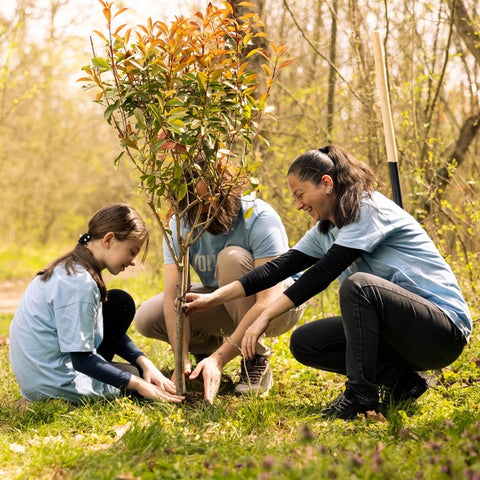
The best native trees to grow in West Bengal include Sal, Banyan, Neem, and Jackfruit trees, perfectly adapted to the region's tropical climate and rich alluvial soil. These indigenous species thrive naturally in West Bengal's unique ecosystem and provide exceptional environmental benefits while requiring minimal maintenance.
Our team at Grow Billion Trees has extensive experience planting native species across West Bengal's diverse landscapes. We've found that choosing indigenous trees ensures higher survival rates and greater ecological impact in your local environment.
Why Choose Native Trees for West Bengal? ✅
Native trees offer remarkable advantages for West Bengal's climate and soil conditions. These species have evolved over thousands of years to thrive in the region's monsoon patterns and temperature variations.
According to the United Nations Sustainable Development Goals, planting native species supports biodiversity conservation and sustainable ecosystem management. Native trees typically require less water and care compared to exotic species.
West Bengal's native trees also support local wildlife populations. They provide natural habitat for over 200 bird species and countless insects that maintain ecological balance in the region.
Top 10 Best Native Trees for West Bengal 🌳
1. Sal Tree (Shorea robusta)
The mighty Sal tree stands as West Bengal's state tree and ecological cornerstone. This majestic species grows up to 35 meters tall and thrives in the region's laterite soils.
Sal trees provide excellent timber quality and support numerous wildlife species.
These trees prefer well-drained soil and can withstand both drought and flooding conditions. They grow relatively slowly but live for centuries, making them perfect for long-term environmental impact.
2. Banyan Tree (Ficus benghalensis)
The sacred Banyan tree represents West Bengal's cultural heritage and environmental wisdom. These magnificent trees create natural cooling zones and support diverse ecosystems beneath their expansive canopy.
Banyan trees can live for over 500 years and provide oxygen for thousands of people daily. We ensure proper spacing when planting these giants, as they require significant room for their aerial root systems.
These trees adapt wonderfully to urban environments and help combat air pollution effectively. Their massive canopy provides natural air conditioning, reducing surrounding temperatures by up to 10 degrees.
3. Neem Tree (Azadirachta indica)
Neem trees offer incredible medicinal properties alongside their environmental benefits. These hardy natives grow quickly and require minimal water once established in West Bengal's soil.
Neem trees provide natural pest control for surrounding vegetation through compounds that protect nearby plants from harmful insects and diseases.
These versatile trees thrive in both rural and urban settings. They grow 15-20 feet tall and provide dense shade while purifying the surrounding air naturally.
4. Jackfruit Tree (Artocarpus heterophyllus)
The productive Jackfruit tree combines environmental benefits with nutritious food production. These native trees grow 30-40 feet tall and produce the world's largest tree fruit.
Jackfruit trees support food security while providing excellent carbon sequestration. We've planted thousands across West Bengal's agroforestry programs, helping farmers diversify their income streams.
These trees require minimal care and can produce fruit for over 100 years. Their deep root systems help prevent soil erosion while improving water retention in agricultural areas.
5. Mango Tree (Mangifera indica)
Native mango varieties from West Bengal offer superior taste and environmental adaptation. These beloved trees provide both delicious fruit and significant ecological benefits throughout the region.
Mango trees create natural windbreaks and support diverse bird populations. Our team ensures we plant heritage varieties that maintain genetic diversity and cultural significance.
These trees grow 30-50 feet tall and can live for centuries. They provide excellent shade and help regulate local temperatures while producing oxygen and sequestering carbon effectively.
6. Tamarind Tree (Tamarindus indica)
The hardy Tamarind tree thrives in West Bengal's varied soil conditions and climate patterns. These long-lived trees provide both culinary ingredients and environmental benefits for generations.
Tamarind trees require minimal water and can withstand extreme weather conditions. We've found them particularly effective for reforestation projects in degraded areas.
These trees improve soil fertility through nitrogen fixation. Their deep taproot systems help prevent erosion while accessing groundwater efficiently during dry periods.
7. Coconut Palm (Cocos nucifera)
Coconut palms flourish along West Bengal's coastal regions and river deltas. These versatile trees provide multiple products while protecting shorelines from erosion and storm damage.
Our mangrove restoration projects often include coconut palms for their salt tolerance and coastal protection benefits. They grow 60-80 feet tall and can withstand cyclonic winds.
These palms provide sustainable income opportunities for local communities. Every part of the tree serves useful purposes, from food and oil to construction materials and handicrafts.
8. Bamboo (Bambusa species)
Native bamboo species offer rapid growth and exceptional environmental benefits. These grass-like trees grow incredibly fast and provide sustainable alternatives to traditional timber.
Bamboo grows well in West Bengal when proper species are selected for the region's specific climate and soil conditions.
These plants help prevent soil erosion and can be harvested sustainably without killing the root system. They provide excellent raw materials for construction and handicraft industries.
9. Indian Rosewood (Dalbergia sissoo)
The valuable Indian Rosewood combines timber production with environmental restoration. These native trees grow well in West Bengal's alluvial soils and provide high-quality wood products.
Rosewood trees improve soil structure through their extensive root systems and adapt well to both rural and urban planting environments.
These trees support local wildlife and provide excellent shade. They grow 25-30 feet tall and can live for several decades while continuously improving their surrounding ecosystem.
10. Indian Beech (Pongamia pinnata)
The resilient Indian Beech tree offers multiple environmental and economic benefits. These hardy natives produce oil-rich seeds while providing excellent soil improvement and erosion control.
Indian Beech trees tolerate saline soils and coastal conditions exceptionally well. We've successfully planted them in challenging environments where other species struggle to survive.
These trees fix nitrogen in the soil and support biodiversity. They provide natural pest control and can be integrated into sustainable farming systems effectively.
Planting Guidelines for West Bengal Native Trees 💡
Successful tree planting in West Bengal requires understanding the region's unique monsoon climate and soil conditions. The best planting time occurs during pre-monsoon months from April to June.
For background, see United Nations Environment Programme. Effective site preparation includes testing soil pH and ensuring adequate drainage.
Native trees typically require less fertilizer and water than exotic species. We recommend organic compost and natural mulching to support healthy root development and soil improvement.
Soil Preparation and Site Selection
West Bengal's diverse soil types require different approaches for optimal tree growth. Alluvial soils along rivers provide excellent growing conditions for most native species.
Laterite soils in western districts need organic matter enrichment before planting. We ensure proper drainage while maintaining adequate moisture retention for young seedlings.
Site selection should consider mature tree size and root spread. Proper spacing prevents competition while allowing natural ecosystem development around each tree.
Watering and Maintenance Requirements
Native trees typically establish quickly with minimal intervention in West Bengal's climate. Regular watering during the first year ensures strong root development and higher survival rates.
Native species typically require less ongoing maintenance than exotic alternatives. Most established natives can survive on natural rainfall after their second year.
Pruning should focus on removing damaged branches and maintaining natural growth patterns. Over-pruning can stress native trees and reduce their natural pest resistance.
Environmental Benefits of Native Tree Planting ⭐
Native trees provide exceptional environmental benefits specifically adapted to West Bengal's ecosystem needs. These species support local biodiversity while addressing climate change challenges effectively.
The United Nations Climate Change initiative emphasizes that native forest restoration offers superior carbon sequestration compared to monoculture plantations.
Native trees also improve water cycle regulation and soil health. They create microclimates that support agricultural productivity and reduce extreme weather impacts on local communities.
Biodiversity Conservation
Native trees support West Bengal's rich biodiversity by providing natural habitat for indigenous wildlife species. These trees have co-evolved with local fauna, creating essential ecological relationships.
Our forest restoration projects show increased bird populations within two years of native tree planting. These trees support over 300 insect species that maintain natural pest control.
Native trees also preserve genetic diversity within plant communities. They maintain seed sources for future generations and support traditional ecological knowledge systems.
Climate Change Mitigation
West Bengal's native trees offer superior climate adaptation and resilience compared to exotic species. They withstand local weather extremes while providing consistent environmental services.
These trees help regulate local temperatures and reduce urban heat island effects. Our urban forestry projects show temperature reductions of 5-8 degrees in areas with dense native tree coverage.
Native trees also improve air quality by filtering pollutants specific to the region's industrial and urban environments. They provide natural air purification systems for growing cities.
Corporate and Community Planting Programs 🌱
Grow Billion Trees partners with corporations and communities to achieve ambitious reforestation goals across West Bengal. Our comprehensive programs support both environmental restoration and community development objectives.
We provide complete tree planting services including site selection, species recommendation, planting, and three years of post-planting care. Our GeoTag technology allows sponsors to track their trees' growth and impact over time.
Corporate partners can achieve Net Zero Targets through our scientifically designed native tree planting programs. We ensure maximum environmental impact while providing transparent monitoring and reporting systems.
Miyawaki Forest Creation
Miyawaki forests are dense native woodlands created using only indigenous species to recreate natural forest ecosystems.
Miyawaki forests require minimal maintenance after establishment and provide maximum biodiversity benefits. We've successfully created over 100 such forests across West Bengal's urban and rural areas.
These forests become self-sustaining within three years and provide exceptional environmental services. They support local wildlife while creating green spaces for community enjoyment and education.
Agroforestry Integration
Our agroforestry programs integrate native trees with agricultural systems to improve farmer incomes and environmental sustainability. We select species that complement existing crops while providing additional revenue streams.
Native fruit and timber trees improve soil health when planted in agroforestry systems. Proper species selection and spacing are important for optimizing both agricultural and environmental outcomes.
These programs support rural livelihoods while contributing to landscape-level forest restoration. Farmers become partners in our mission to plant 100 crore trees across India.
Technology Integration and Monitoring 📱
Our advanced GeoTag technology provides precise location tracking for every planted tree. Sponsors can monitor their trees' growth progress and environmental impact through our digital platform.
We use satellite imagery and ground-based monitoring to ensure high survival rates and healthy growth. Our team provides regular updates and maintenance reports for all planted trees.
Technology integration helps optimize planting locations and species selection. We analyze soil conditions, climate data, and ecological factors to maximize success rates.
Frequently Asked Questions
Which native trees grow fastest in West Bengal?
Bamboo species grow fastest, reaching maturity within 3-5 years. Neem and Jackfruit trees also establish quickly, providing benefits within 2-3 years of planting.
What's the best time to plant native trees in West Bengal?
Plant during pre-monsoon months (April-June) for optimal establishment. Early monsoon planting also works well with adequate care and monitoring.
How much space do native trees need?
Space requirements vary by species. Small trees like Neem need 10-15 feet spacing, while large trees like Banyan require 50+ feet between plantings.
Do native trees require fertilizers?
Native trees typically need minimal fertilization. Organic compost during planting and annual mulching provide adequate nutrition for healthy growth.
Can I plant native trees in urban areas?
Yes, many native species adapt well to urban environments. Neem, Mango, and smaller native varieties work excellently for city planting projects.
How long do native trees take to mature?
Maturation varies by species. Fast-growing natives like Bamboo mature in 3-5 years, while slow-growing species like Sal take 15-20 years.
What maintenance do native trees require?
Native trees need regular watering for the first year, annual pruning, and organic mulching. Established trees require minimal ongoing maintenance.
Which native trees are best for small gardens?
Neem, Curry Leaf, and dwarf varieties of Mango work well for small spaces. These provide benefits without overwhelming limited garden areas.
Do native trees help with air pollution?
Yes, native trees effectively filter local air pollutants. Neem, Banyan, and Sal trees provide excellent air purification in urban environments.
How can I ensure high survival rates?
Choose appropriate species for your site conditions, plant during optimal seasons, provide adequate water, and use organic mulching for best survival rates.
Transform West Bengal's Landscape with Native Trees
Choosing the best native trees for West Bengal creates lasting environmental impact while supporting local ecosystems and communities. These indigenous species offer superior adaptation, minimal maintenance requirements, and exceptional ecological benefits.
Plant a tree in your Name today and join our mission to combat climate change through collective action. Our comprehensive planting programs include 2-3ft Tree Planting + 3 Years Care + GeoTag monitoring for just ₹299.
Together, we can restore West Bengal's natural heritage while building a sustainable future for generations to come. Discover how you can contribute to planting 100 crore trees and make a meaningful difference in your local environment.