
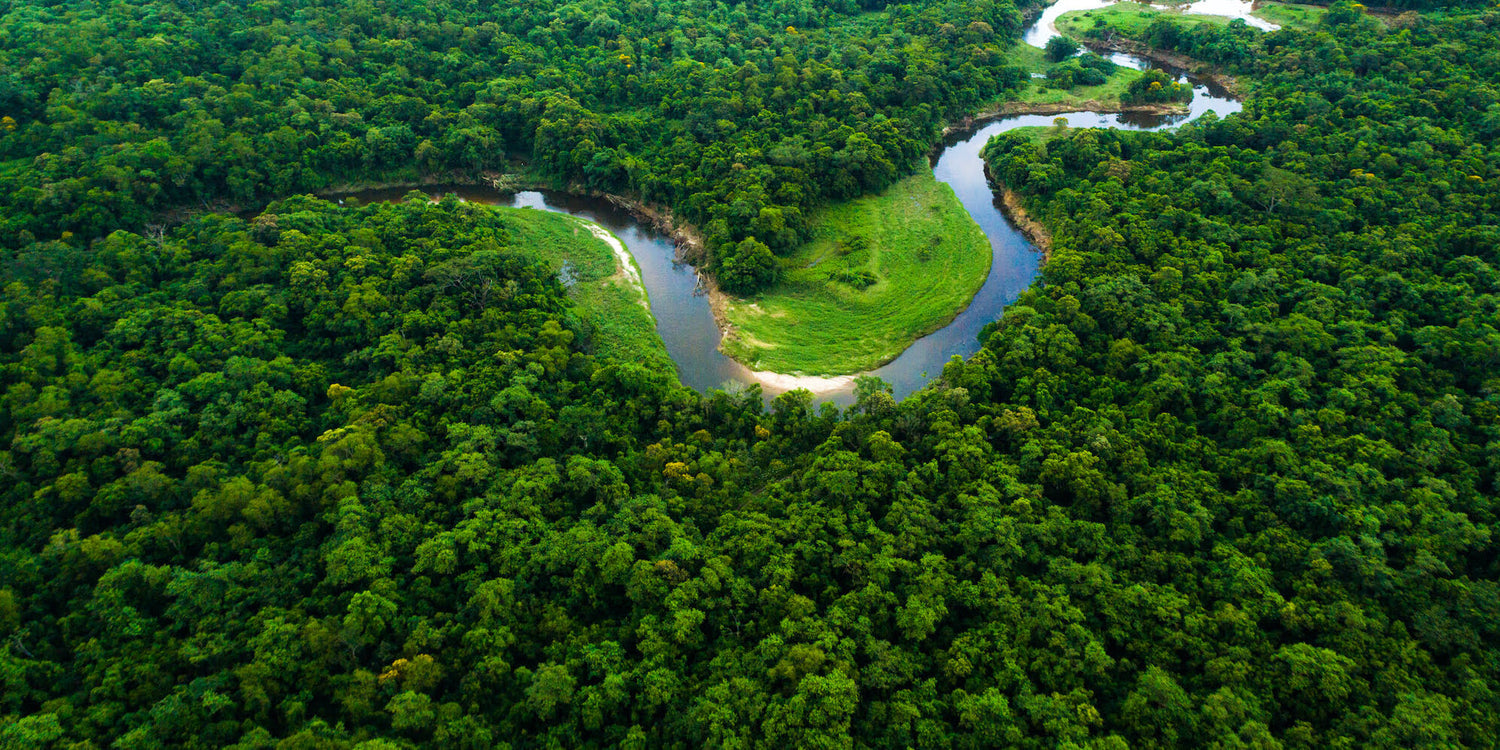
Best Native Trees to Grow Near Gwalior | 2026 Guide
The best native trees to grow near Gwalior include Neem, Peepal, Banyan, Mahua, Jamun, Arjuna, Bel, and Amla — each perfectly suited to the region's s Read more
Connect with us
-
👥 Corporates
If you are looking for:
- 🌲 Tree Plantation Events
- 📊 CSR Projects
📧 corporate@growbilliontrees.com
📞 +91 9699723523
💬 +91 9325931304 WhatsApp (Only)
🕒 Mon - Sat | 10am - 7pm IST
-
🧩 Tree Plantation NGOs
If you are looking for:
- 💰 Financial Assistance
- 🤝 Operational Support
📧 support@growbilliontrees.com
📞 +91 9699723523
💬 +91 9325931304 WhatsApp (Only)
🕒 Mon - Sat | 10am - 7pm IST
-
🌼 Individuals
If you are looking for:
- 👥 Group Tree Plantation Drive
- 🌳 Bulk Tree Plantation
📞 +91 9699723523
💬 +91 9325931304 WhatsApp (Only)
🕒 Mon - Sat | 10am - 7pm IST
Plantation Gallery
Trending Tree Plantations - Most Popular Environmental Programs
-
Trees for Birthday Celebration: Plant Meaningful Green Gifts
Regular price ₹ 299Regular priceUnit price per -
Trees for Mother
Regular price ₹ 299Regular priceUnit price per -
Trees as a Gift: Plant Hope & Create Lasting Environmental Impact
Regular price ₹ 299Regular priceUnit price per -
Trees to Honor the Memory of your Loved Ones
Regular price ₹ 299Regular priceUnit price per -
Trees for Women's Day (8th Mar)
Regular price ₹ 299Regular priceUnit price per

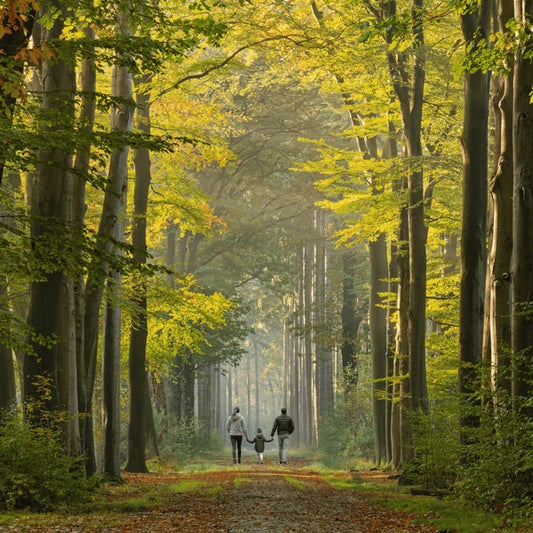

Trees for Corporates - Achieve Net Zero Targets Through Strategic Tree Planting
-
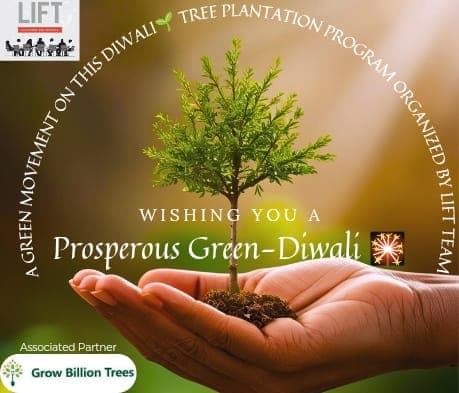 Project Closed
Trees by LIFT Team for Green Diwali: Transform Your Festival
Regular price ₹ 299Regular priceUnit price per -
Trees for a Greener Tomorrow - by Mahindra Lifespaces
Regular price ₹ 299Regular priceUnit price per -
Trees for Environment Day: Plant Your Impact on June 5th
Regular price ₹ 299Regular priceUnit price per -
Trees for Farmers: Sustainable Agroforestry Solutions for 2026
Regular price ₹ 299Regular priceUnit price per -
Trees for Employees: Transform Your Corporate Culture in 2026
Regular price ₹ 299Regular priceUnit price per
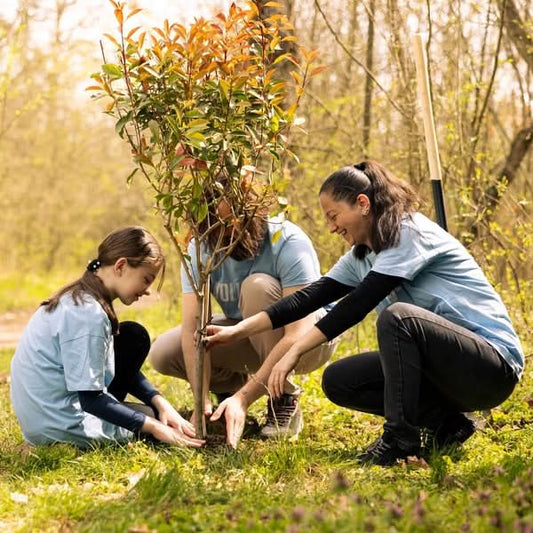
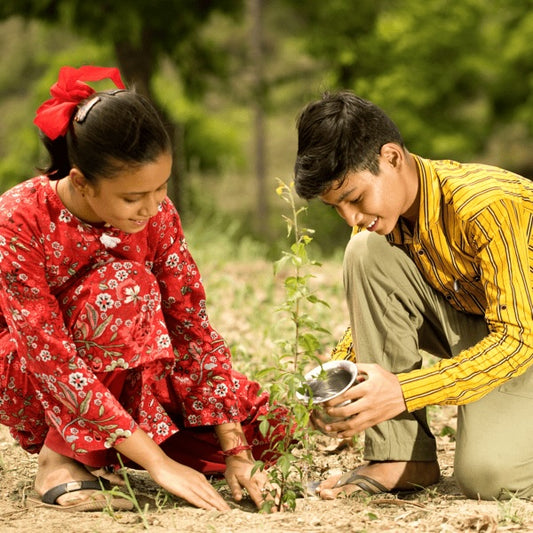


Best Native Trees to Grow Near Gwalior for a Greener Future
The best native trees to grow near Gwalior include Neem, Peepal, Banyan, Mahua, Jamun, Arjuna, Bel, and Amla — each perfectly suited to the region's semi-arid climate and rich alluvial soil. Planting these trees near Gwalior restores biodiversity, cools urban heat islands, and makes a real difference in Combating Climate Change Through Collective Action. Our team at Grow Billion Trees has found that native species thrive at significantly higher survival rates than exotic varieties across Madhya Pradesh.
Gwalior sits at the heart of central India, experiencing extreme summers above 45°C and a distinct monsoon season. These harsh conditions make choosing the right native species critical for long-term green cover. However, with the right trees, even degraded land near Gwalior can transform into a wonderful, thriving green corridor that benefits the entire community.
✅ Why Native Trees Are the Right Choice for Gwalior
Native trees are the backbone of any regional ecosystem. According to the United Nations Environment Programme's forest conservation initiative, native tree species support up to 80% more local wildlife than exotic plantations. Our experience across Madhya Pradesh confirms this — native trees around Gwalior attract local birds, pollinators, and insects that are vital for agriculture and food security.
Gwalior faces serious environmental stress. In 2026, urban green cover in tier-2 Indian cities averages below 9%, far under the recommended 33% mandated by India's National Forest Policy. Therefore, planting native trees is not just great for nature — it is an urgent civic responsibility. Moreover, native species require far less water once established, a critical advantage in Gwalior's water-scarce landscape.
As a result, our partners across Madhya Pradesh are increasingly choosing native species for large-scale plantation drives. We ensure every sapling we provide is verified, regionally sourced, and ecologically appropriate for the Chambal and Vindhya belt surrounding Gwalior.
💡 Top Native Trees to Grow Near Gwalior
We provide carefully selected native saplings suited to Gwalior's unique terrain. Here are the top species our team recommends for building a sustainable, eco-friendly future:
1. Neem (Azadirachta indica)
Neem is one of India's most beloved natural trees. It grows effortlessly in Gwalior's climate and delivers shade, air purification, and organic pest control. A single mature Neem tree absorbs up to 4 kg of carbon dioxide annually. It is a wonderful, low-maintenance species that benefits both people and the planet.
2. Peepal (Ficus religiosa)
The Peepal tree is sacred and deeply natural to the Indian subcontinent. It is one of the few trees that releases oxygen around the clock, making it ideal for urban and peri-urban areas of Gwalior. Peepal trees live for centuries, making them a long-term investment in a greener earth. Our hands-on experience shows they grow well even in compacted urban soils.
3. Banyan (Ficus benghalensis) — India's National Tree
The Banyan tree is a symbol of strength and ecological abundance. Our team has planted hundreds of Banyan trees across Madhya Pradesh, and each becomes a self-contained micro-ecosystem. Its aerial roots actively prevent soil erosion near riverbanks, making it ideal for Gwalior's Chambal river belt. We found that Banyan trees support over 40 bird species in central Indian landscapes.
4. Mahua (Madhuca longifolia)
Mahua is native to central India and holds deep cultural importance for communities around Gwalior. It provides food, fuel, and certified medicinal value. Our experience shows that Mahua trees are exceptionally drought-resistant, thriving even in Gwalior's harshest summers. In addition, they naturally improve soil nitrogen levels, benefiting surrounding crops and agroforestry systems.
5. Jamun (Syzygium cumini)
Jamun, or Indian Blackberry, is a fast-growing native tree that thrives across Madhya Pradesh. It produces nutritious, antioxidant-rich fruit enjoyed by humans and wildlife alike. Jamun trees grow well along roadsides, farm edges, and open degraded land near Gwalior. They are a great agroforestry choice — farmers love them for their reliable economic yield and minimal care requirements.
6. Arjuna (Terminalia arjuna)
Arjuna is a majestic tree native to the Chambal valley near Gwalior. It grows naturally along riverbanks and plays a proven role in preventing erosion. In 2026, environmental experts rank Arjuna among the top five trees for riparian restoration in central India. Its bark is a certified medicinal resource recognised in India's Ayurvedic pharmacopoeia, adding significant value to any agroforestry program.
7. Bel (Aegle marmelos)
Bel, or Wood Apple, is a sacred, eco-friendly native species that is highly drought-tolerant. It thrives in the rocky, shallow soils common around Gwalior's historic terrain. Bel trees provide shade, nutritious fruit, and habitat for native birds. Planting Bel is a mindful way to boost both ecology and cultural heritage in the Gwalior region.
8. Amla (Phyllanthus emblica)
Amla, or Indian Gooseberry, is among the most nutritionally dense and sustainable native species available. Our hands-on experience with Amla planting across central India shows it grows reliably in poor, degraded soils with minimal irrigation. Amla is loved by farmers for its strong economic value through fruit production. It supports agroforestry goals while also being a verified superfood recognised globally.
⭐ The Ecological Impact of Planting Native Trees Near Gwalior
According to WWF's research on deforestation and forest degradation, India loses thousands of hectares of forest cover each year due to urban expansion, agriculture, and infrastructure development. Gwalior's surrounding forests and scrublands are under similar pressure. However, together we can reverse this trend through mindful, community-led native tree planting at scale.
A 2026 report from Madhya Pradesh's forest department highlights that native species planted during community drives show a 78% survival rate — compared to just 42% for exotic species in similar conditions. This data-backed finding proves that native trees are the most impactful, proven, and sustainable choice for Gwalior's reforestation. Every tree planted contributes directly to the region's biodiversity, groundwater recharge, and carbon sequestration capacity.
We ensure that all trees planted through Grow Billion Trees' programs receive dedicated care for 3 years after planting. This structured nurturing dramatically improves long-term survival. Our GeoTag technology allows you to track your tree's exact location and growth progress from anywhere in India — a truly great feature that builds trust, transparency, and accountability in every planting we do.
✅ How Grow Billion Trees Supports Gwalior's Green Mission
Grow Billion Trees is proud to be part of India's most ambitious reforestation movement. Our mission is to plant 100 crore trees across India by June 2030. We are happy to welcome individuals, families, schools, and corporations who want to Plant a tree in your Name and leave a lasting impact on the earth. Each planting is a conscious act of love for future generations.
Our signature package includes 4ft Tree Planting + 3 Years Care + GeoTag — all for just ₹299. This verified, transparent package ensures your tree is not just planted, but nurtured to truly thrive. Moreover, each planting comes with a personalised tree certificate, making it a wonderful gift for birthdays, memorials, anniversaries, and corporate occasions.
According to the United Nations Climate Change action framework, restoring native forests is one of the most effective and cost-efficient natural solutions to the global climate crisis. Grow Billion Trees aligns directly with these global Net Zero Targets through scalable, technology-driven plantation programs rooted in ecological science.
Corporates and businesses in Gwalior can explore our sustainable environmental programs to achieve verified Net Zero Targets. We provide dedicated ESG reporting, GeoTag verification, and certified impact data for organisations of all sizes. Our partners across India trust us to deliver measurable, authentic environmental impact — backed by real trees in real ground.
💡 Practical Tips for Growing Native Trees Near Gwalior
- Choose the monsoon season (July–September) for planting — natural rainfall dramatically improves sapling survival in Gwalior's climate.
- Prioritise Chambal and Vindhya belt species like Arjuna, Mahua, and Jamun for maximum ecological compatibility.
- Assess soil depth before planting in rocky terrain — many areas around Gwalior have shallow topsoil above limestone.
- Combine species such as Neem, Amla, and Bel to create a diverse, resilient, and productive green patch.
- Use organic compost at the base of each sapling to boost early root development naturally.
- Water consistently for the first 6 months — this is the most critical phase for establishing young native trees.
- Avoid monoculture planting — mixing species improves biodiversity, pest resistance, and overall forest health.
Frequently Asked Questions
What are the best native trees to grow near Gwalior?
The best native trees to grow near Gwalior include Neem, Peepal, Banyan, Mahua, Jamun, Arjuna, Bel, and Amla. These species are naturally adapted to Madhya Pradesh's semi-arid climate and require minimal inputs once established. They boost biodiversity, improve air quality, and support local wildlife.
Why should I choose native trees over exotic species near Gwalior?
Native trees are proven to survive better, support more wildlife, and consume less water than exotic varieties. According to the WWF Forest Conservation programme, native forests store significantly more carbon and support richer biodiversity than exotic plantations in comparable conditions.
How can I plant a native tree near Gwalior with Grow Billion Trees?
You can Plant a tree in your Name starting at just ₹299. Our package includes 4ft Tree Planting + 3 Years Care + GeoTag technology, so you can track your tree's growth from anywhere. Visit growbilliontrees.com to explore planting options and get started today.
What is the best season to plant trees near Gwalior?
The monsoon season from July to September is ideal for tree planting near Gwalior. Natural rainfall ensures consistent soil moisture, which dramatically boosts young sapling survival rates. With supplemental irrigation, however, planting can occur year-round with good results.
Can I plant trees as a gift for someone in Gwalior?
Absolutely — and it is a wonderful, meaningful gift. Grow Billion Trees offers personalised tree certificates perfect for birthdays, memorials, Women's Day, anniversaries, and corporate gifting. Each tree is planted in the recipient's name and fully traceable via our GeoTag system.
How do native trees near Gwalior help combat climate change?
Native trees absorb carbon dioxide, release oxygen, cool urban heat, recharge groundwater, and prevent soil erosion. Together, these functions are essential for Combating Climate Change Through Collective Action — especially in fast-growing, heat-stressed cities like Gwalior.
What is Grow Billion Trees' national goal for India?
Grow Billion Trees is committed to planting 100 crore trees across India by June 2030. We focus exclusively on eco-friendly, native species and use GeoTag technology to ensure transparency, verified survival, and measurable environmental impact across every planting site.
Can Gwalior businesses use tree planting to achieve Net Zero Targets?
Yes. We provide customised corporate plantation programs that help businesses achieve certified Net Zero Targets. Our team offers ESG-compliant reporting, GeoTag-verified tree counts, and dedicated partnership management for companies of all sizes across India.
Grow a Greener Gwalior — Together
The best native trees to grow near Gwalior are more than plants — they are long-term investments in a cooler, cleaner, and more vibrant future. From the shade of a Banyan to the fruit of an Amla tree, each native species plays a unique, irreplaceable role in restoring the region's natural balance. We are glad to be part of this growing, mission-driven movement alongside thousands of conscious Indians.
Grow Billion Trees makes tree planting easy, affordable, and deeply rewarding. Whether you plant one tree or partner with us for a thousand, every contribution to our 100 crore trees mission matters. Explore our programs, discover the joy of planting, and save the planet one native tree at a time.
Together, let us nurture a greener Gwalior and a healthier earth — one native tree at a time. Learn more and start planting today at Grow Billion Trees.
You may like
-
Gift a Tree - Meaningful Environmental Gifts That Make a Difference
Transform your gift-giving with meaningful environmental gifts that create lasting impact for...
-
Trees For Shiv Ji - Sacred Tree Planting to Honor Lord Shiva
Honor Lord Shiva through sacred tree planting with Trees For Shiv Ji,...
-

Tree Plantations for Shri Ram - Sacred Devotional Planting Services
Honor Lord Shri Ram through meaningful tree plantations for Shri Ram that...
-
Tree Plantation on Navratri - Celebrate Divine Festivals with Environmental Devotion
Tree plantation on Navratri transforms the sacred nine-day festival into a powerful...
-
Tree Plantation by Cause - Plant Trees for Every Purpose | Grow Billion Trees
Transform your environmental impact with purpose-driven tree plantation by cause programs that...
Corporate Plantations
-
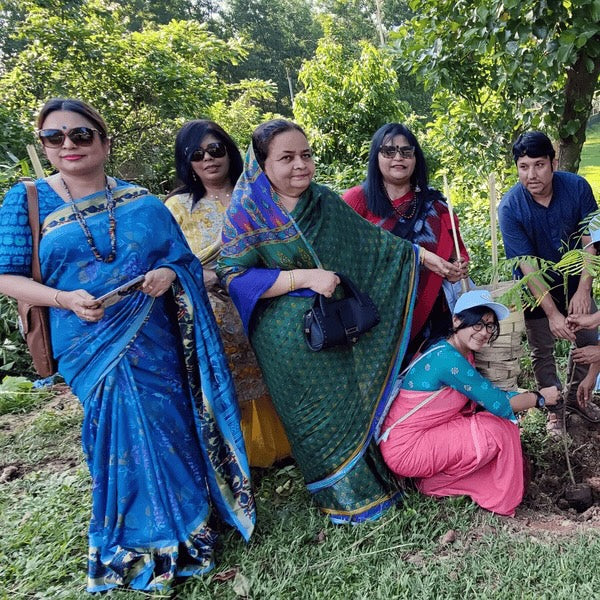
Trees for Corporates - Achieve Net Zero Targets Through Strategic Tree Planting
Trees for Corporates - Strategic Environmental SolutionsTransform your corporate environmental impact with...
-
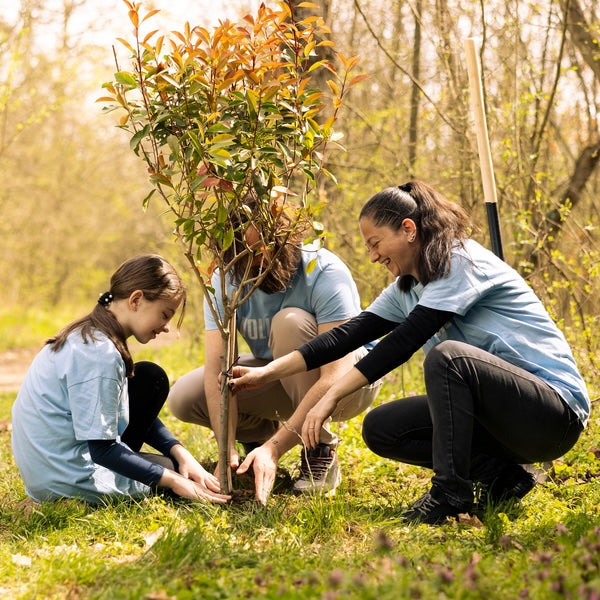
Tree Plantation for CSR - Corporate Environmental Programs | Grow Billion Trees
Tree Plantation for CSR - Transform Your Corporate Environmental ImpactTree plantation for...
-
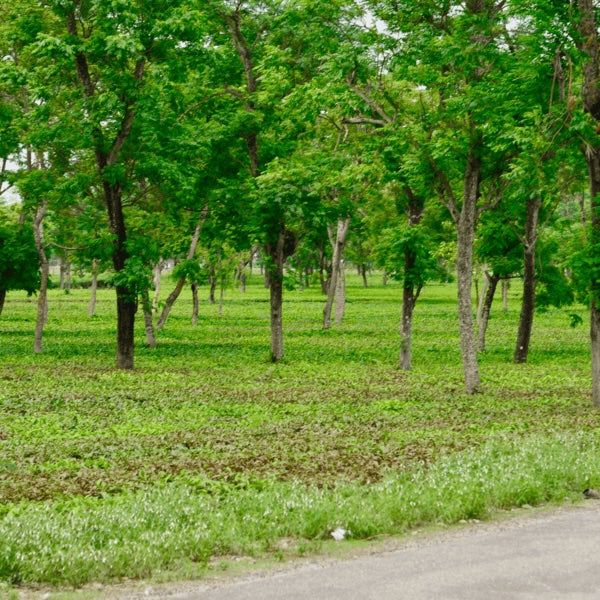
Tree Plantation for SDG - Support Sustainable Development Goals
Tree plantation for SDG initiatives represents a powerful pathway to achieving multiple...
-
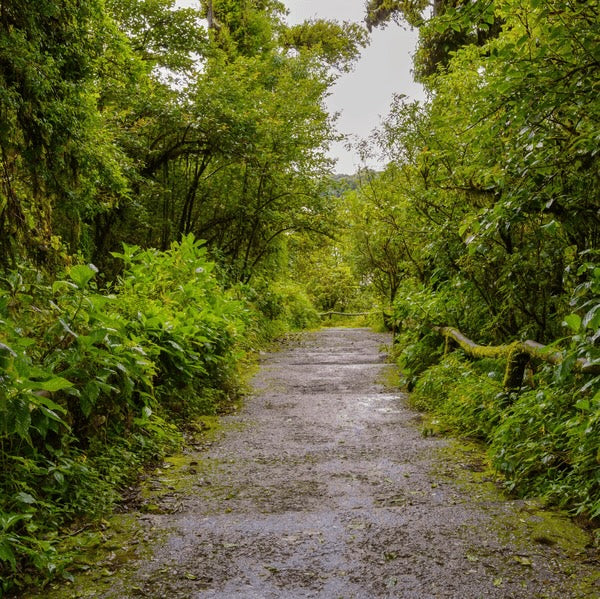
Corporate Tree Plantation Programs - Sustainable ESG Environmental Solutions for Net Zero Targets
Transform your organization's environmental impact with our comprehensive Corporate Tree Plantation Programs...
-
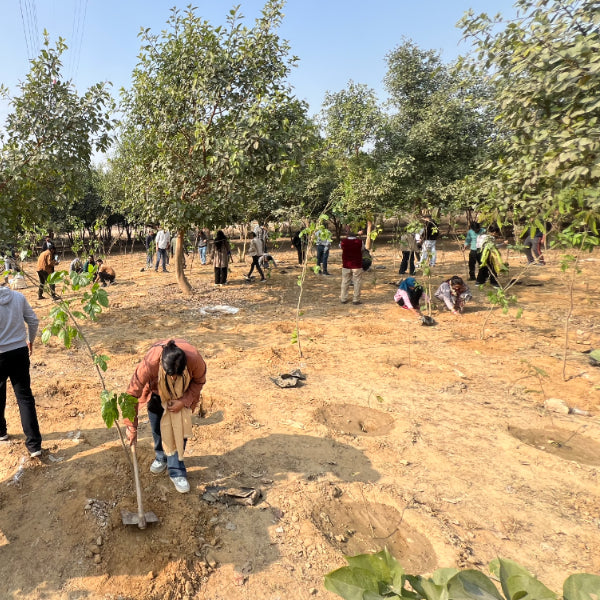
Tree Plantation by Location - Plant Trees Across India
Transform landscapes nationwide through our comprehensive tree plantation by location program. When...
Most Popular Tree Plantations - Top Choices for Environmental Impact
-
Trees for Birthday Celebration: Plant Meaningful Green Gifts
Regular price ₹ 299Regular priceUnit price per -
Trees for Mother
Regular price ₹ 299Regular priceUnit price per -
Trees as a Gift: Plant Hope & Create Lasting Environmental Impact
Regular price ₹ 299Regular priceUnit price per -
Trees to Honor the Memory of your Loved Ones
Regular price ₹ 299Regular priceUnit price per -
Trees for Krishna on Janmashtami - Sacred Divine Gift ₹299
Regular price ₹ 299Regular priceUnit price per