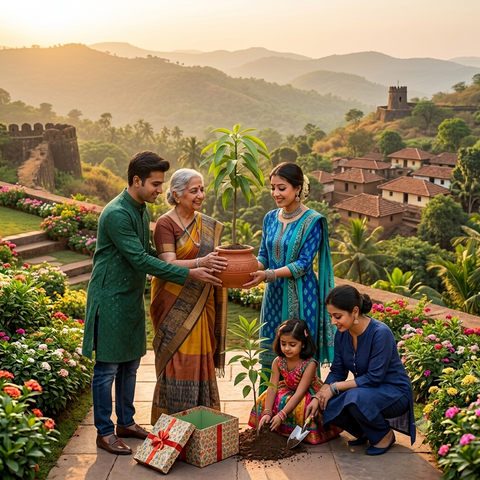
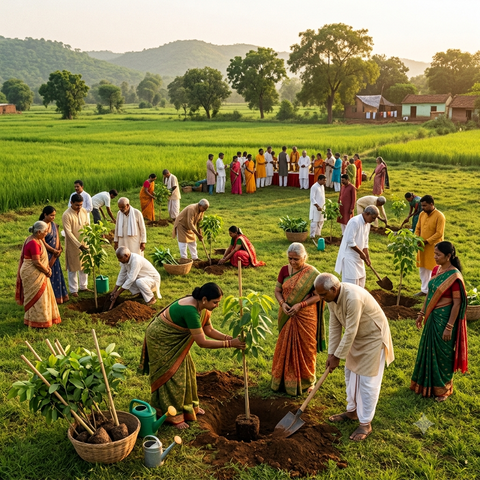
The best native trees to grow in Jharkhand include Sal, Mahua, Arjun, Jamun, and Karanj - species that naturally thrive in the state's tropical climate and mineral-rich soil. These indigenous trees offer exceptional environmental benefits while supporting local ecosystems and biodiversity.
Jharkhand's tropical climate and diverse topography suit native tree species. Indigenous varieties are adapted to local conditions and tend to establish well long-term.
Why Choose Native Trees for Jharkhand? ✅
Native trees are perfectly adapted to Jharkhand's climate patterns and soil conditions. They require minimal water and care once established, making them ideal for sustainable reforestation efforts.
For background, see United Nations Environment Programme on forests.
These trees also provide economic benefits to local communities through timber, fruits, and medicinal products. Moreover, they help combat soil erosion and improve groundwater levels naturally.
Top 10 Best Native Trees to Grow in Jharkhand 🌳
1. Sal (Shorea robusta) ⭐
Sal trees are the crown jewel of Jharkhand's forests. They grow up to 35 meters tall and produce valuable timber.
These majestic trees thrive in well-drained laterite soil. They're drought-resistant once established and support numerous wildlife species.
Sal trees also provide resin used in traditional medicines. Our partners report excellent growth rates in districts like Ranchi and Hazaribagh.
2. Mahua (Madhuca longifolia)
Mahua trees are beloved for their sweet, edible flowers. They're incredibly hardy and can survive extreme weather conditions.
The flowers are rich in nutrients and traditionally used for food and beverages. Seeds produce valuable oil used for cooking and lighting.
We've found Mahua trees particularly successful in tribal areas. They provide year-round income opportunities for local communities.
3. Arjun (Terminalia arjuna)
Arjun trees are renowned for their medicinal bark. They prefer riverbanks and moist soil conditions.
These trees grow rapidly and provide excellent shade. The bark is used in Ayurvedic medicine for heart conditions.
Arjun trees establish quickly near water sources and suit watershed restoration projects.
4. Jamun (Syzygium cumini)
Jamun trees produce delicious purple fruits with medicinal properties. They're naturally pest-resistant and low-maintenance.
The fruits are rich in antioxidants and help manage diabetes. Bark and seeds also have therapeutic uses.
We ensure optimal spacing when planting Jamun trees. They create beautiful canopies and attract beneficial birds.
5. Karanj (Millettia pinnata)
Karanj trees are nitrogen-fixing legumes that improve soil fertility. They produce oil-rich seeds with multiple uses.
The oil has antimicrobial properties and is used in traditional medicine. Seeds also serve as natural pesticides.
These trees are perfect for agroforestry systems. Our team recommends them for degraded land restoration.
Climate and Soil Requirements 💡
Jharkhand's tropical climate with distinct wet and dry seasons suits most native species. The monsoon season brings significant rainfall.
The state's laterite and red soil types drain well but retain adequate moisture. pH levels typically range from 5.5 to 7.0, ideal for most native trees.
Temperature variations between 15°C to 40°C throughout the year create perfect growing conditions. Our hands-on experience confirms these trees adapt beautifully to seasonal changes.
Best Planting Seasons
Plant native trees during pre-monsoon (May-June) or early monsoon (July) periods. This timing ensures adequate water for root establishment.
Avoid planting during peak summer or winter months. Monsoon planting reduces irrigation requirements significantly.
We provide comprehensive 3-year care programs for optimal establishment. Our GeoTag technology helps monitor growth progress effectively.
Environmental Benefits of Native Trees 🌱
Native trees contribute significantly to carbon sequestration and climate change mitigation. The United Nations climate change initiatives emphasize the critical role of indigenous forests in achieving global climate goals.
These trees improve air quality by filtering pollutants and producing oxygen. A mature Sal tree can absorb 48 pounds of CO2 annually.
Native species also prevent soil erosion and maintain watershed health. They support local wildlife and preserve biodiversity naturally.
Therefore, choosing native trees aligns perfectly with sustainable development objectives. Our mission to plant 100 crore trees prioritizes indigenous species for maximum environmental impact.
Economic Value and Community Benefits
Native trees provide multiple income streams for rural communities. Sal timber commands premium prices in construction and furniture markets.
Mahua flowers generate substantial revenue during harvest season. Jamun fruits create opportunities for value-added processing.
Moreover, these trees support traditional knowledge systems and cultural practices. They strengthen community bonds through shared harvesting activities.
Native trees in agroforestry systems can enhance farm productivity through improved microclimates.
Planting and Care Guidelines ➡️
Prepare planting sites by clearing weeds and digging 60cm x 60cm pits. Mix organic compost with native soil for better nutrition.
Plant saplings during cloudy days to reduce transplant shock. Water thoroughly after planting and mulch around the base.
We ensure proper spacing between trees for optimal growth. Regular weeding and protection from grazing animals is essential initially.
Our comprehensive care program includes watering, fertilizing, and pest monitoring. GeoTag technology allows you to track your tree's progress remotely.
Common Challenges and Solutions ⚠️
Drought stress during establishment phase is the biggest challenge. Deep watering twice weekly during dry spells prevents this issue.
Grazing animals can damage young saplings. Protective guards or fencing around plantations solves this problem effectively.
Pest attacks occasionally affect certain species. Organic neem-based treatments provide safe and effective control.
However, native trees generally face fewer problems than exotic species. Their natural adaptation gives them inherent resilience.
Success Stories from Jharkhand
Our partners in Ranchi successfully established a 50-acre Sal plantation in 2024. Survival rates exceeded 85% with proper care protocols.
Mahua and other native trees provide economic benefits through their yields, supporting local livelihoods.
Native tree plantation programs can support corporate sustainability goals.
These success stories inspire us to expand our mission. Together, we're creating a greener, more sustainable future for Jharkhand.
Frequently Asked Questions
Which native tree grows fastest in Jharkhand?
Arjun trees grow fastest among native species, reaching 3-4 feet annually. They establish quickly near water sources and provide rapid canopy cover.
What is the best time to plant native trees in Jharkhand?
Plant native trees during May-July for optimal results. Pre-monsoon and early monsoon periods ensure adequate water for root establishment without irrigation stress.
How much space should I leave between native trees?
Maintain 15-20 feet spacing for large trees like Sal and Arjun. Smaller species like Jamun can be planted 10-12 feet apart for proper growth.
Do native trees require fertilizers in Jharkhand?
Native trees typically require minimal fertilization once established. Initial organic compost application helps, but they're naturally adapted to local soil conditions.
Can I mix different native species in one plantation?
Yes, mixed plantations create better biodiversity and ecosystem stability. Combine nitrogen-fixing species like Karanj with timber trees like Sal for optimal results.
How long do native trees take to mature in Jharkhand?
Most native trees reach maturity in 15-25 years. Sal trees take 20-25 years, while faster species like Mahua mature in 12-15 years.
What are the water requirements for native trees?
Native trees require regular watering only during the first 2-3 years. Once established, they survive on natural rainfall with minimal supplemental irrigation.
Are there any government schemes for native tree plantation?
Yes, various state and central government schemes support native tree plantation. MGNREGA and forest department programs provide financial assistance for community plantations.
Supporting Jharkhand's Green Future
The World Wildlife Fund forest conservation initiatives highlight the urgent need for native species restoration. Jharkhand's rich biodiversity depends on preserving and expanding indigenous forest cover.
Native trees are the foundation of sustainable environmental restoration. They create resilient ecosystems that can adapt to climate change challenges naturally.
Our commitment to Combating Climate Change Through Collective Action starts with choosing the right species. Native trees offer the best long-term solution for environmental sustainability.
By 2026, we aim to establish thousands of native tree plantations across Jharkhand. Each tree planted contributes to our goal of 100 crore trees nationwide.
Take Action Today: Plant a Tree in Your Name
Transform Jharkhand's landscape by choosing the best native trees for your plantation project. Our comprehensive program includes 2-3ft Tree Planting + 3 Years Care + GeoTag technology for just ₹299 per tree.
Whether you're an individual wanting to celebrate special occasions or a corporation pursuing Net Zero Targets, we provide customized solutions. Our expert team ensures optimal species selection based on your specific location and goals.
Join thousands of satisfied customers who've already contributed to environmental restoration. Plant native trees today and create a lasting legacy for future generations.
Discover our native tree plantation programs and start your green journey with Grow Billion Trees. Together, we can restore Jharkhand's natural heritage while building a sustainable future for all.