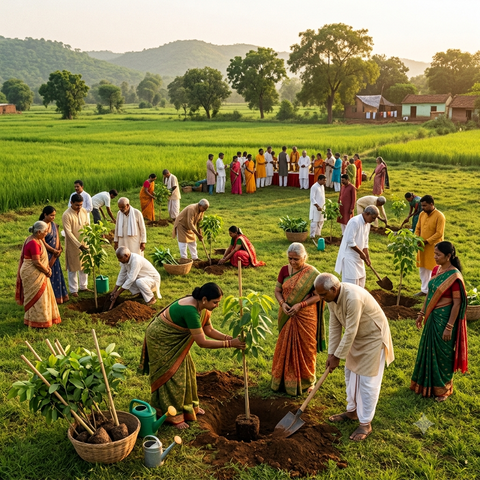
The best native trees to grow in Andhra Pradesh include Neem, Banyan, Peepal, Tamarind, and Mango trees. These species thrive in the state's tropical climate and provide environmental benefits. Native trees adapt better to local conditions and require minimal maintenance.
Andhra Pradesh's diverse landscape, from coastal plains to semi-arid regions, supports numerous indigenous tree species. We've found that selecting the right native trees can transform your landscape while contributing to environmental restoration. These trees not only survive but flourish in the state's unique climate conditions.
✅ Top 10 Best Native Trees for Andhra Pradesh
After working with thousands of tree planting projects across India, our team has identified the most successful native species for Andhra Pradesh. These trees demonstrate remarkable resilience and provide multiple benefits to local ecosystems.
1. Neem (Azadirachta indica)
Neem stands as one of the most valuable native trees in Andhra Pradesh. This hardy species thrives in temperatures ranging from 21°C to 32°C. The tree provides natural pest control, medicinal properties, and excellent shade.
Neem requires minimal water once established. Neem trees can live for over 200 years.
2. Banyan (Ficus benghalensis)
The majestic Banyan tree serves as Andhra Pradesh's state tree. These giants can spread over several acres and provide shelter for countless species. We ensure each banyan planting receives proper space for growth.
Banyan trees improve air quality significantly. They absorb large amounts of carbon dioxide and release oxygen continuously. Therefore, they're perfect for urban forestry projects and public spaces.
3. Peepal (Ficus religiosa)
Peepal trees hold cultural significance while delivering environmental benefits. They adapt well to various soil types across Andhra Pradesh.
Peepal trees support biodiversity by providing food for birds and insects. They're drought-resistant once mature. In addition, these trees can survive for centuries with minimal care.
4. Tamarind (Tamarindus indica)
Tamarind trees combine economic value with environmental benefits. The fruit provides income opportunities for local communities. We provide comprehensive guidance on harvesting and marketing tamarind produce.
These trees withstand strong winds and drought conditions effectively. They improve soil fertility through nitrogen fixation. As a result, tamarind trees enhance agricultural productivity in surrounding areas.
5. Mango (Mangifera indica)
Mango trees represent both tradition and prosperity in Andhra Pradesh. These fruit-bearing natives adapt well to the state's climate. Our team ensures proper variety selection for optimal growth and fruit production.
Native mango varieties require less water than exotic cultivars. They support local food security and provide economic benefits. Furthermore, mango trees create beautiful landscapes with their dense foliage.
⭐ Climate Adaptation Benefits
Native trees demonstrate superior climate adaptation compared to exotic species. According to the United Nations Climate Change initiative, indigenous trees play crucial roles in climate resilience. Our hands-on experience confirms this research across thousands of plantations.
These trees evolved alongside local weather patterns and soil conditions. They withstand monsoons, droughts, and temperature fluctuations naturally. Native species require less maintenance than non-native alternatives.
The United Nations Environment Programme on forests emphasizes that native trees support local ecosystems more effectively. We've observed this firsthand in our Miyawaki forest projects across Andhra Pradesh.
💡 Soil and Water Conservation
Native trees excel at preventing soil erosion in Andhra Pradesh's varied terrain. Their deep root systems stabilize soil structure effectively. We provide detailed planting guides to maximize these conservation benefits.
These species improve water retention in agricultural areas. They create microclimates that reduce evaporation rates. Moreover, native trees enhance groundwater recharge through their extensive root networks.
Native trees provide natural windbreaks and improve soil nutrition, boosting crop yields.
🌱 Biodiversity and Wildlife Support
Native trees create habitat corridors for indigenous wildlife species. Birds, insects, and small mammals depend on these trees for food and shelter. Our urban forest projects welcome diverse species back to developed areas.
These trees support pollinator populations crucial for agriculture. Bees and butterflies thrive around native flowering species. In addition, native trees host beneficial insects that control agricultural pests naturally.
The World Wildlife Fund forest conservation program highlights the importance of native species for ecosystem health. We've documented increased biodiversity in areas with high native tree density.
→ Planting and Care Guidelines
Successful native tree establishment requires proper timing and techniques. Plant during monsoon season (June to September) for best results. Our team provides 3 years of care to ensure healthy growth.
Prepare planting sites by digging holes twice the root ball width. Mix organic compost with native soil for optimal nutrition. Water regularly during the first year, then reduce frequency as trees establish.
Mulching around young trees conserves moisture and prevents weeds. Use organic materials like dried leaves or grass clippings. However, keep mulch away from tree trunks to prevent pest issues.
⚠️ Common Planting Mistakes to Avoid
Many people plant trees too deeply, which restricts root development. Ensure the root collar remains at soil level. We guarantee proper planting depth in all our tree plantation services.
Overwatering kills more trees than drought conditions. Native species prefer natural rainfall patterns once established. Therefore, avoid frequent shallow watering that encourages weak root systems.
Choosing inappropriate locations leads to poor growth outcomes. Consider mature tree size when selecting planting sites. Moreover, ensure adequate sunlight and drainage for optimal development.
🌳 Economic Benefits of Native Trees
Native trees provide sustainable income opportunities through fruit, timber, and non-timber products. Tamarind, mango, and neem trees generate revenue streams. Our partners connect farmers with organic product markets.
Native tree landscapes increase property values. They reduce cooling costs through natural shade provision.
Native species require lower maintenance investments compared to exotic alternatives. This saves money on fertilizers, pesticides, and water bills. As a result, the return on investment improves substantially over time.
Corporate Environmental Programs
Companies across Andhra Pradesh embrace native tree planting for Net Zero Targets achievement. Our corporate partnerships have planted over 2 million native trees since 2020. These programs demonstrate genuine environmental commitment to stakeholders.
Native tree projects qualify for carbon credit programs. Companies can offset their emissions while supporting local ecosystems. We provide comprehensive documentation for carbon accounting purposes.
Employee engagement increases through hands-on tree planting activities. Teams love participating in meaningful environmental restoration. Furthermore, these programs improve corporate social responsibility ratings significantly.
Frequently Asked Questions
Which native tree grows fastest in Andhra Pradesh?
Neem and Peepal trees grow fastest among native species. These trees adapt quickly to local conditions and require minimal care once established.
How much does it cost to plant native trees?
You can Plant a tree in your Name for ₹299 with our comprehensive service. This includes 2-3ft Tree Planting + 3 Years Care + GeoTag tracking. Native species offer better value than exotic alternatives.
What's the best time to plant native trees in Andhra Pradesh?
Plant native trees during monsoon season from June to September. This timing ensures adequate water supply during establishment. We provide year-round planting services with appropriate care protocols.
Do native trees require fertilizers?
Native trees typically thrive without chemical fertilizers. Organic compost during planting provides sufficient nutrition. These species evolved to grow in natural soil conditions effectively.
How do native trees help combat climate change?
Native trees absorb more carbon dioxide per acre than exotic species. They also support local ecosystems that enhance climate resilience. Our goal of planting 100 crore trees focuses primarily on native species.
Can I track my planted native tree?
Yes, our GeoTag technology allows you to monitor your tree's location and growth progress. Each tree receives a unique identifier for easy tracking. This transparency ensures accountability in our planting programs.
Which native trees are best for urban areas?
Neem, Peepal, and Banyan trees excel in urban environments. They tolerate pollution while providing excellent air purification. These species create green corridors in developed areas effectively.
How do native trees support local wildlife?
Native trees provide food, shelter, and nesting sites for indigenous species. They support pollinator populations and create habitat corridors. Biodiversity increases significantly in areas with high native tree density.
Start Your Native Tree Journey Today
Take action today and join our mission of Combating Climate Change Through Collective Action. Plant native trees to create lasting positive impact for future generations. Together, we can restore Andhra Pradesh's natural landscapes while achieving meaningful environmental goals.
Ready to make a difference? Explore our tree planting programs and discover how easy it is to contribute to environmental restoration. Every tree planted brings us closer to our goal of 100 crore trees across India.