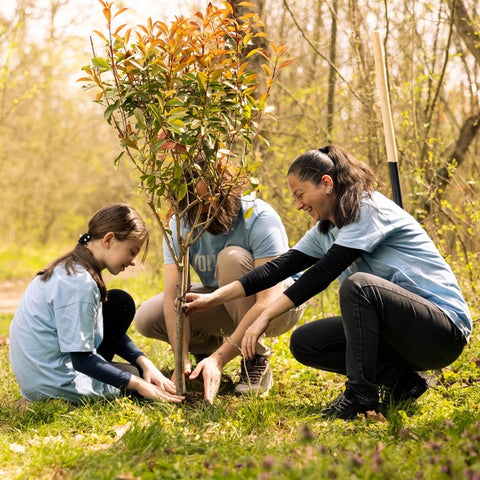
The best native trees to grow in Goa include Coconut Palm, Cashew, Mango, Jackfruit, and Ficus species. These indigenous trees thrive in Goa's tropical climate, support local ecosystems and biodiversity, and contribute to environmental restoration.
Welcome to the wonderful world of Goa's native flora! Growing native trees not only preserves our planet's natural heritage but also creates sustainable landscapes that future generations will love. We're happy to guide you through this green journey that supports both your garden and the environment.
Why Choose Native Trees for Your Goa Garden ✅
Native trees are naturally adapted to Goa's unique coastal climate and soil conditions. They require minimal water, resist local pests, and support indigenous wildlife. According to the United Nations Environment Programme on forests, native species are crucial for maintaining ecological balance and combating climate change through collective action.
Native trees create natural windbreaks, prevent soil erosion, and provide food sources for local birds and animals.
Native trees also offer economic benefits to farmers and homeowners. They produce valuable fruits, timber, and other products while requiring minimal inputs. This sustainable approach aligns perfectly with net zero targets that many organizations pursue today.
Top 10 Best Native Trees to Grow in Goa 🌳
1. Coconut Palm (Cocos nucifera)
The iconic Coconut Palm stands as Goa's most recognizable native tree. These majestic trees reach heights of 60-80 feet and produce coconuts year-round. Our partners in coastal areas report excellent growth rates in sandy soils with good drainage.
Coconut palms provide multiple benefits including fresh coconut water, copra, and palm leaves for thatching. They're incredibly resilient to coastal winds and salt spray. Plant them 25-30 feet apart for optimal growth and fruit production.
2. Cashew Tree (Anacardium occidentale)
Cashew trees are native to this region and thrive in Goa's lateritic soils. These medium-sized trees grow 20-30 feet tall and produce both cashew nuts and cashew apples. We ensure our clients understand that cashew trees begin fruiting within 3-5 years of planting.
The trees bloom from December to April, creating beautiful pink and white flowers. They require minimal care once established and can live for over 50 years. Cashew processing also provides livelihood opportunities for local communities.
3. Mango Tree (Mangifera indica)
Mango trees are beloved throughout Goa, with varieties like Alphonso and Mankurad being world-famous. These large trees can grow 60–100 feet tall and live for centuries. They grow well in well-drained soil with good sunlight.
Different varieties ripen from March to June, providing fresh fruit throughout the season. Mango trees also offer excellent shade and create natural cooling zones around homes. They support numerous bird species and beneficial insects.
4. Jackfruit Tree (Artocarpus heterophyllus)
Jackfruit trees are magnificent native species that can grow up to 80 feet tall. They produce the world's largest tree-borne fruit, with individual fruits weighing 20-80 pounds. We found that jackfruit trees adapt well to various soil types and rainfall patterns.
These trees provide year-round greenery and begin fruiting within 5-7 years. The fruit is incredibly nutritious and versatile, used in both sweet and savory dishes. Young jackfruit serves as an excellent meat substitute in vegetarian cooking.
5. Indian Banyan (Ficus benghalensis)
The majestic Indian Banyan is perfect for large properties and community spaces. These trees can spread over vast areas through their aerial roots, creating natural pavilions. According to the World Wildlife Fund's forest conservation initiatives, Ficus species play vital roles in forest ecosystems.
Banyan trees provide habitat for countless species and have deep cultural significance. They're excellent for carbon sequestration and air purification. Plant them where they have space to grow, as they can live for hundreds of years.
6. Tamarind Tree (Tamarindus indica)
Tamarind trees are hardy natives that thrive in Goa's climate. These long-lived trees produce tangy pods used in cooking and traditional medicine. Our team recommends tamarind trees for their drought tolerance and minimal maintenance requirements.
The trees provide dense shade and can withstand strong winds. Tamarind paste is a valuable commercial product, making these trees economically viable. They also fix nitrogen in the soil, improving fertility for surrounding plants.
7. Areca Palm (Areca catechu)
Areca palms are slender, elegant trees that grow 40-60 feet tall. They're commercially valuable for betel nut production and are integral to Goa's agricultural economy. These palms prefer partial shade and consistent moisture.
Areca plantations create beautiful, organized landscapes while generating steady income. The nuts are harvested year-round, providing continuous returns. These palms also prevent soil erosion on slopes and hillsides.
8. Indian Coral Tree (Erythrina indica)
The Indian Coral Tree produces stunning orange-red flowers that bloom before the leaves appear. These fast-growing trees reach 20-30 feet and are perfect for ornamental purposes. We provide guidance on proper pruning to maintain their attractive shape.
Coral trees are excellent for reforestation projects due to their rapid growth. They fix nitrogen in the soil and attract hummingbirds and butterflies. The soft wood is also used for making floats and lightweight crafts.
9. Curry Leaf Tree (Murraya koenigii)
Curry leaf trees are essential in every Goa garden for their aromatic leaves used in cooking. These small trees grow 15-20 feet tall and produce small white flowers followed by black berries. They thrive in partial shade with regular watering.
Fresh curry leaves are far superior to dried ones in flavor and nutritional value. The trees are easy to grow and can be maintained as large shrubs through pruning. They also have medicinal properties and support local biodiversity.
10. Flame of the Forest (Butea monosperma)
The Flame of the Forest has bright orange flowers in spring. These medium-sized trees are drought-tolerant and grow well in poor soils, suitable for restoring degraded lands.
The flowers have cultural significance and are used in traditional festivals. The tree produces a natural gum and the leaves serve as natural plates. It's an excellent choice for wildlife gardens as it attracts various bird species.
Planting and Care Guidelines 💡
Successful native tree cultivation begins with proper site selection and soil preparation. We ensure our clients understand that most native trees prefer well-drained soil with organic matter. The monsoon season (June-September) is ideal for planting as it provides natural irrigation.
Dig planting holes twice the width of the root ball and slightly shallower than the root depth. This prevents water logging and root rot. Add compost or aged manure to improve soil structure and provide slow-release nutrients.
Water newly planted trees regularly during their first year, then reduce frequency as they establish. Most native trees become drought-tolerant once mature. Mulching around the base helps retain moisture and suppress weeds.
Pruning should focus on removing dead, damaged, or crossing branches. Avoid heavy pruning during the growing season. Many native trees require minimal fertilization, but a balanced organic fertilizer applied annually can boost growth and fruit production.
Environmental Benefits of Native Trees ⭐
Native trees play crucial roles in environmental conservation and climate change mitigation. The United Nations climate change action emphasizes the importance of forest restoration for achieving global climate goals. Each mature tree can sequester 22-48 pounds of carbon dioxide annually.
These trees support local wildlife by providing food, shelter, and nesting sites. They maintain soil health through their root systems and leaf litter. Native trees also help regulate local climate by providing cooling through transpiration.
Water cycle regulation is another vital benefit. Trees increase rainfall through transpiration and reduce surface runoff. This natural process helps recharge groundwater and prevents flooding during heavy rains.
Native trees create local climate benefits and provide aesthetic and environmental value to a property.
Best Practices for Sustainable Tree Growing 🌱
Sustainable tree growing involves selecting appropriate species for specific locations and purposes. We recommend mixing different native species to create diverse ecosystems that are more resilient to pests and diseases. This approach mimics natural forests and provides multiple benefits.
Companion planting with native shrubs and herbs creates beneficial relationships between plants. Nitrogen-fixing species like coral trees can improve soil fertility for neighboring plants. This natural approach reduces the need for synthetic fertilizers.
Water conservation is essential for sustainable practices. Install drip irrigation systems for efficient watering. Collect rainwater during monsoons for use during dry periods. Mulching and proper soil preparation also help retain moisture naturally.
Integrated pest management using natural predators and organic methods protects trees without harmful chemicals. Regular monitoring helps identify problems early when they're easier to address. This eco-friendly approach maintains healthy ecosystems.
Common Challenges and Solutions ⚠️
Monsoon flooding can damage young trees if proper drainage isn't established. Create raised planting beds or install drainage systems in low-lying areas. Choose flood-tolerant species like coconut palms for areas prone to waterlogging.
Salt spray affects coastal plantings but native species are generally more tolerant. Provide windbreaks using salt-tolerant shrubs to protect sensitive young trees. Regular washing of leaves during dry periods helps remove salt accumulation.
Pest management requires understanding local insect and disease cycles. Many native trees have natural resistance, but stressed trees are more vulnerable. Maintain proper watering and nutrition to keep trees healthy and naturally resistant.
Space constraints in urban areas require careful species selection. Choose smaller native trees like curry leaf or dwarf varieties of larger species. Proper pruning can maintain size while preserving the tree's natural form and health.
Economic Opportunities with Native Trees 💰
Native fruit trees provide direct income through fresh fruit sales and value-added products. Mangoes, cashews, and coconuts are valuable crops in local and export markets.
Timber production from native species offers long-term returns. Species like teak and mahogany (when legally grown) provide valuable wood for construction and furniture. Even pruned branches can be sold for fuel or craft materials.
Eco-tourism opportunities arise from well-maintained native tree gardens. Bird watching, nature walks, and educational tours can generate additional income. Many urban residents are happy to pay for authentic natural experiences.
Carbon credit programs are emerging that compensate landowners for tree planting and maintenance. These programs align with corporate net zero targets and provide ongoing income for tree conservation. We help connect tree growers with these opportunities.
Frequently Asked Questions
What is the best time to plant native trees in Goa?
The best time to plant native trees in Goa is during the early monsoon season (June-July). This timing allows trees to establish their root systems with natural rainfall. Pre-monsoon planting (May) is also suitable if adequate irrigation is available. Avoid planting during peak summer months when water stress is highest.
How much space do native trees need to grow properly?
Space requirements vary by species. Large trees like banyan and mango need 30-40 feet between plants. Medium trees like cashew and jackfruit require 20-25 feet spacing. Small trees like curry leaf can be planted 10-15 feet apart. Consider mature size when planning to prevent overcrowding and competition.
Do native trees require special soil preparation?
Most native trees adapt to Goa's natural lateritic soils but benefit from organic matter addition. Improve drainage in heavy clay areas and add compost to sandy soils. Test soil pH; most natives prefer slightly acidic to neutral conditions (6.0-7.0). Good drainage is more critical than soil fertility for most species.
How long do native trees take to mature and produce fruit?
Maturation time varies significantly by species. Fast-growing trees like coral tree and curry leaf establish within 2-3 years. Fruit trees typically begin producing within 3-7 years depending on the species. Coconut palms start bearing after 5-6 years, while mangoes may take 5-10 years. Proper care accelerates growth and fruit production.
Can I grow native trees in containers or small spaces?
Many native trees can be grown in large containers with proper care. Choose dwarf varieties or species that respond well to pruning like curry leaf, small mangoes, and young coconut palms. Container trees need more frequent watering and fertilization. Repot every 2-3 years to prevent root binding.
What are the water requirements for native trees?
Native trees are generally drought-tolerant once established but need regular watering during their first 1-2 years. Deep, infrequent watering encourages deep root growth. Most species need supplemental watering only during extended dry periods. Mulching helps retain soil moisture and reduces watering needs.
How do I protect young native trees from pests and diseases?
Prevention is the best approach through proper planting, watering, and nutrition. Use organic neem oil for common pests like aphids and scale insects. Remove fallen leaves and fruits to prevent disease buildup. Encourage beneficial insects with diverse plantings. Most native species have natural resistance when grown in suitable conditions.
Are there any legal restrictions on planting native trees?
Generally, there are no restrictions on planting native trees on private property. However, check local regulations regarding tree removal and certain protected species. Some areas have guidelines for trees near power lines or property boundaries. Coastal areas may have specific planting restrictions to protect dune ecosystems.
What government support is available for native tree planting?
Various government schemes support tree planting including subsidies for fruit trees and agroforestry programs. The Forest Department provides technical assistance and sometimes free seedlings. Check with local agricultural extension offices for current programs. Some schemes offer financial incentives for achieving specific planting targets.
How do native trees contribute to achieving net zero targets?
Native trees sequester carbon dioxide from the atmosphere and store it in their biomass and soil. A mature tree can offset 22-48 pounds of CO2 annually. They also reduce energy consumption by providing natural cooling and windbreaks. Corporate tree planting programs often use native species to achieve verified carbon offset credits.
Transform Your Landscape with Native Trees Today
Growing the best native trees in Goa creates lasting environmental impact while providing economic and aesthetic benefits. These resilient species support local ecosystems, require minimal maintenance, and contribute to our goal of planting 100 crore trees across India. The United Nations Sustainable Development Goals emphasize the critical role of reforestation in achieving a sustainable future.
Start your green journey today by selecting appropriate native species for your property. Whether you're interested in fruit production, environmental conservation, or simply creating a beautiful natural space, native trees offer the perfect solution. Our comprehensive 2-3ft Tree Planting + 3 Years Care + GeoTag service ensures your trees thrive and contribute to combating climate change through collective action.
Plant a tree in your Name for just ₹299 and become part of India's largest reforestation movement. Explore our native tree planting programs and discover how easy it is to make a meaningful environmental impact. Together, we can transform Goa's landscape while building a sustainable future for generations to come.