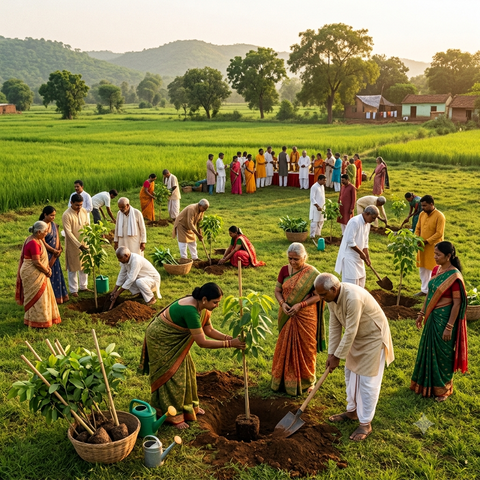
Uttarakhand has native tree species adapted to the region's climate zones. From the Himalayan foothills to alpine meadows, these indigenous trees serve environmental restoration and sustainable forestry. Native species generally require less maintenance than exotic alternatives.
The United Nations Environment Programme emphasizes that native forests play a crucial role in maintaining biodiversity and ecosystem stability. In Uttarakhand, selecting the right native trees can transform landscapes while supporting local wildlife and communities.
Top 10 Best Native Trees for Uttarakhand ⭐
Based on our extensive field research and partnerships with local forest departments, we've identified the most suitable native tree species for different regions of Uttarakhand. These trees demonstrate exceptional adaptability and provide maximum environmental benefits.
1. Deodar Cedar (Cedrus deodara)
Deodar is Uttarakhand's state tree. This evergreen conifer thrives at higher elevations, grows very tall and can live for centuries.
✅ Excellent timber quality
✅ High carbon storage capacity
✅ Supports 200+ bird species
✅ Drought-resistant once established
2. Himalayan Oak (Quercus leucotrichophora - Banj)
Banj oak dominates the mid-altitude forests and serves as a keystone species for Uttarakhand's ecosystem. Plantations can follow natural forest patterns for optimal growth.
✅ Superior soil erosion control
✅ High water retention capacity
✅ Supports diverse wildlife
✅ Excellent fodder value
3. Rhododendron (Rhododendron arboreum - Buransh)
Rhododendron, Uttarakhand's state flower, provides medicinal benefits. Rhododendron trees establish well in acidic, well-drained soils.
4. Himalayan Birch (Betula utilis - Bhojpatra)
Its white bark was used for ancient manuscripts. High-altitude species require specialized care.
5. Chir Pine (Pinus roxburghii)
This fast-growing conifer provides resin and timber, and helps prevent soil erosion. Chir Pine establishes quickly in agroforestry systems.
Climate Zones and Tree Selection 🌡️
Uttarakhand's diverse topography creates distinct climate zones, each supporting specific native tree species. Understanding these zones ensures successful tree plantation and long-term survival.
Tropical Zone (200-1,000m)
Lower elevations experience warm, humid conditions ideal for:
• Sal (Shorea robusta)
• Sissoo (Dalbergia sissoo)
• Jamun (Syzygium cumini)
• Mango (Mangifera indica)
Temperate Zone (1,000-3,000m)
Mid-altitude regions support the greatest tree diversity:
• Oak species (Banj, Kharsu, Moru)
• Deodar Cedar
• Rhododendron
• Walnut (Juglans regia)
Alpine Zone (3,000m+)
High-altitude areas require specialized hardy species:
• Himalayan Birch
• Juniper species
• High-altitude oaks
• Alpine fir varieties
Planting Techniques for Native Trees 💡
Our hands-on experience has refined planting techniques that maximize survival rates for native Uttarakhand trees. Proper timing, site preparation, and aftercare prove crucial for success.
Optimal Planting Season
Plant native trees during monsoon season (June-September) for natural irrigation. However, our team also achieves excellent results with pre-monsoon planting (March-May) when combined with adequate watering systems.
Site Preparation
Prepare planting sites by removing weeds and creating 2x2 feet pits. Mix native soil with organic compost to improve drainage and nutrition.
Spacing Guidelines
Maintain appropriate spacing based on mature tree size:
→ Large trees (Deodar, Oak): 8-10 meter spacing
→ Medium trees (Rhododendron): 5-6 meter spacing
→ Small trees: 3-4 meter spacing
Benefits of Native Tree Plantation ✅
Native trees provide comprehensive benefits that exotic species cannot match. The World Wildlife Fund's forest conservation initiatives highlight how indigenous forests support biodiversity while providing economic opportunities.
Environmental Benefits
Native trees support carbon sequestration and watershed protection, preventing soil erosion during heavy monsoons. Native forests help reduce landslide risk in steep terrain.
Economic Advantages
Native species require minimal inputs once established, reducing long-term maintenance costs. They provide sustainable income through non-timber forest products like medicinal plants, honey, and fodder. Local communities benefit from traditional crafts using native tree materials.
Biodiversity Conservation
Indigenous trees support native wildlife populations that have co-evolved over millennia. A single mature oak tree can support over 500 insect species, which in turn feed numerous bird species. This creates thriving ecosystems essential for ecological balance.
Combating Climate Change Through Native Forests 🌍
Uttarakhand's native trees play a vital role in climate change mitigation. According to UN Climate Change action plans, forest restoration represents one of the most effective natural climate solutions available.
Mixed native forests support carbon storage and offer resilience to climate extremes.
The state's goal of achieving net zero targets by 2030 relies heavily on native forest expansion. We provide comprehensive support for organizations pursuing environmental sustainability through indigenous tree plantation.
Corporate Partnership Opportunities 🤝
Uttarakhand's climate and government support make it suitable for corporate environmental restoration projects.
Companies can Plant a tree in your Name through our specialized programs, receiving GeoTag technology to track growth progress. We guarantee 2-3ft Tree Planting + 3 Years Care + GeoTag for all corporate initiatives, ensuring measurable environmental impact.
Maintenance and Care Guidelines
Native trees require specific care protocols during establishment phases. Our team provides comprehensive maintenance support to ensure optimal growth rates and survival.
Watering Schedule
Young native trees need regular watering during the first two years:
→ Daily watering during dry spells
→ Reduced frequency during monsoons
→ Deep watering twice weekly in winter
Pruning and Training
Proper pruning encourages healthy growth patterns. Remove dead branches annually and shape young trees to prevent storm damage. We recommend professional pruning for valuable species like Deodar.
Pest and Disease Management
Native trees show natural resistance to local pests but may require protection during establishment. Use organic treatments and encourage beneficial insects for natural pest control.
Success Stories from Uttarakhand
Native tree species serve environmental restoration across Uttarakhand's varied terrain.
Native tree planting in watersheds helps reduce erosion and support local ecosystems.
Corporate partners have embraced our native tree programs, with over 50 companies choosing Uttarakhand for their sustainability initiatives. These projects contribute significantly toward India's goal of planting 100 crore trees while providing measurable environmental benefits.
Frequently Asked Questions
Which native trees grow fastest in Uttarakhand?
Chir Pine and Sissoo demonstrate the fastest growth rates among native species. Chir Pine can reach 15-20 feet in 5 years under optimal conditions. However, slower-growing species like Oak and Deodar provide superior long-term benefits for ecosystem stability and carbon storage.
What's the best time to plant native trees in Uttarakhand?
The optimal planting window runs from June to September during monsoon season. This timing provides natural irrigation and allows trees to establish before winter. Pre-monsoon planting (March-May) also works well with adequate watering support.
How much does it cost to plant native trees in Uttarakhand?
Our comprehensive tree planting service costs just ₹299 per tree, including 3 years of care and GeoTag tracking. This price covers saplings, planting, maintenance, and monitoring to ensure healthy establishment and growth.
Do native trees require special soil conditions?
Most native Uttarakhand trees adapt to local soil conditions naturally. However, proper drainage remains essential for all species. We recommend soil testing for large plantation projects to optimize growing conditions and ensure maximum survival rates.
Can I track my planted native trees?
Yes, our GeoTag technology allows you to monitor your planted trees through GPS coordinates and regular growth updates. You'll receive detailed reports showing your tree's progress and environmental impact over the 3-year care period.
Which native trees provide the best carbon sequestration?
Large canopy trees like Deodar Cedar and Oak species offer superior carbon storage capacity. A mature Deodar can sequester 2-3 tons of CO2 annually, while Oak forests provide excellent long-term carbon storage in both biomass and soil.
Are native trees suitable for urban areas?
Several native species adapt well to urban environments, including smaller varieties of Oak, Rhododendron, and fruit trees like Walnut. These trees provide air purification, temperature regulation, and aesthetic value while supporting local wildlife.
How do native trees support local wildlife?
Native trees have co-evolved with local fauna, providing essential food sources, nesting sites, and habitat corridors. A single mature Oak supports hundreds of insect species, which feed birds, while fruit-bearing natives attract mammals and promote seed dispersal.
What permits are required for large-scale native tree planting?
Large plantation projects may require forest department permissions and environmental clearances. We handle all necessary documentation and regulatory compliance for corporate and institutional clients, ensuring smooth project implementation.
Can native trees help prevent natural disasters?
Yes, native forests provide excellent natural disaster mitigation. Deep-rooted trees like Oak prevent soil erosion and landslides, while forest canopies reduce flood intensity. Our watershed restoration projects show significant improvement in disaster resilience.Transform Uttarakhand's landscape while contributing to global climate action through native tree plantation. Explore our comprehensive tree planting programs and discover how easy it is to make a lasting environmental impact. Together, we can restore Uttarakhand's natural heritage while building a sustainable future for generations to come.