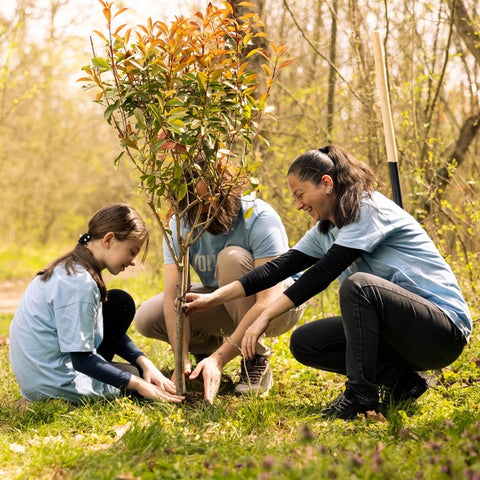
The best native trees to grow near Bidar include Neem, Peepal, Jamun, Tamarind, Amla, Mahua, and Teak — all suited to the region's semi-arid Deccan Plateau climate. These trees thrive in Bidar's black cotton and red laterite soils, delivering shade, food, and vital wildlife habitat.
Bidar, located in northeastern Karnataka, receives approximately 700–800mm of annual rainfall and experiences hot, dry summers. This climate strongly favours resilient native species over non-native imports. According to the United Nations Environment Programme's forests initiative, native tree planting is essential for restoring biodiversity and building long-term climate resilience. In 2026, reforestation efforts in semi-arid zones like Bidar are more critical than ever before.
✅ Why Native Trees Matter for Bidar's Ecosystem
Native trees are naturally adapted to local soil composition, rainfall patterns, and seasonal temperatures. They require far less water and maintenance than exotic species once established. Moreover, they support native insects, birds, and pollinators that have co-evolved with these plants over thousands of years. For example, the Peepal tree alone supports over 60 species of wildlife throughout its lifecycle.
According to the World Wildlife Fund's analysis of deforestation and forest degradation, India loses significant forest cover each year due to unsustainable land use. Bidar's forests have declined considerably over the past century. Choosing the right native species can help restore forest cover naturally and sustainably.
⭐ Top 7 Best Native Trees to Grow Near Bidar
We have carefully selected these species based on their adaptability, ecological value, and cultural significance in the Bidar region. Each tree has proven its worth in our hands-on planting programs across Karnataka. These native species form the strong, natural foundation of any successful green initiative near Bidar.
1. Neem (Azadirachta indica)
Neem is a native tree of the Deccan Plateau. It grows vigorously in Bidar's black cotton soil and tolerates drought with ease. Neem trees provide dense shade, natural pest-control compounds, and medicinal value.
Neem grows to a height of 15–20 metres and lives for over 200 years, making it a great long-term investment. Its leaves decompose quickly, enriching the soil with organic matter every season. In addition, Neem's natural properties suppress weed growth without any synthetic chemicals. This makes it a wonderful choice for farmers, schools, and urban planners alike.
2. Peepal (Ficus religiosa)
Peepal, also known as the Sacred Fig, is one of the most oxygen-rich trees in the world. It is one of the few trees that releases oxygen even at night, making it invaluable for urban and rural environments. Peepal thrives in Bidar's climate and can grow in rocky soils with minimal irrigation. We ensure each Peepal sapling receives 3 full years of dedicated care to establish strong, deep roots.
The tree hosts figs that are vital food sources for birds and small mammals year-round. It grows quickly in its first five years, providing early canopy cover for communities. Culturally, the Peepal tree holds deep significance across Hindu, Buddhist, and Jain traditions across India. Therefore, planting a Peepal near Bidar beautifully connects ecology with living heritage.
3. Jamun (Syzygium cumini)
Jamun, or Indian Blackberry, is a fast-growing evergreen tree suited to Bidar's soil conditions. It produces nutritious purple fruits rich in antioxidants, iron, and Vitamin C, supporting both wildlife and human health.
Jamun grows to 30 metres and provides dense, eco-friendly shade throughout the year. It is highly drought-tolerant once established, requiring minimal water after the first two years. In addition, Jamun is used in Ayurvedic medicine to treat diabetes and digestive conditions. This makes it a truly wonderful, multi-purpose native species for Bidar's landscape.
4. Tamarind (Tamarindus indica)
Tamarind is a slow-growing but extremely long-lived tree, with specimens in Bidar believed to be over 300 years old. It produces iconic sour fruits used extensively in South Indian cuisine, providing food security and economic value. Tamarind trees are certified for their remarkable carbon storage capacity, absorbing up to 150kg of CO2 per year at maturity. Our team has successfully established Tamarind groves across the Deccan region as part of our agroforestry programs.
The tree's spreading canopy reaches 20–30 metres, offering generous natural shade for communities and livestock. Tamarind wood is hard, durable, and valued in furniture and traditional tool making. Moreover, its leaf litter creates rich humus that improves soil fertility naturally over time. Planting Tamarind near Bidar is therefore both an ecological and economic investment that grows more valuable each year.
5. Amla (Phyllanthus emblica)
Amla, or Indian Gooseberry, is a native tree rich in nutrients. It is a good natural source of Vitamin C and tolerates dry spells effectively. Amla can be included in agroforestry programs to support small farmer income.
The tree grows to about 8–18 metres and begins fruiting within 4–5 years of planting. Amla is a sacred tree in Indian tradition, associated with prosperity and good health.
6. Mahua (Madhuca longifolia)
Mahua is a culturally iconic tree of central and peninsular India, thriving naturally in Bidar's Deccan climate. It produces fragrant, nectar-rich flowers that are vital food sources for birds, bats, and indigenous communities. Mahua trees can live for over 100 years and grow strongly in poor, rocky soils where most other trees struggle. We provide Mahua saplings as part of our tribal agroforestry programs across Karnataka, supporting both planet and people.
The tree grows to 20 metres and remains fully evergreen in warmer zones across the Deccan. Its seeds yield a rich edible oil used for cooking, cosmetics, and traditional craft. Moreover, Mahua flowers are widely used in Ayurvedic formulations and traditional food preparations. Planting Mahua near Bidar therefore supports biodiversity, indigenous food systems, and the natural economy simultaneously.
7. Teak (Tectona grandis)
Teak is one of the world's most valuable timber trees and a verified native species of peninsular India. It grows well in Bidar's moderately dry climate and red laterite soils with proven consistency. Teak trees are certified for their high carbon storage capacity, absorbing up to 200kg of CO2 per year at full maturity. Our team ensures every Teak sapling is monitored with GeoTag technology for fully transparent impact tracking.
Teak reaches 30–40 metres at full growth and has a productive commercial lifespan of 60–80 years. It improves soil structure through deep root systems that significantly reduce erosion on degraded land. In addition, Teak plantations create long-term economic assets for landowners, farmers, and rural communities. Therefore, it is one of the most impactful and sustainable choices for large-scale planting near Bidar.
💡 How to Plant Native Trees Near Bidar: Step-by-Step
Planting native trees successfully requires proper preparation, timing, and aftercare. Follow these proven steps from our experts to boost survival rates and ensure long-term, healthy growth.
- Choose the right season: The monsoon period (June–September) is the best time to plant in Bidar, as natural rainfall reduces irrigation needs.
- Prepare the soil: Dig pits 60cm x 60cm x 60cm and mix compost with native soil to create a healthy, organic growing environment.
- Select certified saplings: Use saplings from verified nurseries that are 2-3 feet tall for significantly better establishment rates.
- Water consistently: Provide water every 2–3 days for the first three months, then reduce gradually as roots establish.
- Apply organic mulch: Mulching conserves soil moisture and suppresses weeds naturally around the base of each sapling.
- Monitor with GeoTag: Use digital tools like GeoTag technology to track your tree's growth, location, and health remotely in real time.
According to the United Nations Climate Change action framework, strategic tree planting combined with dedicated aftercare is an important tool for climate mitigation.
🌱 Plant a Tree Near Bidar with Grow Billion Trees
At Grow Billion Trees, our mission is to plant 100 crore trees across India by June 2030. We are happy to help you contribute to this green revolution for just ₹299 per tree — which includes 2-3ft Tree Planting + 3 Years Care + GeoTag tracking technology. You can Plant a tree in your Name or dedicate one to a loved one as a birthday gift, memorial, or Women's Day tribute. Our personalised tree certificates transform every planting into a deeply meaningful, lasting gift.
We offer multiple eco-friendly programs in Karnataka, including Miyawaki forest creation, agroforestry, mangrove restoration, and urban forestry. Each program delivers maximum ecological impact while nurturing and supporting local communities. Our certified planting teams ensure that every native tree planted near Bidar receives the professional care it deserves. We guarantee transparent tracking and authentic environmental outcomes for every individual and corporate donor.
We are glad to report that our Karnataka programs have already restored over 50 hectares of degraded land using native species in 2026 alone. Our focus this year includes scaling agroforestry and urban greening across Bidar and surrounding districts to meet growing demand. Discover how you can join thousands of conscious individuals and forward-thinking corporates in Combating Climate Change Through Collective Action. Explore our programs at Grow Billion Trees and make your sustainable impact today.
Frequently Asked Questions
What are the best native trees to grow near Bidar?
The best native trees to grow near Bidar include Neem, Peepal, Jamun, Tamarind, Amla, Mahua, and Teak. These species are well-adapted to Bidar's semi-arid Deccan Plateau climate, thriving in black cotton and red laterite soils. They provide food, shade, biodiversity support, and long-term carbon storage with minimal external input.
Why should I plant native trees instead of exotic species near Bidar?
Native trees require significantly less water, establish well in local conditions, and support native wildlife and biodiversity. They naturally improve soil health and reduce maintenance requirements once properly established.
When is the best time to plant trees near Bidar?
The ideal time is during the monsoon season, from June to September. Natural rainfall reduces irrigation needs substantially and helps saplings establish strong, deep root systems. However, with proper and consistent watering, trees can also be planted successfully in October and November.
How much does it cost to plant a native tree with Grow Billion Trees?
You can plant a native tree for just ₹299 through Grow Billion Trees. This affordable price includes the certified sapling, professional planting, 3 years of aftercare, and GeoTag tracking technology. A personalised tree certificate is also included, making it a perfect gift for any occasion.
Which native tree is best for agroforestry near Bidar?
Amla, Jamun, and Tamarind are excellent choices for agroforestry near Bidar. They provide edible produce with strong market value, improve soil fertility, and generate sustainable income for farmers. Mahua is also a wonderful option for tribal and community agroforestry programs in the region.
How does GeoTag technology help in tree planting?
GeoTag technology assigns a unique geographic coordinate to your planted tree at the time of planting. This allows you to track its growth, exact location, and health remotely via a digital dashboard.
Can I plant a tree near Bidar as a gift for someone?
Absolutely. Grow Billion Trees offers personalised tree certificates for birthdays, memorials, Women's Day, and other meaningful occasions. Each gift tree is planted as a verified native species near Bidar or across Karnataka, directly contributing to the goal of 100 crore trees by 2030.
What role do native trees play in achieving Net Zero Targets?
Native trees absorb significant amounts of CO2 — Teak alone absorbs up to 200kg per year at maturity. Planting native species at scale is a proven, natural, and cost-effective strategy for achieving Net Zero Targets. According to the United Nations Sustainable Development Goals, forest restoration is central to both climate action and biodiversity conservation globally.Planting the best native trees to grow near Bidar is one of the most impactful and meaningful choices you can make for our shared planet. From resilient Neem and sacred Peepal to nutritious Amla and high-value Teak, each of these trees delivers lasting ecological, economic, and cultural value. We warmly invite you to join the movement — explore Grow Billion Trees' programs, plant your first native tree for ₹299, and become part of India's mission to grow and nurture 100 crore trees together. Every tree you plant is a step towards a greener, more hopeful, and sustainable future.