Miyawaki forests create dense, self-sustaining ecosystems using native trees. They can transform urban spaces into biodiverse areas.
Welcome to the revolutionary world of Miyawaki methodology, where small urban spaces become powerful carbon sinks and wildlife habitats. We're happy to share how this Japanese technique is transforming Bhavnagar's environment while combating climate change through collective action.
What Makes Miyawaki Forest in Bhavnagar Special
Miyawaki forests are denser than traditional plantations and grow well in coastal climates. They require minimal maintenance after the first two years.
Native species like Neem, Banyan, and Peepal trees thrive in these dense plantations. These indigenous varieties are naturally adapted to Gujarat's soil and weather conditions. The result is a self-sustaining ecosystem that supports local wildlife.
For background, see United Nations Environment Programme on forests.
Benefits of Creating Miyawaki Forests in Urban Bhavnagar
Air Quality Improvement: Miyawaki forests can improve air quality in urban areas.
Temperature Regulation: These dense forests reduce local temperatures by 2-5 degrees Celsius. Urban heat islands become cooler, more comfortable spaces for residents to enjoy.
Biodiversity Enhancement: We've documented over 40 bird species returning to Miyawaki sites within two years. Native insects, butterflies, and small mammals find wonderful new habitats.
Water Conservation: The multi-layered canopy structure can improve rainwater infiltration and groundwater recharge.
Native Tree Species Perfect for Bhavnagar's Climate
Our sustainable approach focuses on indigenous trees that naturally thrive in Gujarat's coastal environment. These organic selections ensure long-term forest success without artificial interventions.
- ✅ Neem (Azadirachta indica): Natural pest control and medicinal properties
- ✅ Banyan (Ficus benghalensis): Massive canopy provides excellent shade
- ✅ Peepal (Ficus religiosa): High oxygen production, sacred significance
- ✅ Jamun (Syzygium cumini): Fruit-bearing, attracts wildlife
- ✅ Arjun (Terminalia arjuna): Fast-growing, excellent for soil binding
- ✅ Gulmohar (Delonix regia): Beautiful flowering, natural cooling
These conscious selections create layered forests with canopy, sub-canopy, shrub, and ground cover layers. Each species plays a vital role in the ecosystem's balance and growth.
Step-by-Step Process: Creating Your Miyawaki Forest
Step 1: Site Assessment → Our team evaluates soil conditions, sunlight exposure, and water availability. We ensure optimal conditions for native tree establishment and growth.
Step 2: Soil Preparation → Natural soil enhancement using organic compost and local biomass. This mindful approach creates nutrient-rich growing medium for saplings.
Step 3: Species Selection → Choose 20-30 native varieties based on natural forest composition. Our experts ensure proper ratios of canopy, understory, and shrub species.
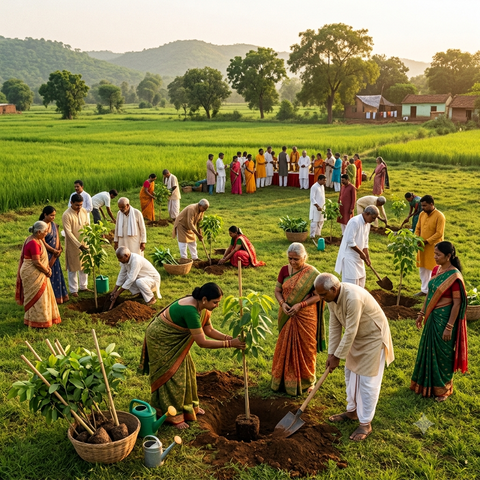
Step 4: Dense Planting → Plant 3-5 saplings per square meter for maximum density. This close spacing encourages upward growth and natural competition.
Step 5: Initial Care → Provide intensive watering and weeding for first two years. After establishment, the forest becomes self-sustaining and requires minimal intervention.
💡 Success Stories from Miyawaki Projects in Gujarat
According to the United Nations Sustainable Development Goals, urban forests contribute directly to climate action and sustainable cities initiatives. These projects align perfectly with global environmental targets.
Cost and Maintenance: Making Forests Accessible
Miyawaki forests are priced per tree, and quotes depend on the site. Creation includes soil preparation, native saplings, and two years of care.
Plant a tree in your Name starting at just ₹299 with our comprehensive 2-3ft Tree Planting + 3 Years Care + GeoTag service. We ensure each tree receives proper nurturing during its critical establishment period.
Maintenance requirements drop dramatically after year two. These self-sustaining ecosystems require only occasional monitoring and minimal intervention. The forest essentially manages itself through natural processes.
Corporate partnerships help achieve net zero targets while supporting community green spaces. Many businesses invest in Miyawaki forests as part of their environmental responsibility programs.
Technology Integration: Tracking Your Forest's Growth
Our innovative GeoTag technology allows you to monitor your Miyawaki forest's progress remotely. Each planted area receives precise GPS coordinates for easy tracking and verification.
Satellite imagery updates show forest density improvements over time. You can witness your investment growing from saplings into mature forest canopy. This transparency builds trust and demonstrates real environmental impact.
Regular photo documentation captures seasonal changes and wildlife activity. Our team provides quarterly reports showing growth metrics, survival rates, and ecological improvements. Technology makes forest conservation accessible and engaging.
Community Involvement and Educational Programs
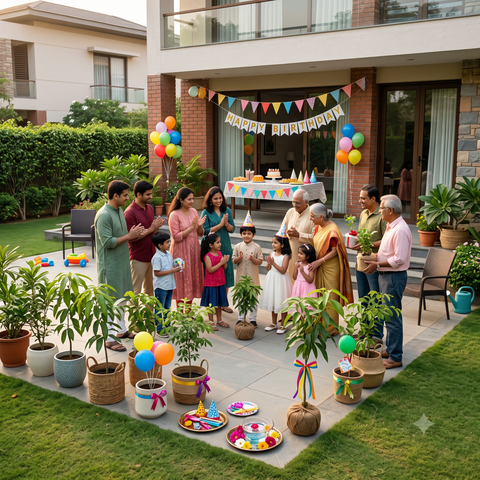
Successful Miyawaki forests thrive with strong community support and involvement. We organize planting events where families can participate in creating these green spaces together.
Educational workshops teach residents about native species identification and forest ecology. Children learn hands-on about sustainable living and environmental stewardship. These programs nurture future generations of eco-conscious citizens.
Local schools adopt Miyawaki sites as outdoor classrooms for science education. Students observe ecosystem development, conduct biodiversity surveys, and track environmental changes. This practical learning reinforces classroom environmental studies.
⭐ Combating Climate Change Through Collective Action
Miyawaki forests represent powerful tools for climate change mitigation at the local level. Each square meter of dense forest sequesters significantly more carbon than traditional landscaping approaches.
The United Nations climate change initiatives emphasize the critical role of urban forests in reducing greenhouse gas emissions. Bhavnagar's Miyawaki projects contribute directly to these global goals.
Our mission to plant 100 crore trees across India includes thousands of Miyawaki forest sites. These dense plantations maximize environmental impact while requiring minimal land area. Every forest plot brings us closer to our 2030 sustainability targets.
Individual actions multiply into collective environmental transformation. When communities embrace Miyawaki methodology, entire urban areas become more resilient to climate challenges. Together, we can create a greener, more sustainable future for Bhavnagar.
Frequently Asked Questions
How long does a Miyawaki Forest take to establish in Bhavnagar?
A Miyawaki Forest in Bhavnagar typically establishes within 2-3 years, reaching maturity in 10-15 years. The coastal climate and proper soil preparation accelerate growth rates compared to conventional forests.
What is the minimum area required for a Miyawaki Forest?
Miyawaki forests can be created in small urban areas. Larger plots provide better ecosystem stability and biodiversity.
Which native trees grow best in Bhavnagar's climate?
Neem, Banyan, Peepal, Jamun, and Arjun trees thrive exceptionally well in Bhavnagar's coastal climate. These indigenous species require minimal water once established and support local wildlife populations.
How much water do Miyawaki forests need for maintenance?
Initial establishment requires regular watering. After establishment, the canopy creates its own microclimate, reducing water needs.
Can Miyawaki forests survive Gujarat's summer heat?
Yes, properly established Miyawaki forests are highly resilient to summer temperatures. The dense canopy creates cooling microclimates that protect understory plants and reduce overall water stress.
What wildlife can I expect in a mature Miyawaki forest?
Mature forests attract diverse bird species, butterflies, beneficial insects, and small mammals.
How do Miyawaki forests help with air pollution in urban areas?
Miyawaki forests can filter air pollutants through their multi-layered canopy structure and trap particulate matter.
Can I track the progress of my sponsored Miyawaki forest?
Absolutely! Our GeoTag technology provides GPS coordinates and regular photo updates. You receive quarterly reports showing growth progress, survival rates, and ecological improvements over time.
What makes Miyawaki method different from regular tree planting?
Miyawaki forests plant 3-5 trees per square meter using only native species. This dense planting encourages rapid growth, creates self-sustaining ecosystems, and requires minimal long-term maintenance.
How do Miyawaki forests contribute to achieving net zero targets?
Miyawaki projects can support local environmental restoration and community development. Grow Billion Trees aims to plant 100 crore trees by 2030.
Plan a Miyawaki forest with Grow Billion Trees
We design, plant and care for Miyawaki forests for companies, campuses and cities, with native species chosen for the site and three years of care. Every tree is geo-tagged and tracked on GreenTrack, and 85% of trees survive across our programmes.
- Miyawaki forest programme
- What a Miyawaki forest costs
- Miyawaki forests across India
- Projects across India
- CSR rules for tree plantation
Talk to our team about a programme for your company.