Miyawaki Forest in Himachal Pradesh | Grow Billion Trees
Miyawaki Forest in Himachal Pradesh is transforming barren hillsides into dense, thriving woodland at a pace that amazes scientists and communities al Read more
Connect with us
-
👥 Corporates
If you are looking for:
- 🌲 Tree Plantation Events
- 📊 CSR Projects
📧 corporate@growbilliontrees.com
📞 +91 9699723523
💬 +91 9325931304 WhatsApp (Only)
🕒 Mon - Sat | 10am - 7pm IST
-
🧩 Tree Plantation NGOs
If you are looking for:
- 💰 Financial Assistance
- 🤝 Operational Support
📧 support@growbilliontrees.com
📞 +91 9699723523
💬 +91 9325931304 WhatsApp (Only)
🕒 Mon - Sat | 10am - 7pm IST
-
🌼 Individuals
If you are looking for:
- 👥 Group Tree Plantation Drive
- 🌳 Bulk Tree Plantation
📞 +91 9699723523
💬 +91 9325931304 WhatsApp (Only)
🕒 Mon - Sat | 10am - 7pm IST
Plantation Gallery
Trending Tree Plantations - Most Popular Environmental Programs
-
Trees for Birthday Celebration: Plant Meaningful Green Gifts
Regular price ₹ 299Regular priceUnit price per -
Trees for Mother
Regular price ₹ 299Regular priceUnit price per -
Trees as a Gift: Plant Hope & Create Lasting Environmental Impact
Regular price ₹ 299Regular priceUnit price per -
Trees to Honor the Memory of your Loved Ones
Regular price ₹ 299Regular priceUnit price per -
Trees for Women's Day (8th Mar)
Regular price ₹ 299Regular priceUnit price per


Trees for Corporates - Achieve Net Zero Targets Through Strategic Tree Planting
-
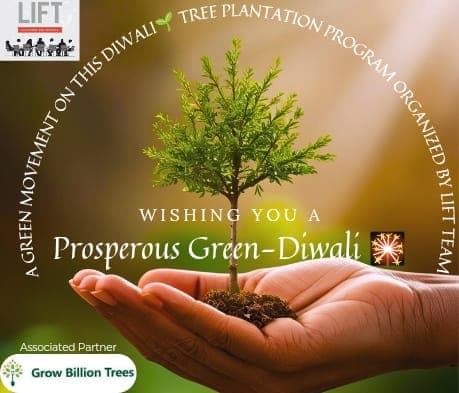 Project Closed
Trees by LIFT Team for Green Diwali: Transform Your Festival
Regular price ₹ 299Regular priceUnit price per -
Trees for a Greener Tomorrow - by Mahindra Lifespaces
Regular price ₹ 299Regular priceUnit price per -
Trees for Environment Day: Plant Your Impact on June 5th
Regular price ₹ 299Regular priceUnit price per -
Trees for Farmers: Sustainable Agroforestry Solutions for 2026
Regular price ₹ 299Regular priceUnit price per -
Trees for Employees: Transform Your Corporate Culture in 2026
Regular price ₹ 299Regular priceUnit price per
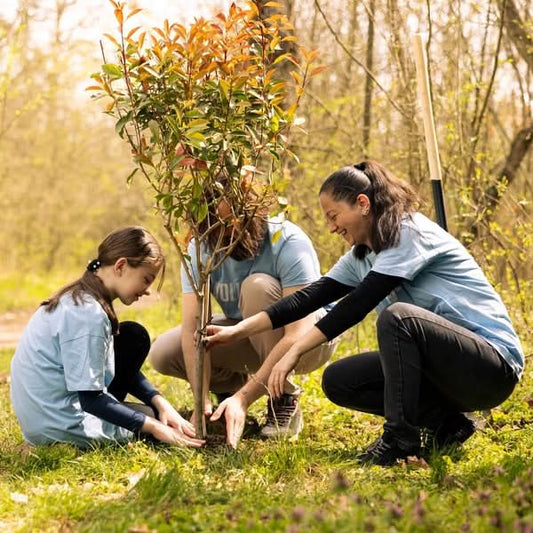
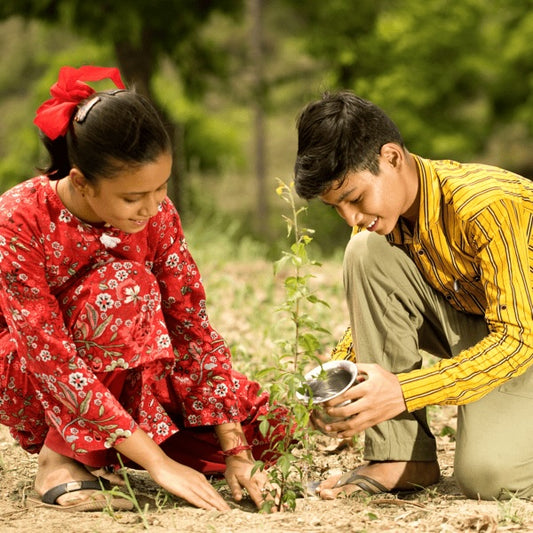

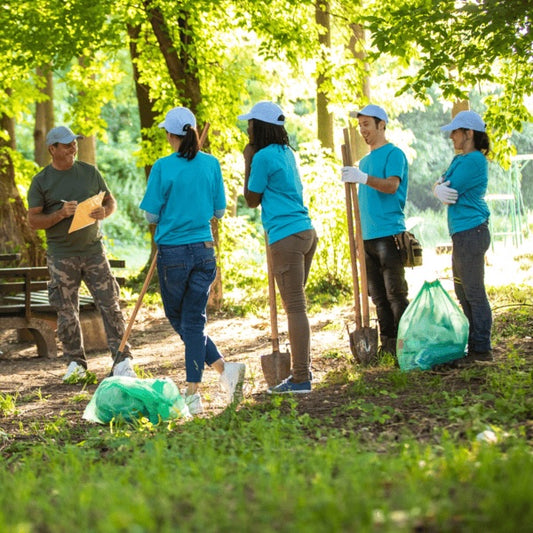
Miyawaki Forest in Himachal Pradesh: Restoring Himalayan Green Cover
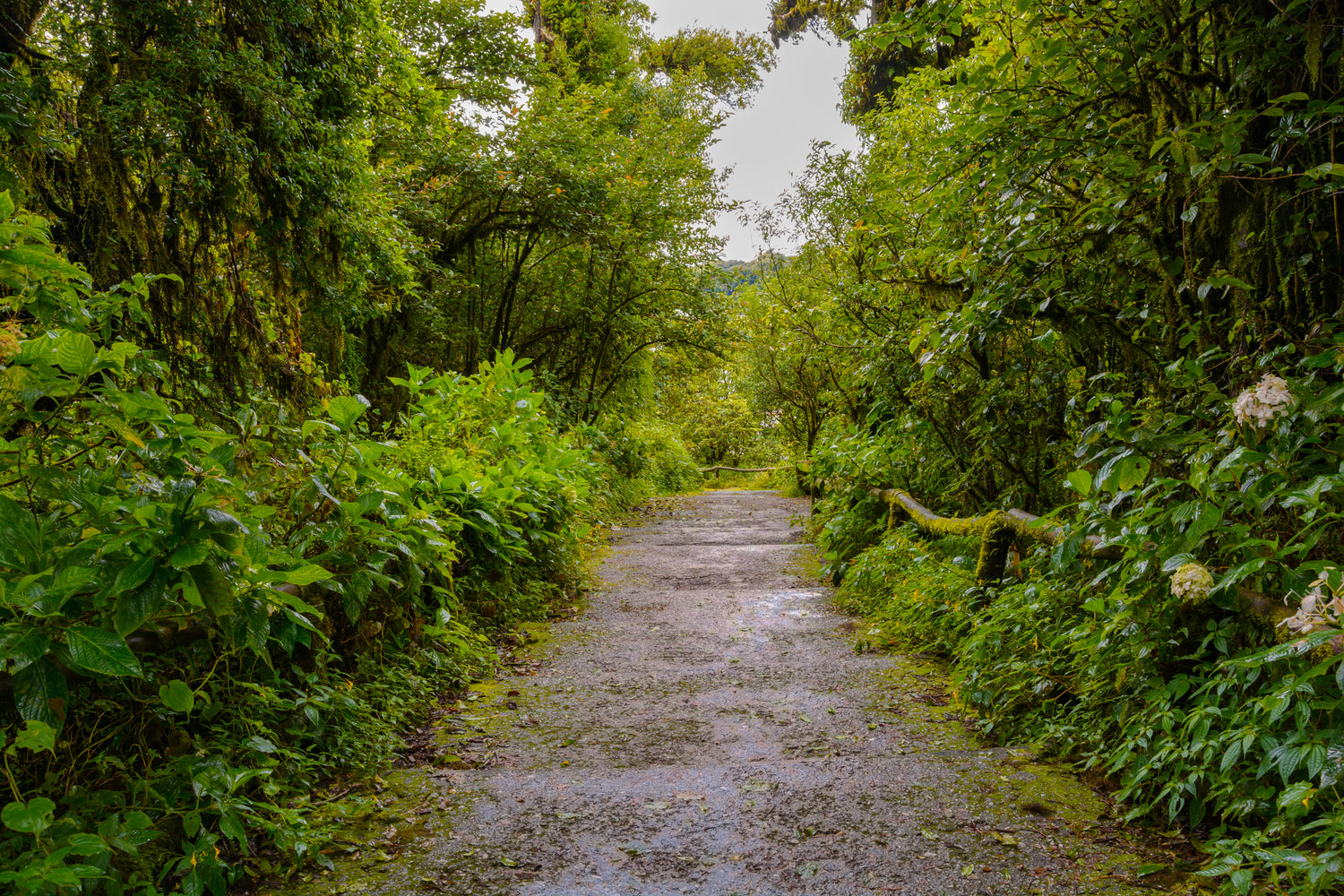
Miyawaki Forest in Himachal Pradesh is transforming barren hillsides into dense, thriving woodland at a pace that amazes scientists and communities alike. This Japanese-inspired technique grows forests up to 10 times faster than conventional planting. The result is a self-sustainable, bio-diverse ecosystem that nurtures Himalayan wildlife and boosts local air quality for generations to come.
According to UNEP's research on forests and reforestation, dense native forests absorb significantly more carbon than monoculture plantations. In Himachal Pradesh, where deforestation threatens fragile mountain ecosystems, the Miyawaki approach offers a proven, natural solution. Communities and corporates across the state are now embracing this method with wonderful results.
What Is the Miyawaki Method? 💡
The Miyawaki technique was developed by Japanese botanist Akira Miyawaki in the 1970s. It involves planting multiple native species close together, mimicking the natural layering of a wild forest. Dense planting triggers healthy competition among trees, accelerating growth by up to 10 times compared to standard methods.
Each Miyawaki plot contains four plant layers: shrub, sub-tree, tree, and canopy. This layering creates a self-sustaining ecosystem within just 2 to 3 years. Once established, the forest requires no human maintenance — it thrives entirely on its own natural rhythms.
Why Himachal Pradesh Needs Miyawaki Forests ✅
Himachal Pradesh faces growing pressure from deforestation, road expansion, and climate-driven ecological changes. As WWF's deforestation research highlights, forest loss in mountain regions accelerates soil erosion and water scarcity. Restoring green cover through Miyawaki forests directly addresses these urgent threats.
2026 data from India's Forest Survey indicates that Himachal Pradesh continues to lose thousands of hectares of green cover each year. Miyawaki forests can restore biodiversity on a fraction of the land needed by traditional methods. This approach is therefore ideal for urban spaces, industrial zones, and degraded hillsides across the state.
The Himalayan ecosystem supports over 3,000 plant species and hundreds of wildlife varieties. Protecting this ecosystem is not just a local responsibility — it is a global one. The Miyawaki method helps create habitat corridors for endangered species and supports a thriving, conscious natural world.
Popular Miyawaki Forests in Himachal Pradesh ⭐
Shimla has emerged as a leader in urban Miyawaki forest creation in the state. The Shimla Municipal Corporation launched a Miyawaki initiative near Sanjauli, planting over 5,000 native saplings across a 2,000 square metre plot. This project improved local air quality and created a wonderful green retreat for city residents and visitors alike.
Dharamshala, home to the Kangra Valley's rich biodiversity, has seen several impactful Miyawaki projects near McLeod Ganj and the Bhagsunag area. These forests now host native bird species and support local water conservation. The Himachal Pradesh Forest Department has championed these projects as models for the wider Himalayan region.
In the Baddi-Barotiwala-Nalagarh (BBN) Industrial Belt, multiple Miyawaki plantations have been developed on unused land adjacent to industrial facilities. The Una district has also seen government-backed Miyawaki initiatives focused on restoring river basin ecosystems along the Swan River. These forests are certified and verified by state environmental authorities.
Manali and the Kullu Valley have embraced Miyawaki forests as part of eco-tourism conservation efforts. These forests serve as natural green buffers protecting the valley from soil erosion. They also educate thousands of tourists each year on the importance of sustainable, native forest restoration.
Corporates Leading the Green Charge in Himachal Pradesh
Several corporates operating in Himachal Pradesh have actively invested in Miyawaki forest creation through their CSR programs. HPCL (Hindustan Petroleum Corporation Limited) partnered with local NGOs to create Miyawaki forests in Shimla and Bilaspur districts. Their certified green initiative planted over 8,000 native saplings across degraded hillside zones.
Infosys Foundation has supported Miyawaki plantations in Dharamshala as part of its national net zero commitment. Reckitt Benckiser, which operates a major facility in Baddi, completed a Miyawaki project on its campus, planting over 3,500 native trees. These hands-on corporate efforts are helping Himachal Pradesh grow toward a greener, more eco-friendly future.
L&T Construction and NTPC have contributed to Miyawaki forest creation in the Kullu-Manali corridor as part of their Net Zero Targets strategy. Our experience working with corporate partners shows that Miyawaki forests deliver measurable ESG impact within three years. These projects demonstrate that responsible industry and thriving forests can coexist beautifully.
Pharmaceutical companies in Baddi — including Abbott India and Sun Pharma — have funded community Miyawaki drives with local self-help groups. These initiatives have collectively added over 25,000 native trees to Himachal Pradesh's green cover. Trusted by communities and verified by state forest authorities, these efforts are reshaping the industrial belt's environmental footprint.
How Grow Billion Trees Builds Self-Sustainable Miyawaki Forests ✅
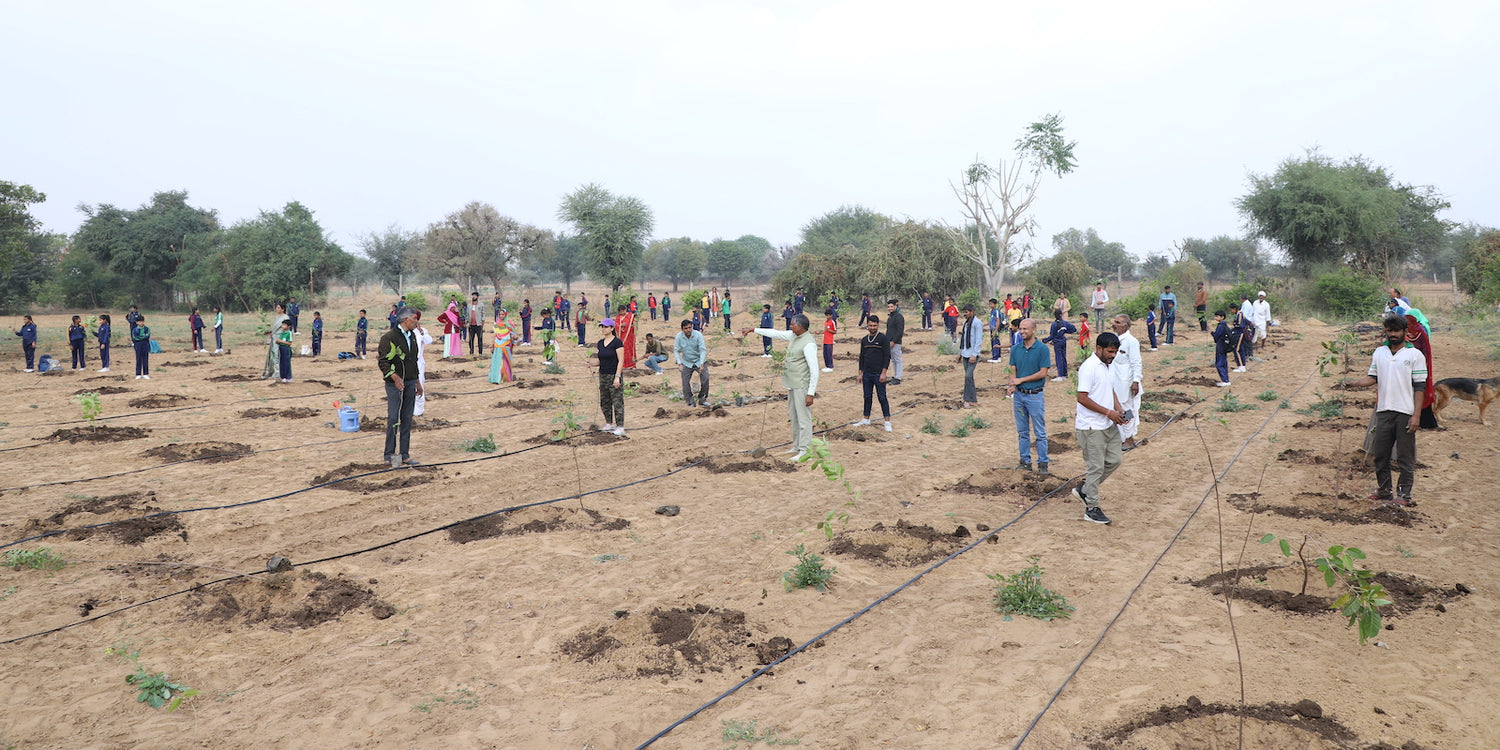
At Grow Billion Trees, we provide end-to-end support for creating self-sustainable Miyawaki forests across Himachal Pradesh. Our team identifies the right native species for each micro-climate and soil type. We ensure every forest is designed to thrive independently within three years — with zero ongoing maintenance required.
Our process begins with a detailed site assessment. We map soil pH, drainage, and existing vegetation before selecting the ideal species mix. We then implement 4ft Tree Planting + 3 Years Care + GeoTag technology so every tree is tracked and verified throughout its entire growth journey.
We found that Miyawaki forests planted using our verified methodology achieve 85% survival rates even in challenging mountain climates. Our GeoTag system allows corporates and individuals to monitor their forest in real time via a secure digital dashboard. This transparency builds trust and ensures your green investment delivers genuine, measurable impact.
Our partners — including corporates, municipal bodies, and schools — love seeing their forests evolve from seedling patches into dense, living ecosystems. We provide regular progress reports, satellite imagery updates, and biodiversity assessments. This hands-on approach sets Grow Billion Trees apart from standard planting services.
We are glad to be part of the mission to plant 100 crore trees across India by June 2030. Every Miyawaki forest we create in Himachal Pradesh is a step toward Combating Climate Change Through Collective Action. We warmly welcome individuals, schools, and corporates to join this great movement for a greener, more sustainable planet.
Benefits of Miyawaki Forests for Local Communities ✅
Miyawaki forests improve air quality by filtering pollutants at a density 30 times greater than ordinary green spaces. They reduce urban heat islands by up to 3°C, providing natural cooling in towns like Shimla and Dharamshala. Moreover, they boost groundwater recharge by improving soil absorption of monsoon rainfall.
Local biodiversity rebounds rapidly within a Miyawaki forest. In our experience, bird species return within just 18 months of planting. Insects, butterflies, and small mammals follow, creating a self-regulating, conscious ecosystem that sustains itself without any human intervention.
Miyawaki forests also deliver great social benefits. Schools and colleges use them as outdoor classrooms for mindful environmental education. They also support sustainable livelihoods by providing fodder, fruit, and medicinal plants. As the United Nations Sustainable Development Goals emphasise, forest restoration is essential to achieving climate justice and lasting food security.
Miyawaki Forests and India's Climate Mission
India has committed to restoring 26 million hectares of degraded land by 2030 under its Nationally Determined Contributions. Miyawaki forests are a proven, scalable tool to help reach this target efficiently. The United Nations climate action framework recognises nature-based solutions like Miyawaki as critical for keeping global warming below 1.5°C.
Plant a tree in your Name through Grow Billion Trees and contribute directly to India's climate goals. Each eco-friendly Miyawaki tree planted in Himachal Pradesh helps sequester carbon, restore biodiversity, and improve life for mountain communities. Together, we can transform India's green future — one dense, thriving forest at a time.
Frequently Asked Questions
What is a Miyawaki Forest in Himachal Pradesh?
A Miyawaki Forest in Himachal Pradesh is a dense, multi-layered native forest created using the Japanese Miyawaki technique. It uses native Himalayan species planted closely together to grow 10 times faster than conventional forests. These forests become fully self-sustainable within 2 to 3 years of planting.
Which cities in Himachal Pradesh have Miyawaki forests?
Shimla, Dharamshala, Manali, Baddi, and Una have seen notable Miyawaki forest initiatives. The Shimla Municipal Corporation, Himachal Pradesh Forest Department, and several corporate CSR programs have led these efforts. More urban areas across the state are expected to adopt the Miyawaki method by 2026.
Which corporates have supported Miyawaki forests in Himachal Pradesh?
HPCL, Infosys Foundation, L&T Construction, NTPC, Reckitt Benckiser, Abbott India, and Sun Pharma are among the corporates that have funded Miyawaki forest projects in the state. These initiatives form part of their Net Zero Targets and CSR commitments toward a sustainable planet.
How does Grow Billion Trees help create Miyawaki forests?
Grow Billion Trees provides complete Miyawaki forest creation services — from site assessment and species selection to planting and three years of aftercare. Our GeoTag technology tracks every tree in real time. We provide verified impact reports for corporates and individuals who want to grow their green footprint.
How long does it take for a Miyawaki forest to become self-sustainable?
A Miyawaki forest typically becomes self-sustainable within 2 to 3 years of planting. After this period, the forest grows independently without irrigation or maintenance. Our team monitors the entire growth cycle and provides biodiversity assessments throughout the process.
What native species are used in Miyawaki forests in Himachal Pradesh?
Common native species include Banj Oak, Rhododendron, Himalayan Cedar (Deodar), Wild Cherry, Amla, Haritaki, and Himalayan Elm. Species are selected based on soil type, altitude, and local climate conditions. Using native species ensures higher survival rates and stronger ecological impact.
Can individuals Plant a tree in their Name through Grow Billion Trees?
Yes, individuals can Plant a tree in their Name through Grow Billion Trees. You receive a personalised tree certificate, GeoTag access to track your tree, and regular updates on its growth. It makes a wonderful and mindful gift for birthdays, memorials, and other special occasions.
How do Miyawaki forests help achieve Net Zero Targets for corporates?
Miyawaki forests sequester carbon at a rate 3 to 5 times higher than conventional plantations due to their natural density and species diversity. Corporates can offset verified CO2 tonnes through GeoTagged Miyawaki forests created by Grow Billion Trees. Our team provides detailed impact reports aligned with ESG frameworks and sustainability disclosure requirements.
Are Miyawaki forests suitable for urban areas in Himachal Pradesh?
Absolutely. Miyawaki forests can be created on plots as small as 100 square metres, making them ideal for urban parks, school grounds, and corporate campuses. They thrive in hillside terrain and rapidly improve local air quality and biodiversity. Urban Miyawaki forests are a great, proven solution for city planners across Himachal Pradesh.
How can I get involved with Miyawaki forest creation in Himachal Pradesh?
You are warmly welcome to explore Grow Billion Trees' Miyawaki programs at growbilliontrees.com. Whether you are an individual, a school, or a corporate, we are glad to support your green journey. Together, we are working toward planting 100 crore trees and building a more sustainable, eco-friendly India. Miyawaki Forest in Himachal Pradesh offers a natural, proven, and impactful path to restoring the state's precious green cover. From thriving urban forests in Shimla to corporate-led initiatives in Baddi, this wonderful movement is growing stronger every year in 2026. Discover how Grow Billion Trees can help you create a lasting, self-sustainable forest — explore our Miyawaki programs today and be part of the mission to heal our planet together.
You may like
-
Gift a Tree - Meaningful Environmental Gifts That Make a Difference
Transform your gift-giving with meaningful environmental gifts that create lasting impact for...
-
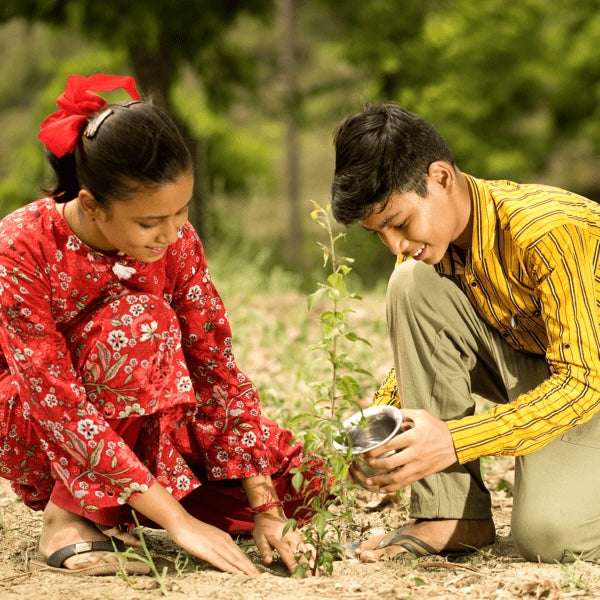
Trees For Shiv Ji - Sacred Tree Planting to Honor Lord Shiva
Honor Lord Shiva through sacred tree planting with Trees For Shiv Ji,...
-
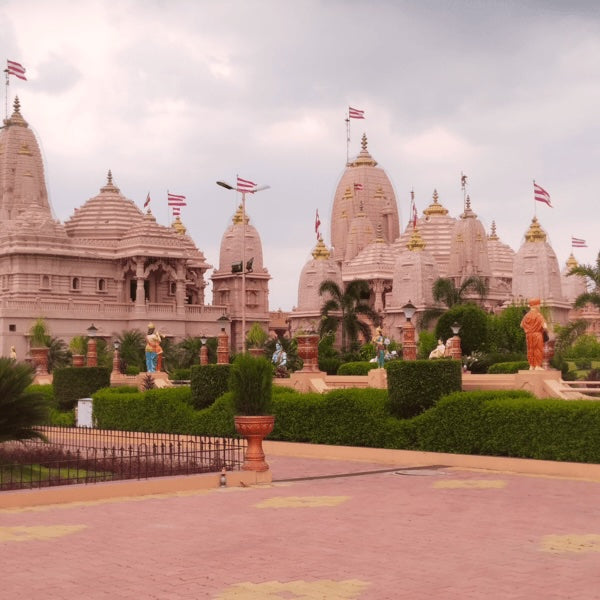
Tree Plantations for Shri Ram - Sacred Devotional Planting Services
Honor Lord Shri Ram through meaningful tree plantations for Shri Ram that...
-
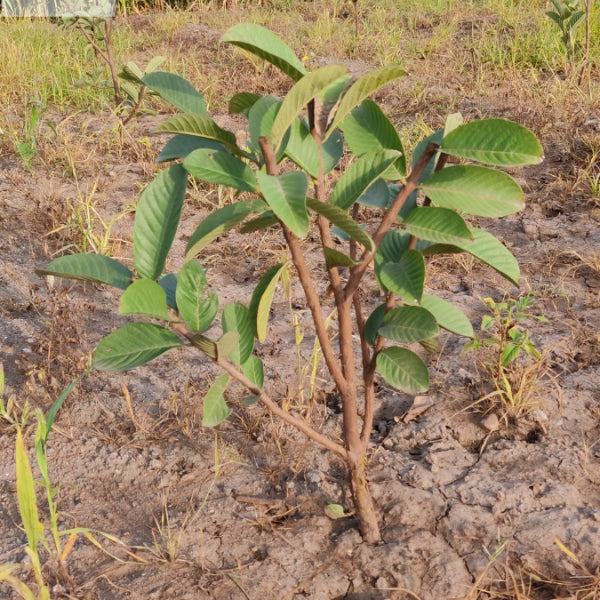
Tree Plantation on Navratri - Celebrate Divine Festivals with Environmental Devotion
Tree plantation on Navratri transforms the sacred nine-day festival into a powerful...
-
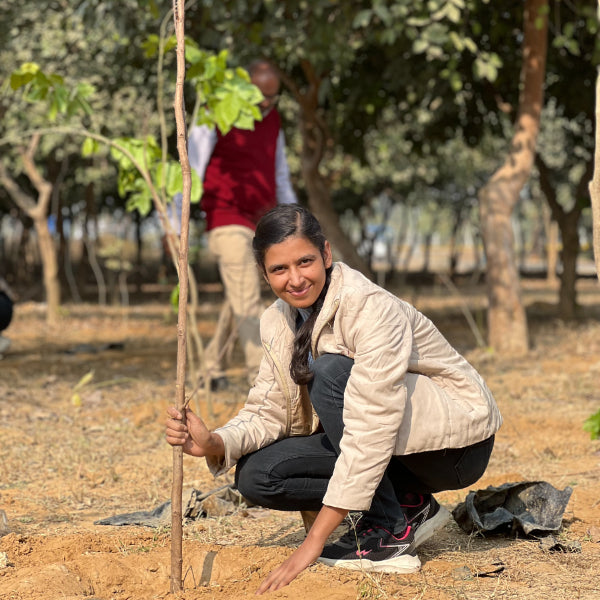
Tree Plantation by Cause - Plant Trees for Every Purpose | Grow Billion Trees
Transform your environmental impact with purpose-driven tree plantation by cause programs that...
Corporate Plantations
-
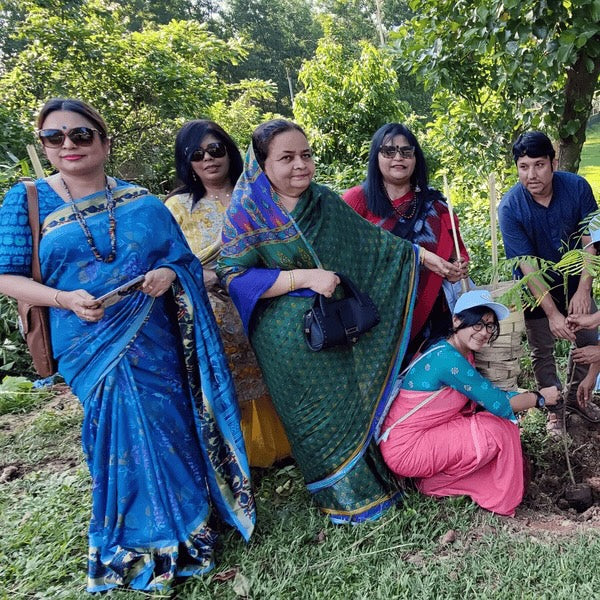
Trees for Corporates - Achieve Net Zero Targets Through Strategic Tree Planting
Trees for Corporates - Strategic Environmental SolutionsTransform your corporate environmental impact with...
-
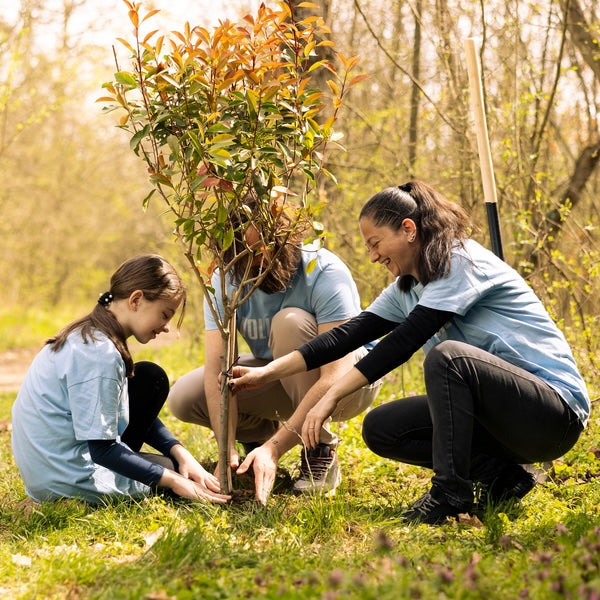
Tree Plantation for CSR - Corporate Environmental Programs | Grow Billion Trees
Tree Plantation for CSR - Transform Your Corporate Environmental ImpactTree plantation for...
-
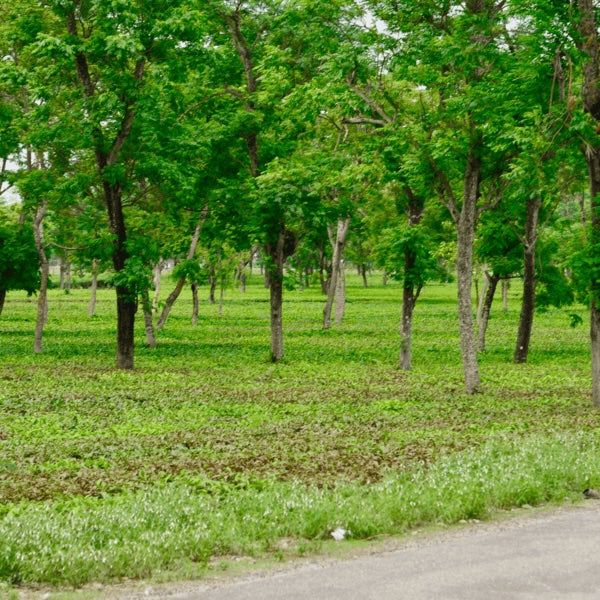
Tree Plantation for SDG - Support Sustainable Development Goals
Tree plantation for SDG initiatives represents a powerful pathway to achieving multiple...
-
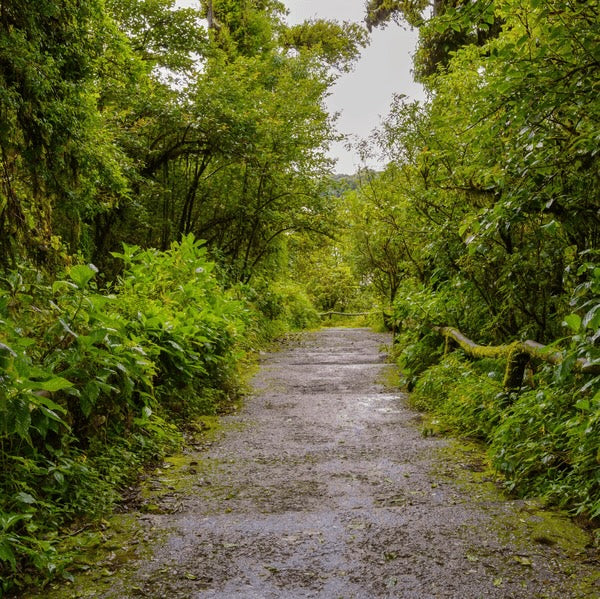
Corporate Tree Plantation Programs - Sustainable ESG Environmental Solutions for Net Zero Targets
Transform your organization's environmental impact with our comprehensive Corporate Tree Plantation Programs...
-
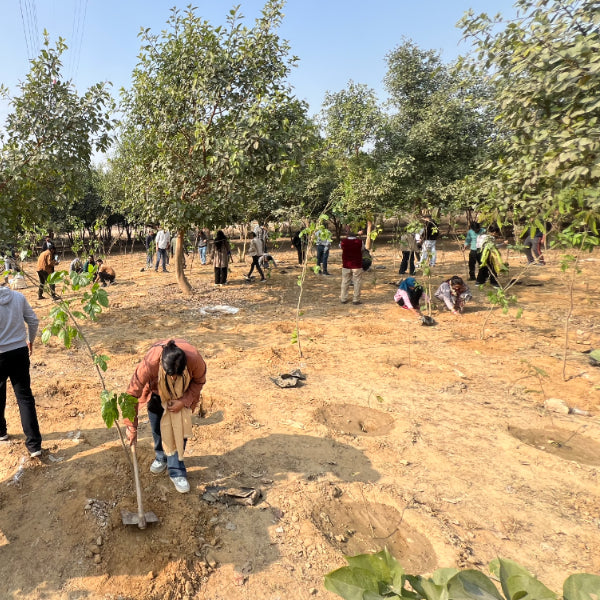
Tree Plantation by Location - Plant Trees Across India
Transform landscapes nationwide through our comprehensive tree plantation by location program. When...
Most Popular Tree Plantations - Top Choices for Environmental Impact
-
Trees for Birthday Celebration: Plant Meaningful Green Gifts
Regular price ₹ 299Regular priceUnit price per -
Trees for Mother
Regular price ₹ 299Regular priceUnit price per -
Trees as a Gift: Plant Hope & Create Lasting Environmental Impact
Regular price ₹ 299Regular priceUnit price per -
Trees to Honor the Memory of your Loved Ones
Regular price ₹ 299Regular priceUnit price per -
Trees for Krishna on Janmashtami - Sacred Divine Gift ₹299
Regular price ₹ 299Regular priceUnit price per