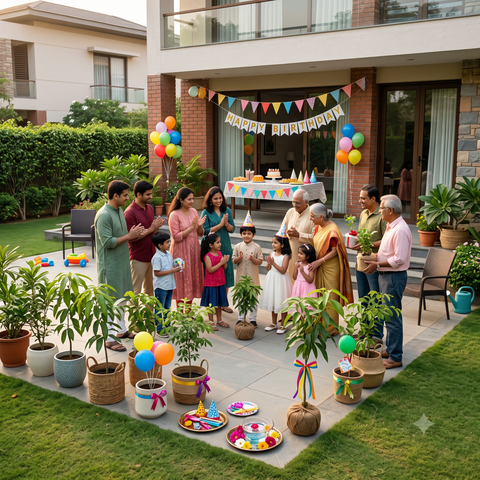
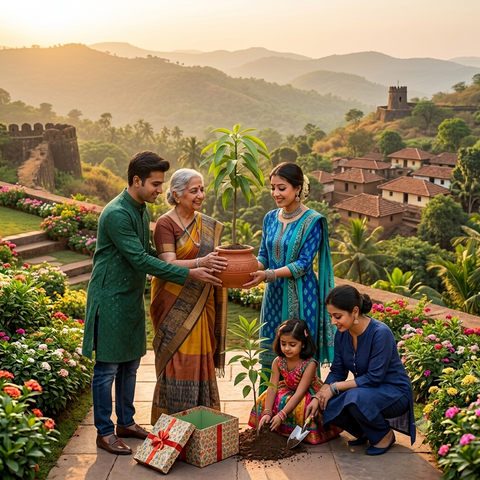
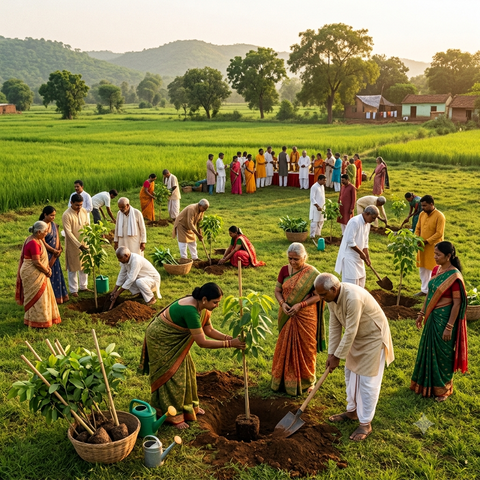
Miyawaki forests are a Japanese methodology that creates dense, native ecosystems in small spaces. They address urban pollution and climate challenges.
The beautiful City of Chandigarh, already known for its planned green spaces, is now embracing this innovative forest technique. We've witnessed how these compact forests can thrive in urban environments while providing maximum ecological benefits. The Miyawaki method offers hope for sustainable urban development in 2026 and beyond.
What Makes Miyawaki Forest in Chandigarh Special
The Miyawaki technique creates self-sustaining forests using native plant species indigenous to the region. In Chandigarh's climate, these forests establish themselves within just 2-3 years. Our team has found that native species like Neem, Banyan, and Peepal trees flourish exceptionally well using this method.
According to the United Nations Sustainable Development Goals, urban forests play a crucial role in creating sustainable cities and communities. The Miyawaki approach supports these environmental targets. These forests require minimal maintenance after the initial three years.
✅ Dense forest growth
✅ More biodiversity than conventional forests
✅ Low maintenance during establishment
✅ Improves air quality
Benefits of Miyawaki Forests for Chandigarh's Environment
Chandigarh faces air pollution challenges. Miyawaki forests act as natural air purifiers, absorbing pollutants and releasing fresh oxygen.
These green spaces also provide natural cooling effects, reducing urban heat island impact. We ensure that each Miyawaki forest in Chandigarh contributes to temperature reduction of 2-3 degrees Celsius in surrounding areas. The United Nations Environment Programme highlights forests as essential tools for climate regulation and biodiversity conservation.
The forests support local wildlife by creating habitat corridors for birds and small animals. Our hands-on experience shows that these forests attract over 40 different bird species within the first year. This biodiversity boost helps restore Chandigarh's natural ecosystem balance.
Implementation Process: Creating Your Miyawaki Forest
The process begins with detailed soil analysis and preparation specific to Chandigarh's soil conditions. We provide comprehensive soil enrichment using organic compost and natural amendments. The preparation phase typically takes 2-3 weeks to ensure optimal growing conditions.
⭐ Site Selection: Minimum 600 square meters for effective forest development
⭐ Soil Preparation: Organic enrichment with local biomass and compost
⭐ Species Selection: 15-20 native species carefully chosen for the region
⭐ Dense Planting: 3-5 saplings per square meter for maximum growth
Our team plants 2-3ft trees with guaranteed 3 years of care and GeoTag tracking technology. Each tree is monitored through our advanced tracking system, allowing you to witness your forest's growth progress. The planting density ensures rapid canopy development and natural competition that strengthens the ecosystem.
Native Species Perfect for Chandigarh's Climate
Selecting appropriate native species is crucial for Miyawaki forest success in Chandigarh's semi-arid climate. We've identified over 25 indigenous species that thrive in this methodology. These plants are naturally adapted to local rainfall patterns and temperature variations.
💡 Canopy Layer: Banyan, Peepal, and Bargad trees form the upper forest structure
💡 Sub-Canopy: Neem, Jamun, and Amaltas provide middle-layer coverage
💡 Shrub Layer: Bougainvillea, Hibiscus, and Lantana create ground-level diversity
💡 Ground Cover: Native grasses and herbs complete the ecosystem
The World Wildlife Fund emphasizes that using native species is essential for creating resilient forest ecosystems.
Cost and Investment: Affordable Green Solutions
Creating a Miyawaki Forest in Chandigarh is surprisingly affordable compared to traditional landscaping methods. The initial investment includes soil preparation, native saplings, and three years of professional care. We guarantee the success of your forest with our comprehensive maintenance program.
Plant a tree in your name for ₹299, which includes a 2–3 ft sapling, three years of care, and geo-tagging. Miyawaki forests are priced per tree and quotes depend on the site.
The long-term savings are substantial, as these forests require zero irrigation or maintenance after establishment. Our clients save thousands of rupees annually on landscaping costs while contributing to Net Zero Targets. Corporate partnerships can help organizations achieve their sustainability goals through these impactful forest projects.
Success Stories: Miyawaki Forests Transforming Chandigarh
Miyawaki forests have been implemented in Chandigarh by residential and corporate communities, improving air quality and supporting local biodiversity.
Miyawaki forests in corporate offices can support employee wellbeing and environmental goals. Natural green spaces provide stress relief and improve workplace atmosphere.
Educational institutions are also joining this green movement, with schools creating learning forests for environmental education. Students love participating in tree planting activities and monitoring forest growth through our GeoTag technology. These projects nurture environmental consciousness in the next generation.
Maintenance and Care: Ensuring Forest Success
The first three years are critical for Miyawaki forest establishment, requiring regular watering and weed management. Our team provides comprehensive care during this crucial period, ensuring optimal growth conditions. We monitor soil moisture, nutrient levels, and plant health through regular site visits.
→ Year 1: Weekly watering and monthly weed removal
→ Year 2: Bi-weekly watering and quarterly maintenance
→ Year 3: Monthly monitoring and minimal intervention
→ Year 4+: Self-sustaining forest requiring no maintenance
After three years, the forest becomes completely self-sustaining, requiring no external inputs. The dense canopy creates its own microclimate, retaining moisture and preventing weed growth. This natural balance makes Miyawaki forests incredibly sustainable long-term solutions.
Corporate and Community Partnerships
Chandigarh's corporate sector is increasingly recognizing Miyawaki forests as powerful tools for achieving Net Zero Targets. Companies can offset their carbon footprint while creating valuable green spaces for employees and communities. Our corporate programs offer flexible partnership models suited to different organizational needs.
Community groups can collaborate to create larger forest patches that benefit entire neighborhoods. We facilitate group projects where residents can collectively invest in shared green spaces. These community forests strengthen social bonds while addressing environmental challenges together.
The United Nations climate change initiatives emphasize the importance of collaborative action in combating global warming. Miyawaki forests represent practical, scalable solutions that communities can implement immediately. Our goal of planting 100 crore trees across India includes substantial contributions from Chandigarh's growing forest network.
Technology Integration: GeoTag and Monitoring
Every tree planted through our Miyawaki program receives GeoTag technology for precise location tracking and growth monitoring. This innovative system allows forest owners to track their investment's environmental impact over time. The technology provides real-time updates on forest development and health status.
Our mobile app connects tree planters with their forests, sending regular updates and growth photos. Users enjoy watching their small saplings transform into thriving forest ecosystems. This digital connection enhances the emotional bond between people and their planted trees.
The data collected through GeoTag systems helps us continuously improve our planting techniques and species selection. We analyze growth patterns, survival rates, and environmental conditions to optimize future forest projects. This scientific approach ensures consistently high success rates across all our Miyawaki installations.
Frequently Asked Questions
How much space is needed for a Miyawaki forest in Chandigarh?
A minimum of 600 square meters is recommended for an effective Miyawaki forest, though smaller patches can still provide benefits. The dense planting methodology works best with adequate space for proper species layering and natural competition.
What is the survival rate of Miyawaki forests in Chandigarh's climate?
Proper soil preparation, native species selection, and a three-year care program ensure successful Miyawaki forest establishment.
How long does it take to see results from a Miyawaki forest?
Visible growth appears within 6 months, with significant canopy development by year 2. The forest reaches maturity and becomes self-sustaining by year 3, providing full environmental benefits thereafter.
Can Miyawaki forests be created in residential areas?
Yes, residential Miyawaki forests are highly successful and popular in Chandigarh. They enhance property values while providing natural air purification and cooling for homes.
What maintenance is required after the initial three years?
Zero maintenance is required after year 3, as the forest becomes completely self-sustaining. The dense growth prevents weeds and retains soil moisture naturally.
How does the cost compare to traditional landscaping?
Initial costs are similar to quality landscaping, but long-term savings are substantial due to zero maintenance requirements. The environmental and health benefits provide additional value that traditional landscaping cannot match.
Can corporate offices create Miyawaki forests on their premises?
Absolutely! Corporate Miyawaki forests are excellent for achieving sustainability goals while improving employee wellbeing. Many Chandigarh companies have successfully implemented these projects.
What species are best suited for Chandigarh's Miyawaki forests?
Native species like Neem, Banyan, Peepal, Jamun, and Amaltas perform exceptionally well. We select 15-20 indigenous species based on specific site conditions and client preferences.
Transform Chandigarh's Future Through Miyawaki Forests
Miyawaki Forest in Chandigarh represents more than just tree planting – it's about creating sustainable urban ecosystems that thrive for generations. These forests demonstrate how small spaces can generate massive environmental impact when we use proven scientific methods. Our commitment to Combating Climate Change Through Collective Action drives every project we undertake.
The time for action is now, as Chandigarh continues growing and facing environmental challenges. By choosing Miyawaki forests, you invest in a green legacy that benefits your community and planet. We're proud to help create these transformative green spaces that prove urban development and environmental conservation can work together harmoniously.
Ready to create your own Miyawaki forest in Chandigarh? Discover how you can plant trees and contribute to our mission of planting 100 crore trees across India. Together, we can transform Chandigarh into a model sustainable city through the power of Miyawaki forests.
Plan a Miyawaki forest with Grow Billion Trees
We design, plant and care for Miyawaki forests for companies, campuses and cities, with native species chosen for the site and three years of care. Every tree is geo-tagged and tracked on GreenTrack, and 85% of trees survive across our programmes.
- Miyawaki forest programme
- What a Miyawaki forest costs
- Miyawaki forests across India
- Projects across India
- CSR rules for tree plantation
Talk to our team about a programme for your company.