Miyawaki Forest in Uttarakhand: Complete Guide 2026
The Miyawaki Forest in Uttarakhand is transforming barren and degraded land into dense, thriving ecosystems at a remarkable pace. Developed using the Read more
Connect with us
-
👥 Corporates
If you are looking for:
- 🌲 Tree Plantation Events
- 📊 CSR Projects
📧 corporate@growbilliontrees.com
📞 +91 9699723523
💬 +91 9325931304 WhatsApp (Only)
🕒 Mon - Sat | 10am - 7pm IST
-
🧩 Tree Plantation NGOs
If you are looking for:
- 💰 Financial Assistance
- 🤝 Operational Support
📧 support@growbilliontrees.com
📞 +91 9699723523
💬 +91 9325931304 WhatsApp (Only)
🕒 Mon - Sat | 10am - 7pm IST
-
🌼 Individuals
If you are looking for:
- 👥 Group Tree Plantation Drive
- 🌳 Bulk Tree Plantation
📞 +91 9699723523
💬 +91 9325931304 WhatsApp (Only)
🕒 Mon - Sat | 10am - 7pm IST
Plantation Gallery
Trending Tree Plantations - Most Popular Environmental Programs
-
Trees for Birthday Celebration: Plant Meaningful Green Gifts
Regular price ₹ 299Regular priceUnit price per -
Trees for Mother
Regular price ₹ 299Regular priceUnit price per -
Trees as a Gift: Plant Hope & Create Lasting Environmental Impact
Regular price ₹ 299Regular priceUnit price per -
Trees to Honor the Memory of your Loved Ones
Regular price ₹ 299Regular priceUnit price per -
Trees for Women's Day (8th Mar)
Regular price ₹ 299Regular priceUnit price per

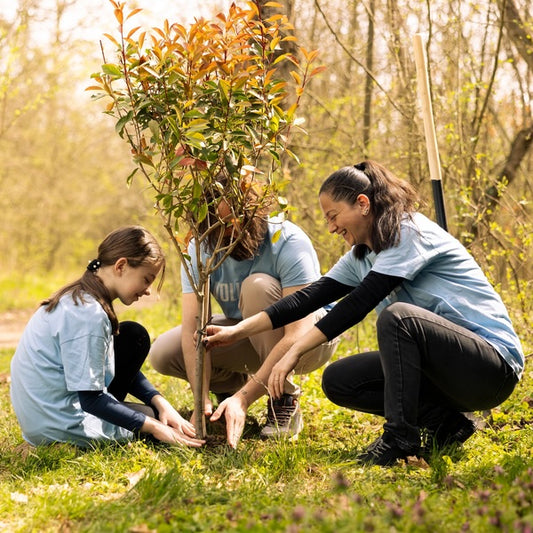
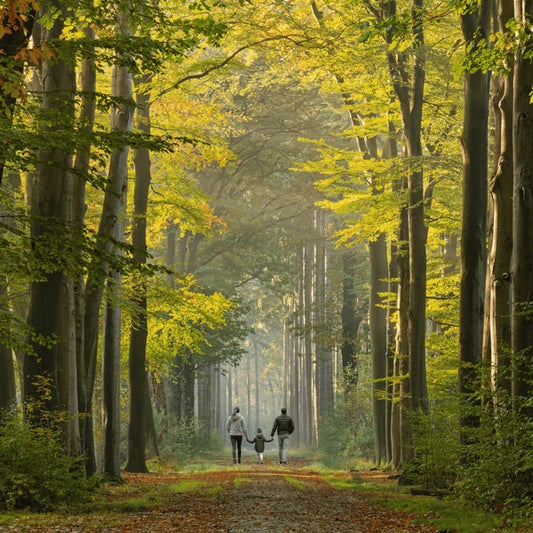

Trees for Corporates - Achieve Net Zero Targets Through Strategic Tree Planting
-
 Project Closed
Trees by LIFT Team for Green Diwali: Transform Your Festival
Regular price ₹ 299Regular priceUnit price per -
Trees for a Greener Tomorrow - by Mahindra Lifespaces
Regular price ₹ 299Regular priceUnit price per -
Trees for Environment Day: Plant Your Impact on June 5th
Regular price ₹ 299Regular priceUnit price per -
Trees for Farmers: Sustainable Agroforestry Solutions for 2026
Regular price ₹ 299Regular priceUnit price per -
Trees for Employees: Transform Your Corporate Culture in 2026
Regular price ₹ 299Regular priceUnit price per
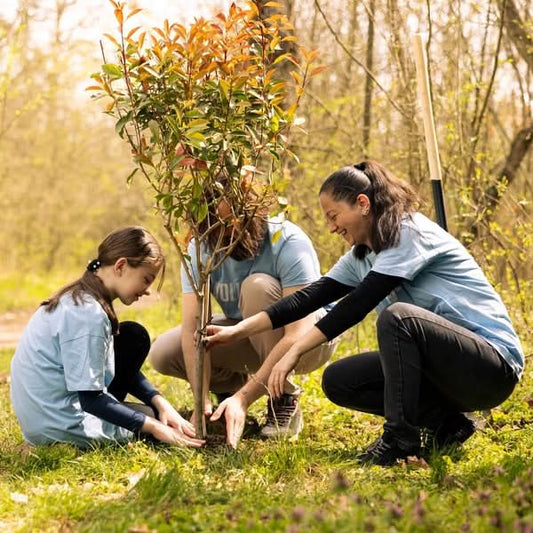
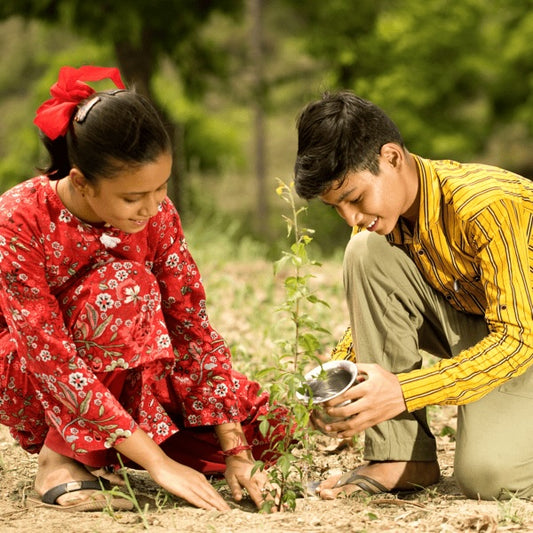

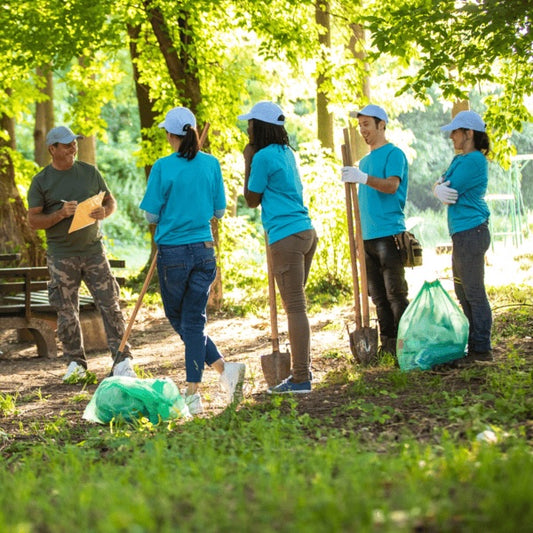
Miyawaki Forest in Uttarakhand: Complete Green Guide 2026
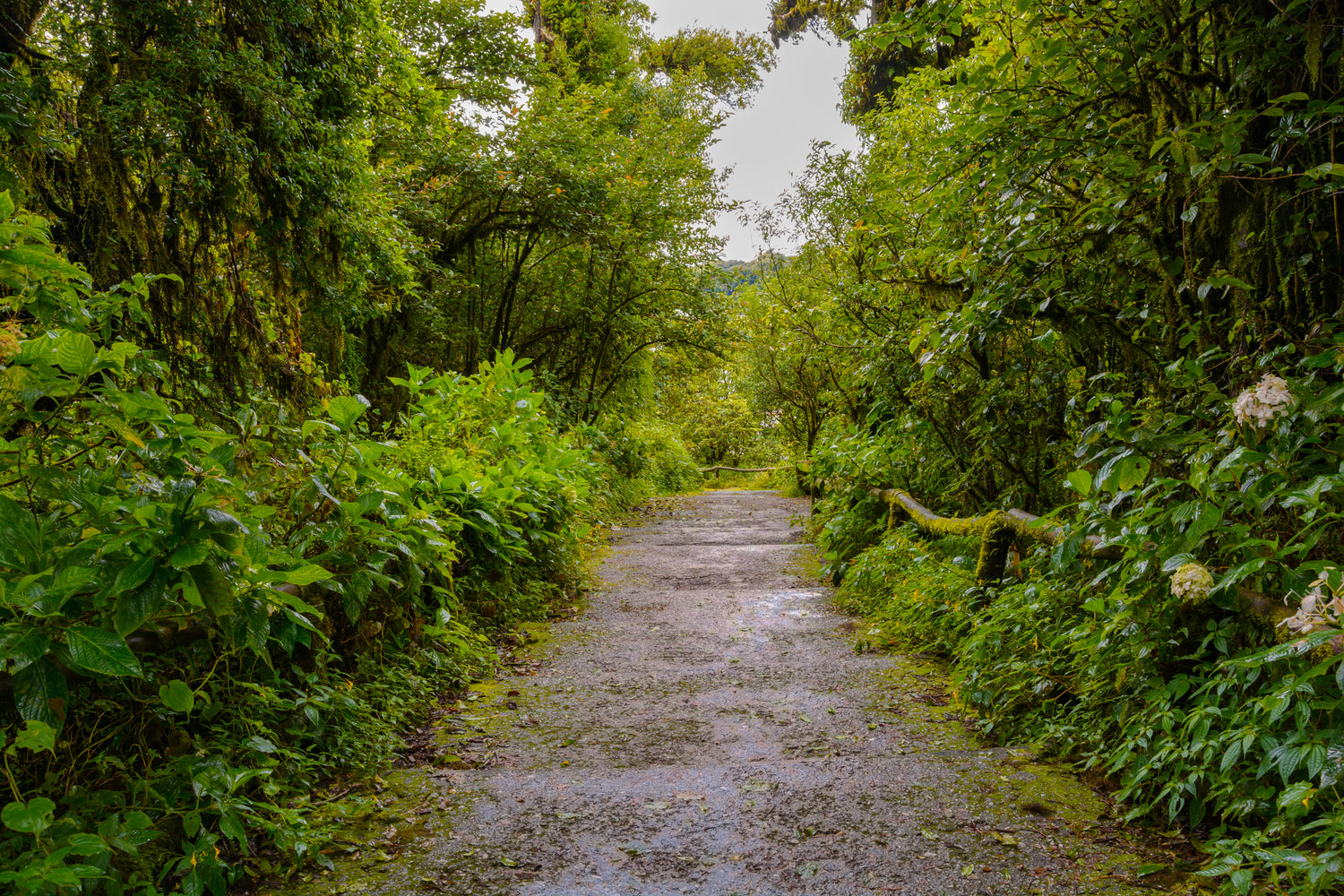
The Miyawaki Forest in Uttarakhand is transforming barren and degraded land into dense, thriving ecosystems at a remarkable pace. Developed using the Japanese afforestation technique pioneered by botanist Akira Miyawaki, these forests grow 10 times faster and become 30 times denser than conventional plantations. In 2026, Uttarakhand stands as one of India's leading states embracing this green revolution — nurturing biodiversity, restoring watersheds, and Combating Climate Change Through Collective Action. We are glad to witness this wonderful transformation unfold across the state.
What Is the Miyawaki Method?
The Miyawaki method creates natural, multi-layered forests by planting a diverse mix of native species close together. Each plot includes trees from four layers — canopy, sub-canopy, shrub, and ground cover. This design mimics natural forest structure, enabling trees to compete for light and grow rapidly without human intervention.
According to the United Nations Environment Programme's forest restoration guidelines, native multi-species forests are among the most effective strategies for restoring degraded ecosystems. The Miyawaki approach aligns perfectly with this principle, making it a proven tool for urban and semi-urban land restoration.
Moreover, these forests become self-sustainable within three to four years. After the initial maintenance period, they require no watering, fertilising, or weeding. This makes Miyawaki forests a mindful, long-term investment in our planet's health.
Why Uttarakhand Needs Miyawaki Forests
Uttarakhand has faced significant forest degradation due to urbanisation, encroachment, and climate-driven wildfires. According to 2026 data from the Forest Survey of India, the state loses thousands of hectares of green cover annually. Restoring this lost canopy is critical for protecting Himalayan watersheds and ensuring water security for millions downstream.
As highlighted by the World Wildlife Fund's deforestation impact report, the loss of forest cover disrupts local rainfall patterns, accelerates soil erosion, and threatens biodiversity. Uttarakhand's fragile mountain ecology makes it especially vulnerable to these effects. Miyawaki forests offer a fast, eco-friendly solution to reverse this trend.
Beyond ecology, the social impact is wonderful. Local communities gain green spaces, cleaner air, and cooler microclimates. Birds, insects, and native wildlife return to restored areas — bringing the earth back to life in ways that conventional planting simply cannot achieve.
✅ Popular Miyawaki Forests in Uttarakhand
Several Miyawaki forest projects have taken root across Uttarakhand, demonstrating that nature can reclaim even heavily degraded spaces. Here are the most impactful sites flourishing today:
- Dehradun Miyawaki Urban Forest — Located near the Forest Research Institute campus, this project covers over 1 acre with 60+ native species. It has become a model for conscious urban greening in the Doon Valley.
- Haridwar Industrial Corridor Forest — Developed on vacant industrial land near SIDCUL (State Infrastructure and Industrial Development Corporation of Uttarakhand), this dense forest patch spans 2 acres and hosts over 80 plant species.
- Rishikesh Riverside Miyawaki Patch — Planted along the banks of the Ganges near Laxman Jhula, this project restores riparian vegetation and helps prevent soil erosion along the sacred riverbank.
- Nainital Kumaon Hillside Initiative — A collaborative project covering degraded hillside land, bringing back oak, rhododendron, and other native Kumaon species to restore the region's natural ecology.
- Roorkee Technical Campus Green Zone — An innovative campus greening project using Miyawaki principles to transform concrete surroundings into a dense, carbon-absorbing green zone.
- Mussoorie Eco-Restoration Patch — A community-driven Miyawaki forest near the Mussoorie hillstation that improves landslide resilience and creates habitat for Himalayan bird species.
Each of these sites proves that a Miyawaki Forest in Uttarakhand can thrive across diverse geographies — from Himalayan foothills to river valleys and urban campuses. Together, they represent thousands of trees growing and thriving for future generations.
⭐ Corporates Driving the Green Change in Uttarakhand
We have been happy to partner with forward-thinking organisations working to meet their Net Zero Targets through Miyawaki forest creation. Several leading corporates have invested in green restoration projects across Uttarakhand:
- BHEL (Bharat Heavy Electricals Limited) — The Haridwar unit of BHEL has championed green campus initiatives, planting dense Miyawaki forests within its industrial premises to offset carbon emissions and improve air quality for workers.
- ITC Limited — As part of its sustainability charter, ITC has supported multi-species tree planting programs in Uttarakhand, integrating Miyawaki methods into its broader agroforestry model.
- Tata Steel — Through its corporate social responsibility programs, Tata Steel has backed urban forest creation in Dehradun, contributing to city-level biodiversity and clean air goals.
- Wipro GreenCo — Wipro's certified green program has sponsored Miyawaki afforestation as part of its verified carbon-neutral commitments across northern India.
- ONGC (Oil and Natural Gas Corporation) — ONGC's environmental restoration efforts include Miyawaki plantations near its Dehradun headquarters, reinforcing its commitment to nature-positive operations.
- HCL Technologies — HCL has funded community-based Miyawaki projects in Uttarakhand under its CSR mandate, empowering local communities to grow and steward these living forests.
These partnerships show that India's corporate sector increasingly recognises that reaching Net Zero Targets requires active ecosystem restoration — not just emission reductions. In 2026, over 65% of India's top 100 companies have committed to nature-based solutions as part of their sustainability strategy.
💡 How Grow Billion Trees Builds Self-Sustainable Miyawaki Forests
At Grow Billion Trees, our experience in building Miyawaki forests spans hundreds of projects across India. Our mission is to plant 100 crore trees by June 2030, and Uttarakhand is a key focus area in this journey. We provide end-to-end, hands-on support to help communities, corporates, and individuals grow thriving, self-sustainable forests.
Our team uses a hands-on approach to ensure every Miyawaki forest succeeds from day one. We begin with a detailed soil assessment, selecting the right mix of native species suited to the local ecology and climate. We ensure each plantation includes canopy, sub-canopy, shrub, and ground-cover species — creating a true, layered forest structure that grows naturally.
Our partners receive 4ft Tree Planting + 3 Years Care + GeoTag technology for every tree planted. The GeoTag system allows you to track your forest's growth in real time — seeing exactly where your trees stand and how they are thriving. This transparency builds trust and creates a deep, personal connection with your green contribution.
As the United Nations Sustainable Development Goals emphasise, sustainable land restoration must be long-lasting and community-driven — exactly the model we follow. Our forests are designed to become fully self-sustainable within three to four years, requiring no further irrigation or maintenance after the care period ends.
We also provide verified certificates and detailed impact reports, giving corporate partners the documentation they need for ESG reporting and sustainability audits. Our forests are authentic, measurable, and designed to deliver real, lasting ecological value that communities can enjoy for generations.
✅ Benefits of Miyawaki Forests for Uttarakhand's Communities
The impact of a Miyawaki Forest in Uttarakhand extends far beyond carbon sequestration. These forests deliver a wide range of proven environmental and social benefits:
- ✅ Biodiversity boost — Native species forests support 20 times more wildlife than monoculture plantations, helping rare Himalayan species recover.
- ✅ Water conservation — Dense canopy cover reduces surface runoff by up to 50% and recharges groundwater naturally.
- ✅ Air quality improvement — A single Miyawaki patch can reduce particulate matter in the surrounding area by up to 30%, improving public health outcomes.
- ✅ Temperature regulation — Urban Miyawaki forests lower local temperatures by 2–4 degrees Celsius, saving energy and improving living comfort.
- ✅ Soil restoration — Multi-species planting rebuilds organic soil structure and prevents erosion on vulnerable Himalayan hillsides.
- ✅ Community well-being — Green spaces improve mental health, foster a conscious relationship with nature, and create areas for outdoor recreation and education.
In 2026, studies show that communities near Miyawaki forests report a 40% improvement in perceived environmental quality. These are natural, organic changes that transform neighbourhoods and inspire a love for the earth that lasts a lifetime.
How You Can Contribute to Uttarakhand's Green Future
You do not need to plant an entire forest to make a meaningful difference. Every tree matters, and every contribution helps India move closer to its goal of Combating Climate Change Through Collective Action. Whether you are an individual, a family, or a corporate team — there is a great way for you to get involved and make your mark.
You can Plant a tree in your Name and track its growth using our GeoTag technology. Gift a tree to celebrate a birthday, honour a loved one's memory, or mark a special milestone with lasting purpose. Corporates can work with our team to design bespoke Miyawaki forests that meet sustainability and CSR goals while delivering genuine ecological impact.
As noted by the United Nations Climate Change platform, nature-based solutions like afforestation are among the most cost-effective tools for building climate resilience. Your contribution to a Miyawaki forest is not just a good deed — it is a scientifically proven strategy for a healthier planet.
Explore how Grow Billion Trees can help you build or contribute to a Miyawaki Forest in Uttarakhand. Discover our programs, learn more about our impact, and join thousands of conscious individuals and trusted corporate partners who love the earth as much as you do. Get started with Grow Billion Trees today.
Frequently Asked Questions
What is a Miyawaki Forest in Uttarakhand?
A Miyawaki Forest in Uttarakhand is a dense, native multi-species forest created using the Japanese Miyawaki afforestation method on degraded or urban land. These forests grow 10 times faster than conventional forests and become fully self-sustainable within three to four years, requiring no human maintenance after that point.
Which cities in Uttarakhand have Miyawaki forests?
Miyawaki forests exist across Dehradun, Haridwar, Rishikesh, Roorkee, Mussoorie, and the Nainital-Kumaon region. These projects span diverse terrains — from urban campuses to sacred riverside patches and vulnerable hillside restoration zones — proving the method works across Uttarakhand's varied landscape.
Which corporates have built Miyawaki forests in Uttarakhand?
Leading corporates including BHEL, ITC Limited, Tata Steel, Wipro, ONGC, and HCL Technologies have supported Miyawaki forest initiatives in Uttarakhand. These investments form part of their CSR commitments and Net Zero sustainability strategies, demonstrating that business and ecology can grow together.
How does Grow Billion Trees support Miyawaki forest creation?
Grow Billion Trees provides end-to-end Miyawaki forest creation services including soil assessment, native species selection, planting, three years of hands-on care, and GeoTag tracking technology. We ensure every forest becomes truly self-sustainable and provide verified certificates for corporate ESG reporting.
How long does it take for a Miyawaki forest to become self-sustainable?
A Miyawaki forest typically becomes fully self-sustainable within three to four years. After this period, the forest requires no irrigation, fertilising, or weeding, and it continues to grow naturally — supporting local biodiversity and sequestering carbon for decades to come.
Can individuals contribute to Miyawaki forests in Uttarakhand?
Yes. Individuals can plant trees in their name through Grow Billion Trees, with GeoTag technology to track their tree's growth in real time. Trees can also be gifted for birthdays, memorials, Women's Day, and other special occasions — making conservation a deeply personal and joyful act.
Why is Uttarakhand important for Miyawaki afforestation?
Uttarakhand's Himalayan ecology is highly sensitive to deforestation and climate change. Restoring green cover through Miyawaki forests protects vital watersheds, prevents soil erosion, supports rare wildlife, and helps communities build resilience against extreme weather events that are becoming more frequent in 2026.
What native species are used in Uttarakhand Miyawaki forests?
Common native species include Banj Oak, Rhododendron, Himalayan Fig, Indian Gooseberry (Amla), Arjuna, Peepal, Neem, Buransh, and various shrub and ground-cover species native to the sub-Himalayan and Kumaon regions. Using native species ensures the forest thrives and supports local wildlife naturally.
Together, We Grow a Greener Uttarakhand
The Miyawaki Forest in Uttarakhand movement is growing — driven by passionate communities, forward-thinking corporates, and organisations like Grow Billion Trees that believe in nature's power to heal. Our experience shows that when we plant with purpose and care, forests flourish and lives improve. We are happy to be part of this mission, and we love seeing every new patch of green take root across this magnificent, conscious state.
Join us in our mission to plant 100 crore trees across India. Explore our Miyawaki programs, discover how your support can transform degraded land into thriving, self-sustainable ecosystems, and help us build a green, hopeful future — together. Learn more and plant your tree with Grow Billion Trees today.
You may like
-
Gift a Tree - Meaningful Environmental Gifts That Make a Difference
Transform your gift-giving with meaningful environmental gifts that create lasting impact for...
-
Trees For Shiv Ji - Sacred Tree Planting to Honor Lord Shiva
Honor Lord Shiva through sacred tree planting with Trees For Shiv Ji,...
-
Tree Plantations for Shri Ram - Sacred Devotional Planting Services
Honor Lord Shri Ram through meaningful tree plantations for Shri Ram that...
-
Tree Plantation on Navratri - Celebrate Divine Festivals with Environmental Devotion
Tree plantation on Navratri transforms the sacred nine-day festival into a powerful...
-
Tree Plantation by Cause - Plant Trees for Every Purpose | Grow Billion Trees
Transform your environmental impact with purpose-driven tree plantation by cause programs that...
Corporate Plantations
-
Trees for Corporates - Achieve Net Zero Targets Through Strategic Tree Planting
Trees for Corporates - Strategic Environmental SolutionsTransform your corporate environmental impact with...
-
Tree Plantation for CSR - Corporate Environmental Programs | Grow Billion Trees
Tree Plantation for CSR - Transform Your Corporate Environmental ImpactTree plantation for...
-
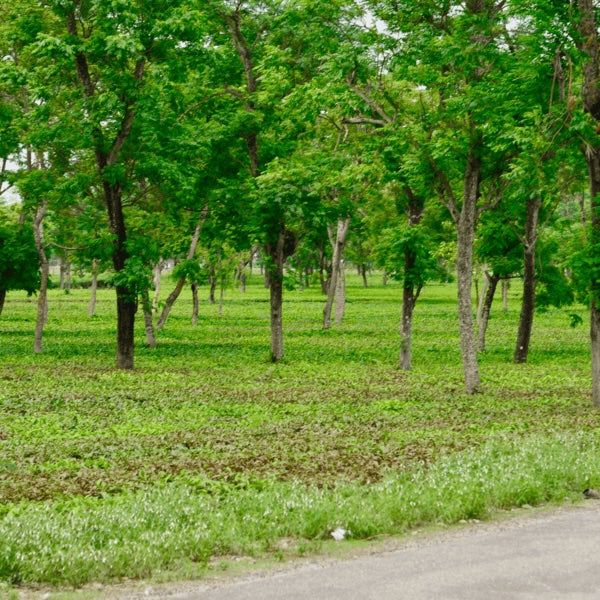
Tree Plantation for SDG - Support Sustainable Development Goals
Tree plantation for SDG initiatives represents a powerful pathway to achieving multiple...
-
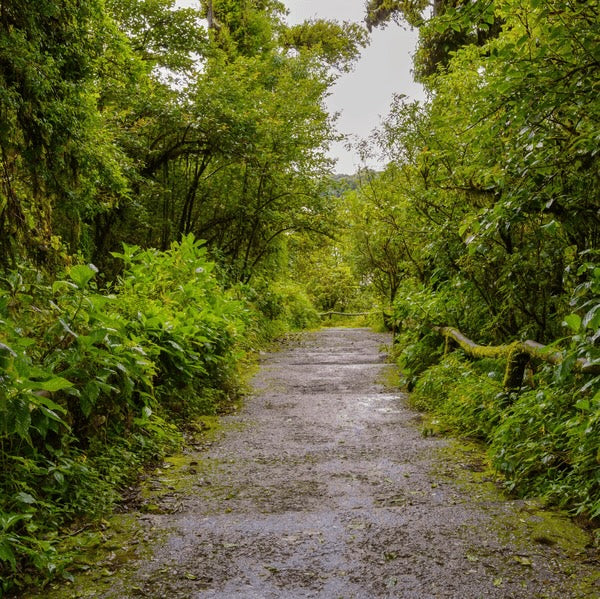
Corporate Tree Plantation Programs - Sustainable ESG Environmental Solutions for Net Zero Targets
Transform your organization's environmental impact with our comprehensive Corporate Tree Plantation Programs...
-
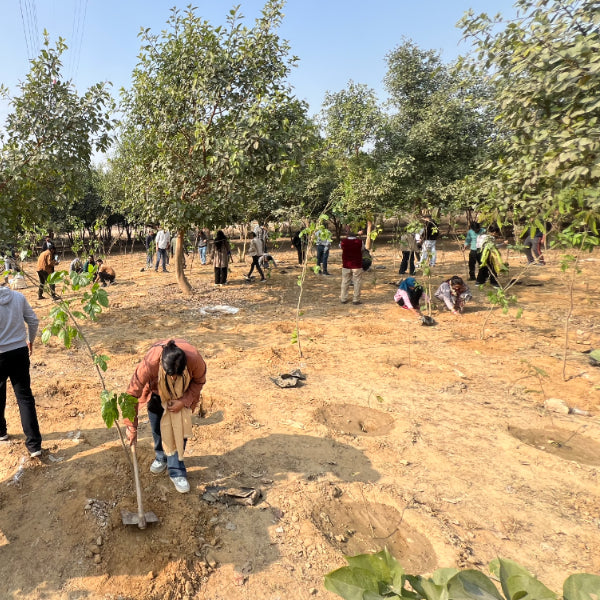
Tree Plantation by Location - Plant Trees Across India
Transform landscapes nationwide through our comprehensive tree plantation by location program. When...
Most Popular Tree Plantations - Top Choices for Environmental Impact
-
Trees for Birthday Celebration: Plant Meaningful Green Gifts
Regular price ₹ 299Regular priceUnit price per -
Trees for Mother
Regular price ₹ 299Regular priceUnit price per -
Trees as a Gift: Plant Hope & Create Lasting Environmental Impact
Regular price ₹ 299Regular priceUnit price per -
Trees to Honor the Memory of your Loved Ones
Regular price ₹ 299Regular priceUnit price per -
Trees for Krishna on Janmashtami - Sacred Divine Gift ₹299
Regular price ₹ 299Regular priceUnit price per