
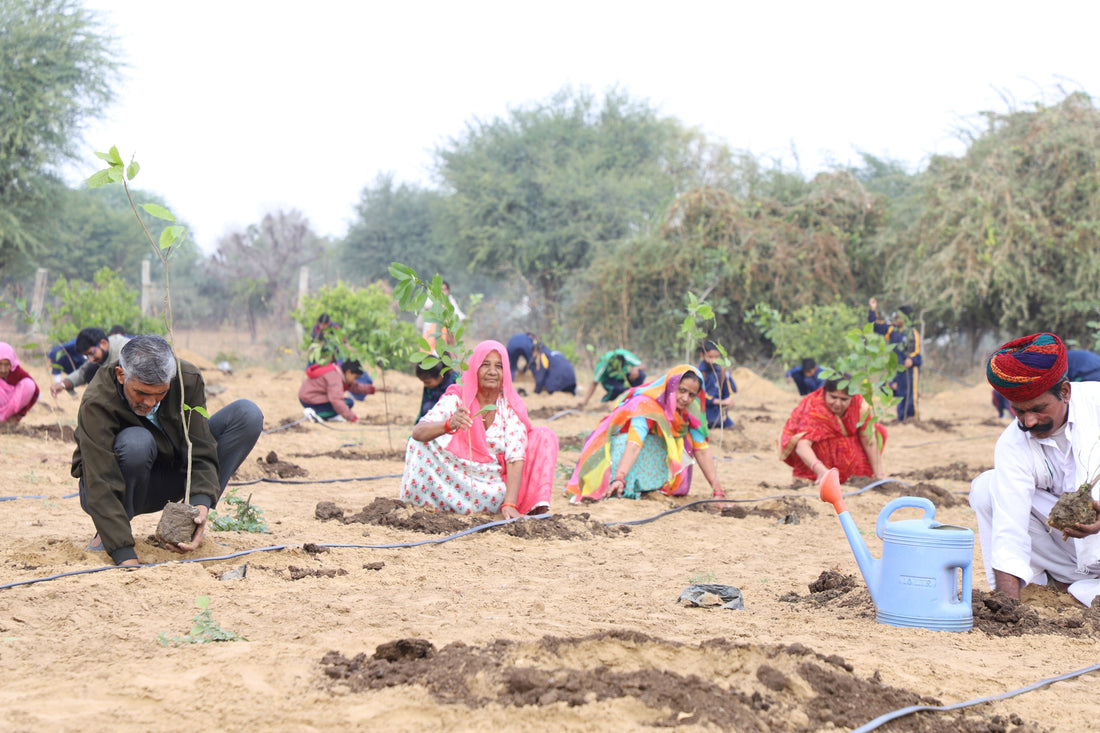
Community tree planting initiatives represent one of the most powerful grassroots approaches to Combating Climate Change Through Collective Action. When neighborhoods unite to plant trees, they create lasting environmental impact while building stron Read more
Trending Tree Plantations - Most Popular Environmental Programs
-
Trees for Mother
Regular price ₹ 299Regular priceUnit price per -
Trees to Honor the Memory of your Loved Ones
Regular price ₹ 299Regular priceUnit price per -
Trees for Women's Day (8th Mar)
Regular price ₹ 299Regular priceUnit price per -
Trees for Wedding Anniversary Celebration
Regular price ₹ 299Regular priceUnit price per -
Trees for Grandmother
Regular price ₹ 299Regular priceUnit price per

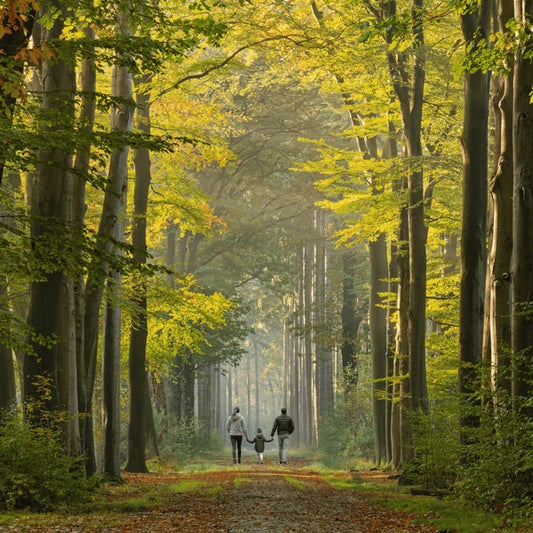



Trees for Corporates - Achieve Net Zero Targets Through Strategic Tree Planting
-
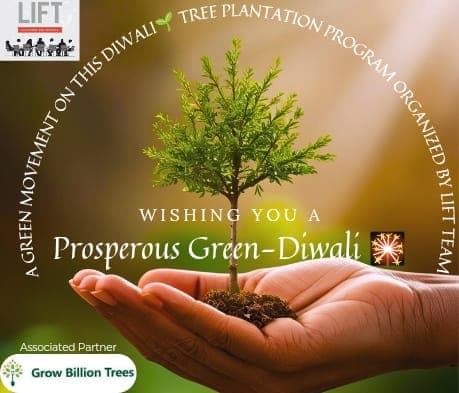 Project Closed
Trees by LIFT Team for Green Diwali: Transform Your Festival
Regular price ₹ 299Regular priceUnit price per -
Trees for a Greener Tomorrow - by Mahindra Lifespaces
Regular price ₹ 299Regular priceUnit price per -
Trees for Environment Day: Plant Your Impact on June 5th
Regular price ₹ 299Regular priceUnit price per -
Trees for Employees: Transform Your Corporate Culture in 2026
Regular price ₹ 299Regular priceUnit price per -
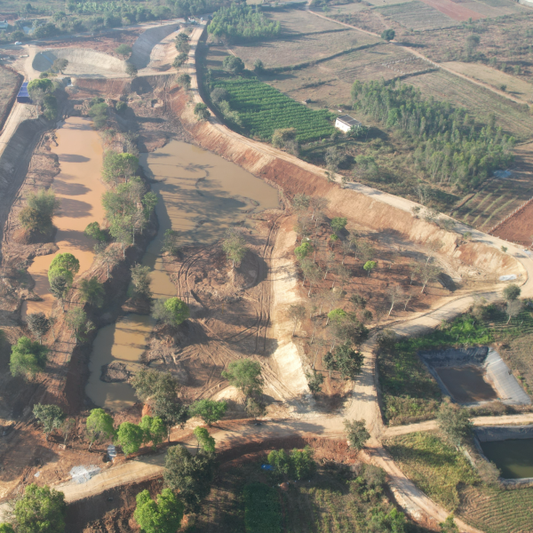 Project Closed
Trees for Bangalore: Plant Native Trees in Garden City ₹299
Regular price ₹ 799Regular priceUnit price per
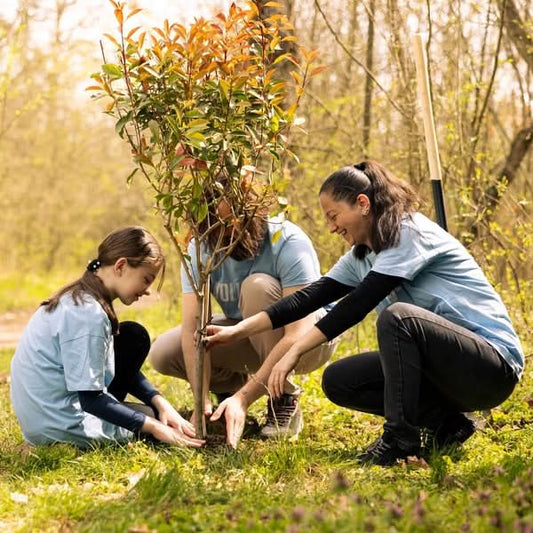
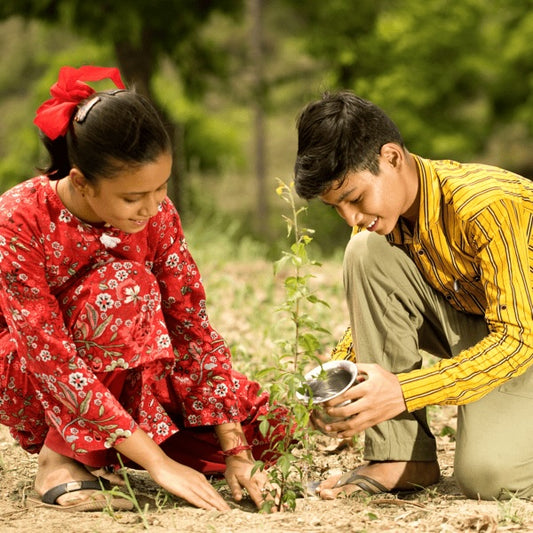
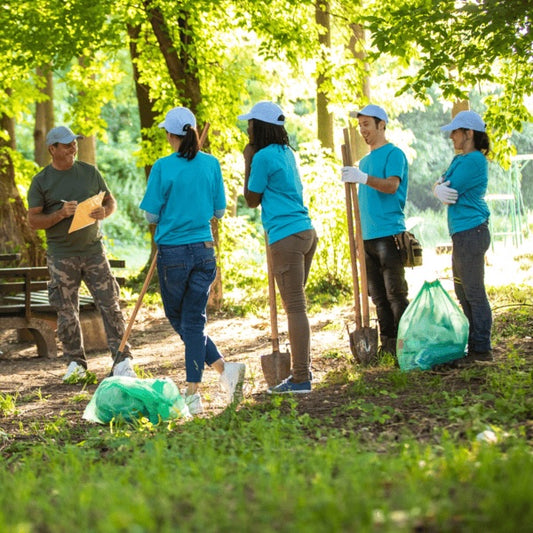
Community Tree Planting Initiatives: Local Carbon Reduction
Community tree planting initiatives represent one of the most powerful grassroots approaches to Combating Climate Change Through Collective Action. When neighborhoods unite to plant trees, they create lasting environmental impact while building stronger social bonds. These local engagement programs demonstrate how ordinary citizens can contribute meaningfully to global carbon reduction efforts through simple yet effective environmental action.
✅ The Power of Local Engagement
Local communities possess unique advantages in environmental conservation efforts. When residents take ownership of tree planting initiatives, they develop deeper connections to their environment and maintain long-term stewardship of planted areas.
Community-driven tree planting projects foster shared responsibility among neighbors. This collective ownership ensures better survival rates for newly planted trees and creates ongoing environmental awareness. Local engagement also provides invaluable knowledge about soil conditions, climate patterns, and native species selection.
The United Nations Sustainable Development Goals emphasize community participation as essential for environmental sustainability. When locals lead conservation efforts, projects become more culturally appropriate and economically viable.
⭐ Benefits Beyond Carbon Reduction
While carbon sequestration remains a primary goal, community tree planting initiatives deliver multifaceted benefits. Trees planted through local programs enhance biodiversity by creating habitats for birds, insects, and small mammals.
Air quality improvements occur rapidly in areas with active tree planting programs. A single mature tree can absorb up to 48 pounds of carbon dioxide annually while producing enough oxygen for two people. Water quality also benefits as tree roots filter pollutants and prevent soil erosion.
Social and economic advantages include increased property values, reduced energy costs through natural cooling, and enhanced community pride. Many neighborhoods report stronger social cohesion after participating in tree planting initiatives together.
💡 Community-Led Afforestation and Reforestation Success Stories
Successful community-led afforestation projects worldwide demonstrate the power of local action. In Mumbai, neighborhood groups have transformed vacant lots into thriving green spaces through Miyawaki forest techniques, creating dense urban forests in minimal space.
Rural communities in Maharashtra have restored degraded farmland through agroforestry programs, combining tree planting with sustainable agriculture. These initiatives improve soil health while providing additional income sources for farmers.
Urban reforestation efforts in Bangalore showcase how communities can create green corridors connecting existing parks and forests. Residents actively participate in species selection, planting, and ongoing maintenance of these vital ecological links.
Education and Environmental Awareness
Community tree planting initiatives serve as powerful educational platforms. Participants learn about native species, proper planting techniques, and ecosystem relationships through hands-on experience.
These programs raise environmental awareness beyond planting events. Families discuss climate change impacts, water conservation, and sustainable living practices. Children who participate often become environmental advocates in their schools and peer groups.
According to UNEP forest conservation research, community education programs significantly improve long-term forest conservation outcomes. Informed communities make better decisions about land use and resource management.
Local Partnerships and Collaboration
Successful community tree planting initiatives thrive through strategic partnerships. Environmental organizations provide technical expertise, while local businesses contribute funding and volunteer support.
Government agencies offer permits, land access, and sometimes seedling supplies. Schools participate by incorporating tree planting into environmental education curricula. Religious institutions often provide gathering spaces and volunteer coordination.
At Grow Billion Trees, we've witnessed the power of collaboration in achieving Net Zero Targets. Our partnerships with local communities ensure each 4ft Tree Planting + 3 Years Care + GeoTag program receives ongoing community support and monitoring.
Addressing Unique Community Needs
Each community faces distinct environmental challenges requiring tailored solutions. Coastal areas benefit from mangrove restoration programs, while urban neighborhoods need heat-reducing shade trees.
Native species selection becomes crucial for long-term success. Local communities possess traditional knowledge about which trees thrive in specific microclimates and soil conditions. This expertise proves invaluable for project planning and implementation.
Socio-economic factors also influence program design. Communities with limited resources may require different support structures than affluent neighborhoods. Successful initiatives adapt to local capacity while maintaining environmental effectiveness.
⭐ Empowering Youth and Future Stewards
Young people bring energy and innovation to community tree planting initiatives. Youth involvement creates environmental stewards who will protect and expand green spaces throughout their lives.
School-based tree planting programs connect classroom learning with real-world environmental action. Students develop scientific understanding while contributing to their community's environmental health.
Youth leadership in tree planting initiatives often inspires broader community participation. When children enthusiastically support environmental projects, parents and grandparents frequently join the effort.
Measuring Impact and Celebrating Success
Tracking progress motivates continued community participation in tree planting initiatives. Modern technology enables communities to monitor tree growth, survival rates, and carbon sequestration achievements.
GeoTag technology allows communities to track individual trees planted through programs like Plant a tree in your Name. This personal connection increases long-term stewardship and pride in environmental contributions.
Celebrating milestones strengthens community bonds and attracts new participants. Annual tree planting anniversaries, growth measurement events, and carbon impact celebrations maintain momentum for ongoing environmental action.
🌍 Case Studies from Around the World
The Green Belt Movement in Kenya demonstrates how community tree planting can transform entire regions. Rural women led reforestation efforts that restored watersheds while empowering local communities economically.
In South Korea, the Saemaul Undong movement combined community development with massive reforestation. Villages competed to plant the most trees, creating nationwide forest recovery and strong community pride.
India's Joint Forest Management program engages local communities in forest protection and restoration. Participants receive economic benefits while contributing to forest conservation and carbon sequestration goals.
➡️ Getting Started: Steps for Community Leaders
Communities interested in starting tree planting initiatives should begin with local needs assessment. Identify suitable planting locations, research native species, and connect with environmental organizations for guidance.
Building partnerships early ensures project sustainability. Contact local nurseries, environmental groups, and government agencies to establish support networks before launching planting events.
Start small with pilot projects to build experience and community confidence. Success with initial plantings creates momentum for larger-scale initiatives and attracts additional community participation.
⚠️ Common Challenges and Solutions
Water availability often limits community tree planting success. Solutions include selecting drought-resistant native species, installing efficient irrigation systems, and scheduling plantings during optimal seasons.
Maintenance challenges can be addressed through community volunteer schedules, partnerships with local organizations, and proper initial tree care education. Regular maintenance ensures high survival rates and long-term carbon benefits.
Funding constraints require creative solutions including corporate sponsorships, grant applications, and community fundraising events. Many successful programs combine multiple funding sources to ensure sustainability.
The Role of Technology in Modern Community Initiatives
Digital tools enhance community tree planting effectiveness through planning, monitoring, and engagement applications. Mapping software helps identify optimal planting locations while tracking apps monitor tree growth and health.
Social media platforms connect community members, share progress updates, and attract new volunteers. Online coordination tools streamline volunteer scheduling and resource allocation for planting events.
Mobile apps enable participants to track their environmental contributions and share achievements with friends and family. This gamification aspect increases engagement and encourages continued participation.
Building Sustainable Funding Models
Long-term success requires sustainable funding approaches beyond initial planting costs. Community tree planting initiatives must budget for ongoing maintenance, replacement plantings, and program expansion.
Corporate partnerships provide reliable funding while supporting businesses' environmental goals. Many companies seek authentic community engagement opportunities to demonstrate environmental responsibility.
Government grants and environmental funds offer substantial support for community initiatives. Successful applications typically demonstrate clear environmental benefits, community engagement, and measurable outcomes.
Frequently Asked Questions
How many trees should a community plant to make a meaningful impact?
Even small-scale community tree planting initiatives create meaningful environmental benefits. A neighborhood planting 100 trees annually can sequester several tons of carbon dioxide while improving local air quality and biodiversity. The key is consistency and proper care rather than sheer numbers.
What time of year is best for community tree planting events?
Optimal planting times vary by region, but generally fall and early spring provide the best conditions. These seasons offer moderate temperatures and adequate rainfall for root establishment. Consult local forestry experts for specific timing recommendations in your area.
How can communities ensure high tree survival rates?
Success depends on proper species selection, adequate site preparation, correct planting techniques, and consistent aftercare. Choose native species adapted to local conditions, prepare planting sites properly, and establish maintenance schedules for watering and protection during the first few years.
What permits or permissions are needed for community tree planting?
Requirements vary by location and property ownership. Public land typically requires permits from local authorities, while private property needs landowner consent. Contact municipal offices and environmental departments early in the planning process to understand local requirements.
How do community tree planting initiatives connect to global climate goals?
Local tree planting contributes to international climate commitments by sequestering carbon dioxide and supporting biodiversity conservation. The UN Climate Change initiative recognizes community-based forest restoration as essential for meeting global emission reduction targets.
Can urban communities participate effectively in tree planting initiatives?
Urban areas offer numerous opportunities including street tree programs, park restoration, vacant lot transformation, and rooftop gardens. Cities often have dedicated urban forestry programs that welcome community participation and provide technical support.
What role do schools play in community tree planting initiatives?
Educational institutions serve as community anchors for tree planting programs. Schools provide volunteer coordination, educational components, and long-term stewardship. Student involvement often motivates family participation and creates lasting environmental awareness.
How can communities measure the environmental impact of their tree planting efforts?
Impact measurement includes tracking tree survival rates, growth measurements, carbon sequestration calculations, and biodiversity monitoring. Many communities use simple data collection methods while others partner with research institutions for comprehensive impact assessment.
What support does Grow Billion Trees provide for community initiatives?
Grow Billion Trees offers comprehensive support including site assessment, native species selection, planting coordination, and three years of aftercare. Our GeoTag technology enables communities to track their planted trees while contributing to our goal of planting 100 crore trees across India.
How do community tree planting initiatives address climate justice concerns?
These programs often focus on underserved communities that face disproportionate environmental challenges. Tree planting in low-income neighborhoods improves air quality, reduces urban heat islands, and provides economic benefits while building community capacity for environmental action.Community tree planting initiatives represent hope in action—neighbors joining hands to create lasting environmental change. Through local engagement, education, and collaboration, these grassroots programs demonstrate that meaningful climate action begins in our own backyards. As communities worldwide embrace tree planting, they cultivate not only forests but also the social bonds necessary for a sustainable future.Ready to start your community tree planting initiative? Explore our community programs and discover how your neighborhood can contribute to planting 100 crore trees while building stronger environmental stewardship. Together, we can create the green, resilient communities our planet needs.
You may also like
-
Gift a Tree - Meaningful Environmental Gifts That Make a Difference
Transform your gift-giving with meaningful environmental gifts that create lasting impact for...
-
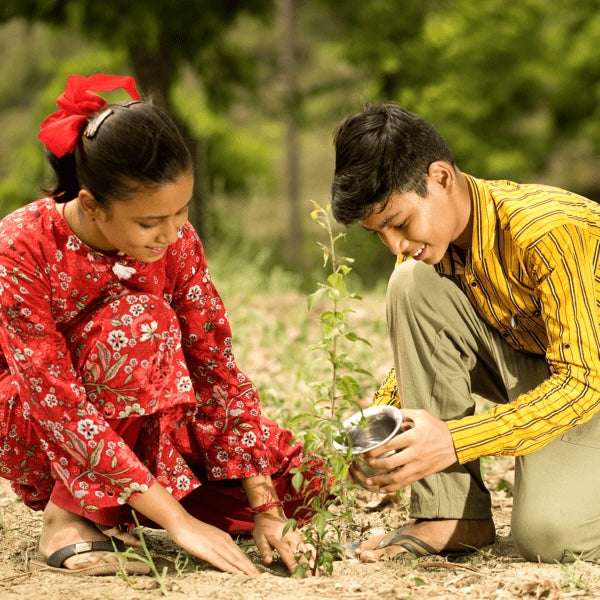
Trees For Shiv Ji - Sacred Tree Planting to Honor Lord Shiva
Honor Lord Shiva through sacred tree planting with Trees For Shiv Ji,...
-

Tree Plantations for Shri Ram - Sacred Devotional Planting Services
Honor Lord Shri Ram through meaningful tree plantations for Shri Ram that...
-
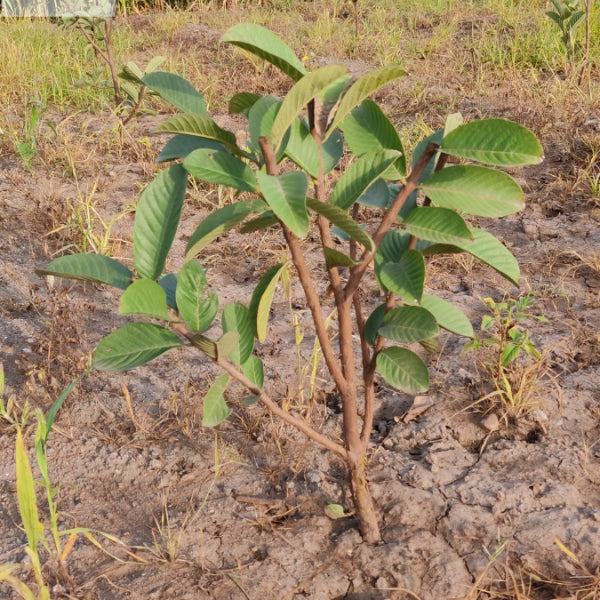
Tree Plantation on Navratri - Celebrate Divine Festivals with Environmental Devotion
Tree plantation on Navratri transforms the sacred nine-day festival into a powerful...
-
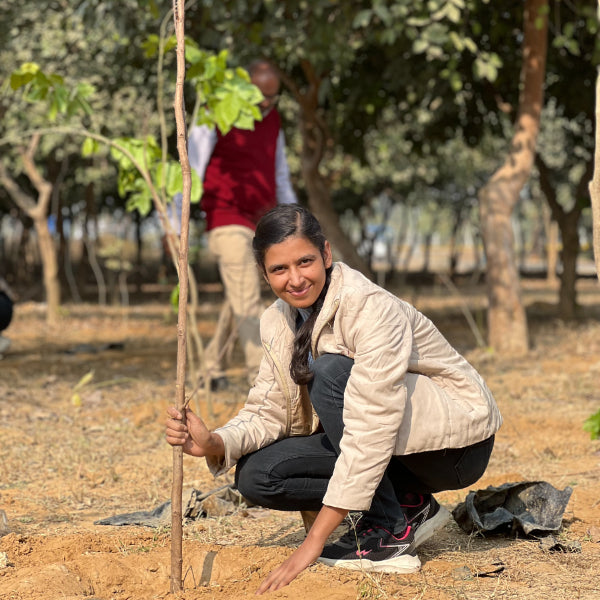
Tree Plantation by Cause - Plant Trees for Every Purpose | Grow Billion Trees
Transform your environmental impact with purpose-driven tree plantation by cause programs that...
Corporate Plantations
-
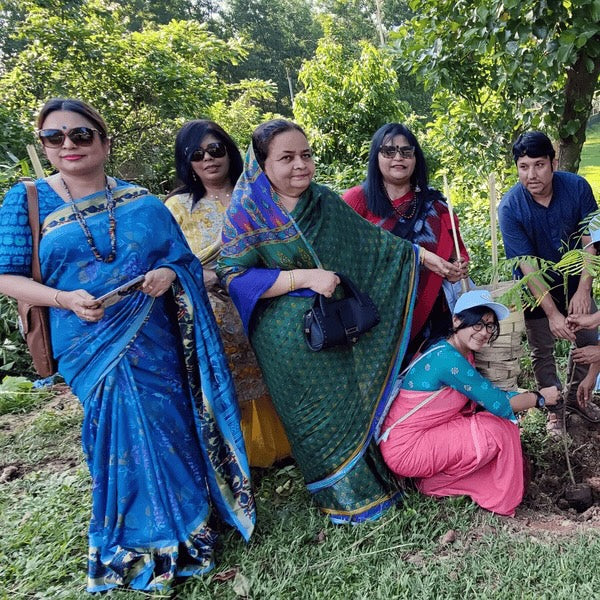
Trees for Corporates - Achieve Net Zero Targets Through Strategic Tree Planting
Trees for Corporates - Strategic Environmental SolutionsTransform your corporate environmental impact with...
-
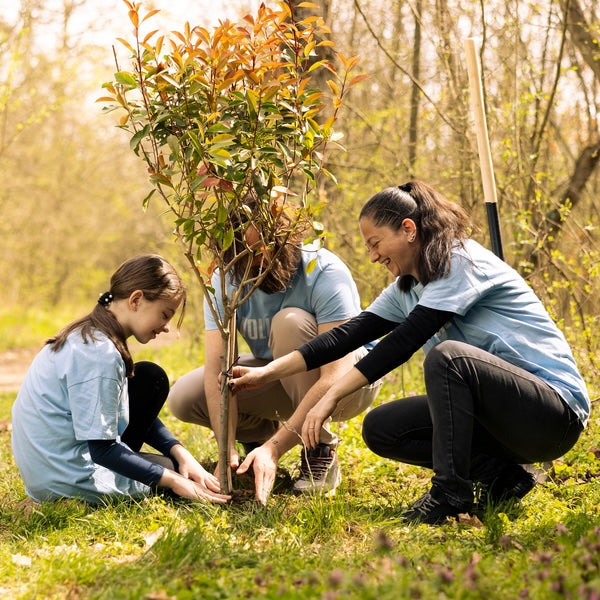
Tree Plantation for CSR - Corporate Environmental Programs | Grow Billion Trees
Tree Plantation for CSR - Transform Your Corporate Environmental ImpactTree plantation for...
-
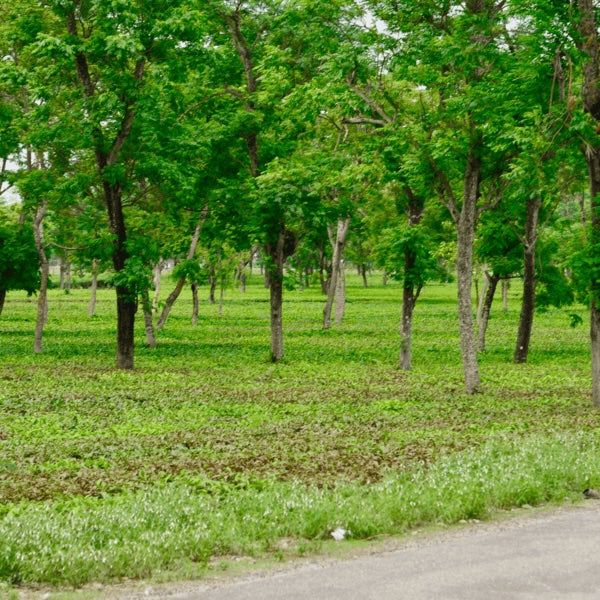
Tree Plantation for SDG - Support Sustainable Development Goals
Tree plantation for SDG initiatives represents a powerful pathway to achieving multiple...
-
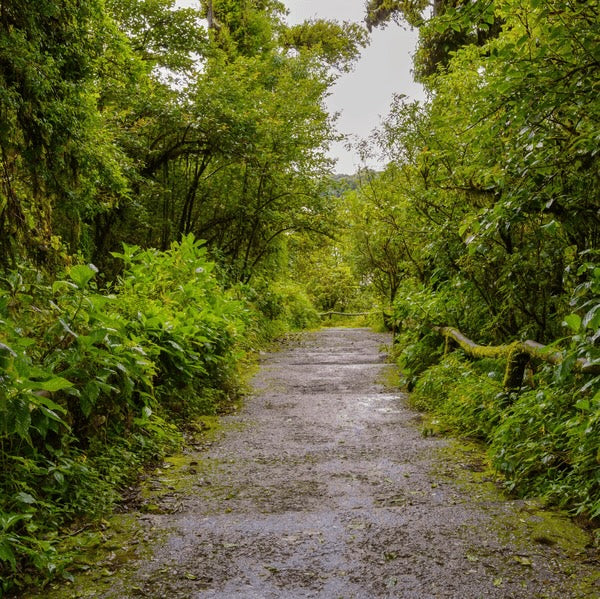
Corporate Tree Plantation Programs - Sustainable ESG Environmental Solutions for Net Zero Targets
Transform your organization's environmental impact with our comprehensive Corporate Tree Plantation Programs...
-
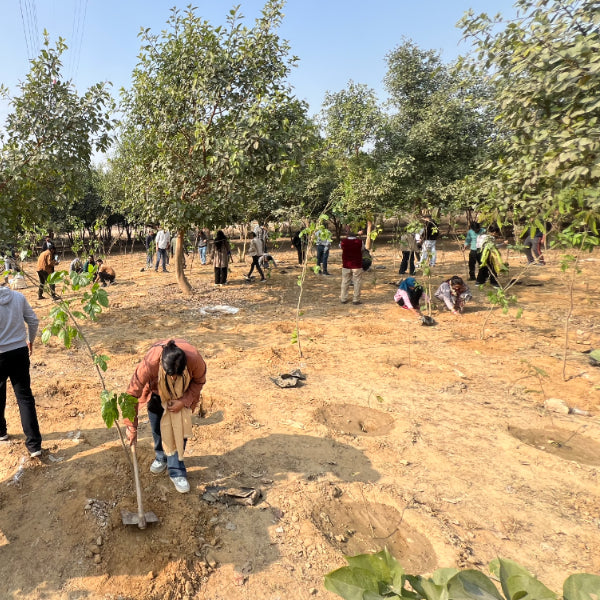
Tree Plantation by Location - Plant Trees Across India
Transform landscapes nationwide through our comprehensive tree plantation by location program. When...
Most Popular Tree Plantations - Top Choices for Environmental Impact
-
Trees for Mother
Regular price ₹ 299Regular priceUnit price per -
Trees to Honor the Memory of your Loved Ones
Regular price ₹ 299Regular priceUnit price per -
Trees for Wedding Anniversary Celebration
Regular price ₹ 299Regular priceUnit price per -
Trees for Grandmother
Regular price ₹ 299Regular priceUnit price per -
Trees for Grandfather
Regular price ₹ 299Regular priceUnit price per

Connect with us
-
👥 Corporates
If you are looking for:
- 🌲 Tree Plantation Events
- 📊 CSR Projects
📧 corporate@growbilliontrees.com
📞 +91 9699723523
💬 +91 9325931304 WhatsApp (Only)
🕒 Mon - Sat | 10am - 7pm IST
-
🧩 Tree Plantation NGOs
If you are looking for:
- 💰 Financial Assistance
- 🤝 Operational Support
📧 support@growbilliontrees.com
📞 +91 9699723523
💬 +91 9325931304 WhatsApp (Only)
🕒 Mon - Sat | 10am - 7pm IST
-
🌼 Individuals
If you are looking for:
- 👥 Group Tree Plantation Drive
- 🌳 Bulk Tree Plantation
📞 +91 9699723523
💬 +91 9325931304 WhatsApp (Only)
🕒 Mon - Sat | 10am - 7pm IST
