
Sugar Pine Tree: Discover the Majestic Beauty and Benefits of This Remarkable Giant
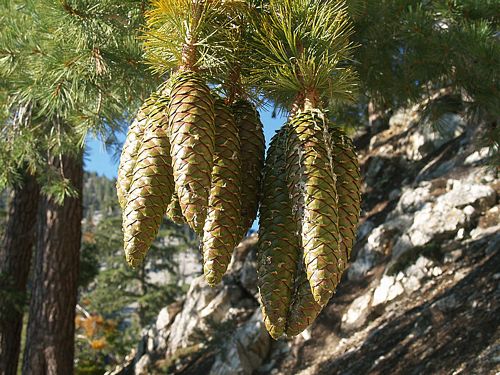
The Sugar Pine Tree (Pinus lambertiana) is the world's tallest pine species, native to the Sierra Nevada in the western United States, where it reaches heights exceeding 200 feet. With a lifespan exceeding 500 years, it plays a vital role as an ecosystem cornerstone and demonstrates exceptional longevity.
When we think of majestic giants in the natural world, the Sugar Pine Tree (Pinus lambertiana) stands as nature's most awe-inspiring testament to resilience and beauty. This towering giant, reaching heights of over 200 feet, represents not just extraordinary natural architecture but a vital ecosystem cornerstone that has thrived for centuries in the western United States.
Known for its towering height, impressive longevity, and unique beauty that captivates all who encounter it, the Sugar Pine is not just a tree; it is a vital component of the ecosystems it inhabits. As we explore this remarkable species, we'll discover how organizations like Grow Billion Trees are working toward their ambitious goal of planting 100 crore trees to combat climate change through collective action.
✅ Understanding the Sugar Pine Tree: Nature's Towering Marvel
The Sugar Pine Tree is native to the western United States, particularly thriving in the Sierra Nevada mountain range. This extraordinary species holds the distinction of being the tallest pine species in the world, with some magnificent specimens reaching heights exceeding 200 feet (61 meters).
What makes these giants truly remarkable is their incredible longevity. Sugar Pines can live for more than 500 years, making them living witnesses to centuries of environmental change and natural history. Their impressive lifespan demonstrates the species' remarkable adaptability and resilience.
⭐ Distinctive Physical Characteristics
One of the most distinguishing features of the Sugar Pine is its extraordinarily long, slender cones, which can measure up to 20 inches (50 cm) in length. These are the longest cones of any pine species, making them instantly recognizable to botanists and nature enthusiasts alike.
The tree's needles are equally noteworthy, typically measuring 2 to 4 inches long and arranged in distinctive clusters of five. This arrangement gives the Sugar Pine its characteristic soft, feathery appearance that sets it apart from other coniferous species.
The bark presents another unique aspect, characterized by its thick, deeply furrowed texture that ranges from gray to rich reddish-brown. This protective coating helps the tree withstand harsh mountain conditions and forest fires.
🌲 Ecological Importance and Environmental Benefits
The Sugar Pine Tree plays a crucial role in maintaining ecological balance within its native ecosystems. These towering giants serve as keystone species, supporting complex webs of biodiversity that depend on their presence for survival.
According to the United Nations Environment Programme on forests, large coniferous trees like Sugar Pines are essential for maintaining forest ecosystem health and biodiversity. Their massive cones produce nutrient-rich seeds that serve as a vital food source for various wildlife species, including squirrels, birds, and deer.
💡 Carbon Sequestration Champions
The Sugar Pine demonstrates exceptional capability in carbon sequestration, a critical factor in addressing climate change. With their impressive size and remarkable longevity, individual trees can store significant amounts of carbon dioxide over their multi-century lifespans.
The United Nations climate change initiative emphasizes how forests act as crucial carbon sinks, helping mitigate greenhouse gas effects in our atmosphere. Sugar Pines, with their massive biomass and extended lifespans, represent some of nature's most effective carbon storage systems.
📚 Historical Significance and Cultural Heritage
The Sugar Pine Tree carries a rich tapestry of human history, deeply intertwined with indigenous cultures and early American settlement. Native American tribes, including the Maidu and Miwok peoples, recognized the tree's multifaceted value centuries before European colonization.
These indigenous communities harvested Sugar Pine seeds as a nutritious food source, utilized the strong wood for constructing shelters, and crafted essential tools and baskets from the fibrous bark. The tree's aromatic resin served medicinal purposes, demonstrating the comprehensive relationship between humans and these forest giants.
⚠️ Impact of Historical Logging
During the 19th century gold rush era, the Sugar Pine gained significant commercial attention. Miners and settlers quickly recognized the wood's exceptional qualities: remarkable strength, excellent workability, and natural resistance to decay. This made Sugar Pine lumber highly sought after for construction, furniture making, and even crafting musical instruments.
However, this increased demand led to extensive logging operations that significantly impacted Sugar Pine populations and their natural habitats. Many old-growth forests were cleared, reducing the species' range and disrupting established ecosystems.
⭐ Fascinating Facts About Sugar Pine Trees
- ✅ The Sugar Pine earned its name from the sweet, edible seeds it produces, enjoyed by both wildlife and humans
- ✅ It serves as California's official state tree, symbolizing the region's natural beauty and ecological significance
- ✅ Sugar Pine cones require up to two years to fully mature, reflecting the species' patient, steady growth process
- ✅ The wood emits a distinctive sweet, resinous aroma that makes it particularly prized among woodworkers
- ✅ Some Sugar Pines can live over 500 years, with the oldest recorded specimens exceeding 700 years
- ✅ Their massive root systems can extend over 100 feet from the trunk, providing exceptional stability
🌍 Environmental Challenges and Conservation Needs
Despite their majestic beauty and crucial ecological importance, Sugar Pine Trees face numerous contemporary threats that jeopardize their long-term survival. These challenges require immediate attention and coordinated conservation efforts.
The World Wildlife Fund identifies deforestation and forest degradation as primary threats to coniferous forests worldwide. Habitat loss through urban development, continued logging, and land conversion has significantly reduced Sugar Pine populations, particularly in areas where historical logging was extensive.
🌡️ Climate Change Impacts
Climate change poses an increasingly significant risk to Sugar Pine survival. Rising temperatures, altered precipitation patterns, and more frequent extreme weather events can severely affect the tree's growth, reproduction, and overall health. These changes may force Sugar Pine populations to migrate to higher elevations or face local extinction.
Additionally, climate change facilitates the spread of invasive species and forest pathogens that can devastate Sugar Pine populations. The combination of environmental stress and biological threats creates a complex challenge requiring comprehensive management strategies.
🌱 Conservation Through Collective Action
Organizations like Grow Billion Trees are actively addressing these challenges through innovative reforestation and conservation initiatives. Our mission centers on combating climate change through collective action, with the ambitious goal of planting 100 crore trees across India by June 2030.
While Sugar Pines are native to western North America, the principles of forest conservation and restoration apply globally. Through our comprehensive approach, we offer individuals the opportunity to Plant a tree in your Name for just ₹299, including 2-3ft Tree Planting + 3 Years Care + GeoTag technology for tracking.
💡 Supporting Corporate Net Zero Targets
Many corporations are recognizing the importance of forest conservation in achieving their Net Zero Targets. Our programs provide businesses with verified, trackable tree planting opportunities that contribute to carbon offset goals while supporting biodiversity conservation.
Through partnerships with local communities, schools, and environmental organizations, we conduct educational workshops that inform the public about the critical benefits trees provide, including improved air quality, water conservation, and wildlife habitat creation.
🏔️ Growing Sugar Pines: Cultivation and Care
For those interested in cultivating Sugar Pine Trees, understanding their specific requirements is essential for success. These magnificent giants have evolved to thrive in particular environmental conditions that must be replicated for successful cultivation.
➡️ Optimal Growing Conditions
Sugar Pines prefer well-draining, slightly acidic soils with good organic content. They require full sun exposure and benefit from cool, moist conditions during their establishment phase. The species is adapted to mountainous environments with distinct seasonal temperature variations.
Young Sugar Pine seedlings require protection from harsh winds and extreme temperature fluctuations. Proper spacing is crucial, as mature trees need substantial room to develop their extensive root systems and impressive canopies.
⚠️ Challenges in Cultivation
Growing Sugar Pines outside their native range presents significant challenges. The species has specific climatic requirements and may struggle in areas with different temperature patterns, humidity levels, or soil conditions. Additionally, Sugar Pines grow relatively slowly, requiring patience and long-term commitment from cultivators.
🌿 Miyawaki Method and Native Species Integration
While Sugar Pines thrive in their native western American habitats, the principles of forest restoration can be applied globally using appropriate native species. At Grow Billion Trees, we employ the innovative Miyawaki method to create dense, biodiverse forests using locally adapted species.
This approach focuses on planting multiple native species together, creating self-sustaining ecosystems that provide similar ecological benefits to natural Sugar Pine forests. Our agroforestry programs integrate tree planting with agricultural practices, supporting both environmental conservation and sustainable livelihoods.
Further reading: Eastern White Pine Tree: North America's Majestic Forest Giant · Giant Redwood Tree: Discover the Majestic Giants of the Forest
Frequently Asked Questions
What makes Sugar Pine Trees unique among pine species?
Sugar Pine Trees are distinguished by being the tallest pine species globally, reaching heights over 200 feet. They produce the longest cones of any pine species (up to 20 inches) and can live for more than 500 years. Their sweet, edible seeds and distinctive five-needle clusters make them easily identifiable.
Where do Sugar Pine Trees naturally grow?
Sugar Pine Trees are native to the western United States, primarily in the Sierra Nevada mountain range. They thrive in mountainous regions with well-draining soils, full sun exposure, and distinct seasonal temperature variations typical of high-elevation environments.
How do Sugar Pine Trees benefit the environment?
Sugar Pine Trees provide exceptional environmental benefits including significant carbon sequestration due to their large size and longevity, habitat for diverse wildlife species, soil stabilization through extensive root systems, and watershed protection. They serve as keystone species supporting entire forest ecosystems.
Can Sugar Pine Trees be grown outside their native range?
Growing Sugar Pine Trees outside their native range is challenging due to their specific climatic requirements. They need particular temperature patterns, soil conditions, and humidity levels found in their mountainous habitats. Success requires careful attention to replicating these native conditions.
What threats do Sugar Pine Trees face today?
Sugar Pine Trees face multiple threats including habitat loss from deforestation and urban development, climate change impacts such as altered precipitation and temperature patterns, invasive species, forest pathogens, and historical over-logging that reduced their natural populations.
How long do Sugar Pine Trees live?
Sugar Pine Trees are remarkably long-lived, typically surviving 500+ years with some specimens exceeding 700 years. This exceptional longevity makes them valuable for long-term carbon storage and ecosystem stability, representing living witnesses to centuries of environmental history.
What wildlife depends on Sugar Pine Trees?
Numerous wildlife species depend on Sugar Pine Trees, including squirrels, birds, and deer that feed on their nutritious seeds. The trees provide nesting sites for various bird species, shelter for mammals, and support complex ecosystems including understory plants and fungi.
How can individuals support Sugar Pine conservation?
Individuals can support Sugar Pine conservation by contributing to forest preservation organizations, participating in reforestation programs, choosing sustainably sourced wood products, and supporting policies that protect old-growth forests. While Sugar Pines are region-specific, supporting global tree planting initiatives like Grow Billion Trees helps promote forest conservation worldwide.
🌟 The Future of Forest Conservation
The story of the Sugar Pine Tree serves as both inspiration and warning for our collective environmental future. These magnificent giants demonstrate nature's incredible capacity for resilience and beauty, while their current challenges highlight the urgent need for comprehensive conservation action.
Through organizations like Grow Billion Trees, we can channel our admiration for species like Sugar Pines into meaningful action. Our commitment to planting 100 crore trees represents a scalable approach to forest restoration that addresses climate change while supporting biodiversity conservation.
Whether you're inspired to Plant a tree in your Name for a special occasion, help your corporation achieve Net Zero Targets, or simply contribute to our mission of combating climate change through collective action, every tree planted brings us closer to a more sustainable future.
The majestic Sugar Pine Tree reminds us that individual trees, like individual actions, can grow into something far greater than themselves. By working together, we can ensure that future generations will continue to marvel at these natural giants and the thriving ecosystems they support. Discover how you can plant a tree today and become part of this vital conservation movement.
Keep reading
 Eastern White Pine Tree: North America's Majestic Forest Giant
 Giant Redwood Tree: Discover the Majestic Giants of the Forest
 Giant Sequoia Tree: Discover the Majestic Giants of Nature
 Red Pine Tree: The Ultimate Guide to Benefits, Care & Unique Features
 Umbrella Pine Tree: The Ultimate Guide to This Majestic Evergreen


Comments
Leave a comment