
Chinar Tree: The Majestic Symbol of Kashmir's Natural Beauty and Cultural Heritage
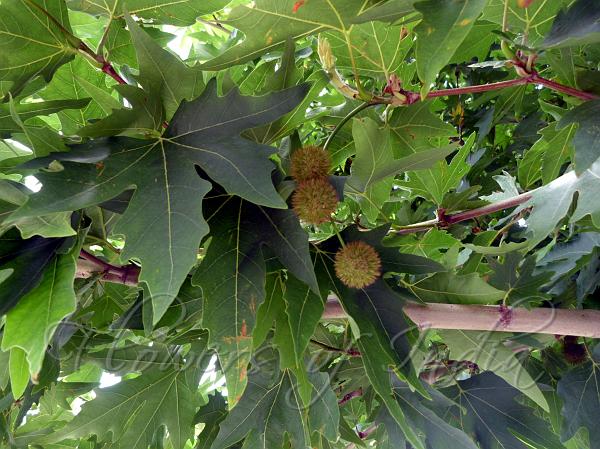
The Chinar tree, scientifically known as Platanus orientalis, is a deciduous tree that can grow up to 35 meters tall, with large palmate leaves that turn yellow, orange, and red in autumn. It is a symbol of Kashmir's natural beauty and cultural heritage, well-adapted to the region's temperate climate, and notable for its longevity, with some specimens estimated to be over 1,000 years old.
The Chinar tree, known scientifically as Platanus orientalis, stands as a majestic symbol of Kashmir's natural beauty and cultural heritage.
With its broad, sprawling branches and vibrant autumn foliage, the Chinar is more than just a tree; it is a living testament to the region’s rich history, ecological significance, and cultural identity.
In this blog, we will explore the various aspects of the Chinar tree, including its scientific characteristics, historical significance, environmental impact, and the efforts by organizations like Grow Billion Trees Partners to promote and preserve this iconic species in Kashmir.
Scientific Characteristics of the Chinar Tree
The Chinar tree is a deciduous tree that can grow up to 35 meters tall, with a trunk diameter that can exceed 3 meters.
Its leaves are large, typically 15 to 25 cm wide, and are palmate, resembling the shape of a hand. In autumn, the leaves turn a brilliant shade of yellow, orange, and red, creating a breathtaking spectacle that attracts tourists and nature lovers alike.
From a botanical perspective, the Chinar belongs to the family Platanaceae. It is well adapted to the temperate climate of Kashmir and can thrive in a variety of soil types, though it prefers well-drained, loamy soils. The tree is also known for its longevity, with some specimens estimated to be over 1,000 years old, making it one of the oldest living trees in the world.
Historical Significance
The Chinar tree has played a significant role in the cultural and historical narrative of Kashmir. It is often associated with the region's identity and is featured prominently in Kashmiri poetry, folklore, and art. Historical texts suggest that the Chinar was introduced to Kashmir from Persia around the 16th century. Since then, it has become an integral part of the landscape and culture.
Kashmiris have long revered the Chinar for its beauty and shade. It is often planted in gardens, along roads, and in public spaces. The tree has been a silent witness to the region's tumultuous history, including the Mughal Empire's reign, British colonial rule, and the ongoing conflicts that have shaped modern Kashmir. Its presence in the landscape serves as a reminder of resilience and continuity amidst change.
One of the most famous Chinar trees, located in the heart of Srinagar, is the 'Chinar of Shalimar,' which is believed to be over 400 years old. This particular tree attracts numerous visitors each year, making it a popular tourist destination and a symbol of Kashmir's natural beauty.
Environmental Impact
The Chinar tree plays a crucial role in the local ecosystem. As a large deciduous tree, it contributes significantly to the biodiversity of the region. The tree's broad canopy provides habitat for various bird species, insects, and small mammals. Furthermore, Chinars help in improving air quality by absorbing carbon dioxide and releasing oxygen, which is vital for maintaining a balanced ecosystem.
Moreover, Chinar trees are known for their ability to prevent soil erosion. Their extensive root systems stabilize the soil, particularly in hilly areas prone to landslides. This characteristic is especially important in Kashmir, where the geography can lead to significant soil erosion during monsoon seasons.
Additionally, the Chinar tree plays a role in regulating the microclimate of the region. The shade provided by its large leaves helps to cool the surrounding area, making it a vital component of the urban landscape in cities like Srinagar, where summers can be quite hot.
Fun Facts about the Chinar Tree
- The Chinar tree is often referred to as the "Maple of the East" due to its similar leaf shape and vibrant fall colors.
- Chinar leaves can grow up to 30 cm in diameter, making them some of the largest leaves among deciduous trees.
- The word 'Chinar' is derived from the Persian word 'Chinar' which means 'the tree of light.'
- Chinar trees have been known to live for over a thousand years, with some ancient specimens still standing tall today.
- In Kashmiri culture, the Chinar tree is often associated with love and romance, making it a popular spot for couples.
Conservation Efforts and Grow Billion Trees Partners
Despite its cultural and ecological significance, the Chinar tree faces numerous threats, including deforestation, urbanization, and climate change. To combat these issues, organizations like Grow Billion Trees Partners have taken significant steps to promote the conservation and reforestation of Chinar trees in Kashmir.
Grow Billion Trees Partners is an initiative aimed at planting billions of trees across various regions, with a strong focus on native species like the Chinar. Their mission is not only to restore the natural habitat but also to engage local communities in the process. By involving local populations in tree-planting activities, the organization fosters a sense of ownership and responsibility towards the environment.
The organization executes its projects through a well-structured approach that includes:
- Awareness Campaigns: Grow Billion Trees Partners conducts educational programs to raise awareness about the importance of Chinar trees and the need for conservation.
- Community Engagement: Collaborating with local communities, the organization organizes tree-planting events where residents can participate actively. This not only helps in planting trees but also strengthens community bonds.
- Research and Monitoring: The organization conducts research to monitor the growth and health of planted Chinar trees, ensuring that the reforestation efforts are effective and sustainable.
- Partnerships: Grow Billion Trees Partners collaborates with local governments, NGOs, and international organizations to secure funding and resources for their projects.
Through these efforts, Grow Billion Trees Partners aims to restore the Chinar population in Kashmir and promote sustainable practices that benefit both the environment and local communities.
The Cultural Legacy of the Chinar Tree
The Chinar tree is not just a natural wonder; it is a cultural icon that has inspired countless artists, poets, and writers. In Kashmiri literature, the tree is often used as a metaphor for love, longing, and the passage of time. Renowned poet Agha Shahid Ali famously wrote about the Chinar in his poems, capturing its beauty and the emotions it evokes.
The tree is also a source of traditional crafts. The wood of the Chinar tree is highly valued for its durability and beauty. Local artisans often use it to create intricate carvings, furniture, and other handcrafted items that reflect the region's rich artistic heritage.
Moreover, the Chinar tree has become a symbol of resistance and resilience for the people of Kashmir. In times of conflict and uncertainty, the Chinar stands tall, representing hope and continuity. It serves as a reminder of the region's natural beauty and the importance of preserving it for future generations.
Conclusion
In conclusion, the Chinar tree is a majestic symbol of Kashmir's natural beauty and cultural heritage. Its scientific characteristics, historical significance, and environmental impact make it a vital part of the region's identity. Organizations like Grow Billion Trees Partners are playing a crucial role in promoting the conservation and reforestation of Chinar trees, ensuring that this iconic species continues to thrive in the heart of Kashmir.
As we admire the beauty of the Chinar tree, let us also recognize our responsibility to protect and preserve it. By supporting conservation efforts and participating in tree-planting initiatives, we can contribute to the legacy of the Chinar and ensure that future generations can experience its majesty.
Whether you are a local resident or a visitor to Kashmir, take a moment to appreciate the Chinar tree, a symbol of resilience, beauty, and cultural heritage that has stood the test of time.
Further reading: Himalayan Maple Tree: Unveiling Nature's Majestic Beauty · Oriental Plane Tree: Majestic Beauty & Environmental Benefits
Frequently Asked Questions
What is the Chinar tree?
The Chinar tree, scientifically known as Platanus orientalis, is a majestic deciduous tree native to Kashmir. Standing up to 35 meters tall, it boasts broad, hand-shaped leaves that turn vibrant shades of yellow, orange, and red in autumn, making it a natural spectacle and a cultural icon of the region.
Why is the Chinar tree significant to Kashmir?
The Chinar tree is more than just a pretty face in Kashmir; it’s steeped in cultural heritage. Introduced from Persia in the 16th century, it symbolizes resilience and continuity, appearing in poetry and folklore while providing shade and beauty in gardens and public spaces throughout the region.
How does the Chinar tree contribute to the ecosystem?
The Chinar tree is an ecological powerhouse! Its broad canopy provides habitat for birds and small mammals, while its extensive roots prevent soil erosion, especially in hilly areas. Plus, it cleans the air by absorbing carbon dioxide and releasing oxygen, making it a vital player in maintaining a balanced ecosystem.
What are some fun facts about the Chinar tree?
Did you know the Chinar tree is often dubbed the "Maple of the East"? With leaves that can reach 30 cm in diameter and a lifespan of over a thousand years, it’s a living legend. Plus, in Kashmiri culture, it’s a romantic hotspot—perfect for lovebirds seeking shade!
How does the Chinar tree impact the local climate?
The Chinar tree is like nature’s air conditioner! Its large leaves provide shade that cools the surrounding area, making it a vital component in urban landscapes like Srinagar, where summer heat can be intense. It helps regulate the microclimate, ensuring a more pleasant environment for all.
What conservation efforts are in place for the Chinar tree?
Organizations like Grow Billion Trees Partners are on a mission to save the Chinar! They’re planting billions of trees, promoting awareness, and engaging local communities in conservation efforts. Their approach ensures that the Chinar tree not only survives but thrives for generations to come.
How old can Chinar trees get?
Some Chinar trees are ancient enough to have witnessed history! With lifespans exceeding 1,000 years, these trees are living time capsules, standing tall while silently observing the changes in Kashmir's landscape and culture throughout the centuries.
What role does the Chinar tree play in Kashmiri art and literature?
The Chinar tree is an artistic muse! It has inspired countless poets and artists, often symbolizing love, longing, and the passage of time. Its beauty has been immortalized in literature, making it an enduring emblem of Kashmir’s rich cultural narrative.
Where can I find the oldest Chinar tree?
If you’re on a quest for history, head to Srinagar! The famed 'Chinar of Shalimar' is believed to be over 400 years old and stands as a testament to the region’s natural beauty. It’s a must-visit for anyone wanting to connect with Kashmir’s heritage.
How does the Chinar tree help with soil conservation?
The Chinar is a soil-saving superstar! Its extensive root system stabilizes the soil, especially in hilly regions prone to erosion. This characteristic is crucial in Kashmir, where heavy rains can lead to significant soil loss, making the Chinar an unsung hero of environmental stability.
What is the cultural legacy of the Chinar tree?
The Chinar tree is a cultural icon, representing resilience and beauty in Kashmir. It’s featured in traditional crafts and local art, with its wood valued for its durability. This tree has become a symbol of hope, reminding people of the region's natural beauty amidst challenges.
How can I support Chinar tree conservation efforts?
You can join the green revolution! Support organizations like Grow Billion Trees Partners by participating in tree-planting events, spreading awareness, or simply appreciating the beauty of the Chinar tree. Every little effort counts in preserving this iconic symbol of Kashmir for future generations.
Keep reading
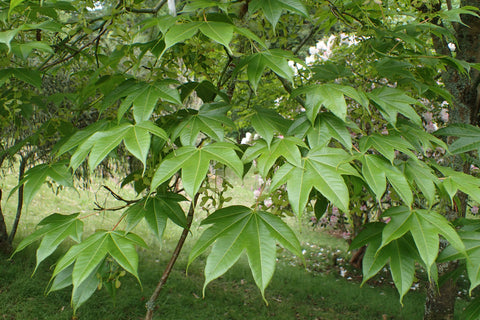 Himalayan Maple Tree: Unveiling Nature's Majestic Beauty
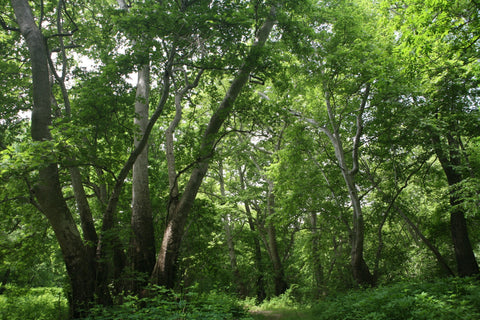 Oriental Plane Tree: Majestic Beauty & Environmental Benefits
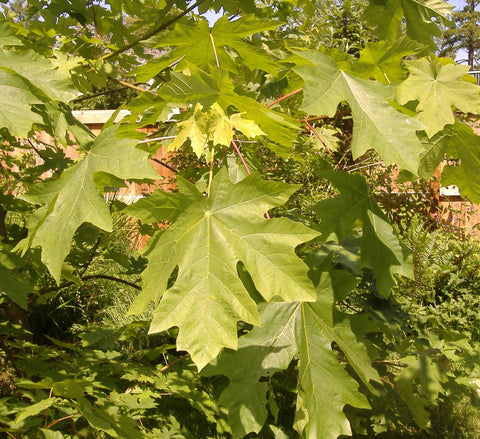 Broadleaf Maple Tree: The Ultimate Guide to Its Stunning Beauty, Benefits, and Care Tips!
 Scarlet Maple Tree: Transform Your Landscape with Stunning Fall Colors
 Common Walnut Tree: Growing Nature's Nutritional Powerhouse


Comments
Leave a comment