
Vanilla Tree: Unlocking the Secrets to Growing Your Own Flavorful Paradise
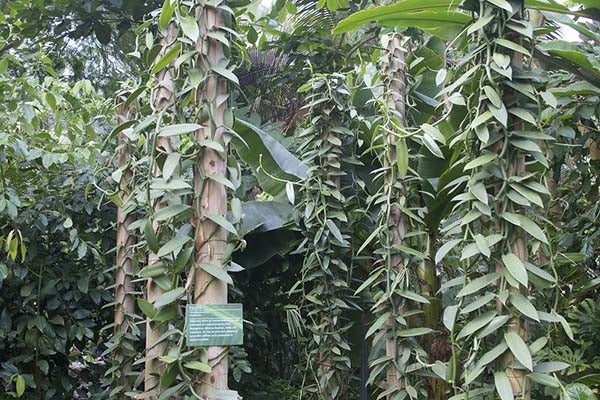
Growing vanilla at home is possible by cultivating the vanilla orchid (Vanilla planifolia), a climbing vine native to Mexico that requires a warm, humid environment. Each flower must be hand-pollinated to produce pods, which take 8 to 9 months to mature and require proper curing to develop their full flavor, making vanilla cultivation labor-intensive but rewarding.
Growing your own vanilla tree at home is not only possible but incredibly rewarding, offering you the chance to cultivate one of the world's most prized flavors right in your garden or greenhouse. The vanilla orchid (Vanilla planifolia) produces the aromatic pods that give us the beloved vanilla flavor we know and love.
Vanilla, often referred to as the "queen of spices," is one of the most beloved flavors in the world. From ice creams to perfumes, its sweet and creamy aroma captivates the senses. But did you know that you can grow your own vanilla at home?
Understanding the Vanilla Tree: The Basics
Vanilla is derived from the pods of the vanilla orchid, primarily from the species Vanilla planifolia. Native to Mexico, this climbing vine requires a warm, humid environment to thrive. The cultivation of vanilla is labor-intensive, with each flower needing to be hand-pollinated to produce the coveted pods.
It takes about 8 to 9 months for the pods to mature after pollination, and they must be cured properly to develop their rich flavor. This process makes vanilla one of the most expensive spices in the world, second only to saffron.
Historical Journey: From Ancient Mexico to Global Treasure
The history of vanilla is as rich as its flavor. The Totonac people of Mexico were the first to cultivate vanilla, and it was later adopted by the Aztecs. They used vanilla to flavor their chocolate drinks, and it quickly became a prized commodity.
When Spanish conquistadors arrived in Mexico, they recognized vanilla's potential and brought it back to Europe, where it became a luxury item among the elite. In the 19th century, vanilla's popularity surged, leading to the establishment of plantations in tropical regions around the world.
Today, Madagascar is the largest producer of vanilla, accounting for approximately 80% of the global supply. However, the vanilla industry faces challenges, including climate change, deforestation, and labor issues, making sustainable cultivation practices more important than ever.
✅ Complete Guide to Growing Your Vanilla Tree
Growing vanilla at home can be a rewarding experience that connects you with nature while potentially saving money on this expensive spice. Here's a comprehensive guide to help you cultivate your own vanilla paradise:
→ Choosing the Right Environment
Vanilla thrives in warm, humid conditions. Ideally, the temperature should be between 70°F to 90°F (21°C to 32°C). If you live in a cooler climate, consider growing vanilla indoors or in a greenhouse. The plant needs high humidity levels of 80-90% to flourish.
→ Soil Requirements and Preparation
Use a well-draining potting mix enriched with organic matter. A mixture of peat moss, bark, and perlite works well. Vanilla orchids prefer slightly acidic soil with a pH of 6.0 to 7.0. The soil must retain moisture while allowing excess water to drain freely.
→ Planting Your Vanilla Tree
Vanilla can be grown from cuttings. Choose healthy, mature cuttings with at least two nodes. Plant them vertically in the potting mix, ensuring the nodes are buried. These nodes will develop into roots and new growth points.
→ Support Structures for Climbing Growth
As a climbing vine, vanilla requires support. Use trellises, stakes, or even other plants to provide the necessary structure for growth. The vine can grow up to 30 feet in ideal conditions, so plan for adequate vertical space.
→ Watering and Humidity Management
Keep the soil consistently moist but not soggy. Water the plant thoroughly, allowing excess water to drain. During the growing season, mist the leaves regularly to maintain humidity. Proper moisture balance is crucial for healthy vanilla tree development.
→ Fertilization Schedule
Feed your vanilla plant with a balanced fertilizer every month during the growing season. Organic options like fish emulsion or seaweed extract work wonders. The plant benefits from regular feeding due to its vigorous growth habit.
→ Hand Pollination Process
If you're growing vanilla indoors, you'll need to hand-pollinate the flowers. Use a small stick or toothpick to transfer pollen from the anther to the stigma of the flower. This process is crucial for pod development and must be done within hours of the flower opening.
→ Harvesting and Curing Vanilla Pods
Once the pods are mature (after 8-9 months), they need to be harvested and cured. This process involves blanching, sweating, drying, and conditioning the pods to develop their flavor. The curing process can take several months but is essential for achieving that signature vanilla taste.
💡 Scientific Insights: The Chemistry of Vanilla Flavor
Vanilla's unique flavor profile comes from a compound called vanillin, which is responsible for its sweet aroma. Scientific studies have shown that vanillin has antioxidant properties and may have potential health benefits, including anti-inflammatory effects.
Interestingly, natural vanilla is far more complex than synthetic vanillin, containing hundreds of additional compounds that contribute to its depth of flavor. Research has also indicated that the cultivation of vanilla can impact local biodiversity when done sustainably.
🌱 Environmental Impact and Sustainable Vanilla Cultivation
The vanilla industry faces significant environmental challenges, including deforestation and habitat destruction. According to the World Wildlife Fund's research on deforestation, traditional vanilla farming practices often lead to the clearing of forests, which threatens biodiversity and contributes to climate change.
However, there is a growing movement towards sustainable vanilla cultivation that prioritizes environmental health. Agroforestry, where vanilla is grown alongside other trees and crops, has emerged as a sustainable alternative. This method aligns with the United Nations Sustainable Development Goals by helping preserve biodiversity while improving soil fertility.
Organizations like Grow Billion Trees are pioneering sustainable approaches to agriculture that support both farmers and the environment. Their mission to plant 100 crore trees includes promoting agroforestry systems that can incorporate vanilla cultivation while combating climate change through collective action.
⭐ Benefits of Growing Your Own Vanilla Tree
- Cost Savings: Vanilla pods can cost $20-40 per ounce retail
- Quality Control: Ensure organic, chemical-free vanilla
- Sustainability: Reduce environmental impact of commercial farming
- Educational Value: Learn about tropical agriculture and orchid cultivation
- Unique Hobby: Join a select group of home vanilla growers
- Long-term Investment: Vanilla plants can produce for decades
⚠️ Common Challenges and Solutions
Growing vanilla trees presents unique challenges that require patience and dedication. Low humidity is the most common issue for indoor growers - solve this with humidifiers or humidity trays. Poor pollination results in no pod development, making hand-pollination essential for indoor cultivation.
Root rot can occur from overwatering, so ensure proper drainage and allow soil to dry slightly between waterings. Temperature fluctuations stress the plant, so maintain consistent warm conditions year-round.
🌍 Connecting Vanilla Growing to Global Environmental Goals
Home vanilla cultivation supports broader environmental initiatives. The United Nations climate change action framework emphasizes the importance of sustainable agriculture in reducing global carbon emissions. By growing vanilla at home, you contribute to reducing transportation emissions and supporting biodiversity.
Grow Billion Trees recognizes that every plant grown sustainably contributes to achieving Net Zero Targets. Their comprehensive approach includes 2-3ft Tree Planting + 3 Years Care + GeoTag technology, ensuring long-term environmental impact. When you Plant a tree in your Name through their programs, you're supporting the same principles that make home vanilla cultivation environmentally beneficial.
Further reading: Trumpet Vine (Campsis) Tree: The Bold and Beautiful Climber That Transforms Your Garden into a Vibrant Paradise · Purple Orchid Tree: The Stunning Beauty and Benefits of This Exotic Gem for Your Garden
Frequently Asked Questions
How long does it take for a vanilla tree to produce pods?
A vanilla tree typically takes 3-4 years to mature enough to flower and produce pods. Once flowering begins, pods take 8-9 months to fully develop after pollination. Patience is essential for successful vanilla cultivation.
Can vanilla trees grow in cold climates?
Vanilla trees cannot survive in cold climates outdoors but can be grown successfully in heated greenhouses or as houseplants. They require consistent temperatures between 70-90°F year-round to thrive and produce pods.
How much space does a vanilla tree need to grow?
Vanilla vines can grow 20-30 feet long in ideal conditions, but can be managed in smaller spaces through pruning. For container growing, allow at least 6-8 feet of vertical space with strong support structures for the climbing vine.
Is hand pollination difficult for vanilla flowers?
Hand pollination requires practice but is not overly difficult. The key is timing - vanilla flowers open early morning and must be pollinated within 12 hours. Use a small stick to lift the rostellum and press the pollen mass onto the stigma.
What type of fertilizer works best for vanilla trees?
Vanilla trees respond well to balanced, organic fertilizers like fish emulsion or seaweed extract applied monthly during growing season. Avoid high-nitrogen fertilizers which can promote excessive leaf growth at the expense of flowering.
How do you cure vanilla pods at home?
Home curing involves blanching pods in hot water, then alternating between sweating in blankets and sun-drying for several weeks. The process requires careful monitoring to prevent mold while developing the characteristic vanilla flavor and aroma.
Can vanilla trees be grown hydroponically?
Yes, vanilla trees can be grown hydroponically with proper support structures and humidity control. Use a balanced hydroponic nutrient solution and ensure excellent air circulation to prevent fungal issues common in high-humidity environments.
What pests commonly affect vanilla trees?
Common pests include scale insects, mealybugs, and spider mites. Regular inspection and organic treatments like neem oil can control most pest issues. Good air circulation and proper humidity levels help prevent many pest problems.
How many vanilla pods can one plant produce annually?
A mature vanilla plant can produce 50-100 pods per year under optimal conditions. However, home growers typically harvest fewer pods due to limited space and growing conditions compared to commercial plantations.
Are there different varieties of vanilla suitable for home growing?
Vanilla planifolia is the most common and flavorful variety for home cultivation. Vanilla tahitensis offers a different flavor profile but is more challenging to grow. Stick with V. planifolia for best results as a beginner vanilla grower.
Creating Your Sustainable Vanilla Paradise
Growing your own vanilla tree represents more than just cultivating a spice - it's about connecting with sustainable agriculture and supporting global environmental goals. As highlighted by United Nations Environment Programme forest initiatives, sustainable cultivation practices help preserve our planet's biodiversity while providing valuable resources.
The journey of growing vanilla requires patience, dedication, and proper care, but the rewards extend far beyond the aromatic pods you'll harvest. You'll gain valuable experience in tropical horticulture, contribute to environmental sustainability, and enjoy the satisfaction of producing one of the world's most prized flavors in your own home.
By choosing to grow vanilla sustainably, you join organizations like Grow Billion Trees in their mission of Combating Climate Change Through Collective Action. Every plant we grow with environmental consciousness contributes to a healthier planet for future generations. Discover how you can expand your sustainable gardening journey and make an even greater environmental impact today.
Keep reading
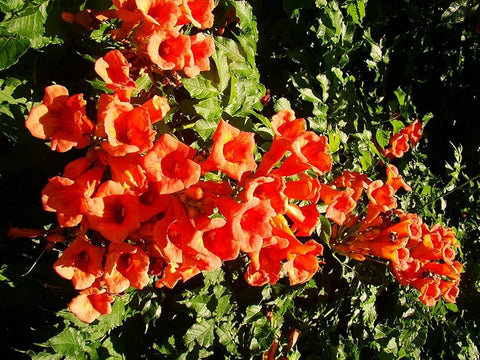 Trumpet Vine (Campsis) Tree: The Bold and Beautiful Climber That Transforms Your Garden into a Vibrant Paradise
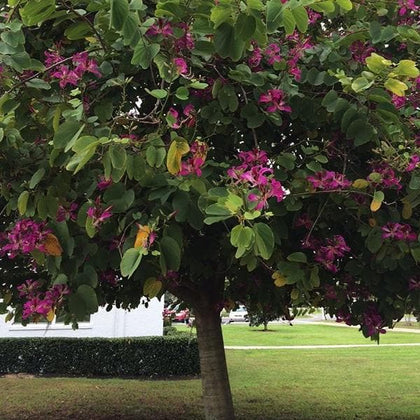 Purple Orchid Tree: The Stunning Beauty and Benefits of This Exotic Gem for Your Garden
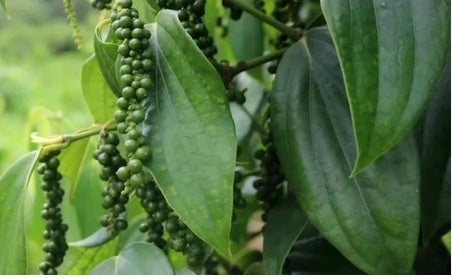 Kali Mirch Tree: Revealing the Spicy Secrets and Incredible Benefits of Natures Black Gold
 Zanzibar Nutmeg Tree: Culinary Secrets & Sustainable Growing
 Snake Bean Tree: Complete Guide to Growing Nature's Hidden Gem


Comments
Leave a comment