
Japanese Holly Tree: The Ultimate Guide to Cultivating This Stunning Evergreen

The Japanese Holly Tree (Ilex crenata) is an East Asian evergreen shrub reaching 5 to 15 feet in height with dense, dark green foliage. It produces small white flowers in late spring and black or blue-black berries in fall, making it suitable for hedges, borders, and specimen plantings. Its adaptability and year-round foliage support sustainable landscaping across varied conditions.
The Japanese Holly Tree (Ilex crenata) stands as one of the most versatile and stunning evergreen shrubs for modern gardens. With its dense, glossy foliage and remarkable adaptability, this East Asian native offers year-round beauty while supporting sustainable landscaping practices. Whether you're creating hedges, borders, or standalone features, this comprehensive guide will help you successfully cultivate and maintain your Japanese Holly Tree for decades of natural splendor.
✅ What Makes the Japanese Holly Tree Special
The Japanese Holly Tree is a member of the Aquifoliaceae family and is native to East Asia, particularly Japan, Korea, and China. It typically grows between 5 to 15 feet tall and can spread up to 10 feet wide, making it an ideal choice for hedges, borders, or standalone specimens.
The tree's dark green, serrated leaves resemble those of the American holly, but they are smaller and less spiny, giving it a softer appearance. This characteristic makes it perfect for creating natural privacy screens without the harsh thorns of traditional holly varieties.
One of the most appealing features of the Japanese Holly Tree is its ability to produce small, inconspicuous white flowers in late spring, which can develop into black or blue-black berries in the fall. While the berries are not edible for humans, they attract various bird species, providing a crucial source of food in winter months.
⭐ Optimal Growing Conditions for Japanese Holly Success
To successfully cultivate the Japanese Holly Tree, understanding its preferred growing conditions is essential. These hardy evergreens thrive when their basic needs are met consistently.
Soil Requirements
Japanese Holly thrives in well-drained, loamy soil that is rich in organic matter. The ideal pH level ranges from 5.5 to 7.0, making it adaptable to most garden conditions. Heavy clay or sandy soils should be amended with compost to improve drainage and nutrient content.
Light Preferences
This tree prefers partial shade to full sun conditions. While it can tolerate full sun, too much direct sunlight may cause leaf scorch, particularly in hotter climates. A location with dappled sunlight or morning sun and afternoon shade provides optimal growing conditions.
Water Needs
Japanese Holly requires consistent moisture, especially during its first few years of growth. Water the tree deeply and regularly, particularly during dry spells. However, avoid overwatering, as this can lead to root rot and other fungal issues.
Temperature Tolerance
This resilient tree is hardy in USDA zones 5 to 9, withstanding temperatures as low as -20°F (-29°C). Select a planting site that provides protection from harsh winds and extreme temperature fluctuations for best results.
→ Step-by-Step Planting Guide
Proper planting technique ensures your Japanese Holly Tree establishes successfully and thrives for years to come. Follow these detailed steps for optimal results.
Timing Your Planting
The best time to plant is in spring or fall when temperatures are moderate and soil moisture is naturally higher. This timing allows the root system to establish before facing summer heat or winter cold stress.
Site Preparation
Choose a location that meets the tree's light and soil requirements. Clear the area of weeds, debris, and competing vegetation that might interfere with establishment.
Planting Process
Dig a hole that is twice as wide and as deep as the root ball to allow roots to spread easily. Gently remove the tree from its container and place it in the center of the hole. Backfill with amended soil, ensuring the root ball remains level with the ground surface.
Water thoroughly after planting to help settle the soil and eliminate air pockets. Apply a 3-inch layer of organic mulch around the base, keeping it several inches away from the trunk to prevent moisture-related issues.
💡 Essential Maintenance Tips for Healthy Growth
Once established, Japanese Holly Trees require minimal maintenance while providing maximum impact. These proven care strategies will keep your evergreen thriving.
Pruning Techniques
Prune the tree in late winter or early spring to maintain its desired shape and encourage bushier growth. Remove any dead, damaged, or crossing branches to promote overall health and air circulation. Light pruning throughout the growing season helps maintain compact form.
Fertilization Schedule
Fertilize with a balanced, slow-release fertilizer in early spring before new growth begins. Follow manufacturer instructions for application rates based on tree size and age. Organic compost applied annually provides additional nutrients and improves soil structure.
Pest and Disease Management
Japanese Holly is generally resistant to pests and diseases, making it low-maintenance for busy gardeners. Monitor for common issues such as scale insects or leaf spot, treating with appropriate organic solutions when detected.
Winter Protection
In colder regions, protect young trees during harsh winters by wrapping the base with burlap or applying extra mulch to insulate the root system. Established trees typically require no winter protection.
🌱 Environmental Impact and Sustainability Benefits
The Japanese Holly Tree plays a vital role in creating sustainable landscapes and supporting local ecosystems. According to the United Nations Sustainable Development Goals, incorporating native and adapted plants like Japanese Holly contributes to biodiversity conservation and climate action.
As an evergreen, it provides year-round cover and habitat for various wildlife species. Its berries serve as a crucial food source for birds, while the dense foliage offers shelter to small mammals and beneficial insects throughout the seasons.
The World Wildlife Fund's forest conservation initiatives emphasize the importance of diverse tree species in maintaining healthy ecosystems. Japanese Holly contributes by improving air quality through carbon dioxide absorption and oxygen release, while its extensive root system helps prevent soil erosion.
⭐ Combating Climate Change Through Collective Action
Organizations like Grow Billion Trees are revolutionizing how we approach environmental restoration. Their mission to plant 100 crore trees across India demonstrates how individual actions contribute to global climate solutions.
When you Plant a tree in your Name through programs like Grow Billion Trees, you're investing in a future where sustainable forestry practices help communities achieve their Net Zero Targets. Their comprehensive approach includes 2-3ft Tree Planting + 3 Years Care + GeoTag technology, ensuring each tree receives proper care and monitoring.
The United Nations Climate Change initiative recognizes that forest restoration and sustainable landscaping practices are essential components of global climate action. By choosing environmentally conscious plants like Japanese Holly and supporting reforestation efforts, gardeners become part of the solution.
🌿 Creative Landscaping Applications
Japanese Holly Trees offer incredible versatility in garden design and landscaping applications. Their compact growth habit and evergreen nature make them perfect for various creative uses.
Hedge and Border Plantings
Create stunning privacy hedges by planting Japanese Holly trees 3-4 feet apart. Their dense growth habit provides excellent screening while maintaining an elegant, refined appearance throughout the year.
Foundation Plantings
Use Japanese Holly as foundation plantings around homes and buildings. Their moderate size and attractive foliage complement architectural features without overwhelming the space or requiring constant pruning.
Container Gardening
These adaptable trees thrive in large containers, making them perfect for patios, decks, and urban gardens. Container growing also allows for easy seasonal repositioning and winter protection in harsh climates.
Further reading: Paraguayan Holly Tree: Nature's Stunning Garden Gem Revealed · Boxwood Tree: The Ultimate Guide to Care, Varieties, and Stunning Landscape Transformations
Frequently Asked Questions
How fast does a Japanese Holly Tree grow?
Japanese Holly Trees typically grow 6-12 inches per year under optimal conditions. Young trees may grow faster with proper care, reaching maturity in 10-15 years. Growth rate depends on soil quality, water availability, and climate conditions.
Can Japanese Holly Trees tolerate drought conditions?
Once established, Japanese Holly Trees show good drought tolerance, though they prefer consistent moisture. During extended dry periods, deep weekly watering helps maintain health and prevents leaf drop or stress symptoms.
What companion plants work well with Japanese Holly?
Excellent companion plants include azaleas, rhododendrons, hostas, and ferns. These shade-tolerant plants share similar soil and moisture requirements while creating attractive layered plantings with varying textures and seasonal interest.
Do Japanese Holly Trees require special winter care?
Established Japanese Holly Trees are quite hardy and typically require no special winter care in zones 5-9. Young trees benefit from mulching and protection from harsh winds during their first few winters.
How often should I fertilize my Japanese Holly Tree?
Fertilize annually in early spring with a balanced, slow-release fertilizer. Avoid over-fertilizing, which can promote excessive soft growth that's more susceptible to winter damage and pest problems.
Can Japanese Holly Trees be shaped through pruning?
Yes, Japanese Holly responds excellently to pruning and shaping. They can be maintained as formal hedges, topiaries, or natural informal shapes. Prune in late winter or early spring for best results.
Are Japanese Holly berries toxic to pets?
Japanese Holly berries can be mildly toxic to pets if consumed in large quantities. While not typically fatal, they may cause digestive upset. Monitor pets around berry-producing plants and consult a veterinarian if ingestion occurs.
What's the difference between Japanese Holly and American Holly?
Japanese Holly has smaller, less spiny leaves and a more compact growth habit compared to American Holly. Japanese Holly is also more adaptable to various growing conditions and easier to maintain in smaller garden spaces.
How do I know if my Japanese Holly Tree is healthy?
Healthy Japanese Holly Trees display vibrant green foliage, steady growth, and good branch structure. Watch for signs of stress including yellowing leaves, sparse growth, or pest infestations that may indicate care adjustments are needed.
Can I propagate Japanese Holly Trees from cuttings?
Yes, Japanese Holly can be propagated from semi-hardwood cuttings taken in late summer. Use rooting hormone and provide consistent moisture and warmth for best success rates. Professional propagation often yields better results for home gardeners.
🌟 Supporting Global Reforestation Efforts
While cultivating your Japanese Holly Tree, consider supporting broader environmental initiatives. Grow Billion Trees offers opportunities to expand your environmental impact beyond your garden through their innovative tree planting programs.
Their mission extends beyond individual plantings to include miyawaki forests, mangrove restoration, and agroforestry programs that benefit entire communities. By participating in these initiatives, you join a global movement working toward sustainable environmental restoration.
Every tree planted contributes to the ambitious goal of planting 1 billion trees by June 2030, creating lasting environmental benefits for future generations. Explore how you can Plant a tree in your Name and become part of this transformative environmental movement.
The Japanese Holly Tree represents more than just an attractive garden addition—it symbolizes our commitment to sustainable living and environmental stewardship. Through proper cultivation and care, these remarkable evergreens provide decades of beauty while supporting local ecosystems and contributing to global climate solutions. Start your Japanese Holly journey today and discover the lasting satisfaction of nurturing these exceptional trees in your own garden sanctuary.
Keep reading
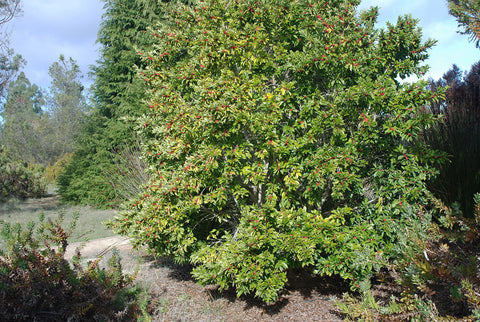 Paraguayan Holly Tree: Nature's Stunning Garden Gem Revealed
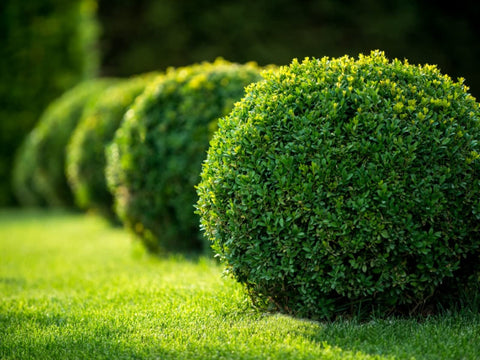 Boxwood Tree: The Ultimate Guide to Care, Varieties, and Stunning Landscape Transformations
 Littleleaf Boxwood Tree: Complete Guide to Growing This Landscape Gem
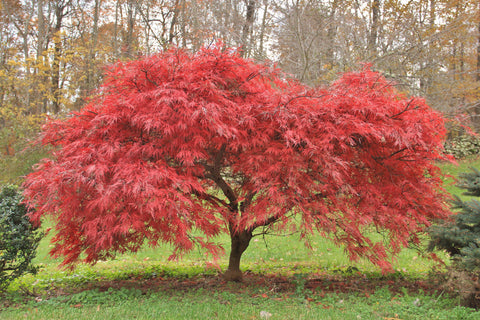 Japanese Maple Tree: Ultimate Guide to Stunning Garden Color
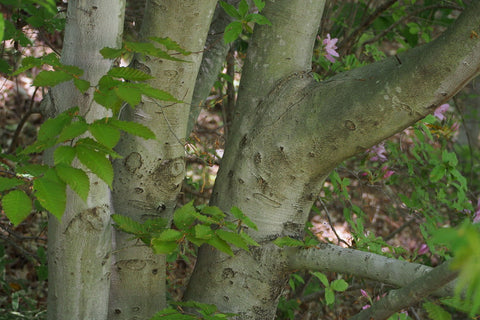 Japanese Beech Tree: Majestic Beauty & Unique Benefits


Leave a comment