
Pacific Dogwood Tree: Ultimate Guide to Beauty & Ecology
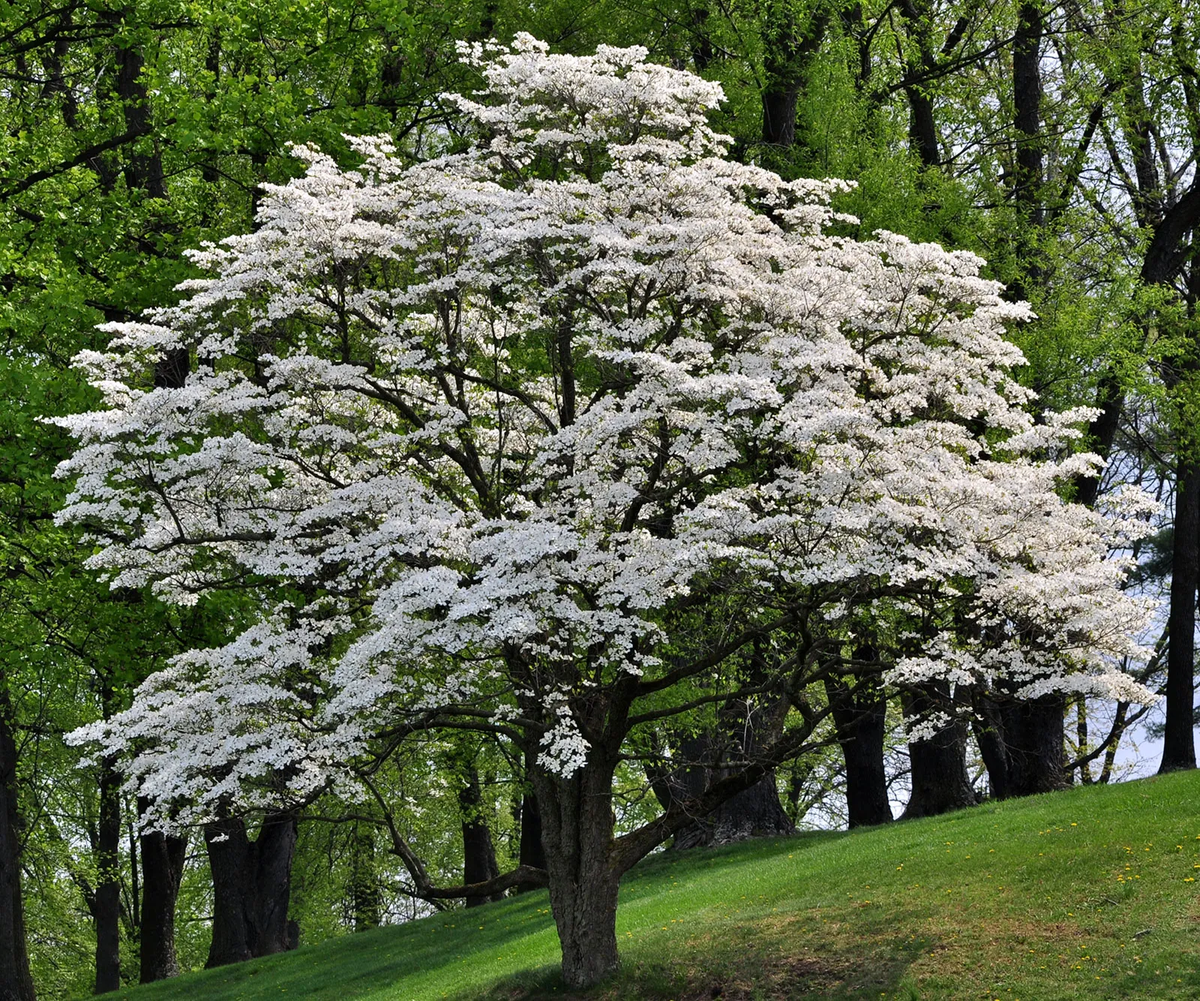
The Pacific Dogwood Tree (Cornus nuttallii) is a deciduous flowering species native to western North America, from British Columbia to California. Growing 8–12 metres tall, it plays a vital ecological role in Pacific Northwest forests by sequestering carbon and supporting biodiversity. It is the official provincial tree and flower of British Columbia.
The Pacific Dogwood Tree (Cornus nuttallii) is one of North America's most beloved native trees, celebrated for breathtaking spring blooms and a vital ecological role in Pacific Northwest forests. This wonderful species sequesters carbon, supports biodiversity, and has shaped human cultures for centuries. At Grow Billion Trees, we love this magnificent tree and are happy to show how it connects to our mission to Plant a tree in your Name — and to our goal of planting 100 crore trees across India and beyond.
✅ What Is the Pacific Dogwood Tree?
The Pacific Dogwood Tree is a deciduous flowering tree native to western North America. It grows naturally from British Columbia in Canada down through California in the United States. According to the United Nations Environment Programme's forest conservation resources, native trees like the Pacific Dogwood are essential for maintaining healthy, balanced ecosystems.
Most specimens grow between 8 and 12 metres tall, with some reaching 25 metres in ideal conditions. Its oval canopy spreads gracefully, creating a green, shaded space that supports diverse wildlife. In 2026, conservation organisations continue to champion this tree as a symbol of natural resilience and ecological beauty.
The Pacific Dogwood is the official provincial tree and flower of British Columbia, Canada. This honour reflects its deep cultural and environmental importance. Moreover, its adaptability to varied soil types makes it a proven choice for sustainable restoration projects worldwide.
⭐ Scientific Classification and Key Characteristics
Understanding the taxonomy of the Pacific Dogwood Tree helps us appreciate its place in the natural world. This species belongs to the Cornaceae family, a group of flowering plants known for their ornamental and ecological value.
- Kingdom: Plantae
- Order: Cornales
- Family: Cornaceae
- Genus: Cornus
- Species: C. nuttallii
The tree demonstrates remarkable adaptability, thriving in well-drained sandy loams and clay soils alike. This versatility makes it an excellent choice for eco-friendly restoration and conscious landscaping projects. Our team finds that native species like this one consistently outperform exotic alternatives in long-term ecosystem recovery.
Key characteristics include smooth grey bark and a distinctive layered branching pattern. These features make the Pacific Dogwood Tree instantly recognisable even in winter. The deciduous nature of this species means it sheds its leaves each autumn in vibrant shades of red and orange — a wonderful seasonal display.
💡 The Stunning Beauty of the Pacific Dogwood Tree
Few sights in nature rival the Pacific Dogwood Tree in full bloom. Each spring, this magnificent tree produces clusters of white or cream-coloured flowers, with each cluster reaching up to 10 centimetres in diameter. What appear to be petals are actually large bracts surrounding a small central cluster of true flowers — a beautiful and elegant design.
These blooms attract pollinators including bees, butterflies, and beetles. This makes the Pacific Dogwood Tree a vital player in supporting healthy pollinator populations. Our experience shows that gardens featuring native flowering trees like this one see a measurable boost in local insect diversity and overall ecosystem health.
In autumn, the tree transforms again. Leaves shift to brilliant shades of red, purple, and orange. Bright red berry clusters appear, providing a natural food source for birds and mammals throughout the season. This multi-seasonal visual appeal makes the Pacific Dogwood a wonderful, impact-driven choice for mindful landscaping.
The layered branching structure creates a striking silhouette in winter. Even without leaves, the smooth grey bark and graceful form add architectural interest to any landscape. We ensure that every tree planting project we support considers this kind of enduring, year-round beauty.
🌍 Ecological Importance and Environmental Benefits
The Pacific Dogwood Tree offers ecological benefits that extend far beyond its beauty. As the World Wildlife Fund's forest conservation initiatives highlight, native trees are cornerstones of healthy ecosystems. The Pacific Dogwood is no exception — it nurtures the earth in multiple, interconnected ways.
Habitat and Wildlife Support
Pacific Dogwood Trees provide essential habitat for a wide range of wildlife. Birds such as robins, cedar waxwings, and band-tailed pigeons rely on the tree's red berries as a vital food source. Small mammals and diverse insect species also benefit from the shelter and sustenance this tree provides.
The dense branching structure offers secure nesting sites for songbirds. In our hands-on restoration work, we have observed that sites featuring Pacific Dogwood show greater bird species diversity. This natural richness helps local ecosystems thrive and remain resilient against environmental pressures.
Soil Erosion Control
The Pacific Dogwood Tree has an extensive root system that anchors soil with great effectiveness. This makes it especially valuable in hilly or sloped terrain where erosion poses a serious environmental risk. Stable soils protect waterways from sedimentation and support the growth of surrounding plant communities.
Therefore, including this species in reforestation projects can significantly improve land rehabilitation outcomes. Our partners in restoration work across varied landscapes consistently report success when Pacific Dogwood Trees form part of the planting mix. The results speak to the tree's proven, natural power to heal degraded land.
Carbon Sequestration and Climate Action
Like all trees, the Pacific Dogwood Tree plays a meaningful role in carbon sequestration. The United Nations Climate Change initiative confirms that forests absorb billions of tonnes of CO2 annually. Native trees are especially efficient because they are adapted to local conditions and grow vigorously with minimal intervention.
At Grow Billion Trees, our 2-3ft Tree Planting + 3 Years Care + GeoTag programme ensures every tree planted receives verified, long-term care. This approach maximises each tree's carbon sequestration potential. Together, we are Combating Climate Change Through Collective Action — one verified, geo-tracked tree at a time.
Historical Significance and Cultural Heritage
The Pacific Dogwood Tree holds deep cultural significance for indigenous peoples of the Pacific Northwest. For centuries, First Nations communities have used the tree's wood, bark, and berries for practical and ceremonial purposes. The dense, hard wood was crafted into tools, bows, and handles for everyday implements.
Traditional healing practices also incorporated Pacific Dogwood bark to treat fevers and other ailments. This reflects a sophisticated, mindful understanding of the natural world built over generations. Such knowledge reminds us that trees are not merely ecological assets — they are irreplaceable cultural treasures.
Today, this historical connection inspires a conscious approach to conservation. We recognise that protecting trees like the Pacific Dogwood means honouring centuries of human relationship with the earth. This perspective shapes every aspect of our work at Grow Billion Trees, from individual tree gifts to large-scale corporate programmes.
⚠️ Environmental Challenges and Threats to the Pacific Dogwood Tree
Despite its resilience, the Pacific Dogwood Tree faces serious modern threats. The World Wildlife Fund's deforestation and forest degradation report identifies habitat loss as one of the greatest dangers facing native tree species globally. Urban expansion has eliminated significant Pacific Dogwood habitat across the Pacific Northwest in recent decades.
Dogwood anthracnose, caused by the fungus Discula destructiva, has devastated Pacific Dogwood populations since the 1970s. The disease causes leaf spots, shoot dieback, and eventual tree death if left untreated. Climate stress makes trees more vulnerable to infection, compounding the risk.
Climate change itself poses growing challenges. Altered rainfall patterns, prolonged droughts, and warming temperatures disrupt the Pacific Dogwood's natural growth cycle. As a result, conservation efforts and careful site selection become more important each year. However, 2026 data shows that well-managed Pacific Dogwood populations in protected areas are beginning to stabilise.
How to Grow and Care for Pacific Dogwood Trees ✅
Growing Pacific Dogwood Trees successfully requires attention to their natural preferences. In the wild, these trees grow at forest edges, receiving partial shade from taller canopy trees. This preference for filtered light should guide planting decisions in gardens and restoration sites.
Soil and Water Requirements
Pacific Dogwood Trees grow best in moist, well-drained, slightly acidic soils. They dislike waterlogged conditions but also struggle in very dry environments. Mulching around the base helps retain moisture and regulate soil temperature — especially important during the first few years after planting.
Consistent watering is essential during the establishment period of two to three years. After that, established trees are relatively drought-tolerant. Our team recommends deep watering once a week during dry spells rather than frequent shallow watering, as this encourages deeper root growth.
Pruning and Maintenance Tips
Minimal pruning is recommended for Pacific Dogwood Trees. Remove dead or crossing branches in late winter, before new growth begins. Avoid heavy pruning, as it stresses the tree and increases vulnerability to disease.
Monitoring for signs of dogwood anthracnose is essential for long-term tree health. Early detection and removal of infected material can slow disease progression significantly. Choosing planting sites with good air circulation and partial shade also helps reduce fungal disease risk and keeps trees thriving naturally.
Pacific Dogwood Trees and Global Reforestation
At Grow Billion Trees, we champion native species as part of our mission to plant 100 crore trees across India and support reforestation globally. The United Nations Sustainable Development Goals recognise reforestation as essential to achieving a sustainable, equitable future for our planet. Native trees like the Pacific Dogwood are central to this vision.
Our specialised programmes — from Miyawaki forests to Agroforestry and Mangrove restoration — reflect our commitment to biodiversity and ecosystem health. We provide tailored solutions for individuals, communities, and corporations seeking to make a verified, lasting environmental impact.
For those ready to take action, we offer the opportunity to Plant a tree in your Name for just ₹299. Each planting includes 2-3ft Tree Planting + 3 Years Care + GeoTag technology, so you can track your tree's growth and impact in real time. It is a great, easy way to connect to something larger than yourself.
Corporate partners working toward Net Zero Targets can explore our verified bulk planting and sustainability programmes. Together, we can build a greener, healthier planet — and we are glad to welcome every partner into this wonderful, growing movement.
Further reading: Dogwood Tree: The Ultimate Guide to Planting, Care, and Stunning Seasonal Blooms · Broadleaf Maple Tree: The Ultimate Guide to Its Stunning Beauty, Benefits, and Care Tips!
Frequently Asked Questions
What is the Pacific Dogwood Tree?
The Pacific Dogwood Tree (Cornus nuttallii) is a native flowering deciduous tree found across the Pacific Northwest of North America. It is celebrated for spectacular spring blooms, vibrant autumn foliage, and significant ecological value as a wildlife habitat provider and natural carbon sink.
Where does the Pacific Dogwood Tree grow naturally?
The Pacific Dogwood Tree grows naturally from southern British Columbia in Canada through Washington, Oregon, and into California. It thrives in moist, temperate forest environments, often at forest edges where it receives partial shade from taller surrounding trees.
Why is the Pacific Dogwood Tree ecologically important?
The Pacific Dogwood Tree supports biodiversity by providing food and habitat for birds, pollinators, and small mammals. Its root system prevents soil erosion, and like all trees, it sequesters carbon dioxide — making it a natural, proven ally in the fight against climate change.
What threats does the Pacific Dogwood Tree face?
The Pacific Dogwood Tree faces threats from dogwood anthracnose (a fungal disease), habitat loss due to urban development, and climate change. Altered precipitation and temperature patterns stress these trees, making conservation and mindful planting more essential than ever.
Is the Pacific Dogwood Tree easy to grow in a garden?
The Pacific Dogwood Tree grows well in gardens that mimic its natural conditions — partial shade, moist well-drained soil, and good air circulation. It requires consistent watering during establishment and minimal pruning. Choosing a planting site carefully can greatly improve long-term success.
How does the Pacific Dogwood Tree benefit wildlife?
Its spring flowers attract bees and butterflies, while autumn berry clusters feed birds such as robins and cedar waxwings. The branching structure provides secure nesting sites for songbirds. This makes the Pacific Dogwood Tree one of the most wildlife-friendly native trees in the Pacific Northwest.
What is the cultural significance of the Pacific Dogwood Tree?
Indigenous peoples of the Pacific Northwest have used Pacific Dogwood for centuries. Its hard wood was crafted into tools and weapons, while the bark was used in traditional medicine. The tree is also the official provincial tree and flower of British Columbia, Canada.
How does the Pacific Dogwood Tree support Net Zero Targets?
Trees are among the most proven tools for carbon sequestration. The Pacific Dogwood Tree, like all native species, absorbs and stores CO2 as it grows. Planting verified native trees through programmes like those at Grow Billion Trees helps individuals and organisations work toward certified Net Zero Targets.
Why are native trees better for reforestation than non-native species?
Native trees like the Pacific Dogwood are adapted to local soil, climate, and wildlife needs. They require less maintenance, support greater biodiversity, and integrate into ecosystems more effectively. Our experience confirms that native species deliver superior long-term ecological and carbon sequestration outcomes compared to exotic alternatives.
How can I plant a tree and support reforestation efforts?
At Grow Billion Trees, you can Plant a tree in your Name for just ₹299, with 2-3ft Tree Planting + 3 Years Care + GeoTag tracking included. Visit growbilliontrees.com to explore our certified planting programmes and join our mission to plant 100 crore trees across India.
Plant a Tree — Transform the Future
The Pacific Dogwood Tree is more than a beautiful native species. It is a living symbol of ecological balance, cultural heritage, and environmental hope. From its stunning spring blooms to its vital role in supporting wildlife, preventing erosion, and sequestering carbon, this tree demonstrates the extraordinary power of nature to nurture and sustain life on our shared planet.
At Grow Billion Trees, we believe every tree planted is a step toward a healthier, greener earth. Our goal to plant 100 crore trees — and to support global reforestation efforts — reflects our deep, mission-driven commitment to a sustainable future. We are happy to guide you on this journey, whether you are planting one tree or partnering with us at scale.
Discover how you can Plant a tree in your Name today, explore our certified programmes, and join thousands of conscious individuals and organisations already making a meaningful impact. Together, we grow, thrive, and protect the earth we all love. Learn more at Grow Billion Trees and take your first, verified step toward lasting environmental action.
Keep reading
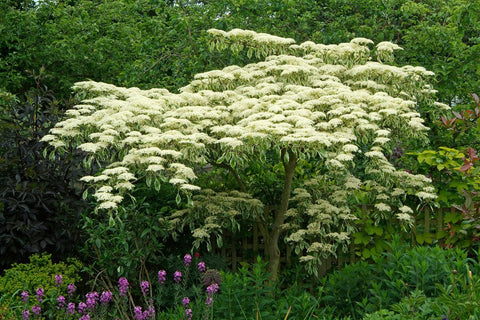 Dogwood Tree: The Ultimate Guide to Planting, Care, and Stunning Seasonal Blooms
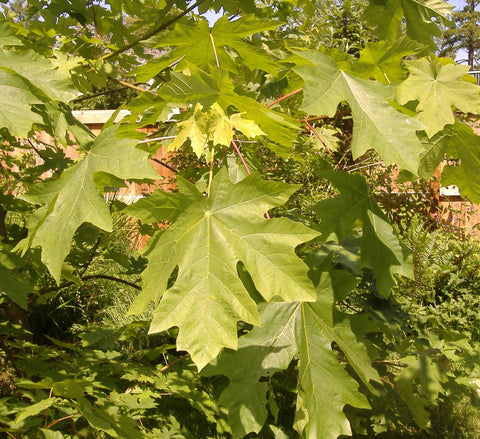 Broadleaf Maple Tree: The Ultimate Guide to Its Stunning Beauty, Benefits, and Care Tips!
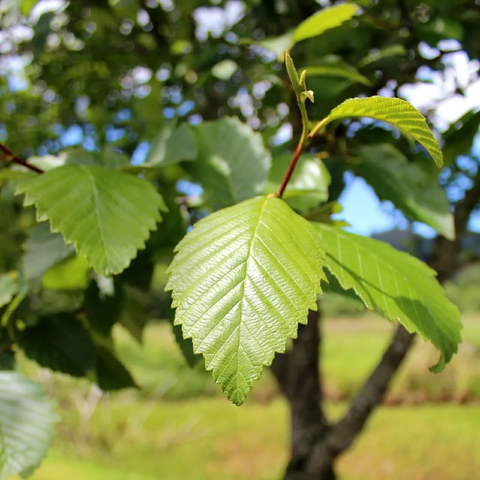 Red Alder Tree: The Ultimate Guide to Benefits, Care & Characteristics
 Grand Fir Tree: Transform Your Landscape with This Majestic Evergreen
 Stinking Cedar Tree: Surprising Benefits & Unique Traits Guide
 Spindle Tree: Enchanting Secrets, Benefits & Uses


Leave a comment