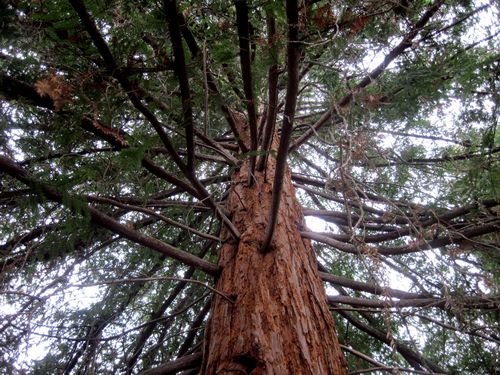
The Coastal Redwood (Sequoia sempervirens) is Earth's tallest living organism, native to Northern California and Southern Oregon. These giants exceed 350 feet in height and possess bark up to 12 inches thick with tannin-based resistance to pests, dis Read more
Trending Tree Plantations - Most Popular Environmental Programs
-
Trees for Birthday Celebration: Plant Meaningful Green Gifts
Regular price ₹ 299Regular priceUnit price per -
Trees for Mother
Regular price ₹ 299Regular priceUnit price per -
Trees as a Gift: Plant Hope & Create Lasting Environmental Impact
Regular price ₹ 299Regular priceUnit price per -
Trees to Honor the Memory of your Loved Ones
Regular price ₹ 299Regular priceUnit price per -
Trees for Women's Day (8th Mar)
Regular price ₹ 299Regular priceUnit price per
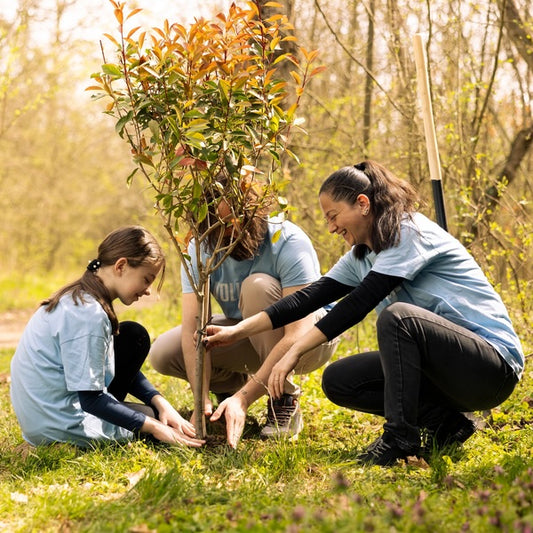

Trees for Corporates - Achieve Net Zero Targets Through Strategic Tree Planting
-
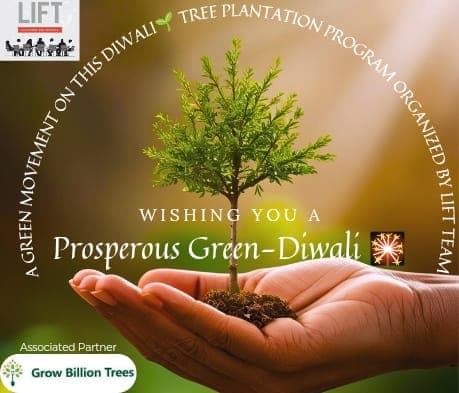 Project Closed
Trees by LIFT Team for Green Diwali: Transform Your Festival
Regular price ₹ 299Regular priceUnit price per -
Trees for a Greener Tomorrow - by Mahindra Lifespaces
Regular price ₹ 299Regular priceUnit price per -
Trees for Environment Day: Plant Your Impact on June 5th
Regular price ₹ 299Regular priceUnit price per -
Trees for Farmers: Sustainable Agroforestry Solutions for 2026
Regular price ₹ 299Regular priceUnit price per -
Trees for Employees: Transform Your Corporate Culture in 2026
Regular price ₹ 299Regular priceUnit price per
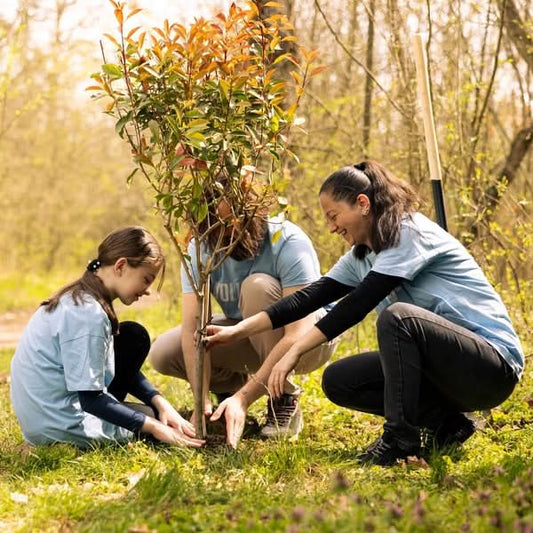

Coastal Redwood Tree: Majestic Giants & Forest Secrets
The Coastal Redwood (Sequoia sempervirens) is Earth's tallest living organism, native to Northern California and Southern Oregon. These giants exceed 350 feet in height and possess bark up to 12 inches thick with tannin-based resistance to pests, disease, and fire. Their evergreen needles photosynthesize year-round, enabling growth rates of up to 2 feet in diameter annually.
The Coastal Redwood tree stands as Earth's tallest living organism, reaching heights over 350 feet while harboring millennia of ecological wisdom. These magnificent conifers, scientifically known as Sequoia sempervirens, serve as nature's skyscrapers and carbon storage champions. Native to Northern California and Southern Oregon's coastal regions, these ancient guardians offer profound insights into forest resilience and climate adaptation.
At Grow Billion Trees, we understand that preserving these towering giants connects directly to our mission of Combating Climate Change Through Collective Action. Through our comprehensive 4ft Tree Planting + 3 Years Care + GeoTag program, we're working toward our goal of 100 crore trees while learning from nature's most successful carbon sequestration experts.
✅ The Extraordinary Biology of Coastal Redwood Trees
Coastal Redwood trees possess remarkable biological adaptations that enable their extraordinary longevity and height. Their bark can reach 12 inches thick, enriched with tannins that provide natural resistance to pests, diseases, and fire damage. These evergreen needles photosynthesize year-round, contributing to their impressive growth rates of up to 2 feet in diameter annually under optimal conditions.
The most fascinating aspect of Coastal Redwood trees lies in their reproductive versatility. Beyond seed propagation, they demonstrate remarkable vegetative reproduction capabilities. New trees can sprout from root systems or trunk bases, creating clonal colonies that can survive for thousands of years. This resilience allows entire groves to regenerate after natural disasters, including forest fires that are integral to their ecosystem.
According to United Nations Environment Programme research on forests, these adaptive mechanisms make redwoods among the most resilient tree species on Earth, capable of thriving in changing environmental conditions.
⭐ Ecological Importance and Carbon Sequestration Power
Coastal Redwood trees create complex ecosystems that support incredible biodiversity. Their dense canopies form unique microclimates supporting diverse plant communities including ferns, shrubs, and understory trees. This vertical forest structure provides habitat for numerous bird species, mammals, and insects, creating intricate food webs essential for ecological balance.
The carbon sequestration capacity of Coastal Redwood trees is truly extraordinary. A mature specimen can sequester over 1,000 tons of carbon dioxide throughout its lifetime, making these giants invaluable allies in climate change mitigation. Their extensive root systems, spreading up to 100 feet from the trunk, stabilize soil and prevent erosion while intercepting rainfall for gradual groundwater absorption.
The United Nations climate change initiatives recognize old-growth forests like redwood groves as critical carbon sinks that must be protected to achieve global climate targets.
💡 Amazing Facts About These Forest Giants
The tallest tree in the world, named Hyperion, is a Coastal Redwood tree discovered in 2006 within California's Redwood National Park. This living skyscraper stands at an astounding 379.7 feet (115.7 meters), equivalent to a 35-story building. The oldest known Coastal Redwood tree has survived over 2,200 years, making it a living witness to centuries of human history and environmental changes.
- Height Champions: Coastal Redwood trees routinely exceed 300 feet, with some specimens reaching 350+ feet
- Growth Rate: Under optimal conditions, they can grow 2 feet in diameter annually
- Fire Resistance: Thick bark insulates against fires, allowing survival and regeneration
- Longevity Records: Some specimens have lived over two millennia
- Clonal Reproduction: Can create genetically identical groves through root sprouting
🌿 Historical Significance and Cultural Heritage
Indigenous tribes including the Yurok and Karuk peoples have revered Coastal Redwood trees for thousands of years. These communities developed sustainable harvesting practices, using redwood lumber for construction, tools, and ceremonial purposes while maintaining forest health. Their traditional ecological knowledge recognized these trees as sacred beings deserving respect and protection.
The 19th century brought European settlers whose lumber demands led to extensive logging operations. This period of intensive harvesting threatened the existence of old-growth redwood forests, reducing their original range by over 95%. The devastating impact sparked early conservation movements that established protective legislation and park systems.
Today, Redwood National and State Parks protect over 139,000 acres of old-growth forests, ensuring these magnificent trees survive for future generations. These protected areas serve as living laboratories for understanding forest ecology and climate adaptation strategies.
→ Environmental Impact and Climate Resilience
Coastal Redwood trees demonstrate remarkable environmental benefits extending far beyond their immediate forest ecosystems. Their extensive root networks create soil stability that prevents erosion along sensitive coastal slopes. The massive canopies intercept fog and rainfall, creating natural water collection systems that recharge groundwater supplies.
These trees excel at atmospheric purification, producing substantial oxygen while absorbing carbon dioxide, particulates, and other pollutants. Their ability to thrive in coastal climates makes them increasingly valuable as climate change intensifies weather pattern variations. Research indicates that redwood forests may expand their range northward as temperatures rise, potentially serving as climate refugia for numerous species.
The World Wildlife Fund's forest conservation initiatives emphasize protecting these ancient forests as essential for maintaining global biodiversity and climate stability.
🌱 Conservation Efforts and Modern Protection Strategies
Contemporary conservation efforts combine scientific research, community engagement, and policy advocacy to protect remaining Coastal Redwood tree populations. Organizations work with local communities, government agencies, and environmental groups to implement comprehensive forest management strategies that balance protection with sustainable use.
Modern conservation approaches include habitat restoration, invasive species management, and climate adaptation planning. Scientists study redwood genetics to understand their resilience mechanisms and identify populations most likely to survive environmental changes. These research insights inform restoration projects and guide protective management decisions.
At Grow Billion Trees, our commitment to environmental restoration aligns with redwood conservation principles. When you Plant a tree in your Name for ₹299, you join a global movement inspired by these ancient giants. Our programs support achieving Net Zero Targets while learning from nature's most successful carbon storage systems.
⚠️ Threats and Challenges Facing Redwood Forests
Despite protection efforts, Coastal Redwood trees face ongoing threats from climate change, development pressure, and invasive species. Rising temperatures and changing precipitation patterns may stress these fog-dependent giants. Coastal development continues to fragment remaining habitat, isolating populations and reducing genetic diversity.
Invasive plant species compete with native understory vegetation, altering forest composition and potentially affecting redwood regeneration. Air pollution from urban areas and industrial sources can impact tree health, while increased wildfire frequency and intensity pose new challenges to forest management.
Addressing these challenges requires coordinated action combining habitat protection, restoration ecology, and climate adaptation strategies. Supporting organizations dedicated to forest conservation helps ensure these magnificent trees continue thriving for future generations.
Frequently Asked Questions
How tall can Coastal Redwood trees grow?
Coastal Redwood trees can reach heights exceeding 350 feet, with the tallest recorded specimen, Hyperion, standing at 379.7 feet. Most mature trees range between 200-300 feet tall, making them the tallest living organisms on Earth.
How long do Coastal Redwood trees live?
Coastal Redwood trees can live over 2,000 years, with some specimens estimated at 2,200+ years old. Their longevity results from thick protective bark, efficient growth patterns, and remarkable regeneration abilities that help them survive natural disasters and environmental changes.
Where do Coastal Redwood trees naturally grow?
Coastal Redwood trees grow naturally in a narrow coastal strip extending from Southern Oregon to Central California. They thrive in the fog belt within 50 miles of the Pacific Ocean, where cool, moist conditions provide optimal growing environments.
How much carbon can a Coastal Redwood tree store?
A mature Coastal Redwood tree can sequester over 1,000 tons of carbon dioxide throughout its lifetime. Old-growth redwood forests store more carbon per acre than any other forest type, making them crucial for climate change mitigation efforts.
Can Coastal Redwood trees survive fires?
Yes, Coastal Redwood trees have evolved remarkable fire resistance through thick bark that can reach 12 inches thick. This bark insulates the living tissue from fire damage, and trees can regenerate from root systems even after severe burns.
How do Coastal Redwood trees reproduce?
Coastal Redwood trees reproduce through both seeds and vegetative sprouting. They can grow new trees from root systems or trunk bases, creating clonal groves. This dual reproduction strategy enhances survival and allows rapid forest regeneration after disturbances.
What animals live in Coastal Redwood forests?
Coastal Redwood forests support diverse wildlife including Roosevelt elk, black bears, mountain lions, spotted owls, marbled murrelets, and numerous songbird species. The complex vertical structure provides habitat niches for mammals, birds, amphibians, and countless invertebrates.
Are Coastal Redwood trees endangered?
While not technically endangered, Coastal Redwood trees face significant conservation concerns. Over 95% of old-growth redwood forests have been logged, leaving only protected remnants. Climate change and habitat fragmentation continue threatening remaining populations.
Can you plant Coastal Redwood trees outside their natural range?
Coastal Redwood trees can be planted outside their natural range but require specific conditions including cool temperatures, high humidity, and protection from extreme weather. They perform best in coastal climates with regular fog or moisture.
How fast do Coastal Redwood trees grow?
Coastal Redwood trees are among the fastest-growing conifers, capable of growing 2+ feet in diameter and 3-5 feet in height annually under optimal conditions. Young trees grow most rapidly, with growth slowing as they reach maturity.
🌍 Join the Global Forest Conservation Movement
The majesty of Coastal Redwood trees reminds us that individual actions can create lasting environmental impact. These ancient giants demonstrate how patient growth and deep roots create resilience that withstands centuries of change. Their success story offers hope and inspiration for our collective climate action efforts.
At Grow Billion Trees, we're committed to Combating Climate Change Through Collective Action by learning from nature's most successful examples. Our mission to plant 100 crore trees draws inspiration from redwood forests' incredible carbon storage capacity and biodiversity support.
When you choose to Plant a tree in your Name, you join thousands of environmental champions working toward Net Zero Targets while creating lasting positive impact. Our comprehensive 4ft Tree Planting + 3 Years Care + GeoTag program ensures your contribution grows into meaningful climate action.
Discover how you can make a difference today. Learn more about our tree planting programs and become part of the solution these magnificent Coastal Redwood trees inspire us to create.
You may also like
-
Gift a Tree - Meaningful Environmental Gifts That Make a Difference
Transform your gift-giving with meaningful environmental gifts that create lasting impact for...
-
Trees For Shiv Ji - Sacred Tree Planting to Honor Lord Shiva
Honor Lord Shiva through sacred tree planting with Trees For Shiv Ji,...
-
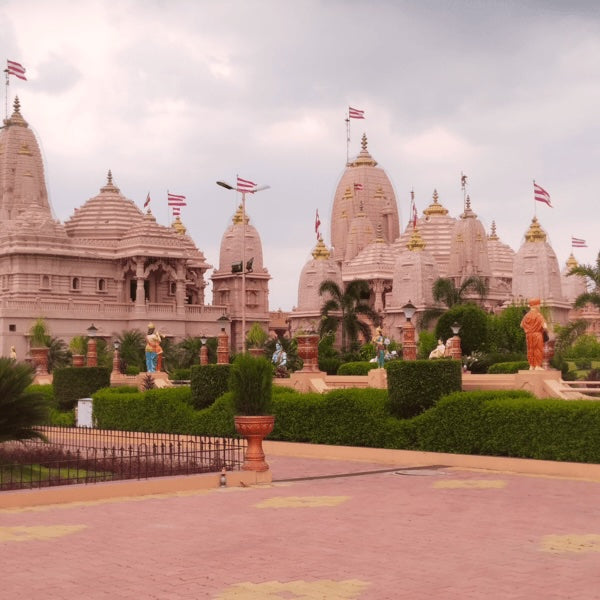
Tree Plantations for Shri Ram - Sacred Devotional Planting Services
Honor Lord Shri Ram through meaningful tree plantations for Shri Ram that...
-
Tree Plantation on Navratri - Celebrate Divine Festivals with Environmental Devotion
Tree plantation on Navratri transforms the sacred nine-day festival into a powerful...
-
Tree Plantation by Cause - Plant Trees for Every Purpose | Grow Billion Trees
Transform your environmental impact with purpose-driven tree plantation by cause programs that...
Corporate Plantations
-
Trees for Corporates - Achieve Net Zero Targets Through Strategic Tree Planting
Trees for Corporates - Strategic Environmental SolutionsTransform your corporate environmental impact with...
-
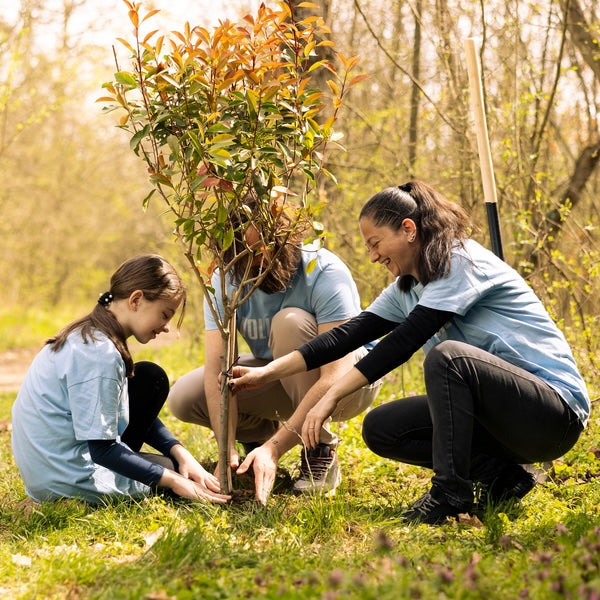
Tree Plantation for CSR - Corporate Environmental Programs | Grow Billion Trees
Tree Plantation for CSR - Transform Your Corporate Environmental ImpactTree plantation for...
-
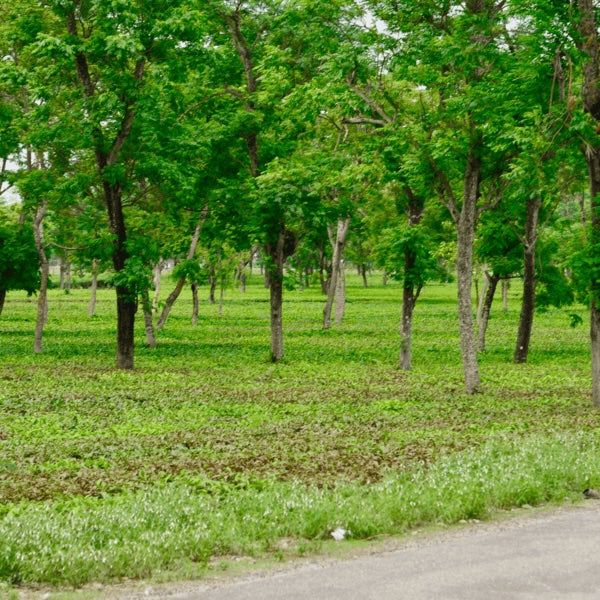
Tree Plantation for SDG - Support Sustainable Development Goals
Tree plantation for SDG initiatives represents a powerful pathway to achieving multiple...
-
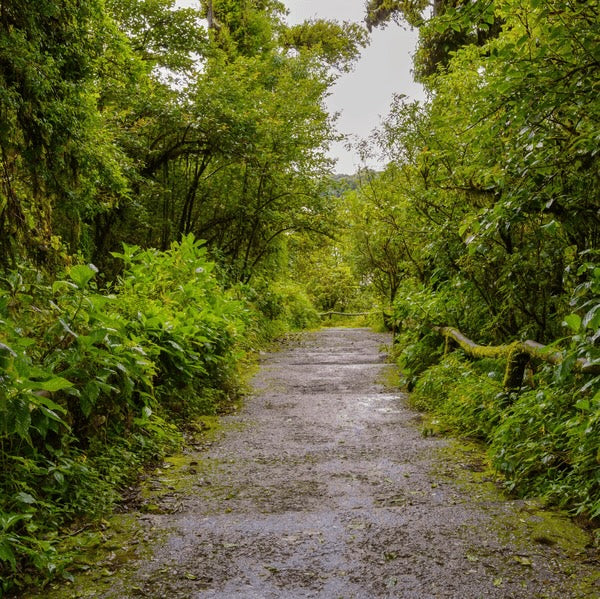
Corporate Tree Plantation Programs - Sustainable ESG Environmental Solutions for Net Zero Targets
Transform your organization's environmental impact with our comprehensive Corporate Tree Plantation Programs...
-
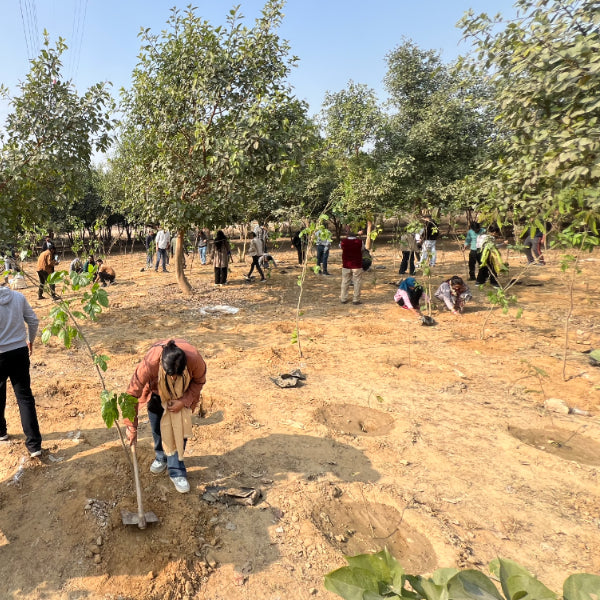
Tree Plantation by Location - Plant Trees Across India
Transform landscapes nationwide through our comprehensive tree plantation by location program. When...
Most Popular Tree Plantations - Top Choices for Environmental Impact
-
Trees for Birthday Celebration: Plant Meaningful Green Gifts
Regular price ₹ 299Regular priceUnit price per -
Trees for Mother
Regular price ₹ 299Regular priceUnit price per -
Trees as a Gift: Plant Hope & Create Lasting Environmental Impact
Regular price ₹ 299Regular priceUnit price per -
Trees to Honor the Memory of your Loved Ones
Regular price ₹ 299Regular priceUnit price per -
Trees for Krishna on Janmashtami - Sacred Divine Gift ₹299
Regular price ₹ 299Regular priceUnit price per

Connect with us
-
👥 Corporates
If you are looking for:
- 🌲 Tree Plantation Events
- 📊 CSR Projects
📧 corporate@growbilliontrees.com
📞 +91 9699723523
💬 +91 9325931304 WhatsApp (Only)
🕒 Mon - Sat | 10am - 7pm IST
-
🧩 Tree Plantation NGOs
If you are looking for:
- 💰 Financial Assistance
- 🤝 Operational Support
📧 support@growbilliontrees.com
📞 +91 9699723523
💬 +91 9325931304 WhatsApp (Only)
🕒 Mon - Sat | 10am - 7pm IST
-
🌼 Individuals
If you are looking for:
- 👥 Group Tree Plantation Drive
- 🌳 Bulk Tree Plantation
📞 +91 9699723523
💬 +91 9325931304 WhatsApp (Only)
🕒 Mon - Sat | 10am - 7pm IST
