


Chinese Tallow Tree: The Controversial Beauty Transforming Landscapes and Ecosystems
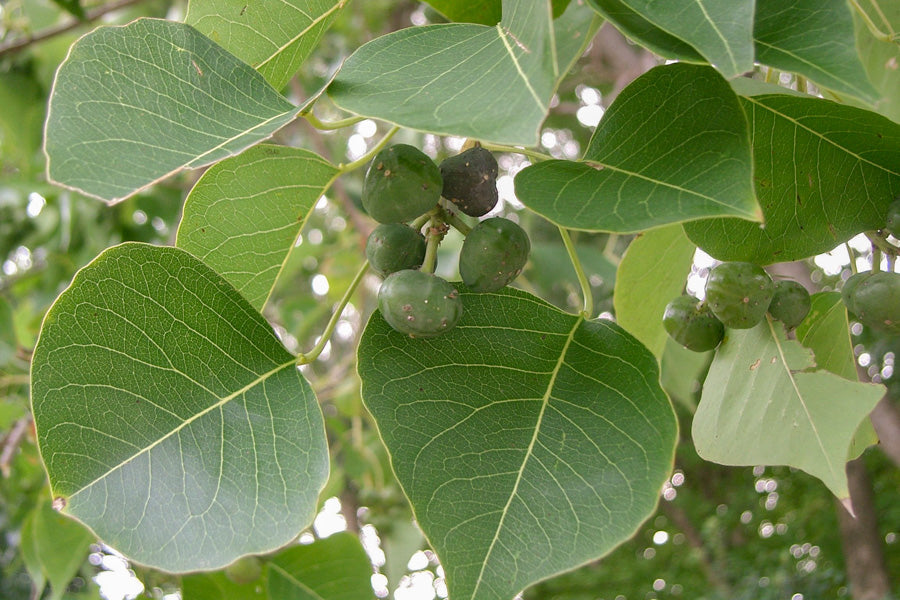
The Chinese Tallow Tree (Triadica sebifera), native to eastern Asia, is a rapidly growing deciduous tree introduced to the United States in the 18th century. While valued for its striking fall foliage and ornamental beauty, it has become controversial due to its invasive nature and harmful ecological impacts on native ecosystems.
The Chinese Tallow Tree, scientifically known as Triadica sebifera, is a deciduous tree native to eastern Asia, particularly China and Taiwan. Introduced to the United States in the 18th century, the tree has gained notoriety for its rapid growth and adaptability.
While it has been celebrated for its ornamental beauty and utility, it has also sparked controversy due to its invasive nature and ecological impacts. In this blog, we delve into the duality of the Chinese Tallow Tree, exploring its aesthetic appeal, environmental consequences, and the efforts of organizations like Grow Billion Trees Partners in managing its spread.
1. The Allure of the Chinese Tallow Tree
The Chinese Tallow Tree is often admired for its striking appearance. With its heart-shaped leaves that turn vibrant shades of yellow, orange, and red in the fall, it adds a splash of color to landscapes. The tree can grow up to 30 feet tall and features a broad, rounded crown, making it a popular choice for parks and gardens. Its small, white flowers bloom in the spring, followed by clusters of seed capsules that resemble popcorn, which can be both visually appealing and a source of intrigue for nature lovers.
2. Historical Context
The introduction of the Chinese Tallow Tree to the United States dates back to the 1700s. Initially, it was brought over for its potential as a source of oil and as an ornamental tree. The seeds of the Chinese Tallow Tree contain a high oil content, which can be extracted and used for various purposes, including soap production and biofuel. However, the tree's rapid growth and ability to thrive in diverse environments soon led to its classification as an invasive species in many regions, particularly in the southeastern United States.
3. Ecological Impact
The ecological impact of the Chinese Tallow Tree is a subject of heated debate among environmentalists and ecologists. While the tree can provide some benefits, such as habitat for certain wildlife and erosion control, its invasive nature poses significant threats to native ecosystems. Here are some key points regarding its ecological impact:
- Displacement of Native Species: The Chinese Tallow Tree can outcompete native plants for resources, leading to a decline in biodiversity. Its dense growth can create monocultures, which disrupt local ecosystems.
- Alteration of Soil Chemistry: The tree's leaf litter can change the soil's nutrient composition, making it less hospitable for native flora. This alteration can have cascading effects on the entire ecosystem.
- Wildlife Habitat: While it provides some habitat, the Chinese Tallow Tree does not support the same diversity of wildlife as native plants, leading to a decline in species that rely on native flora for food and shelter.
According to a study published in the journal Biological Invasions, the Chinese Tallow Tree is one of the top invasive species in the southeastern U.S., particularly in states like Texas and Louisiana. The study highlights the tree's rapid spread and the urgent need for management strategies to mitigate its impact.
4. Fun Facts about the Chinese Tallow Tree
- The seeds of the Chinese Tallow Tree are not only high in oil content but also contain compounds that can be toxic to certain animals, including livestock.
- The tree is often called the "Popcorn Tree" due to its seed capsules that resemble popcorn kernels.
- In some regions, the tree is cultivated for its ability to produce biofuel, which has sparked interest in its potential as a renewable energy source.
5. Management and Control Efforts
Given the Chinese Tallow Tree's invasive status, various organizations and environmental groups are working diligently to manage its spread. One such organization, Grow Billion Trees Partners, plays a crucial role in promoting reforestation and responsible land management in areas affected by invasive species.
Grow Billion Trees Partners: Mission and Impact
Grow Billion Trees Partners is a non-profit organization dedicated to restoring ecosystems and promoting biodiversity through tree planting initiatives. Their mission focuses on the importance of native tree species, which provide essential habitats for local wildlife and support healthy ecosystems. Here’s how they execute and promote their projects in regions affected by the Chinese Tallow Tree:
- Community Engagement: Grow Billion Trees Partners actively engages local communities in their reforestation efforts. They conduct workshops and educational programs to raise awareness about the ecological impacts of invasive species like the Chinese Tallow Tree and the importance of planting native trees.
- Partnerships with Local Organizations: The organization collaborates with local environmental groups, schools, and government agencies to implement tree-planting initiatives. These partnerships help leverage resources and expertise for effective project execution.
- Monitoring and Maintenance: After planting native trees, Grow Billion Trees Partners emphasizes the importance of monitoring and maintaining these new ecosystems. This ensures that the native species thrive and can outcompete invasive species like the Chinese Tallow Tree.
- Research and Data Collection: The organization conducts research to monitor the effectiveness of their reforestation efforts. By collecting data on tree growth, biodiversity, and ecosystem health, they can refine their strategies and share valuable insights with the wider conservation community.
Through their initiatives, Grow Billion Trees Partners aims to create a sustainable future where native species can flourish, and the negative impacts of invasive species like the Chinese Tallow Tree can be mitigated.
6. The Future of the Chinese Tallow Tree
The future of the Chinese Tallow Tree remains uncertain. As it continues to spread across various landscapes, the need for effective management strategies is more pressing than ever. While some may appreciate its beauty and utility, the ecological consequences cannot be ignored. Efforts to control its spread and promote native species are crucial in preserving the integrity of ecosystems.
In recent years, there has been a growing movement toward sustainable land management practices that prioritize the restoration of native habitats. This includes not only the removal of invasive species like the Chinese Tallow Tree but also the active planting of native trees that support local wildlife and contribute to overall ecosystem health.
7. Conclusion
The Chinese Tallow Tree is a prime example of the complexities surrounding introduced species. While it offers aesthetic beauty and potential economic benefits, its invasive nature poses significant challenges to native ecosystems. Organizations like Grow Billion Trees Partners are at the forefront of addressing these challenges, promoting biodiversity, and restoring ecosystems affected by invasive species. As we move forward, it is essential to strike a balance between appreciating the beauty of the Chinese Tallow Tree and recognizing the importance of protecting our native environments.
In summary, the Chinese Tallow Tree serves as a reminder of the delicate interplay between beauty and ecological integrity. By supporting initiatives that prioritize native species and responsible land management, we can work together to create a sustainable future for our landscapes and ecosystems.
For more information on how you can get involved with Grow Billion Trees Partners and support their mission, visit their website and join the movement to reforest our planet!
Further reading: Chinese Pistachio Tree: Complete Growing Guide & Benefits · Tree of Heaven (Maharukh): The Controversial Fast-Growing Giant
Frequently Asked Questions
What is the Chinese Tallow Tree?
The Chinese Tallow Tree, or Triadica sebifera, is a deciduous tree from eastern Asia, known for its rapid growth and striking fall colors. While it’s a feast for the eyes, it also stirs up trouble as an invasive species in the U.S. It's a beauty with a bit of a wild side!
Why is the Chinese Tallow Tree considered invasive?
This tree doesn’t just grow; it flourishes at the expense of native plants. It outcompetes local flora, creating monocultures that disrupt ecosystems. It’s like that one friend who takes over the karaoke machine—fun at first, but soon everyone else is left out of the song!
What are the benefits of the Chinese Tallow Tree?
Beyond its aesthetic appeal, the Chinese Tallow Tree offers some perks, like habitat for certain wildlife and potential biofuel production from its oil-rich seeds. However, these benefits come with a hefty ecological price tag—like finding out that your favorite dessert also has a hidden ingredient you didn’t ask for!
How does the Chinese Tallow Tree affect local ecosystems?
The tree's dense growth can displace native species, alter soil chemistry, and reduce biodiversity. It’s like a party crasher that rearranges the furniture, making it less fun for everyone else. Local wildlife may also suffer, as they rely on native plants for food and shelter.
What are some fun facts about the Chinese Tallow Tree?
This tree is often called the "Popcorn Tree" because its seed capsules look like popcorn kernels. Plus, its seeds are high in oil content, which can be toxic to livestock. So, while it’s a visual treat, it’s not always the best guest at the farm!
How did the Chinese Tallow Tree end up in the U.S.?
Introduced in the 18th century, the Chinese Tallow Tree was initially celebrated for its oil potential and ornamental beauty. But like many good intentions, it spiraled out of control, becoming an ecological headache. It’s a classic case of “you don’t know what you’ve got until it’s gone”—or, in this case, overgrown!
What is Grow Billion Trees Partners?
Grow Billion Trees Partners is a non-profit organization dedicated to restoring ecosystems through tree-planting initiatives. They focus on engaging communities and promoting the importance of native species. Think of them as the eco-warriors fighting against the invasive villain that is the Chinese Tallow Tree!
How does Grow Billion Trees Partners manage invasive species?
They engage local communities, partner with organizations, and emphasize monitoring and maintenance of native trees. Their strategy is like a well-orchestrated heist—carefully planned and executed to ensure that native species thrive while invasive ones take a back seat!
What are the future prospects for the Chinese Tallow Tree?
The future looks a bit murky for the Chinese Tallow Tree. As it continues to spread, the urgency for management strategies grows. While its beauty is undeniable, the ecological consequences are a stark reminder that not all that glitters is gold—some may just be invasive!
Can the Chinese Tallow Tree be beneficial for biofuel?
Yes, the seeds of the Chinese Tallow Tree are high in oil content, making them a potential source for biofuel. However, the tree's invasive nature raises questions about the sustainability of using it as a renewable energy source. It’s a double-edged sword—eco-friendly in theory, but a nightmare in practice!
What can individuals do to help manage the spread of the Chinese Tallow Tree?
Individuals can support organizations like Grow Billion Trees Partners by participating in tree-planting initiatives and raising awareness about invasive species. Every little bit helps, and together, we can ensure that our landscapes flourish with native beauty instead of being overrun by invasive interlopers!
Keep reading
 Chinese Pistachio Tree: Complete Growing Guide & Benefits
 Tree of Heaven (Maharukh): The Controversial Fast-Growing Giant
 Fish Poison Tree: The Hidden Danger Lurking in Nature's Beauty
 Chinese Elm Tree: The Ultimate Guide to Care, Benefits, and Stunning Landscape Transformations!
 Chinese Toon Tree: Nature's Marvelous Superfood Secret


Comments
Leave a comment