
Apple Blossom Tree: The Ultimate Guide to Growing and Caring for Your Stunning Floral Haven
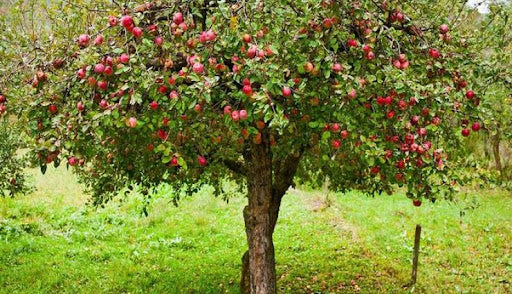
The Apple Blossom Tree (Malus domestica), a Rosaceae family member native to Central Asia, grows up to 30 feet tall and displays white or pink spring blossoms that attract bees and butterflies. Cultivated for thousands of years worldwide, these trees serve dual purposes: ornamental decoration and fruit production.
The Apple Blossom Tree, renowned for its stunning floral display and sweet fragrance, is a favorite among gardeners and nature enthusiasts alike.
This guide will delve into the intricacies of growing and caring for these beautiful trees, while also exploring their historical significance, environmental impact, and how organizations like Grow Billion Trees are working to promote sustainable forestry practices.
Whether you’re a seasoned gardener or a novice, this comprehensive guide will equip you with the knowledge to cultivate your own stunning floral haven.
Understanding the Apple Blossom Tree
The Apple Blossom Tree, scientifically known as Malus domestica, belongs to the Rosaceae family and is primarily cultivated for its delicious fruit and beautiful blossoms.
These trees can grow up to 30 feet tall and are known for their picturesque white or pink flowers that bloom in spring, creating a breathtaking display that attracts pollinators like bees and butterflies. The tree is native to Central Asia but has been cultivated for thousands of years across the globe.
Historical Significance
The history of the Apple Blossom Tree is rich and fascinating. Archaeological evidence suggests that apple cultivation began around 6500 B.C. in Kazakhstan, where wild apples still grow today.
The tree has been revered in various cultures; for instance, in Norse mythology, the goddess Idun was associated with apples, symbolizing youth and immortality. In addition, apples have held a significant place in literature and art, often representing knowledge and temptation, as famously depicted in the biblical story of Adam and Eve.
Botanical Characteristics
Apple trees are deciduous, meaning they shed their leaves annually. The leaves are oval-shaped with serrated edges, and the flowers typically bloom in clusters. The fruit, which varies in size and color, typically matures in late summer to early fall. The tree is hardy in USDA zones 3 to 8, making it suitable for a wide range of climates.
Growing Your Apple Blossom Tree
To cultivate a healthy Apple Blossom Tree, follow these essential steps:
1. Choosing the Right Location
Select a site that receives full sunlight for at least six to eight hours a day. Apple trees thrive in well-drained soil that is rich in organic matter. Avoid areas prone to waterlogging, as excess moisture can lead to root rot.
2. Soil Preparation
Test the soil pH, which should ideally be between 6.0 and 7.0. Amend the soil with compost or well-rotted manure to improve fertility and drainage. Consider adding lime to raise the pH or sulfur to lower it, depending on your soil test results.
3. Planting the Tree
When planting your Apple Blossom Tree, dig a hole that is twice the width of the root ball and just as deep. Place the tree in the center, ensuring that the graft union (where the tree was grafted onto the rootstock) is above soil level. Backfill the hole with soil and water thoroughly.
4. Watering
Water your tree regularly, especially during the first few years as it establishes roots. Aim for deep watering sessions to encourage deep root growth. During dry spells, ensure the tree receives at least an inch of water per week.
5. Fertilization
Fertilize your Apple Blossom Tree in early spring with a balanced fertilizer. Look for formulations that are high in nitrogen for leafy growth and potassium for fruit production. Follow the manufacturer’s instructions for application rates.
6. Pruning
Pruning is essential for maintaining the health and shape of the tree. In late winter or early spring, remove dead, damaged, or crossing branches. Aim to create an open center to allow sunlight to penetrate and air to circulate, reducing the risk of disease.
7. Pest and Disease Management
Apple trees can be susceptible to pests like aphids, spider mites, and codling moths. Regularly inspect your tree for signs of infestation and consider organic pest control methods. Additionally, be vigilant against diseases such as apple scab and powdery mildew. Proper spacing and air circulation can help mitigate these issues.
8. Harvesting
Harvest your apples when they are firm and have developed their full color. The best time to harvest typically falls between late summer and early fall, depending on the variety. Gently twist the fruit to detach it from the tree, taking care not to damage the branches.
Environmental Impact
Apple trees play a vital role in the ecosystem. They provide food and habitat for various wildlife species, including birds and insects. Moreover, they contribute to soil health by preventing erosion and improving soil structure through their root systems. The blossoms are also crucial for pollinators, which are essential for the reproduction of many plants.
In addition to their ecological benefits, apple orchards can positively impact local economies. They create jobs in agriculture, tourism, and food production. The cultivation of apple trees can also promote biodiversity and help combat climate change by sequestering carbon dioxide from the atmosphere.
Grow Billion Trees Initiative
Organizations like Grow Billion Trees are making significant strides in promoting sustainable forestry practices. This initiative aims to plant a billion trees globally, focusing on restoring degraded landscapes and enhancing biodiversity.
In regions where Apple Blossom Trees are cultivated, Grow Billion Trees partners with local communities to educate them about the importance of tree planting and sustainable land management practices.
Through workshops, community events, and educational outreach, Grow Billion Trees empowers individuals to take part in reforestation efforts.
They provide resources, including seedlings and training on proper planting techniques, ensuring that communities can successfully grow and maintain their trees. The initiative not only addresses environmental concerns but also fosters a sense of community and stewardship for the land.
Fun Facts About Apple Trees
- There are over 7,500 varieties of apples grown worldwide, each with unique flavors and textures.
- The world’s largest apple pie was baked in 1992 and weighed over 5,000 pounds!
- Apple trees can live for over 100 years, with some even reaching 200 years in ideal conditions.
- In ancient Greece, apples were associated with love and beauty, often given as gifts to symbolize affection.
- Apples float in water because they are 25% air, making them perfect for games like apple bobbing!
Conclusion
Growing an Apple Blossom Tree can be a rewarding experience, providing not only beautiful blooms and delicious fruit but also contributing positively to the environment.
By following the steps outlined in this guide, you can create a stunning floral haven in your own backyard. Additionally, supporting initiatives like Grow Billion Trees can amplify your impact, helping to restore ecosystems and promote sustainable practices in your community.
As you embark on your journey to grow your Apple Blossom Tree, remember to enjoy the process. The beauty of gardening lies not just in the final product but in the nurturing and care that goes into it. Happy gardening!
Further reading: Rough Barked Apple Tree: Complete Growing Guide for Bountiful Harvest · Java Apple Tree: Unlocking the Secrets to Growing the Perfect Fruit in Your Garden
Frequently Asked Questions
What is the Apple Blossom Tree?
The Apple Blossom Tree, or Malus domestica, is a stunning beauty of the Rosaceae family, known for its delightful blossoms and scrumptious fruit. With its pink and white flowers, it’s a pollinator's paradise and can reach heights of 30 feet. A true showstopper in any garden!
How do I choose the right location for my Apple Blossom Tree?
Location, location, location! Pick a sunny spot that basks in at least six to eight hours of sunlight daily. Ensure the soil is well-drained and rich in organic matter. Remember, soggy roots are a no-go; your tree wants to thrive, not dive!
What’s the best way to prepare the soil for planting?
Soil prep is crucial for success! Test your soil pH; it should be between 6.0 and 7.0. Amp up fertility by mixing in compost or well-rotted manure. Need to tweak the pH? Add lime to raise it or sulfur to lower it. Happy soil, happy tree!
How should I plant my Apple Blossom Tree?
Digging a hole? Make it twice the width of the root ball and just as deep. Position the tree so the graft union is above soil level, then backfill and water thoroughly. Think of it as tucking your tree into a cozy bed for growth!
How often should I water my Apple Blossom Tree?
Watering is an art! During the first few years, give your tree a deep drink regularly, especially during dry spells. Aim for at least an inch of water per week. Think of it as a spa day for your tree; hydration is key!
When should I fertilize my Apple Blossom Tree?
Timing is everything in the fertilizer game! In early spring, treat your tree to a balanced fertilizer rich in nitrogen for leafy growth and potassium for those juicy apples. Follow the application rates on the label—no tree wants to overdo it!
How do I prune my Apple Blossom Tree?
Pruning is like giving your tree a stylish haircut! In late winter or early spring, snip away dead or crossing branches to create an open center. This allows sunlight to dance through and keeps air circulating, reducing disease risk. A well-groomed tree is a happy tree!
What pests should I watch out for with my Apple Blossom Tree?
Keep your eyes peeled for pesky pests like aphids and spider mites! Regular inspections are your best defense. Consider organic pest control methods to keep your tree healthy and thriving. A vigilant gardener is a victorious gardener!
When is the best time to harvest apples?
The apple harvest is a sweet reward! Typically, apples are ready to pick between late summer and early fall. Look for firm fruit that has developed its full color. Gently twist to detach—no need to wrestle with the branches!
What are the environmental benefits of Apple Blossom Trees?
Apple trees are eco-warriors! They provide food and habitat for wildlife and improve soil health through their root systems. Plus, those lovely blossoms are a pollinator’s feast. Planting them also helps combat climate change by sequestering carbon. It’s a win-win for Mother Nature!
How does the Grow Billion Trees initiative help?
The Grow Billion Trees initiative is on a mission to plant a billion trees worldwide! They partner with local communities to educate about sustainable practices and provide resources like seedlings. It’s all about restoring landscapes and fostering a sense of community. Together, we can grow greener!
What fun facts should I know about Apple Trees?
Apple trees are full of surprises! Did you know there are over 7,500 varieties of apples? Or that the world’s largest apple pie weighed over 5,000 pounds? These trees can live for over a century, and apples float in water because they’re 25% air. Who knew gardening could be this fun?
Keep reading
 Rough Barked Apple Tree: Complete Growing Guide for Bountiful Harvest
 Java Apple Tree: Unlocking the Secrets to Growing the Perfect Fruit in Your Garden
 Star Apple Tree: Unlocking the Secrets to Growing and Enjoying This Tropical Treasure
 Ebony Apple Tree: The Ultimate Guide to Growing, Caring for, and Enjoying This Exotic Fruit!
 Mountain Cherry Tree: Discover the Enchanting Beauty and Benefits
 Apple Bear: Nurturing Environmental Resilience


Comments
Leave a comment