
Queensland Blackbutt Tree: Complete Guide to Benefits & Uses
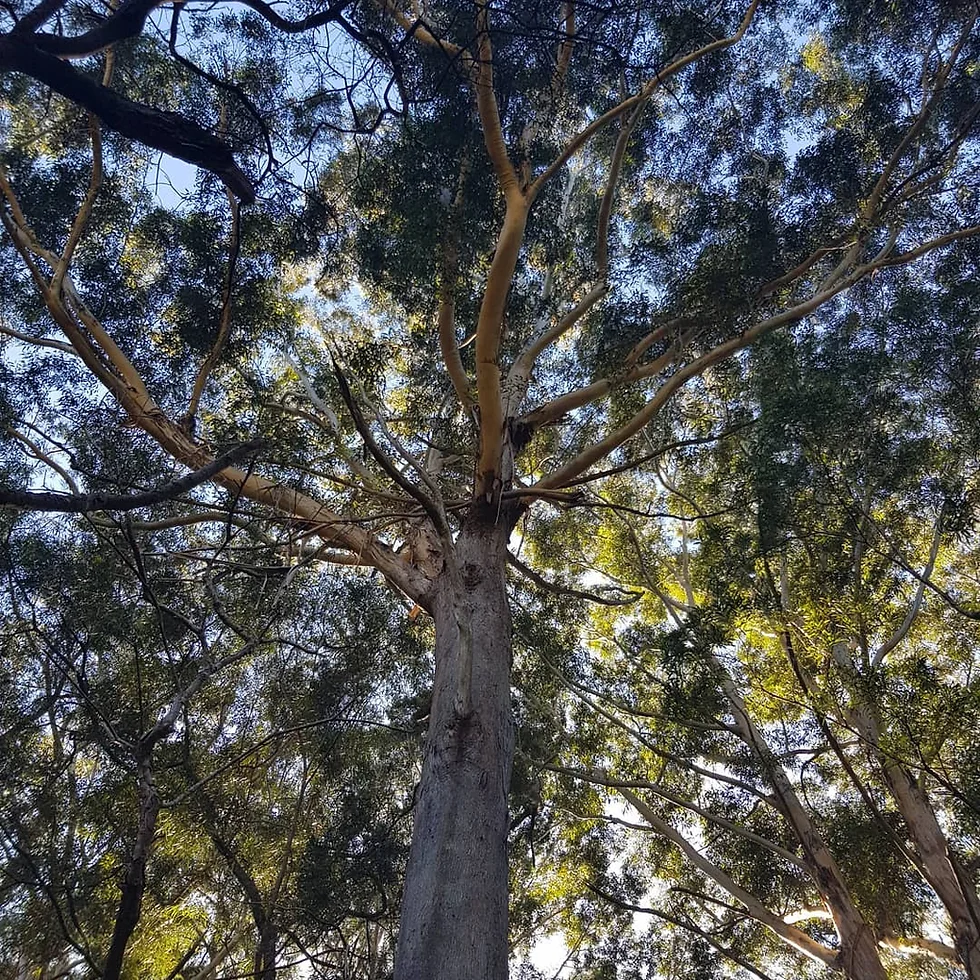
The Queensland Blackbutt tree (Eucalyptus pilularis) is a native Australian species reaching heights of up to 50 meters, valued for sustainable timber and distinctive mottled bark. It provides critical ecosystem services while supporting conservation efforts and economic development, making it an important species for both environmental protection and sustainable resource use across eastern Australia.
The Queensland Blackbutt tree (Eucalyptus pilularis) stands as one of Australia's most remarkable native species, offering exceptional beauty, environmental benefits, and sustainable timber solutions. This majestic eucalyptus species, reaching heights of up to 50 meters, provides critical ecosystem services while supporting both conservation efforts and economic development across Queensland's eastern coast.
For environmentally conscious individuals seeking to make a meaningful impact, understanding the Queensland Blackbutt tree's role in Combating Climate Change Through Collective Action becomes essential. Organizations like Grow Billion Trees are working toward planting 100 crore trees across India, incorporating similar native species to achieve Net Zero Targets through comprehensive reforestation programs.
Physical Characteristics and Natural Beauty ⭐
The Queensland Blackbutt tree displays distinctive physical features that make it instantly recognizable. These towering giants can reach impressive heights of up to 50 meters (164 feet), with trunk diameters expanding to 1.5 meters (4.9 feet). The tree's most striking feature is its smooth, mottled bark that ranges from pale yellow to rich brown tones.
As the Queensland Blackbutt tree matures, its bark naturally peels away in long, elegant strips. This process reveals a beautiful, lighter-colored trunk underneath, creating a stunning visual display. The lance-shaped leaves grow up to 15 centimeters long, displaying vibrant green coloration that contrasts beautifully against the distinctive bark patterns.
During summer months, the tree produces clusters of white to cream-colored flowers. These blooms attract diverse pollinators including native bees, butterflies, and bird species, enhancing the tree's ecological value and natural beauty throughout the landscape.
Ecological Importance and Wildlife Habitat
The Queensland Blackbutt tree serves as a cornerstone species within Australia's eastern coastal ecosystems. Its flowers provide essential nectar sources for numerous bird species and beneficial insects, while the nutrient-rich leaves support koalas and other native herbivores throughout their natural habitat range.
This remarkable tree contributes significantly to soil health through its extensive root system and continuous leaf litter decomposition. The process improves soil structure, enhances fertility, and supports diverse understory plant communities that depend on these nutrient cycling processes.
According to the World Wildlife Fund's forest conservation initiatives, native tree species like the Queensland Blackbutt play crucial roles in maintaining biodiversity and ecosystem stability across their natural ranges.
Scientific Research and Growth Data 💡
Extensive research on Eucalyptus pilularis reveals impressive growth characteristics that make it valuable for both conservation and sustainable forestry applications. Under optimal growing conditions, Queensland Blackbutt trees can achieve growth rates of up to 1 meter (3.3 feet) annually, making them excellent candidates for reforestation projects.
The species demonstrates remarkable resilience to drought conditions and natural fire cycles, characteristics that prove essential for forest regeneration in bushfire-prone regions. This natural adaptation makes Queensland Blackbutt trees particularly valuable for ecosystem restoration efforts following environmental disturbances.
Scientific studies indicate that mature Queensland Blackbutt trees can sequester approximately 50 kilograms (110 pounds) of carbon dioxide annually, contributing significantly to climate change mitigation efforts through natural carbon storage processes.
Timber Benefits and Sustainable Harvesting ✅
Queensland Blackbutt timber ranks among Australia's premium hardwood species, prized for exceptional strength, durability, and natural decay resistance. These qualities make it highly sought after for construction applications, premium flooring installations, and high-end furniture manufacturing.
The timber's versatility extends to architectural features and outdoor decking applications, where its weather resistance and aesthetic appeal provide long-lasting value. Sustainable harvesting practices ensure that Queensland Blackbutt timber remains available while protecting natural forest ecosystems.
Modern forestry operations implement selective logging techniques, comprehensive replanting programs, and biodiversity conservation measures. These approaches align with United Nations Sustainable Development Goals for responsible resource management and environmental protection.
Carbon Sequestration and Climate Benefits
The Queensland Blackbutt tree provides substantial climate benefits through its exceptional carbon sequestration capabilities. As these trees grow, they actively absorb atmospheric carbon dioxide and convert it into stored biomass within their trunk, branches, and root systems.
Research indicates that a mature Queensland Blackbutt tree can sequester approximately 50 kilograms of CO2 annually, making significant contributions to greenhouse gas reduction efforts. This natural carbon storage capacity supports global climate action initiatives and helps organizations achieve their environmental targets.
The United Nations climate change action framework recognizes tree planting and forest conservation as critical strategies for limiting global temperature increases and building climate resilience.
Historical Significance and Cultural Heritage
For thousands of years, the Queensland Blackbutt tree has held deep cultural significance for Indigenous Australian communities. Traditional uses included crafting tools, weapons, and shelter materials from various parts of the tree, demonstrating sustainable resource utilization practices.
The distinctive bark served multiple purposes, including canoe construction and ceremonial applications. These traditional knowledge systems provide valuable insights into sustainable tree management and utilization practices that continue to inform modern conservation approaches.
European settlement in the 19th century brought increased recognition of Queensland Blackbutt's commercial timber value. However, extensive logging operations led to significant population declines, highlighting the importance of implementing sustainable harvesting practices and active conservation programs.
Environmental Impact and Conservation Efforts
The environmental impact of Queensland Blackbutt trees extends beyond their immediate growing areas. Their rapid growth rates and ability to thrive in challenging soil conditions make them excellent candidates for ecosystem restoration and reforestation initiatives.
However, historical over-exploitation for timber production created significant concerns about deforestation and habitat loss. Modern conservation efforts focus on sustainable forestry practices, selective harvesting, and comprehensive replanting programs to ensure species preservation.
Organizations worldwide are implementing similar approaches to tree conservation. For example, Grow Billion Trees offers opportunities to Plant a tree in your Name for just ₹299, including 2-3ft Tree Planting + 3 Years Care + GeoTag tracking technology to monitor growth progress and environmental impact.
Sustainable Uses and Modern Applications
Contemporary sustainable uses of Queensland Blackbutt trees emphasize responsible harvesting practices and innovative applications that maximize environmental benefits. These approaches include selective timber harvesting, value-added processing, and comprehensive waste utilization programs.
Sustainable forestry operations now incorporate advanced planning techniques, biodiversity conservation measures, and community engagement programs. These practices ensure that Queensland Blackbutt trees continue providing economic benefits while maintaining healthy ecosystem functions.
The timber industry has developed certification programs that verify sustainable harvesting practices and responsible forest management. These initiatives support consumer confidence while promoting environmental stewardship throughout the supply chain.
Landscaping and Urban Applications ⭐
Queensland Blackbutt trees offer exceptional value for urban landscaping and park development projects. Their impressive height, distinctive bark patterns, and seasonal flowering displays create stunning visual focal points in both residential and commercial landscapes.
The species' adaptability to various soil types and growing conditions makes it versatile for diverse landscaping applications. Urban planners increasingly recognize the value of incorporating native species like Queensland Blackbutt into city forest programs and green infrastructure development.
These trees provide essential urban ecosystem services including air purification, temperature regulation, and stormwater management. Their presence enhances property values while contributing to community health and environmental quality improvements.
Propagation and Growing Requirements
Successfully growing Queensland Blackbutt trees requires understanding their specific environmental preferences and propagation requirements. These trees thrive in well-drained soils with adequate moisture availability, particularly during establishment periods.
Seed collection and germination techniques have been refined through extensive research and practical experience. Professional nurseries now provide high-quality seedlings that ensure successful establishment in both restoration projects and landscaping applications.
Young Queensland Blackbutt trees benefit from protection during their first growing seasons. Proper site preparation, adequate irrigation, and protection from browsing animals significantly improve survival rates and growth performance.
Economic Value and Market Applications
The economic value of Queensland Blackbutt trees extends across multiple market sectors, from premium timber products to ecosystem services valuation. High-quality timber commands premium prices in both domestic and international markets due to its exceptional properties.
Sustainable timber harvesting operations provide employment opportunities in rural communities while supporting regional economic development. Value-added processing facilities create additional economic benefits through specialized product manufacturing and export opportunities.
The growing recognition of ecosystem services values, including carbon sequestration and biodiversity conservation, creates new economic opportunities for forest landowners and conservation organizations implementing sustainable management practices.
Further reading: Queensland Kauri Tree: Discover Australia's Rainforest Giants · Queensland Maple Tree: Ultimate Guide to Growing This Native Gem
Frequently Asked Questions
How tall do Queensland Blackbutt trees grow?
Queensland Blackbutt trees can reach impressive heights of up to 50 meters (164 feet) at maturity. Under optimal growing conditions, they typically achieve annual growth rates of approximately 1 meter, making them excellent choices for both timber production and landscape applications.
What makes Queensland Blackbutt timber valuable?
Queensland Blackbutt timber is prized for its exceptional strength, durability, and natural decay resistance. These properties make it ideal for construction, premium flooring, furniture manufacturing, and outdoor applications where weather resistance is essential.
How much carbon does a Queensland Blackbutt tree sequester?
A mature Queensland Blackbutt tree can sequester approximately 50 kilograms (110 pounds) of carbon dioxide annually. This significant carbon storage capacity makes these trees valuable contributors to climate change mitigation efforts and carbon offset programs.
Are Queensland Blackbutt trees suitable for urban landscaping?
Yes, Queensland Blackbutt trees are excellent for urban landscaping due to their adaptability to various soil conditions, impressive aesthetic appeal, and valuable ecosystem services. They provide air purification, temperature regulation, and stormwater management benefits in urban environments.
What wildlife species benefit from Queensland Blackbutt trees?
Queensland Blackbutt trees support diverse wildlife including koalas (which feed on the leaves), native birds (which use nectar from flowers), bees, butterflies, and other pollinators. The trees provide essential habitat and food sources throughout their natural range.
How can I support Queensland Blackbutt conservation efforts?
Support conservation through sustainable timber purchasing, participating in tree planting programs, and supporting organizations focused on native forest conservation. Consider planting native species in your local area to contribute to ecosystem restoration efforts.
What are the main threats to Queensland Blackbutt populations?
Primary threats include habitat loss from urban development, unsustainable logging practices, climate change impacts, and bushfire frequency changes. The World Wildlife Fund identifies deforestation as a critical threat to forest ecosystems globally.
Can Queensland Blackbutt trees survive drought conditions?
Yes, Queensland Blackbutt trees demonstrate remarkable drought resilience and fire adaptation, characteristics that make them valuable for ecosystem restoration in challenging environmental conditions. These adaptations support their use in climate-resilient landscaping and reforestation projects.
How long do Queensland Blackbutt trees live?
Queensland Blackbutt trees can live for several hundred years under favorable conditions. Their longevity, combined with their impressive size and ecological value, makes them excellent long-term investments for both environmental and economic benefits.
What role do Queensland Blackbutt trees play in sustainable forestry?
Queensland Blackbutt trees serve as cornerstone species in sustainable forestry operations, providing high-quality timber while supporting biodiversity conservation and ecosystem health. Modern forestry practices emphasize selective harvesting and comprehensive replanting to ensure species sustainability.The Queensland Blackbutt tree represents a perfect example of how native species can provide exceptional environmental, economic, and aesthetic benefits when managed sustainably. From its impressive physical characteristics to its crucial ecological functions, this remarkable eucalyptus species demonstrates the importance of protecting and promoting native tree populations.As we face increasing environmental challenges, supporting reforestation efforts becomes more critical than ever. Organizations like Grow Billion Trees are leading the way by making tree planting accessible and trackable, offering individuals the opportunity to contribute meaningfully to environmental restoration. Discover how you can plant a tree in your name and join the mission to create a more sustainable future through collective environmental action.
Keep reading
 Queensland Kauri Tree: Discover Australia's Rainforest Giants
 Queensland Maple Tree: Ultimate Guide to Growing This Native Gem
 Tallowwood Tree: Ultimate Guide to Benefits, Care & Facts
 Queensland Silver Wattle Tree: Nature's Golden Jewel Unveiled
 Mountain Gum Tree: The Majestic Marvel of Australia's Forests


Leave a comment