
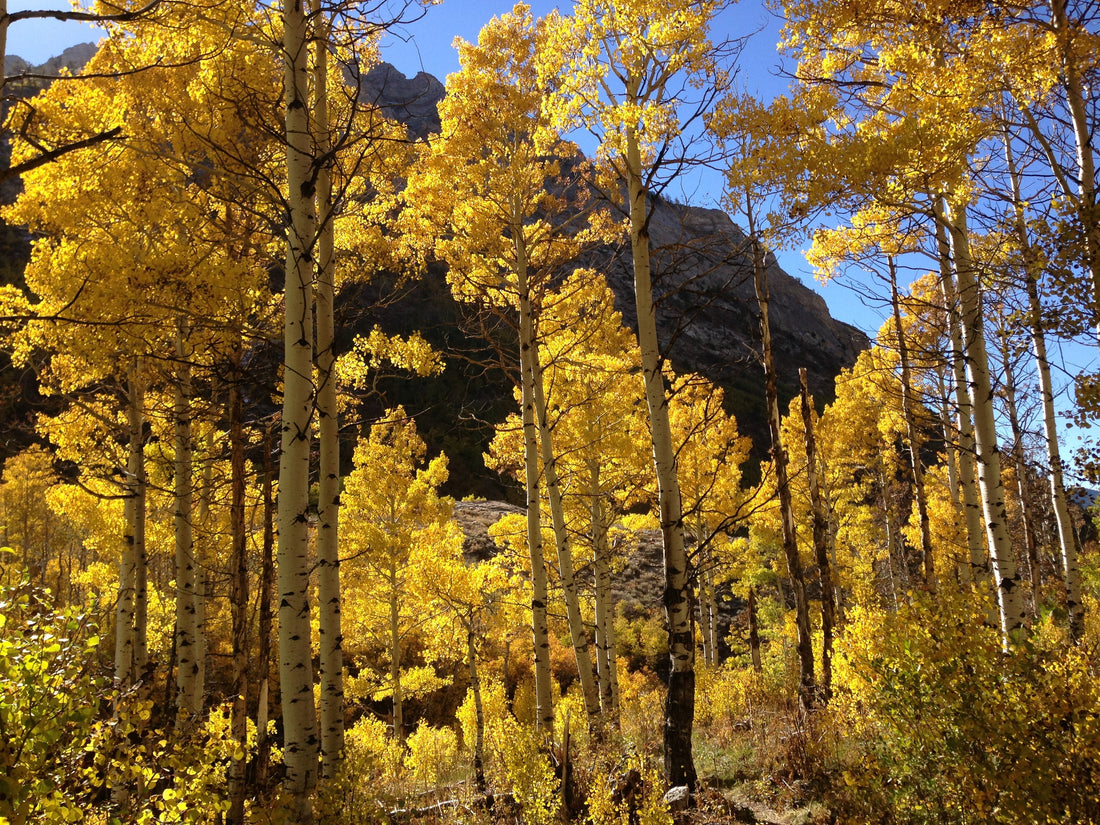
Aspen trees (Populus tremuloides) are deciduous species in the Salicaceae family that grow 20 to 80 feet tall with distinctive round leaves that flutter in wind. A key adaptation is their ability to reproduce through vegetative cloning: when stressed Read more
Trending Tree Plantations - Most Popular Environmental Programs
-
Trees for Birthday Celebration: Plant Meaningful Green Gifts
Regular price ₹ 299Regular priceUnit price per -
Trees for Mother
Regular price ₹ 299Regular priceUnit price per -
Trees as a Gift: Plant Hope & Create Lasting Environmental Impact
Regular price ₹ 299Regular priceUnit price per -
Trees to Honor the Memory of your Loved Ones
Regular price ₹ 299Regular priceUnit price per -
Trees for Women's Day (8th Mar)
Regular price ₹ 299Regular priceUnit price per


Trees for Corporates - Achieve Net Zero Targets Through Strategic Tree Planting
-
 Project Closed
Trees by LIFT Team for Green Diwali: Transform Your Festival
Regular price ₹ 299Regular priceUnit price per -
Trees for a Greener Tomorrow - by Mahindra Lifespaces
Regular price ₹ 299Regular priceUnit price per -
Trees for Environment Day: Plant Your Impact on June 5th
Regular price ₹ 299Regular priceUnit price per -
Trees for Farmers: Sustainable Agroforestry Solutions for 2026
Regular price ₹ 299Regular priceUnit price per -
Trees for Employees: Transform Your Corporate Culture in 2026
Regular price ₹ 299Regular priceUnit price per
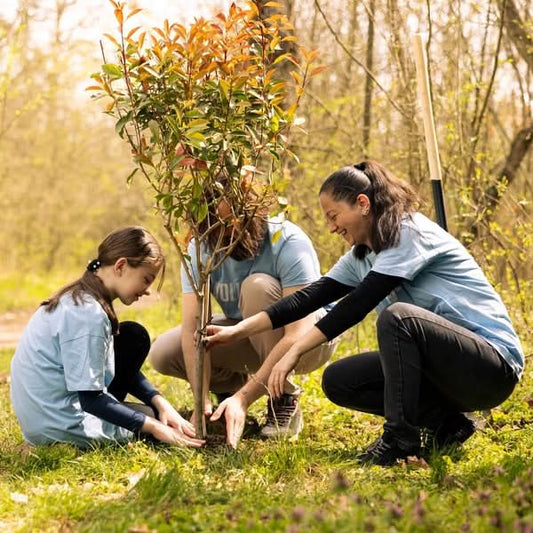
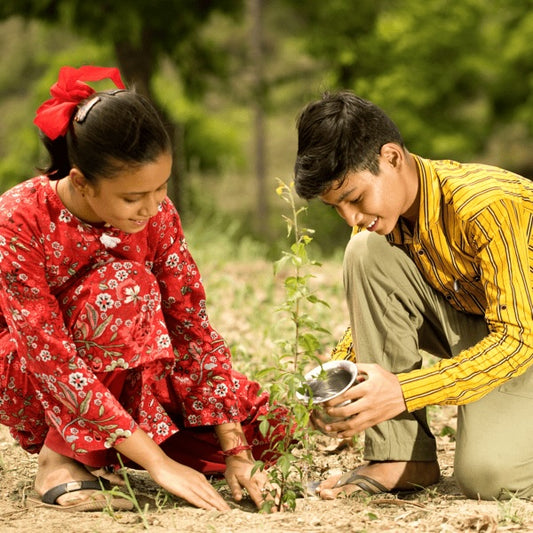


Aspen Tree: Unveiling the Secrets of Nature's Golden Wonder
Aspen trees (Populus tremuloides) are deciduous species in the Salicaceae family that grow 20 to 80 feet tall with distinctive round leaves that flutter in wind. A key adaptation is their ability to reproduce through vegetative cloning: when stressed, they send underground rhizomes that create genetically identical groves called clonal colonies.
Aspen trees, known scientifically as Populus tremuloides, are one of nature’s most fascinating and resilient species.
These trees are not only beautiful but also play a crucial role in our ecosystem. In this blog, we will delve into the secrets of the Aspen tree, exploring its scientific background, environmental impact, historical significance, and some fun facts that will leave you in awe.
Additionally, we will look at how organizations like Grow Billion Trees Partners are working to promote and preserve these magnificent trees in various regions.
Scientific Background
Aspen trees belong to the Salicaceae family, which also includes willows. They are deciduous trees that can grow anywhere from 20 to 80 feet tall, with a trunk diameter of up to 2 feet.
The bark of an Aspen is smooth and greenish-white, which later turns to a pale gray. One of the most distinctive features of the Aspen tree is its leaves, which are round and have a flattened petiole, allowing them to flutter in the wind, creating a shimmering effect that is particularly enchanting in the fall.
Aspens are known for their ability to reproduce through a process called vegetative cloning. When the parent tree is stressed or damaged, it can send out underground rhizomes that sprout new trees.
This phenomenon leads to the formation of large groves of genetically identical trees, often referred to as "clonal colonies." The most famous example is the Pando grove in Utah, which is considered one of the largest living organisms on Earth, covering over 100 acres and estimated to be over 80,000 years old!
Fun Facts About Aspen Trees
- Quaking Leaves: The name "quaking aspen" comes from the way its leaves tremble in the breeze. This unique feature is due to the flattened petioles, which allow the leaves to catch the wind easily.
- Color Change: In autumn, Aspen trees transform into a breathtaking display of vibrant gold and yellow, making them a favorite among photographers and nature lovers.
- Fire Resilience: Aspen trees have a remarkable ability to regenerate after wildfires. Their thick bark protects them from heat, and their extensive root systems allow them to sprout new shoots after the fire has passed.
- Wildlife Habitat: Aspens provide habitat and food for a variety of wildlife, including deer, elk, and numerous bird species. Their leaves and bark are particularly nutritious.
Historical Significance
Aspen trees have played a significant role in the cultures of Indigenous peoples in North America. The bark was traditionally used for making baskets, mats, and even canoes, while the wood was utilized for fuel and building materials. The tree's medicinal properties were also recognized; for instance, the inner bark was used to treat fevers and other ailments.
In addition to their cultural importance, Aspens have been a subject of interest in scientific research. Their ability to thrive in diverse environments makes them an ideal species for studying ecological changes and climate adaptation. Researchers have found that Aspen trees are highly sensitive to environmental changes, making them excellent indicators of ecosystem health.
Environmental Impact
Aspen trees play a vital role in maintaining biodiversity and ecological balance. Their groves provide shelter and food for various wildlife species, contributing to a healthy ecosystem.
Furthermore, Aspens are known for their ability to improve soil quality. Their extensive root systems help prevent soil erosion and promote water retention, which is essential in maintaining the health of the surrounding environment.
Additionally, Aspens are known for their carbon sequestration capabilities. As trees grow, they absorb carbon dioxide from the atmosphere, helping mitigate climate change. A mature Aspen tree can absorb approximately 48 pounds of carbon dioxide per year, making them a valuable ally in our fight against global warming.
However, Aspen populations are facing threats from climate change, pests, and diseases. Warmer temperatures and prolonged droughts can weaken these trees, making them more susceptible to infestations from pests like the mountain pine beetle. Conservation efforts are crucial to ensure the survival of Aspen groves and their associated ecosystems.
Grow Billion Trees Partners: A Commitment to Aspens and Beyond
Organizations like Grow Billion Trees Partners are at the forefront of reforestation and conservation efforts, particularly in regions where Aspen trees thrive. Their mission is to plant and nurture a billion trees worldwide, with a focus on restoring ecosystems and combating climate change.
Grow Billion Trees Partners employs a multi-faceted approach to achieving their goals. They work closely with local communities, governments, and environmental organizations to identify areas that require reforestation. By promoting the planting of native species, including Aspens, they help restore biodiversity and improve ecosystem health.
One of the key strategies employed by Grow Billion Trees Partners is community engagement. They organize tree-planting events, educational workshops, and outreach programs to raise awareness about the importance of trees and the environment. By involving local communities in these projects, they foster a sense of stewardship and responsibility towards nature.
Moreover, Grow Billion Trees Partners utilizes advanced technology to monitor the growth and health of newly planted trees. They employ satellite imagery and drones to assess reforestation efforts, ensuring that the trees are thriving and contributing positively to the ecosystem.
Through their initiatives, Grow Billion Trees Partners not only contribute to the preservation of Aspen trees but also promote sustainable practices that benefit the entire environment. Their commitment to planting trees helps combat climate change, restore habitats, and enhance the overall quality of life for both wildlife and humans.
Conclusion
Aspen trees are a testament to nature's resilience and beauty. From their unique reproductive strategies to their vital role in the ecosystem, these trees are truly a golden wonder of the natural world. As we face increasing environmental challenges, it is essential to recognize the importance of preserving and promoting species like the Aspen.
Organizations like Grow Billion Trees Partners are leading the charge in reforestation efforts, ensuring that future generations can enjoy the beauty and benefits of these magnificent trees. By working together to plant and nurture trees, we can make a significant impact on our planet's health and biodiversity.
So the next time you come across an Aspen grove, take a moment to appreciate the secrets and wonders that these trees hold. They are not just trees; they are a vital part of our ecosystem and a symbol of hope for a sustainable future.
Frequently Asked Questions
What is an Aspen tree?
The Aspen tree, or Populus tremuloides, is a deciduous marvel known for its smooth white bark and stunning golden foliage in the fall. It's not just eye candy; it plays a vital role in ecosystems, supporting wildlife and helping combat climate change.
Why are Aspen trees called keystone species?
Aspen trees are the VIPs of forest ecosystems! They provide habitat and food for a variety of wildlife, including birds, mammals, and insects. Their presence supports biodiversity, making them crucial for maintaining healthy ecosystems.
How tall do Aspen trees grow?
Aspens can reach impressive heights, typically growing between 20 to 80 feet tall. With a trunk diameter of 1 to 3 feet, they stand tall and proud, showcasing their beauty and contributing to the forest canopy.
What unique feature do Aspen leaves have?
Aspen leaves have a party trick: they flutter in the wind thanks to their flattened petioles! This unique structure creates a soothing sound that many find calming, turning a simple tree into a symphony of nature.
How do Aspen trees contribute to soil health?
Aspens are like nature's soil superheroes! Their extensive root systems stabilize the soil, preventing erosion, while their leaf litter enriches the earth with organic matter. They keep the ground healthy and thriving for other plants.
What role do Aspen trees play in carbon sequestration?
Aspens are champions in the fight against climate change! They efficiently sequester carbon dioxide during photosynthesis, storing carbon in their biomass and helping to mitigate greenhouse gas effects. Talk about a green solution!
What are clonal groves?
Clonal groves are Aspen's way of saying, "Why go solo?" These trees can reproduce through extensive root systems, forming large colonies. The famous "Pando" grove in Utah is a prime example, covering over 100 acres and estimated to be over 80,000 years old!
How have Indigenous peoples used Aspen trees?
Indigenous peoples have long appreciated Aspens for their versatility. They used the bark and leaves for medicinal purposes and the wood for crafting tools, furniture, and even canoes. Talk about a tree with a rich history!
What environmental impact do Aspen trees have?
Aspen trees are like nature's first responders! They are often the first to colonize disturbed areas, such as after wildfires, helping to restore ecosystems and promote biodiversity. They’re essential for ecological recovery!
How do Aspen trees help with water conservation?
Aspens are water-saving wizards! Their root systems help retain moisture in the soil, reducing runoff and promoting groundwater recharge. This is vital for maintaining the health of aquatic ecosystems.
What is Grow Billion Trees Partners?
Grow Billion Trees Partners is a conservation initiative focused on reforestation and sustainable forestry practices. They plant trees, including Aspens, to combat climate change and enhance biodiversity. Together, they’re on a mission to green the planet!
How can I get involved with Aspen conservation?
Ready to join the Aspen appreciation club? You can volunteer, donate, or spread the word about local reforestation efforts. Every little action counts in creating a greener, healthier planet for future generations!
You may also like
-

Gift a Tree - Meaningful Environmental Gifts That Make a Difference
Transform your gift-giving with meaningful environmental gifts that create lasting impact for...
-
Trees For Shiv Ji - Sacred Tree Planting to Honor Lord Shiva
Honor Lord Shiva through sacred tree planting with Trees For Shiv Ji,...
-

Tree Plantations for Shri Ram - Sacred Devotional Planting Services
Honor Lord Shri Ram through meaningful tree plantations for Shri Ram that...
-
Tree Plantation on Navratri - Celebrate Divine Festivals with Environmental Devotion
Tree plantation on Navratri transforms the sacred nine-day festival into a powerful...
-
Tree Plantation by Cause - Plant Trees for Every Purpose | Grow Billion Trees
Transform your environmental impact with purpose-driven tree plantation by cause programs that...
Corporate Plantations
-
Trees for Corporates - Achieve Net Zero Targets Through Strategic Tree Planting
Trees for Corporates - Strategic Environmental SolutionsTransform your corporate environmental impact with...
-
Tree Plantation for CSR - Corporate Environmental Programs | Grow Billion Trees
Tree Plantation for CSR - Transform Your Corporate Environmental ImpactTree plantation for...
-
Tree Plantation for SDG - Support Sustainable Development Goals
Tree plantation for SDG initiatives represents a powerful pathway to achieving multiple...
-
Corporate Tree Plantation Programs - Sustainable ESG Environmental Solutions for Net Zero Targets
Transform your organization's environmental impact with our comprehensive Corporate Tree Plantation Programs...
-
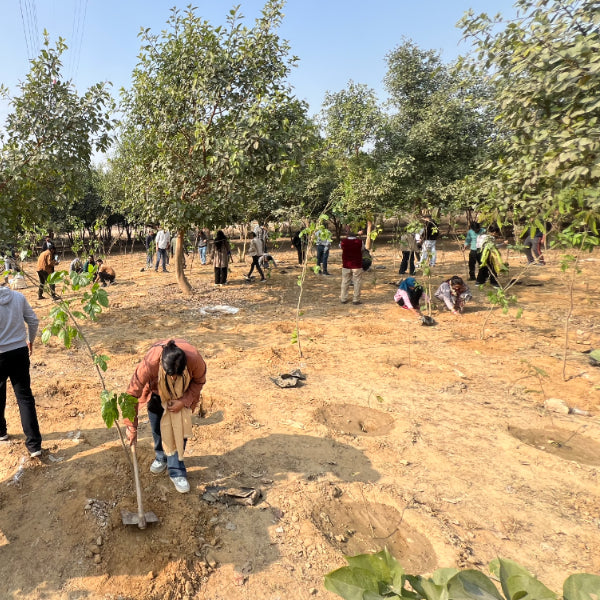
Tree Plantation by Location - Plant Trees Across India
Transform landscapes nationwide through our comprehensive tree plantation by location program. When...
Most Popular Tree Plantations - Top Choices for Environmental Impact
-
Trees for Birthday Celebration: Plant Meaningful Green Gifts
Regular price ₹ 299Regular priceUnit price per -
Trees for Mother
Regular price ₹ 299Regular priceUnit price per -
Trees as a Gift: Plant Hope & Create Lasting Environmental Impact
Regular price ₹ 299Regular priceUnit price per -
Trees to Honor the Memory of your Loved Ones
Regular price ₹ 299Regular priceUnit price per -
Trees for Krishna on Janmashtami - Sacred Divine Gift ₹299
Regular price ₹ 299Regular priceUnit price per

Connect with us
-
👥 Corporates
If you are looking for:
- 🌲 Tree Plantation Events
- 📊 CSR Projects
📧 corporate@growbilliontrees.com
📞 +91 9699723523
💬 +91 9325931304 WhatsApp (Only)
🕒 Mon - Sat | 10am - 7pm IST
-
🧩 Tree Plantation NGOs
If you are looking for:
- 💰 Financial Assistance
- 🤝 Operational Support
📧 support@growbilliontrees.com
📞 +91 9699723523
💬 +91 9325931304 WhatsApp (Only)
🕒 Mon - Sat | 10am - 7pm IST
-
🌼 Individuals
If you are looking for:
- 👥 Group Tree Plantation Drive
- 🌳 Bulk Tree Plantation
📞 +91 9699723523
💬 +91 9325931304 WhatsApp (Only)
🕒 Mon - Sat | 10am - 7pm IST
