
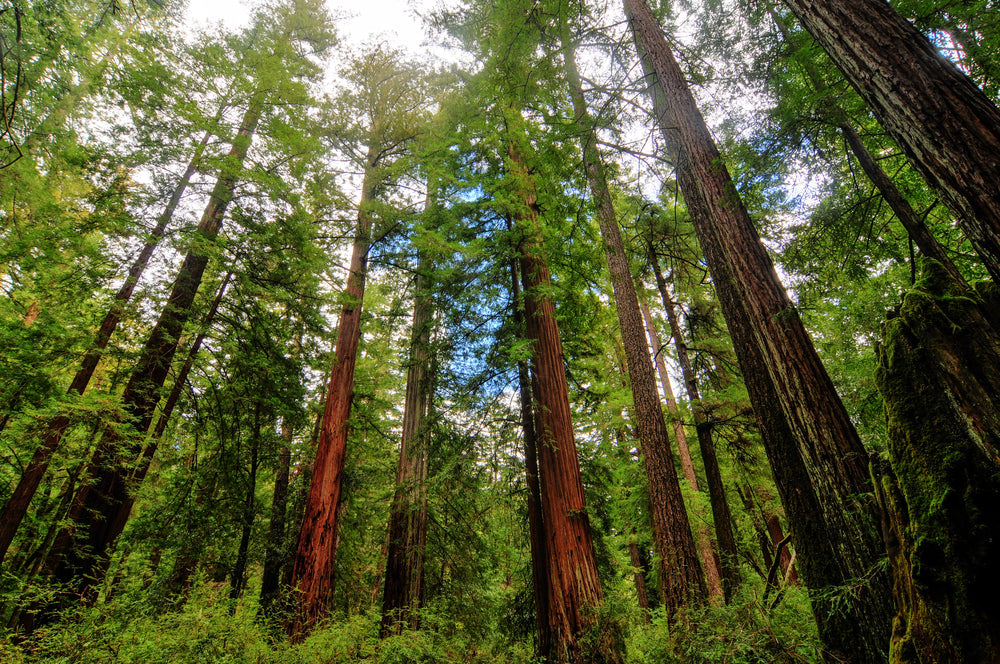
Redwood trees—scientifically Sequoia sempervirens (coast redwoods) and Sequoiadendron giganteum (giant sequoias)—are Earth's tallest and longest-living organisms. Coast redwoods exceed 350 feet; Hyperion, the tallest, reaches 379.7 feet. These trees Read more
Trending Tree Plantations - Most Popular Environmental Programs
-
Trees for Birthday Celebration: Plant Meaningful Green Gifts
Regular price ₹ 299Regular priceUnit price per -
Trees for Mother
Regular price ₹ 299Regular priceUnit price per -
Trees as a Gift: Plant Hope & Create Lasting Environmental Impact
Regular price ₹ 299Regular priceUnit price per -
Trees to Honor the Memory of your Loved Ones
Regular price ₹ 299Regular priceUnit price per -
Trees for Women's Day (8th Mar)
Regular price ₹ 299Regular priceUnit price per


Trees for Corporates - Achieve Net Zero Targets Through Strategic Tree Planting
-
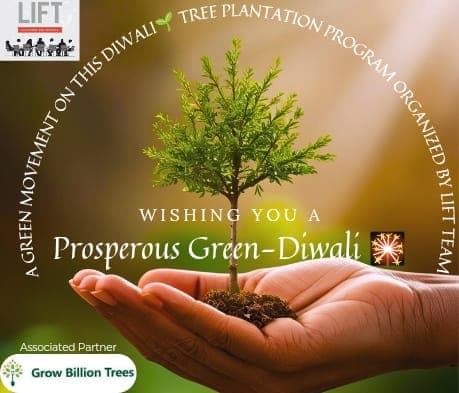 Project Closed
Trees by LIFT Team for Green Diwali: Transform Your Festival
Regular price ₹ 299Regular priceUnit price per -
Trees for a Greener Tomorrow - by Mahindra Lifespaces
Regular price ₹ 299Regular priceUnit price per -
Trees for Environment Day: Plant Your Impact on June 5th
Regular price ₹ 299Regular priceUnit price per -
Trees for Farmers: Sustainable Agroforestry Solutions for 2026
Regular price ₹ 299Regular priceUnit price per -
Trees for Employees: Transform Your Corporate Culture in 2026
Regular price ₹ 299Regular priceUnit price per

Redwood Tree: Discover the Secrets of Nature's Majestic Giants
Redwood trees—scientifically Sequoia sempervirens (coast redwoods) and Sequoiadendron giganteum (giant sequoias)—are Earth's tallest and longest-living organisms. Coast redwoods exceed 350 feet; Hyperion, the tallest, reaches 379.7 feet. These trees survive over 2,000 years with bark 12 inches thick, providing natural fire resistance that allows them to thrive in fire-prone ecosystems.
Redwood trees, towering giants of the forest, are among the oldest and tallest living organisms on Earth.
These magnificent trees, primarily found along the Pacific coast of the United States, particularly in California, have captivated the hearts and minds of nature enthusiasts, scientists, and casual visitors alike.
In this blog, we will explore the wonders of redwood trees, uncovering their secrets, historical significance, environmental impact, and the ongoing efforts to protect and promote these majestic giants.
The Science of Redwoods
Redwood trees, scientifically known as Sequoiadendron giganteum (giant sequoias) and Sequoia sempervirens (coast redwoods), are remarkable for their size and longevity. Coast redwoods can reach heights of over 350 feet, making them the tallest trees on the planet.
The tallest known living tree, named Hyperion, stands at an astonishing height of 379.7 feet. These trees can live for more than 2,000 years, with some specimens estimated to be over 3,000 years old.
One of the most fascinating aspects of redwood trees is their unique bark, which can be up to 12 inches thick. This thick, fibrous bark is rich in tannins, providing a natural resistance to pests, diseases, and even fire. In fact, redwoods are adapted to survive in fire-prone environments. Their ability to withstand fire allows them to thrive in ecosystems where other species may struggle.
Fun Facts About Redwood Trees
- Redwoods are part of the Cupressaceae family, which also includes cypress and juniper trees.
- Their cones are small, measuring only about 1 to 2 inches in length, and can take up to 18 months to mature.
- Redwoods can produce seeds that are as tiny as a grain of rice, with each tree capable of producing thousands of seeds each year.
- Despite their massive size, redwoods have a shallow root system that spreads out over a large area, allowing them to absorb water and nutrients efficiently.
- Redwood forests provide habitat for diverse wildlife, including the endangered marbled murrelet and the northern spotted owl.
A Historical Perspective
The history of redwood trees is as rich as their bark. Native American tribes, such as the Yurok, Karuk, and Hupa, have revered these trees for centuries, using them for various purposes, including shelter, canoes, and ceremonial items. European settlers first encountered redwoods in the mid-19th century, and their awe-inspiring stature quickly led to their exploitation for timber. The logging industry boomed, leading to significant deforestation and the near extinction of these ancient giants.
In response to the rapid decline of redwood forests, conservation efforts began in the early 20th century. In 1908, President Theodore Roosevelt established the first national park dedicated to protecting the redwoods, the Sequoia National Park. Today, several parks, including Redwood National and State Parks, serve to protect these magnificent trees and their ecosystems.
Environmental Impact of Redwood Trees
Redwood trees play a crucial role in their ecosystems and the environment at large. Their towering presence provides habitat for numerous species, while their expansive root systems help stabilize soil and prevent erosion. Moreover, redwoods are significant carbon sinks, sequestering large amounts of carbon dioxide from the atmosphere, which is vital in combating climate change.
Research shows that a mature redwood can absorb over 100 tons of carbon dioxide during its lifetime. This carbon storage capability is particularly important in the context of global warming, as forests are essential in mitigating the effects of climate change. By protecting and preserving redwood forests, we are not only safeguarding these ancient trees but also contributing to a healthier planet.
Conservation Efforts and the Role of Grow Billion Trees Partners
As awareness of the importance of redwood trees and their ecosystems has grown, various organizations and initiatives have emerged to promote conservation efforts. One notable initiative is the collaboration between Grow Billion Trees Partners, a global reforestation initiative, and local conservation groups in California.
Grow Billion Trees Partners aims to plant and restore billions of trees worldwide to combat climate change, enhance biodiversity, and promote sustainable land use. In the redwood region, they work closely with local organizations to execute and promote projects that focus on reforestation, habitat restoration, and community education.
Through strategic partnerships, Grow Billion Trees Partners engages with local communities, schools, and volunteers to plant redwood seedlings and restore degraded areas within redwood forests. These initiatives not only help replenish the redwood population but also foster a sense of stewardship among community members, encouraging them to take an active role in preserving their natural heritage.
Moreover, Grow Billion Trees Partners emphasizes the importance of education and awareness. By organizing workshops, guided tours, and educational programs, they aim to inspire the next generation to appreciate and protect these majestic giants. Through these efforts, they hope to instill a sense of responsibility towards the environment and promote sustainable practices that benefit both people and nature.
The Future of Redwood Trees
As we look to the future, the fate of redwood trees hangs in the balance. Climate change, invasive species, and urban development pose significant threats to these ancient giants. However, through concerted conservation efforts and community engagement, there is hope for the continued survival of redwood forests.
By supporting organizations like Grow Billion Trees Partners and participating in local reforestation initiatives, individuals can play a vital role in preserving the legacy of redwood trees for future generations. Whether through volunteering, donating, or simply spreading awareness about the importance of these majestic giants, every action counts.
In conclusion, redwood trees are not just remarkable natural wonders; they are symbols of resilience, beauty, and the intricate web of life that exists in our forests. By understanding their significance and supporting conservation efforts, we can ensure that these majestic giants continue to inspire awe and wonder for generations to come.
Final Thoughts
Exploring the redwood forests is an experience like no other. The towering trees, the rich biodiversity, and the serene atmosphere create a sense of peace and connection with nature. As we continue to unravel the secrets of these majestic giants, let us remember our responsibility to protect and preserve them.
After all, the redwoods are not just trees; they are living testaments to the beauty and complexity of the natural world.
So, the next time you find yourself in the presence of a redwood tree, take a moment to appreciate its grandeur and the countless stories it has to tell. Together, we can ensure that these wonders of nature remain a vital part of our planet’s legacy.
For more information on how you can get involved in reforestation efforts and support the preservation of redwood trees, visit the Grow Billion Trees Partners website and learn about ongoing projects in your area.
Frequently Asked Questions
What are redwood trees?
Redwood trees, the towering titans of the forest, are the tallest living organisms on Earth, primarily found along California’s Pacific coast. Known scientifically as Sequoiadendron giganteum and Sequoia sempervirens, these majestic giants can soar over 350 feet high and live for over 2,000 years, making them the ancient custodians of our planet's history.
How tall can redwood trees grow?
Redwood trees can reach astonishing heights, with coast redwoods often exceeding 350 feet. The tallest known living tree, Hyperion, measures a jaw-dropping 379.7 feet! Imagine standing next to one of these giants; you might just feel like a tiny ant in comparison, marveling at nature’s architectural wonders reaching for the sky.
Why is redwood bark special?
The bark of redwood trees is not just for show; it can be up to 12 inches thick! This fibrous armor is rich in tannins, making it resistant to pests, diseases, and even fire. It’s like nature’s very own superhero suit, allowing redwoods to thrive in fire-prone environments while other trees might run for cover!
How do redwoods reproduce?
Redwoods have a unique reproductive strategy: their cones are small, about 1 to 2 inches long, and take up to 18 months to mature. Each tree can produce thousands of seeds annually, tiny enough to fit on a grain of rice. Talk about a prolific parent! It’s like they’re throwing a seed party every year.
What is the historical significance of redwoods?
Redwood trees have a rich history intertwined with Native American cultures, who revered them for shelter and ceremonial uses. Unfortunately, European settlers fell in love with their timber, leading to mass deforestation. Thankfully, conservation efforts began in the early 20th century, ensuring these ancient giants wouldn’t vanish from our planet’s landscape.
What role do redwoods play in the ecosystem?
Redwoods are crucial players in their ecosystems, providing habitat for diverse wildlife and stabilizing soil with their expansive root systems. They’re also significant carbon sinks, absorbing over 100 tons of CO2 during their lifetimes. So, when you think of redwoods, think of them as the planet’s natural air purifiers, working hard to combat climate change!
What are the conservation efforts for redwoods?
Various organizations, including Grow Billion Trees Partners, are dedicated to preserving redwood forests. They focus on reforestation, habitat restoration, and community education. By engaging local communities and volunteers, they’re planting redwood seedlings and fostering stewardship, ensuring that future generations can enjoy these magnificent giants as much as we do today.
How can I get involved in redwood conservation?
Getting involved in redwood conservation is easier than you think! You can volunteer for local reforestation initiatives, donate to organizations like Grow Billion Trees Partners, or simply spread the word about the importance of these majestic trees. Every little action counts, so rally your friends and family to join the cause—nature will thank you!
What threats do redwood trees face?
Despite their grandeur, redwood trees face significant threats from climate change, invasive species, and urban development. These challenges put their survival at risk, but with concerted conservation efforts and community engagement, there’s hope for these ancient giants. It’s a team effort, and every advocate counts in this battle against the odds.
How do redwoods contribute to combating climate change?
Redwoods are nature’s heavyweight champions when it comes to carbon storage. A mature redwood can absorb over 100 tons of CO2 during its lifetime, acting as a vital ally in the fight against climate change. By protecting these trees, we’re not just saving a species; we’re investing in a healthier planet for all.
What makes redwood forests a unique experience?
Visiting redwood forests is like stepping into a living cathedral. The towering trees, rich biodiversity, and serene atmosphere create a magical connection with nature. Whether you’re hiking, picnicking, or simply soaking in the beauty, these forests offer an unforgettable experience that leaves you feeling small yet profoundly connected to the natural world.
You may also like
-
Gift a Tree - Meaningful Environmental Gifts That Make a Difference
Transform your gift-giving with meaningful environmental gifts that create lasting impact for...
-
Trees For Shiv Ji - Sacred Tree Planting to Honor Lord Shiva
Honor Lord Shiva through sacred tree planting with Trees For Shiv Ji,...
-

Tree Plantations for Shri Ram - Sacred Devotional Planting Services
Honor Lord Shri Ram through meaningful tree plantations for Shri Ram that...
-
Tree Plantation on Navratri - Celebrate Divine Festivals with Environmental Devotion
Tree plantation on Navratri transforms the sacred nine-day festival into a powerful...
-
Tree Plantation by Cause - Plant Trees for Every Purpose | Grow Billion Trees
Transform your environmental impact with purpose-driven tree plantation by cause programs that...
Corporate Plantations
-
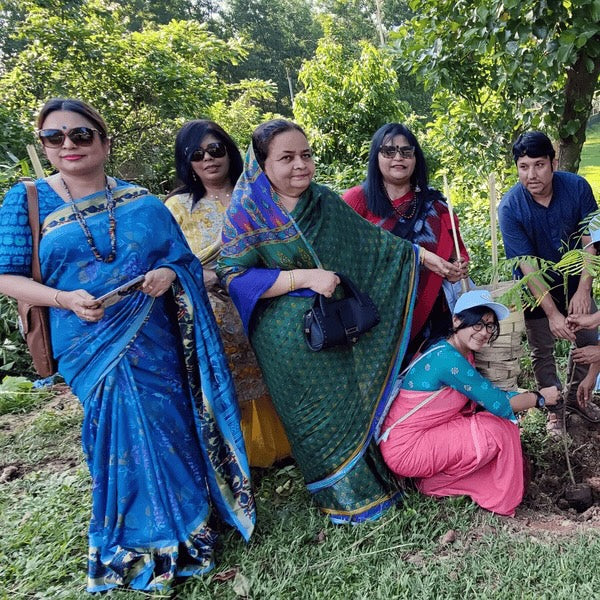
Trees for Corporates - Achieve Net Zero Targets Through Strategic Tree Planting
Trees for Corporates - Strategic Environmental SolutionsTransform your corporate environmental impact with...
-
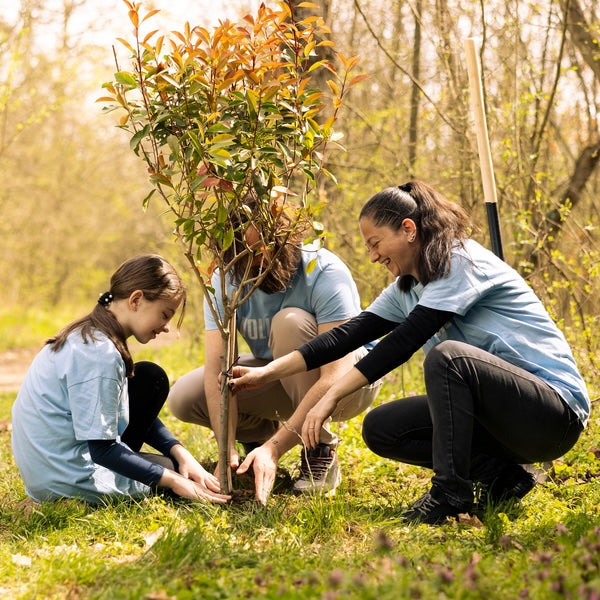
Tree Plantation for CSR - Corporate Environmental Programs | Grow Billion Trees
Tree Plantation for CSR - Transform Your Corporate Environmental ImpactTree plantation for...
-
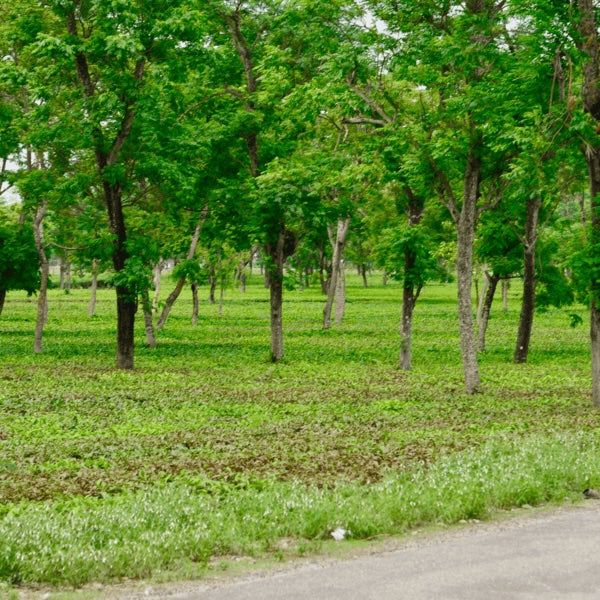
Tree Plantation for SDG - Support Sustainable Development Goals
Tree plantation for SDG initiatives represents a powerful pathway to achieving multiple...
-
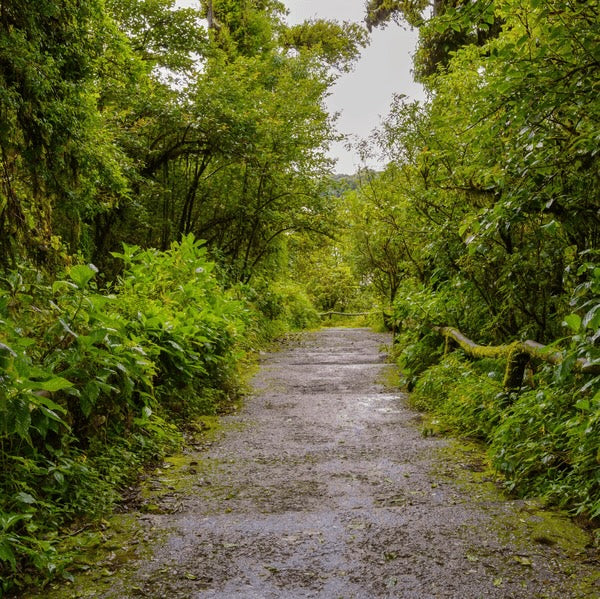
Corporate Tree Plantation Programs - Sustainable ESG Environmental Solutions for Net Zero Targets
Transform your organization's environmental impact with our comprehensive Corporate Tree Plantation Programs...
-
Tree Plantation by Location - Plant Trees Across India
Transform landscapes nationwide through our comprehensive tree plantation by location program. When...
Most Popular Tree Plantations - Top Choices for Environmental Impact
-
Trees for Birthday Celebration: Plant Meaningful Green Gifts
Regular price ₹ 299Regular priceUnit price per -
Trees for Mother
Regular price ₹ 299Regular priceUnit price per -
Trees as a Gift: Plant Hope & Create Lasting Environmental Impact
Regular price ₹ 299Regular priceUnit price per -
Trees to Honor the Memory of your Loved Ones
Regular price ₹ 299Regular priceUnit price per -
Trees for Krishna on Janmashtami - Sacred Divine Gift ₹299
Regular price ₹ 299Regular priceUnit price per

Connect with us
-
👥 Corporates
If you are looking for:
- 🌲 Tree Plantation Events
- 📊 CSR Projects
📧 corporate@growbilliontrees.com
📞 +91 9699723523
💬 +91 9325931304 WhatsApp (Only)
🕒 Mon - Sat | 10am - 7pm IST
-
🧩 Tree Plantation NGOs
If you are looking for:
- 💰 Financial Assistance
- 🤝 Operational Support
📧 support@growbilliontrees.com
📞 +91 9699723523
💬 +91 9325931304 WhatsApp (Only)
🕒 Mon - Sat | 10am - 7pm IST
-
🌼 Individuals
If you are looking for:
- 👥 Group Tree Plantation Drive
- 🌳 Bulk Tree Plantation
📞 +91 9699723523
💬 +91 9325931304 WhatsApp (Only)
🕒 Mon - Sat | 10am - 7pm IST
