
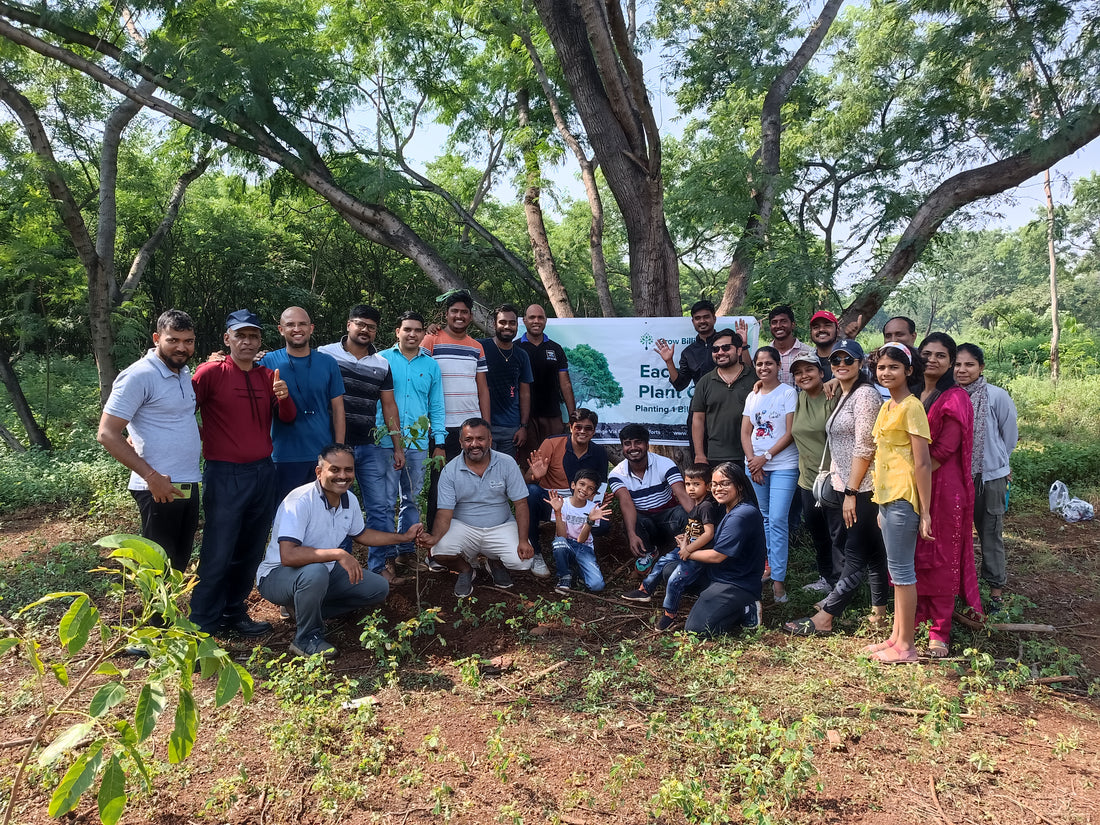
In today's business landscape, tree planting and corporate responsibility have become inseparable elements of sustainable success. Companies worldwide are discovering that environmental stewardship isn't just about compliance—it's about creating last Read more
Trending Tree Plantations - Most Popular Environmental Programs
-
Trees for Mother
Regular price ₹ 299Regular priceUnit price per -
Trees to Honor the Memory of your Loved Ones
Regular price ₹ 299Regular priceUnit price per -
Trees for Women's Day (8th Mar)
Regular price ₹ 299Regular priceUnit price per -
Trees for Wedding Anniversary Celebration
Regular price ₹ 299Regular priceUnit price per -
Trees for Grandmother
Regular price ₹ 299Regular priceUnit price per





Trees for Corporates - Achieve Net Zero Targets Through Strategic Tree Planting
-
 Project Closed
Trees by LIFT Team for Green Diwali: Transform Your Festival
Regular price ₹ 299Regular priceUnit price per -
Trees for a Greener Tomorrow - by Mahindra Lifespaces
Regular price ₹ 299Regular priceUnit price per -
Trees for Environment Day: Plant Your Impact on June 5th
Regular price ₹ 299Regular priceUnit price per -
 Project Closed
Trees for Bangalore: Plant Native Trees in Garden City ₹299
Regular price ₹ 799Regular priceUnit price per -
Trees for Employees: Transform Your Corporate Culture in 2026
Regular price ₹ 299Regular priceUnit price per


Tree Planting Corporate Responsibility: Green Business Strategy
In today's business landscape, tree planting and corporate responsibility have become inseparable elements of sustainable success. Companies worldwide are discovering that environmental stewardship isn't just about compliance—it's about creating lasting value for stakeholders, communities, and the planet. This green business strategy transforms how organizations approach their environmental impact while building stronger brand loyalty and achieving Net Zero Targets.
The shift toward sustainable business practices has accelerated dramatically. Modern consumers demand transparency and environmental action from the brands they support. Companies responding to this call are finding that tree planting initiatives offer measurable returns on investment while contributing to the global goal of Combating Climate Change Through Collective Action.
✅ The Corporate Shift Towards Environmental Sustainability
The global business community has witnessed an unprecedented transformation in corporate values. According to the United Nations Sustainable Development Goals, businesses play a crucial role in achieving environmental targets by 2030. This recognition has sparked a fundamental change in how companies operate.
Consumer expectations have evolved beyond product quality and pricing. Today's environmentally conscious buyers actively seek brands that demonstrate genuine commitment to sustainability. This shift has created a competitive advantage for companies that integrate tree planting and corporate responsibility into their core business strategies.
Major corporations are no longer viewing environmental initiatives as optional extras. Instead, they're recognizing these programs as essential investments in their long-term viability. Companies implementing comprehensive tree planting programs report improved employee satisfaction, enhanced brand reputation, and stronger customer loyalty.
The business case for sustainability has never been clearer. Organizations that embrace tree planting initiatives position themselves as industry leaders while contributing to global environmental restoration efforts.
🌳 Trees as Strategic Corporate Assets
Progressive businesses are redefining how they view trees within their corporate strategy. Rather than seeing tree planting as a charitable expense, forward-thinking companies recognize trees as valuable natural capital that generates multiple returns on investment.
Trees provide quantifiable benefits that directly impact business operations. They improve air quality around corporate facilities, reduce energy costs through natural cooling, and enhance property values. These tangible benefits make tree planting an intelligent business decision beyond its environmental merits.
The concept of natural capital accounting has gained significant traction in corporate boardrooms. Companies are learning to measure and report the economic value of ecosystem services provided by their tree planting investments. This approach helps justify environmental spending while demonstrating concrete returns to shareholders.
Smart businesses are also leveraging tree planting for risk management. Climate-related risks pose significant threats to business continuity. By investing in reforestation and afforestation projects, companies build resilience against extreme weather events while supporting ecosystem stability.
🌲 Afforestation vs. Reforestation: Strategic Considerations
Corporate tree planting strategies must carefully consider whether to focus on afforestation or reforestation initiatives. Each approach offers distinct advantages and aligns with different business objectives and environmental goals.
Reforestation involves restoring previously forested areas, making it ideal for companies seeking to repair environmental damage. This approach typically yields faster results and higher survival rates since the soil conditions already support tree growth. The United Nations Environment Programme emphasizes reforestation as a critical strategy for ecosystem restoration.
Afforestation creates new forests in areas that haven't been forested recently. While more challenging, this approach can provide greater carbon sequestration potential and create entirely new ecosystems. Companies with long-term sustainability commitments often prefer afforestation for its transformative impact.
The most effective corporate strategies combine both approaches based on local conditions and community needs. Businesses partnering with organizations like Grow Billion Trees benefit from expert guidance in selecting the most appropriate planting strategies for maximum environmental and social impact.
⭐ Major Corporate Commitments to Tree Planting
Leading corporations are making bold commitments that demonstrate the power of tree planting and corporate responsibility. These initiatives showcase how businesses can scale environmental impact while achieving commercial objectives.
Technology giants have pledged to plant millions of trees as part of their carbon neutrality goals. These companies recognize that tree planting provides a cost-effective method for offsetting emissions while supporting biodiversity conservation. Their commitments often include innovative tracking systems that monitor tree growth and survival rates.
Retail companies are implementing "plant-a-tree" programs where customers can Plant a Tree in Your Name for special occasions or with product purchases. This approach engages consumers directly in environmental action while building brand loyalty and awareness.
Financial institutions are investing in large-scale reforestation projects as part of their sustainable finance initiatives. These investments support the goal of planting 100 crore trees while generating positive environmental and social returns for stakeholders.
Manufacturing companies are integrating tree planting into their supply chain sustainability programs. By working with suppliers who demonstrate environmental responsibility, these businesses create positive ripple effects throughout their industries.
💡 Beyond Carbon Offsetting: Comprehensive Benefits
While carbon offsetting remains a primary driver for corporate tree planting, the benefits extend far beyond emission reductions. Smart businesses are discovering that tree planting initiatives create value across multiple dimensions of corporate responsibility.
Tree planting programs significantly improve local air and water quality. This environmental enhancement benefits both corporate facilities and surrounding communities, creating goodwill and reducing regulatory risks. Companies operating in urban areas particularly benefit from these improvements.
Biodiversity conservation represents another crucial benefit of corporate tree planting initiatives. According to the World Wildlife Fund's forest conservation programs, strategic tree planting helps protect endangered species while creating wildlife corridors that support ecosystem health.
Economic benefits flow to local communities through job creation and sustainable livelihoods. Tree planting projects require ongoing maintenance, creating employment opportunities in rural areas. This community support strengthens corporate social license while contributing to sustainable development goals.
The comprehensive approach includes specialized programs like Miyawaki forests for rapid ecosystem restoration, agroforestry for sustainable agriculture, and mangrove restoration for coastal protection. These diverse strategies allow companies to address specific environmental challenges while maximizing their positive impact.
👥 Employee Engagement and Corporate Culture
Successful tree planting and corporate responsibility programs actively engage employees in environmental stewardship. Companies that involve their workforce in sustainability initiatives report higher employee satisfaction and stronger organizational culture.
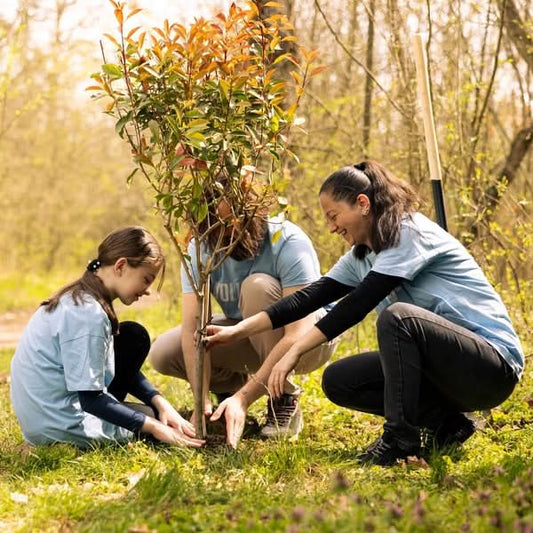
Volunteer tree planting events create team-building opportunities while advancing environmental goals. These activities allow employees to see tangible results from their company's sustainability commitments, fostering pride and engagement in corporate environmental programs.
Employee education programs help build environmental awareness throughout the organization. When workers understand the connection between business operations and environmental impact, they become more invested in sustainability initiatives and more likely to suggest improvements.
Recognition programs that celebrate employee contributions to environmental goals reinforce the importance of sustainability within corporate culture. Companies offering employees the opportunity to Plant a Tree in Your Name for achievements or milestones create meaningful connections between personal recognition and environmental action.
Remote work policies can be enhanced with tree planting benefits, where companies plant trees to offset the environmental impact of home offices. This approach demonstrates comprehensive thinking about corporate environmental responsibility.
📊 Transparent Reporting and Accountability
Transparency in environmental reporting has become essential for maintaining credibility in tree planting and corporate responsibility initiatives. Stakeholders demand clear, verifiable information about corporate environmental commitments and their outcomes.
Modern tracking technologies, including GeoTag systems, allow companies to provide precise location data and growth monitoring for planted trees. This 4ft Tree Planting + 3 Years Care + GeoTag approach ensures accountability and builds trust with stakeholders who want to see concrete results from corporate environmental investments.
Third-party verification adds credibility to corporate tree planting claims. Independent auditors can confirm planting numbers, survival rates, and environmental impact measurements, providing stakeholders with reliable information about program effectiveness.
Regular progress reports should include both successes and challenges encountered in tree planting initiatives. Honest communication about setbacks and lessons learned demonstrates genuine commitment to continuous improvement in environmental stewardship.
Integration with existing sustainability reporting frameworks helps companies present tree planting results within broader environmental performance metrics. This comprehensive approach shows how tree planting contributes to overall corporate sustainability goals.
🤝 Collaborative Partnerships for Maximum Impact
The most successful corporate tree planting initiatives leverage collaborative partnerships that combine business resources with specialized expertise. These alliances multiply the impact of individual corporate investments while reducing implementation risks.
Partnerships with established environmental organizations provide companies with proven planting methodologies and ongoing project management. Organizations like Grow Billion Trees offer comprehensive services that ensure corporate tree planting investments achieve maximum environmental and social returns.
Government collaborations can provide access to suitable planting sites and regulatory support for large-scale initiatives. These partnerships help align corporate environmental goals with national reforestation targets and climate commitments.
Industry consortiums allow multiple companies to pool resources for landscape-level restoration projects. These collaborative approaches can address environmental challenges that exceed the capacity of individual corporate programs while sharing costs and expertise among participants.
Academic partnerships bring scientific rigor to corporate tree planting programs. Universities can provide research support, monitoring protocols, and long-term impact assessments that enhance program effectiveness and credibility.
🚀 The Future of Corporate Environmental Responsibility
The evolution of tree planting and corporate responsibility continues to accelerate as businesses recognize the strategic value of environmental stewardship. Future trends point toward even more sophisticated and integrated approaches to corporate sustainability.
Technology integration will enhance the precision and impact of corporate tree planting programs. Advanced monitoring systems, satellite tracking, and artificial intelligence will provide real-time insights into forest health and growth patterns, enabling more effective management of corporate environmental investments.
Supply chain integration represents a significant opportunity for expanding corporate tree planting impact. Companies are beginning to require environmental commitments from suppliers, creating cascading effects that multiply the reach of individual corporate sustainability programs.
The circular economy model will increasingly incorporate tree planting as a method for offsetting resource consumption. Businesses will develop more sophisticated approaches to balancing their environmental footprint through strategic forest restoration investments.
Consumer engagement will deepen as companies develop new ways to involve customers in tree planting initiatives. Interactive platforms that allow consumers to track "their" trees and see environmental impact in real-time will strengthen the connection between purchasing decisions and environmental outcomes.
Frequently Asked Questions
How much does corporate tree planting cost per tree?
Corporate tree planting costs vary based on location, species, and care requirements. Professional programs typically range from ₹299 to ₹1000 per tree, including planting, initial care, and monitoring. The investment provides measurable returns through carbon sequestration, brand value enhancement, and employee engagement benefits.
What is the survival rate for corporate tree planting programs?
Well-managed corporate tree planting programs achieve survival rates of 80-95% when implemented with proper species selection, site preparation, and ongoing care. Programs that include 3 years of post-planting maintenance typically see the highest success rates, making the investment more cost-effective over time.
How do companies measure the impact of tree planting initiatives?
Companies measure tree planting impact through multiple metrics including carbon sequestration rates, biodiversity indicators, community employment creation, and brand reputation improvements. Modern programs use GeoTag technology and satellite monitoring to provide precise tracking of tree growth and environmental benefits.
Can small businesses participate in corporate tree planting programs?
Yes, small businesses can participate in corporate tree planting through scalable programs that accommodate various budget levels. Many organizations offer flexible options starting with just a few trees, allowing small companies to demonstrate environmental responsibility while building toward larger sustainability commitments.
What tree species work best for corporate planting programs?
The best tree species for corporate programs depend on local climate, soil conditions, and environmental goals. Native species typically offer the highest survival rates and ecological benefits. Professional forestry organizations provide species recommendations based on specific corporate objectives and site conditions.
How long does it take to see results from corporate tree planting?
Initial results from corporate tree planting appear within the first growing season, with measurable carbon sequestration beginning immediately. Significant environmental benefits typically develop over 3-5 years, while full ecosystem maturity may take 10-20 years depending on species and local conditions.
Do corporate tree planting programs require ongoing maintenance?
Yes, successful corporate tree planting programs require ongoing maintenance including watering, weeding, pest management, and replacement of failed plantings. Most professional programs include 2-3 years of maintenance to ensure establishment, after which trees typically become self-sustaining.
How do tree planting programs help companies achieve Net Zero targets?
Tree planting programs help companies achieve Net Zero targets by sequestering atmospheric carbon dioxide as trees grow. Each tree can absorb 22-48 pounds of CO2 annually when mature. Combined with emission reduction strategies, tree planting provides a cost-effective method for offsetting remaining corporate carbon footprints.
What documentation do companies receive for tree planting programs?
Companies typically receive certificates, GPS coordinates, planting reports, and ongoing monitoring updates for their tree planting programs. Many programs provide digital dashboards where companies can track their trees' growth and environmental impact over time, supporting transparency and accountability requirements.
Can corporate tree planting programs include employee participation?
Yes, many corporate tree planting programs include employee participation opportunities such as volunteer planting events, tree adoption programs, and environmental education workshops. These activities enhance employee engagement while strengthening corporate culture around sustainability values and environmental stewardship.The integration of tree planting and corporate responsibility represents more than an environmental initiative—it's a strategic business decision that creates value for companies, communities, and the planet. As businesses continue to recognize the interconnection between environmental health and long-term success, tree planting programs will remain essential tools for achieving sustainability goals.Companies ready to embrace this green business strategy can start their journey today. Explore comprehensive tree planting solutions that align with your corporate responsibility objectives and contribute to the ambitious goal of planting 100 crore trees across India. Together, we can transform business practices while nurturing the environment for future generations.
You may also like
-

Gift a Tree - Meaningful Environmental Gifts That Make a Difference
Transform your gift-giving with meaningful environmental gifts that create lasting impact for...
-

Trees For Shiv Ji - Sacred Tree Planting to Honor Lord Shiva
Honor Lord Shiva through sacred tree planting with Trees For Shiv Ji,...
-

Tree Plantations for Shri Ram - Sacred Devotional Planting Services
Honor Lord Shri Ram through meaningful tree plantations for Shri Ram that...
-
Tree Plantation on Navratri - Celebrate Divine Festivals with Environmental Devotion
Tree plantation on Navratri transforms the sacred nine-day festival into a powerful...
-
Tree Plantation by Cause - Plant Trees for Every Purpose | Grow Billion Trees
Transform your environmental impact with purpose-driven tree plantation by cause programs that...
Corporate Plantations
-

Trees for Corporates - Achieve Net Zero Targets Through Strategic Tree Planting
Trees for Corporates - Strategic Environmental SolutionsTransform your corporate environmental impact with...
-
Tree Plantation for CSR - Corporate Environmental Programs | Grow Billion Trees
Tree Plantation for CSR - Transform Your Corporate Environmental ImpactTree plantation for...
-
Tree Plantation for SDG - Support Sustainable Development Goals
Tree plantation for SDG initiatives represents a powerful pathway to achieving multiple...
-

Corporate Tree Plantation Programs - Sustainable ESG Environmental Solutions for Net Zero Targets
Transform your organization's environmental impact with our comprehensive Corporate Tree Plantation Programs...
-
Tree Plantation by Location - Plant Trees Across India
Transform landscapes nationwide through our comprehensive tree plantation by location program. When...
Most Popular Tree Plantations - Top Choices for Environmental Impact
-
Trees for Mother
Regular price ₹ 299Regular priceUnit price per -
Trees to Honor the Memory of your Loved Ones
Regular price ₹ 299Regular priceUnit price per -
Trees for Wedding Anniversary Celebration
Regular price ₹ 299Regular priceUnit price per -
Trees for Grandmother
Regular price ₹ 299Regular priceUnit price per -
Trees for Grandfather
Regular price ₹ 299Regular priceUnit price per

Connect with us
-
👥 Corporates
If you are looking for:
- 🌲 Tree Plantation Events
- 📊 CSR Projects
📧 corporate@growbilliontrees.com
📞 +91 9699723523
💬 +91 9325931304 WhatsApp (Only)
🕒 Mon - Sat | 10am - 7pm IST
-
🧩 Tree Plantation NGOs
If you are looking for:
- 💰 Financial Assistance
- 🤝 Operational Support
📧 support@growbilliontrees.com
📞 +91 9699723523
💬 +91 9325931304 WhatsApp (Only)
🕒 Mon - Sat | 10am - 7pm IST
-
🌼 Individuals
If you are looking for:
- 👥 Group Tree Plantation Drive
- 🌳 Bulk Tree Plantation
📞 +91 9699723523
💬 +91 9325931304 WhatsApp (Only)
🕒 Mon - Sat | 10am - 7pm IST
